Ecommerce Best in category 1 results Omnichannel Commerce AI Tool

Popular AI tools in the Omnichannel Commerce field of Ecommerce include Tictuk, etc., helping you quickly improve efficiency.

Tictuk

Tictuk

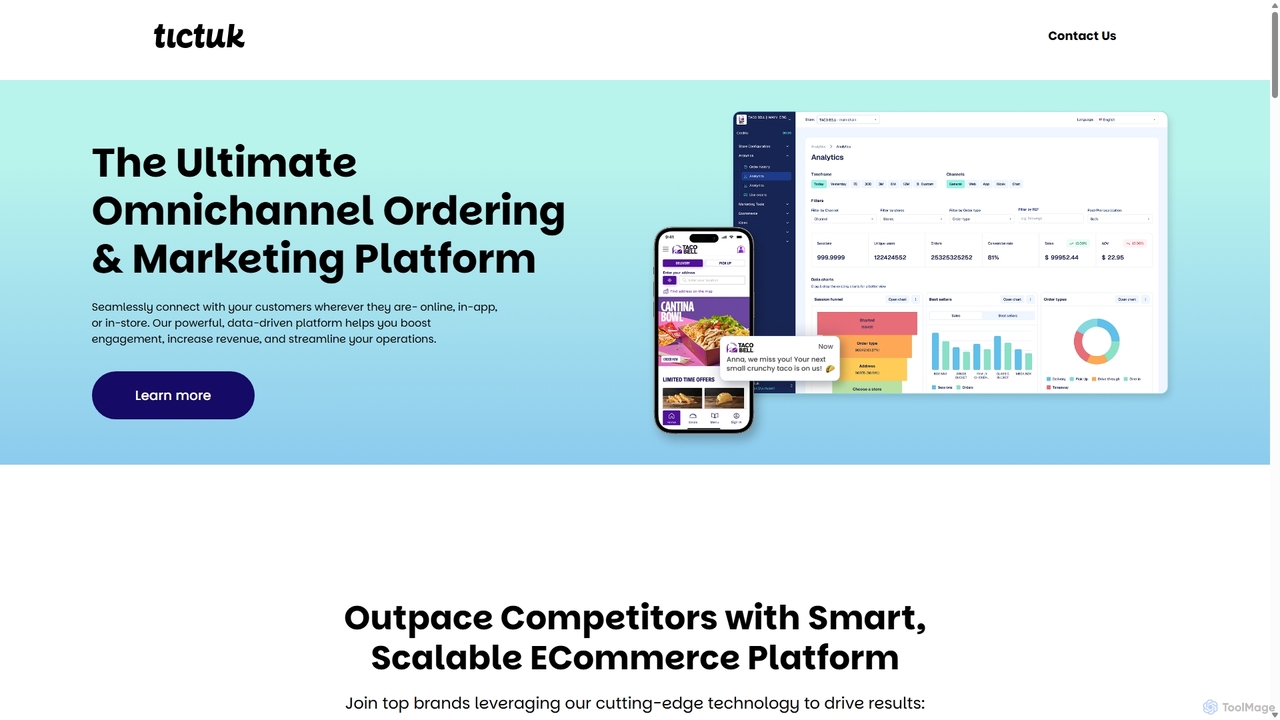
Tictuk is an AI-powered omnichannel ordering and marketing platform designed for businesses to seamlessly connect with customers across …

68.6K

About Omnichannel Commerce

Omnichannel Commerce tools are AI-powered platforms that create a unified, seamless customer experience across all sales and communication channels. These tools leverage artificial intelligence to integrate data from online stores, physical retail, mobile apps, social media, and customer service touchpoints. Their primary value lies in enabling businesses to understand customer journeys holistically, deliver personalized interactions, and optimize operations for consistent engagement, ultimately driving loyalty and sales.

Core Features

  • Unified Customer Profiles: Consolidate customer data from all channels into a single, comprehensive view for personalized interactions.
  • AI-Driven Personalization: Deliver tailored product recommendations, content, and offers across web, email, and in-store based on cross-channel behavior.
  • Cross-Channel Inventory Synchronization: Real-time management of stock levels across all sales points, supporting buy online, pick up in-store (BOPIS) and ship from store.
  • Automated Customer Service: AI chatbots and virtual assistants provide consistent support across messaging apps, websites, and voice channels.
  • Predictive Analytics: Forecast demand, identify purchasing patterns, and optimize marketing spend across various touchpoints.

Applicable Scenarios

These tools are essential for modern retailers, direct-to-consumer (DTC) brands, and large enterprises aiming to provide a cohesive brand experience. They are used by marketing teams for personalized campaigns, sales teams for informed customer interactions, and operations teams for efficient inventory and fulfillment across diverse channels.

How to Choose

When selecting Omnichannel Commerce AI tools, consider their integration capabilities with existing CRM, ERP, and e-commerce platforms. Evaluate the sophistication of their AI for personalization and predictive analytics, scalability to handle growing data volumes, and the level of support for various customer touchpoints. Data security and compliance are also critical factors.

Omnichannel CommerceUse Cases

1

Personalized Cross-Channel Marketing Campaigns

A marketing manager for a fashion retailer uses an Omnichannel Commerce AI tool to analyze customer browsing history, purchase data (online and in-store), and social media interactions. The AI identifies segments of customers interested in specific styles and automatically triggers personalized email campaigns, mobile app notifications, and even targeted in-store promotions, ensuring consistent messaging and increasing conversion rates by 15%.

2

Seamless Buy Online, Pick Up In-Store (BOPIS) Experience

An operations team at a consumer electronics chain implements an Omnichannel Commerce solution to synchronize online orders with real-time store inventory. When a customer places an order online for in-store pickup, the system instantly confirms stock availability at their chosen location, sends automated pickup notifications, and guides store associates to efficiently prepare the order, reducing wait times and improving customer satisfaction.

3

Unified Customer Service Across Touchpoints

A customer support agent at a home goods brand utilizes an Omnichannel Commerce platform that provides a 360-degree view of the customer. Whether the customer contacted via live chat, email, phone, or social media, the agent sees their entire interaction history, past purchases, and preferences. This enables the agent to provide informed, consistent, and efficient support, resolving issues faster and enhancing brand loyalty.

4

AI-Driven Predictive Inventory Optimization

A supply chain manager for a multi-brand retailer uses an Omnichannel Commerce AI tool to analyze sales data across all online and physical stores, seasonal trends, and external factors. The AI predicts demand for specific products at different locations, optimizing inventory distribution and replenishment. This minimizes stockouts in popular stores and reduces overstocking in others, leading to a 10% reduction in carrying costs.

5

Personalized In-Store Experience with Digital Integration

A retail associate in a beauty store uses a tablet integrated with an Omnichannel Commerce system. When a customer enters, the system recognizes them (via loyalty program or app check-in) and displays their online browsing history, past purchases, and preferred products. The associate can then offer highly relevant recommendations, check real-time stock across other stores, or arrange for home delivery, blending digital convenience with personal service.

6

Dynamic Pricing and Promotions Across Channels

An e-commerce manager for a sports equipment brand employs an Omnichannel Commerce AI to implement dynamic pricing strategies. The AI analyzes competitor pricing, demand fluctuations across online and physical stores, and customer segmentation to adjust prices and promotions in real-time. This ensures competitive pricing and maximizes revenue while maintaining consistent value perception across all sales channels.

Omnichannel CommerceFrequently Asked Questions