
Ecommerce Best in category 1 results Operations Management AI Tool

Popular AI tools in the Operations Management field of Ecommerce include StateSet, etc., helping you quickly improve efficiency.

StateSet

StateSet

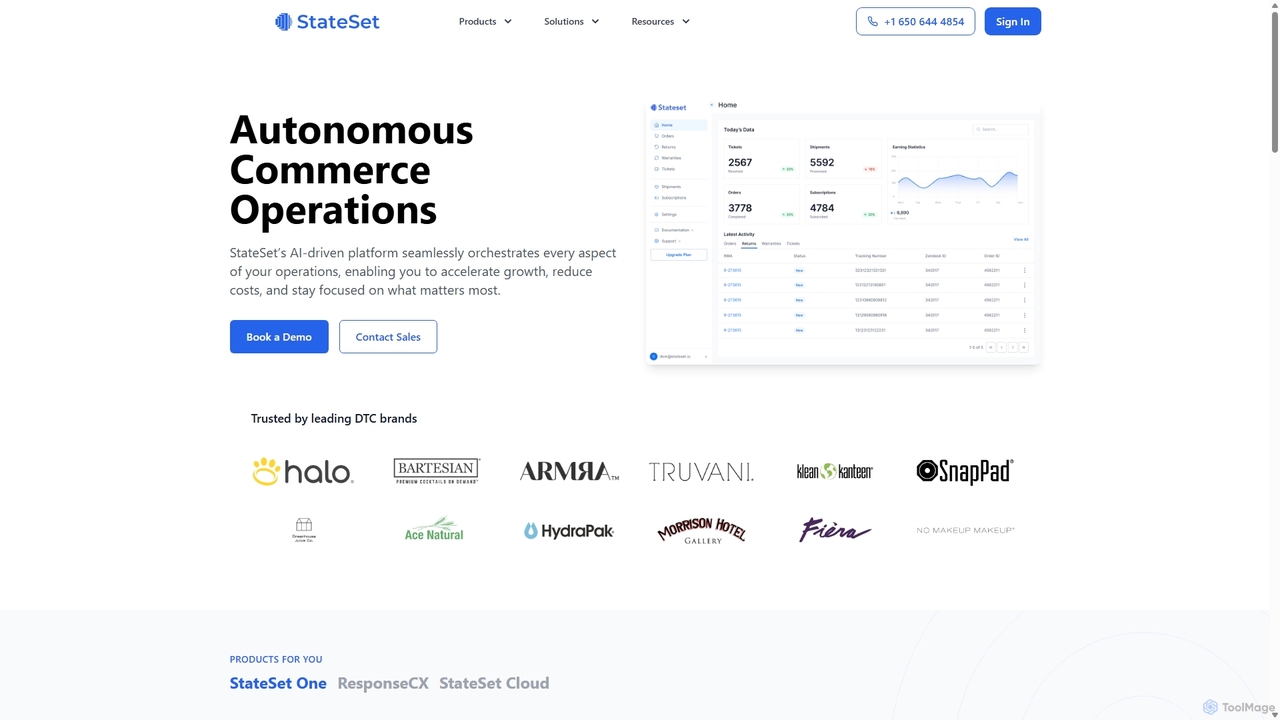
StateSet is an AI-driven Autonomous Commerce Operations platform for DTC brands. It unifies all commerce systems into a …

2.8K

About Operations Management

AI Operations Management tools are a class of software designed to automate and optimize the back-end processes of an e-commerce business. These tools leverage machine learning and predictive analytics to manage inventory, streamline order fulfillment, and optimize logistics. By analyzing historical data and real-time trends, they help online retailers reduce operational costs, improve efficiency, and enhance customer satisfaction through timely and accurate delivery. They are specifically tailored for the high-volume, fast-paced nature of online retail.

Core Features

  • Predictive Inventory Forecasting: Uses AI to analyze sales data and trends to predict future stock needs, preventing stockouts and overstocking.
  • Automated Order Routing: Intelligently assigns orders to the most efficient fulfillment center or warehouse based on stock levels and customer location.
  • Logistics Optimization: Recommends the most cost-effective shipping carriers and routes for each package in real-time.
  • Returns Management Automation: Streamlines the reverse logistics process, from generating return labels to processing refunds and restocking items.
  • Performance Analytics: Provides dashboards to monitor key operational metrics like fulfillment time, shipping costs, and order accuracy.

Use Cases

These tools are essential for growing e-commerce businesses, direct-to-consumer (DTC) brands, and multi-channel sellers. Operations managers, warehouse supervisors, and e-commerce entrepreneurs use them to scale their fulfillment capabilities without a proportional increase in manual labor. They are particularly valuable for businesses managing multiple warehouses or selling across various online marketplaces.

How to Choose

When selecting an AI Operations Management tool, consider its integration capabilities with your e-commerce platform (e.g., Shopify, Magento) and existing systems like a WMS or ERP. Evaluate its scalability to ensure it can handle your projected order volume growth. Assess the depth of its analytical features and the accuracy of its forecasting models. Finally, consider the user interface and the level of technical support provided.

Operations ManagementUse Cases

1

Automated Inventory Replenishment for Seasonal Peaks

An online fashion retailer faces the challenge of managing inventory for seasonal collections like summer wear or winter coats. Using an AI operations tool, the system analyzes historical sales data, current market trends, and even weather forecasts to predict demand for specific items. Based on these predictions, it automatically generates purchase orders to suppliers with optimal timing and quantities. This prevents stockouts on popular items during peak season and avoids overstocking products that won't sell, optimizing cash flow and maximizing revenue.

2

Optimizing Multi-Warehouse Order Fulfillment

A direct-to-consumer (DTC) electronics brand operates warehouses on both the East and West coasts of the US. When a customer places an order, the AI operations management system instantly analyzes the customer's shipping address, stock availability at each warehouse, and real-time shipping costs from various carriers. It then automatically routes the order to the optimal warehouse for fulfillment. This ensures the shortest delivery time and lowest shipping cost for every order, significantly improving customer satisfaction and profit margins.

3

Intelligent Carrier Selection for Cost Savings

A subscription box company ships thousands of packages of varying sizes and weights each month. Manually choosing the cheapest carrier for each shipment is impractical. Their AI operations tool integrates with multiple shipping carriers' APIs. For every order ready to be shipped, the system automatically compares rates based on package dimensions, weight, destination, and required delivery speed. It then selects the most cost-effective option that meets the delivery promise, saving the company an average of 15% on shipping costs annually.

4

Streamlining Returns Processing (Reverse Logistics)

An online furniture retailer deals with complex and costly returns. Their AI operations platform provides a customer-facing portal for initiating returns, automatically generating shipping labels. When an item is returned to the warehouse, it's scanned, and the system guides staff through a standardized inspection process. Based on the item's condition, the AI recommends whether to restock, refurbish, or liquidate the product. This automation reduces manual processing time by 40% and improves the recovery value from returned goods.

5

Proactive Management of Delivery Delays

A large online marketplace uses an AI operations tool to monitor thousands of daily shipments across multiple carriers. The system tracks packages in real-time and uses predictive models to identify shipments at high risk of delay due to weather, carrier network congestion, or customs issues. When a potential delay is flagged, the system can automatically trigger a notification to the customer, providing a new estimated delivery date. This proactive communication turns a potentially negative experience into a positive one, building customer trust and reducing inquiries to the support team.

6

Demand Forecasting for Promotional Campaigns

A beauty brand is planning a major Black Friday sale. To avoid stockouts and disappointed customers, their operations manager uses an AI tool to forecast demand. The AI analyzes past promotional performance, competitor activities, social media buzz, and overall market trends. It provides a detailed forecast for each product SKU included in the sale. This allows the brand to adjust its inventory levels and production schedules weeks in advance, ensuring they have enough stock to meet the anticipated surge in orders without creating excess inventory post-sale.

Operations ManagementFrequently Asked Questions