Education Best in category 1 results Botany AI Tool

Popular AI tools in the Botany field of Education include weedtalk.io, etc., helping you quickly improve efficiency.

weedtalk.io

weedtalk.io

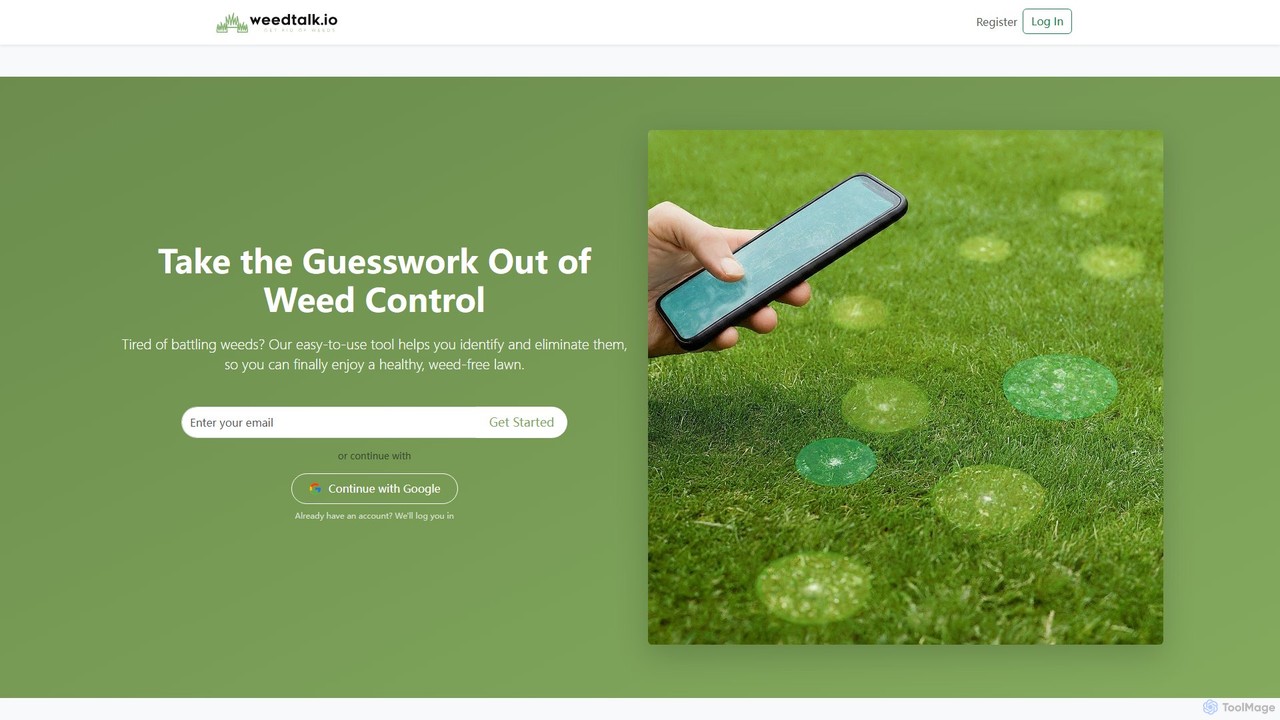
An AI-powered tool that helps gardeners, homeowners, and professional landscapers identify weeds instantly from photos. Upload an image …

2.6K

About Botany

AI Botany tools are specialized applications that use artificial intelligence, particularly computer vision and machine learning, to identify, analyze, and monitor plant life. These tools process images from sources like smartphones, drones, or satellites to recognize species, detect diseases, and assess plant health. Their primary value lies in automating and scaling botanical analysis for research, agriculture, and education. By providing rapid, data-driven insights, they empower users to make more informed decisions about plant management and conservation.

Core Features

  • Plant Species Identification: Instantly recognizes plants from a photo by comparing it against a vast botanical database.
  • Disease and Pest Detection: Analyzes leaf discoloration, spots, and patterns to identify signs of common diseases or pest infestations.
  • Plant Health Assessment: Evaluates factors like color, turgor, and growth patterns to provide an overall health score or identify nutrient deficiencies.
  • Growth Monitoring: Tracks plant development over time through sequential images to analyze growth rates and phenological stages.
  • Population and Distribution Mapping: Uses aerial or satellite imagery to map the density and distribution of specific plant species across large areas.

Applicable Scenarios

These tools are widely used in precision agriculture for crop scouting and yield optimization. In scientific research, botanists and ecologists use them for biodiversity surveys and monitoring the impact of climate change on flora. Educational institutions also integrate these tools into biology and environmental science curricula to provide students with hands-on learning experiences.

Selection Criteria

When choosing an AI Botany tool, consider the accuracy and size of its species database. Evaluate its primary focus—whether it's designed for casual gardeners, professional farmers, or academic researchers. Also, assess the required input data (e.g., mobile photos vs. drone imagery) and its capabilities for data analysis and reporting. For professional use, integration with farm management or research software is a key factor.

BotanyUse Cases

1

Identify Wildflowers During a Nature Hike

A nature enthusiast or student on a hike encounters an unfamiliar flower. Using a smartphone app powered by AI botany technology, they take a quick photo. The app instantly analyzes the image, cross-references it with its database, and identifies the plant as a 'Purple Coneflower' (Echinacea purpurea). It also provides additional information such as its common uses, habitat, and flowering season. This process transforms a simple walk into an interactive educational experience, allowing for real-time learning and cataloging of local flora without needing to carry heavy field guides.

2

Diagnose Crop Diseases in Early Stages

An agronomist is managing a large cornfield and suspects an early-stage fungal infection. Instead of waiting for visible, widespread symptoms, they use a drone equipped with a multispectral camera to capture images of the field. An AI botany platform processes these images, analyzing subtle changes in leaf color and texture that are invisible to the human eye. The system flags specific areas with a high probability of Northern Corn Leaf Blight, allowing the agronomist to apply targeted fungicide treatment only where needed. This early detection and precision treatment save costs, reduce chemical usage, and prevent significant yield loss.

3

Monitor Biodiversity in a Protected Rainforest

A team of conservation scientists is tasked with monitoring the plant biodiversity in a remote section of a rainforest. They deploy a network of stationary cameras and use satellite imagery. An AI botany tool automates the analysis of this massive dataset. It identifies and counts specific tree species from the satellite data to map canopy diversity. Simultaneously, it analyzes images from ground cameras to identify undergrowth species and track their prevalence over seasons. This provides a comprehensive, non-invasive method to track ecosystem health and detect the presence of invasive species early, informing conservation strategies.

4

Automate Plant Phenotyping for Research

A plant genetics researcher is studying the effects of different gene edits on tomato plant growth. Manually measuring hundreds of plants daily is time-consuming and prone to error. They implement an automated phenotyping system in their greenhouse, which uses cameras and an AI botany tool. The AI continuously captures images and automatically extracts key traits (phenotypes) such as plant height, leaf count, leaf area, and fruit color. The system generates precise, time-series data for each plant, allowing the researcher to accurately compare the growth patterns of different genetic variants and accelerate their research cycle significantly.

5

Provide Plant Care Advice for Home Gardeners

A novice home gardener notices that the leaves on their fiddle-leaf fig are turning yellow. Unsure of the cause, they use a consumer-focused AI botany app. They take a photo of the affected leaves and upload it. The AI analyzes the image, identifies the symptoms as consistent with overwatering, and provides a diagnosis. The app then offers a clear, actionable care plan: reduce watering frequency, check for root rot, and ensure the pot has proper drainage. This instant, expert-level advice helps the gardener save their plant and learn better care practices for the future.

6

Create Interactive Learning Modules for Biology Class

A high school biology teacher wants to create a more engaging lesson on local ecosystems. Using an AI botany tool with an educational focus, they design a digital field trip. Students use tablets in the school garden or a nearby park to identify plants. As they identify a species, the app presents a mini-quiz about its role in the ecosystem, its pollinators, and its adaptations. The teacher can track student progress on a central dashboard. This gamified approach turns a standard botany lesson into an interactive scavenger hunt, improving student engagement and knowledge retention about plant science and ecology.

BotanyFrequently Asked Questions