Education Best in category 5 results Psychology AI Tool

Popular AI tools in the Psychology field of Education include PracticalPie、spiritualseek、Dream Wiki、ShadowCompass、Dream Advisor, etc., helping you quickly improve efficiency.

ShadowCompass

ShadowCompass

An AI-native guide for self-discovery based on Jungian depth psychology. ShadowCompass uses the Q-UBE framework to help users …

3.3K
Free
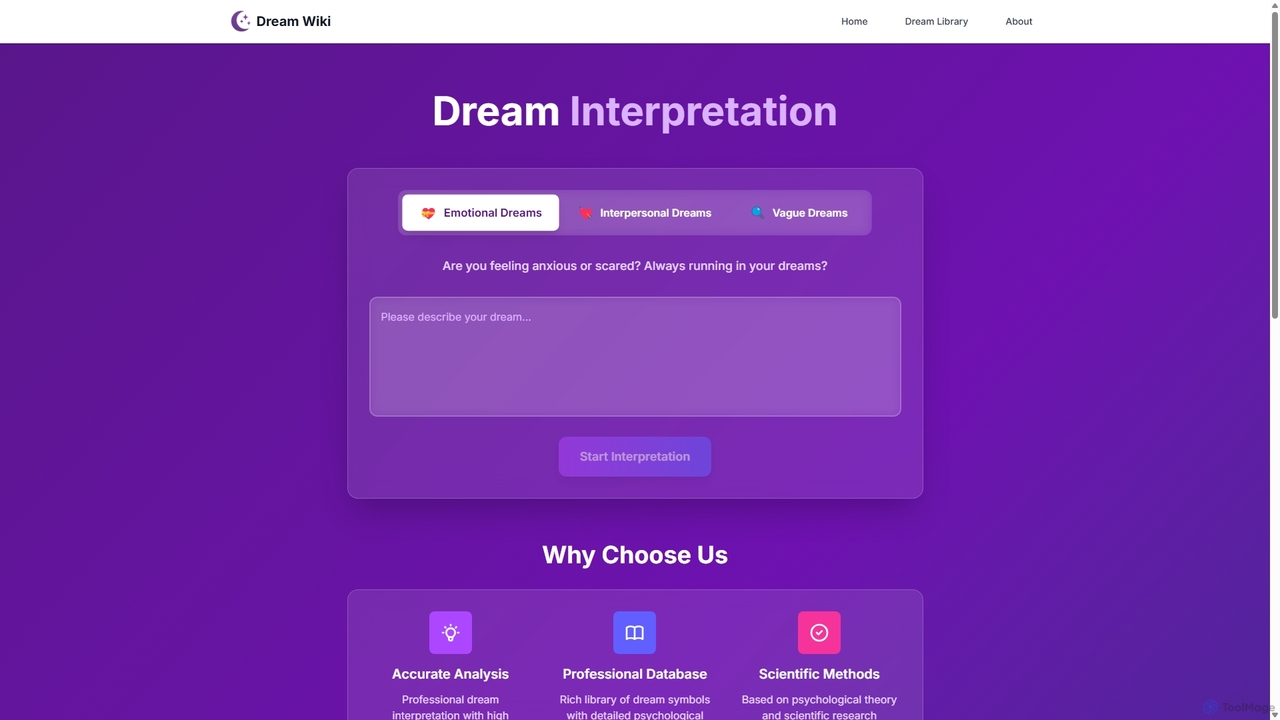
Dream Wiki

Dream Wiki

An AI-powered dream interpretation tool that provides free, in-depth analysis of your dreams. Based on Jungian psychology and …

4.2K
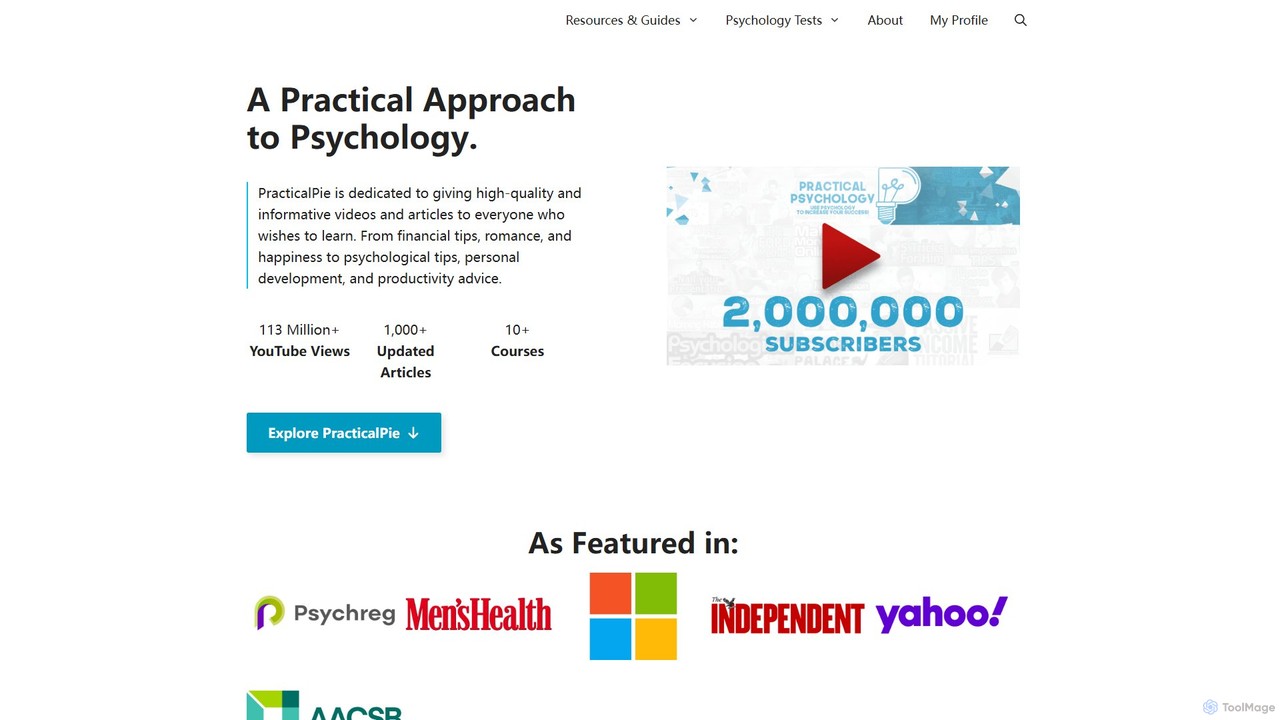
PracticalPie

PracticalPie

PracticalPie is an educational platform making psychology accessible and practical. It offers a vast library of articles, videos, …

109.2K
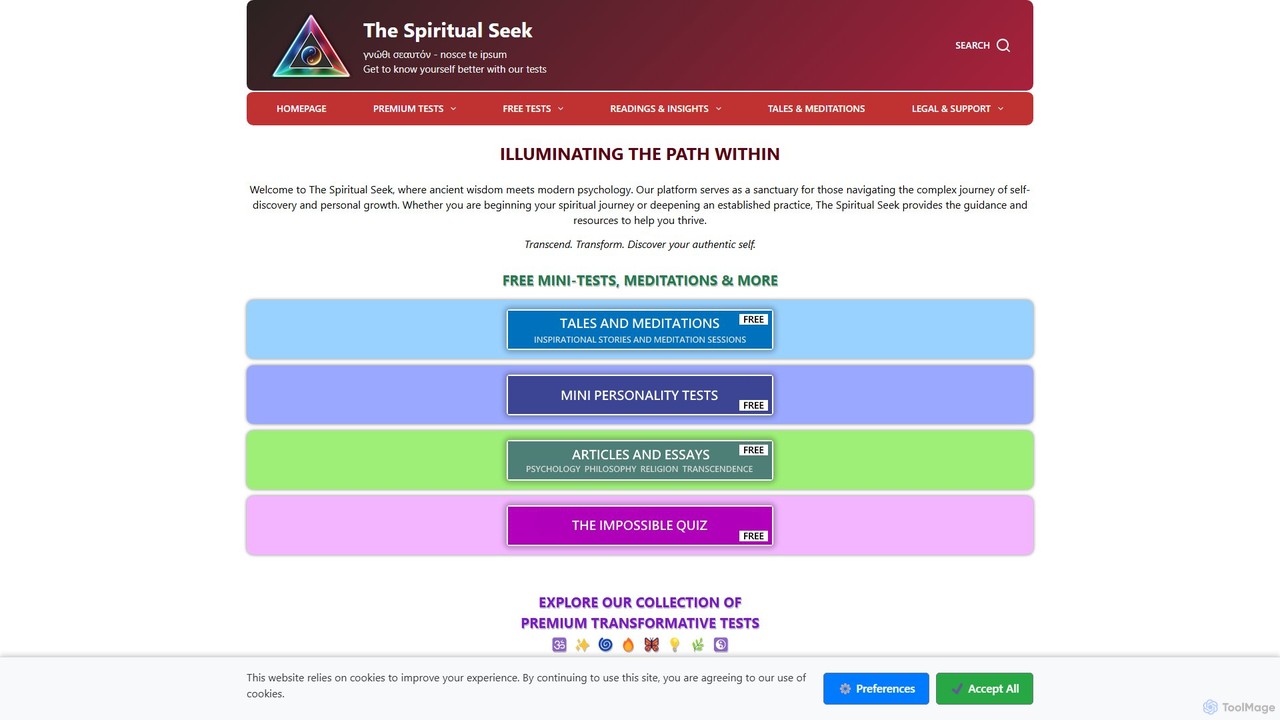
spiritualseek

spiritualseek

Spiritualseek is a unique platform where ancient wisdom meets modern psychology. It offers a vast collection of AI-powered …

5.8K
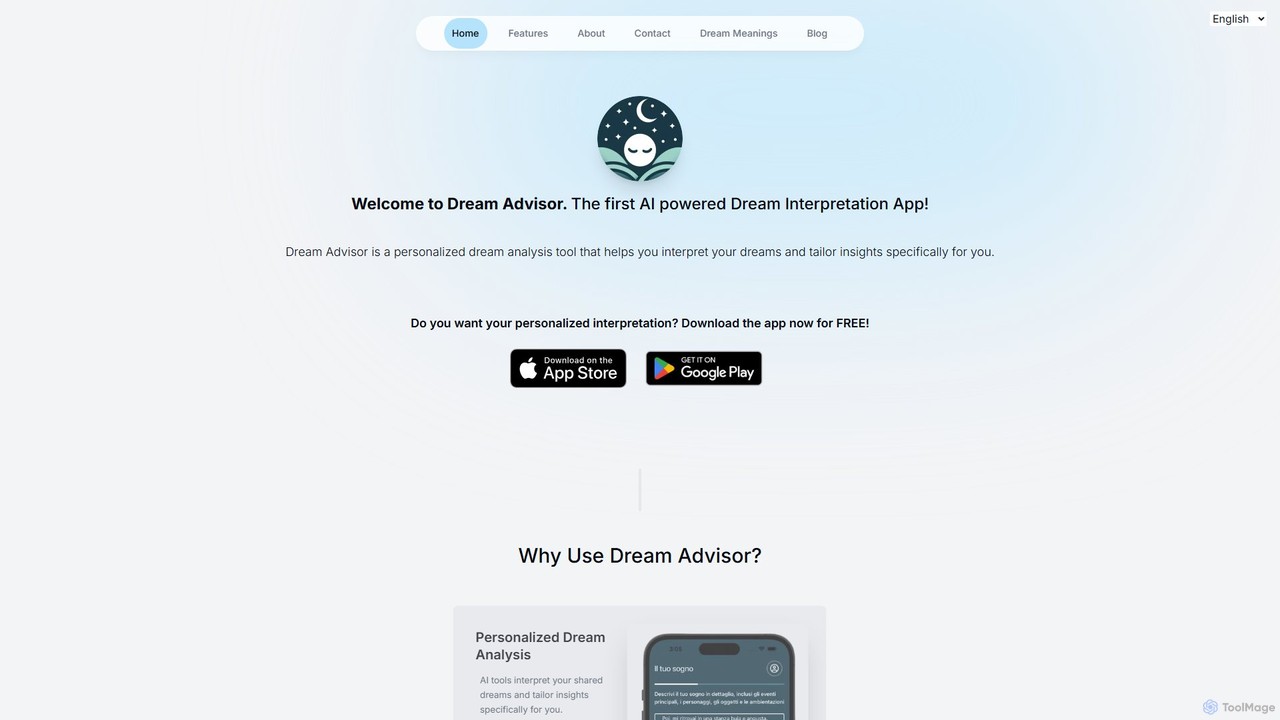
Dream Advisor

Dream Advisor

Dream Advisor is an AI-powered mobile app that offers personalized dream interpretation and analysis. It helps you understand …

3.2K

About Psychology

AI Psychology tools are a specialized category of educational technology designed to analyze behavioral data, simulate cognitive processes, and provide support for mental health education. These tools leverage machine learning models to identify patterns in text, speech, and interaction data, offering insights into human psychology. They are primarily used in academic research, clinical training, and for developing personalized learning or wellness programs. Unlike general educational AI, these tools are specifically tuned to understand and model psychological constructs and ethical considerations.

Core Features

  • Behavioral Pattern Analysis: Identifies trends, anomalies, and correlations in large datasets from surveys, interviews, or observational studies.
  • Cognitive Simulation: Creates computational models to simulate human thinking, decision-making, and learning processes for research and training.
  • Sentiment & Emotional Analysis: Evaluates text or speech to gauge emotional tone, sentiment, and psychological states.
  • Personalized Intervention Modules: Generates customized exercises and content based on an individual's psychological profile or learning needs, often used in digital therapy contexts.
  • Ethical & Bias Auditing: Includes features to help researchers and developers identify and mitigate potential biases in algorithms and data related to sensitive psychological traits.

Use Cases

These tools are valuable for psychology students, academic researchers, clinical psychologists in training, and corporate HR departments. For instance, a university researcher might use an AI tool to analyze thousands of forum posts for signs of group polarization. A trainee therapist could practice diagnostic skills with an AI-powered virtual patient that simulates various mental health conditions.

How to Choose

When selecting an AI Psychology tool, prioritize data security and compliance with regulations like HIPAA or GDPR. Evaluate the scientific validity and transparency of the underlying models. Consider its integration capabilities with statistical software (like R or SPSS) and learning management systems. Finally, assess the tool's specialization—whether it's designed for research, clinical training, or educational purposes.

PsychologyUse Cases

1

Simulating Clinical Interviews for Trainee Therapists

Psychology students and clinical trainees often need safe environments to practice diagnostic interviewing skills. An AI Psychology tool can provide a virtual patient simulator. Trainees interact with an AI character programmed to exhibit symptoms of various psychological conditions, such as depression or anxiety disorders. The AI can respond dynamically to questions, display non-verbal cues, and provide feedback on the trainee's questioning technique and empathy. This allows for repeated practice without risk to real patients, helping students build confidence and competence in clinical assessment before they begin their practicum.

2

Analyzing Qualitative Data in Academic Research

Social psychologists and qualitative researchers often work with large volumes of unstructured text data from interviews, focus groups, or online forums. Manually coding this data is time-consuming. An AI Psychology tool can automate thematic analysis by identifying recurring themes, concepts, and sentiment patterns across thousands of pages of text. A researcher can use it to quickly map the prevalence of certain topics, analyze the emotional tone of discussions, and uncover subtle relationships between ideas that might be missed by human coders. This accelerates the research process and allows for analysis on a much larger scale.

3

Developing Personalized Mental Wellness Programs

Corporate HR and wellness platforms aim to provide scalable mental health support. An AI Psychology tool can be used to create personalized wellness journeys for employees. Based on initial assessments or journal entries, the AI can recommend specific cognitive behavioral therapy (CBT) exercises, mindfulness practices, or educational content tailored to an individual's stress triggers or goals. For example, an employee struggling with public speaking anxiety might receive a curated module with relaxation techniques and cognitive reframing exercises. This provides a proactive and individualized approach to mental wellness at scale.

4

Creating Adaptive Learning for Neurodiversity

Educators and instructional designers can use AI Psychology tools to create learning materials that adapt to different cognitive styles. By analyzing a student's interaction patterns, response times, and error types, the AI can identify potential learning preferences or challenges, such as those associated with dyslexia or ADHD. It can then dynamically adjust the presentation of content, for example, by changing font styles, providing information in smaller chunks, or offering alternative formats like audio summaries. This helps create a more inclusive and effective educational experience for neurodivergent learners within a standard classroom setting.

5

Auditing AI Systems for Psychological Bias

As AI becomes more prevalent, ensuring fairness is critical. AI ethicists and developers can use specialized AI Psychology tools to audit other AI models for hidden psychological biases. For example, a tool could analyze a language model's responses to prompts about different demographic groups to detect stereotypes or unfair associations. It can quantify biases related to gender, race, or disability, providing developers with concrete data to help them debias their systems. This application uses AI to police itself, promoting the development of more equitable and responsible technology.

6

Modeling Cognitive Biases in Decision-Making

Behavioral economists and cognitive psychologists study how mental shortcuts (heuristics) and biases affect human decisions. AI Psychology tools can create simulations to model these effects. A researcher could build a model of an investment market and populate it with AI agents programmed with common biases like 'loss aversion' or 'confirmation bias'. By running simulations, they can observe how these biases collectively influence market behavior, leading to bubbles or crashes. This provides a powerful experimental platform to test psychological theories that are difficult to study in controlled real-world settings.

PsychologyFrequently Asked Questions