ToolMage
Sign in

Best 4 Enterprise Solutions AI tools

Popular Enterprise Solutions AI tools include Cogniz, Crowly, SmartDetect, and Vectense, helping you work more efficiently.

Crowly
Paid

Crowly

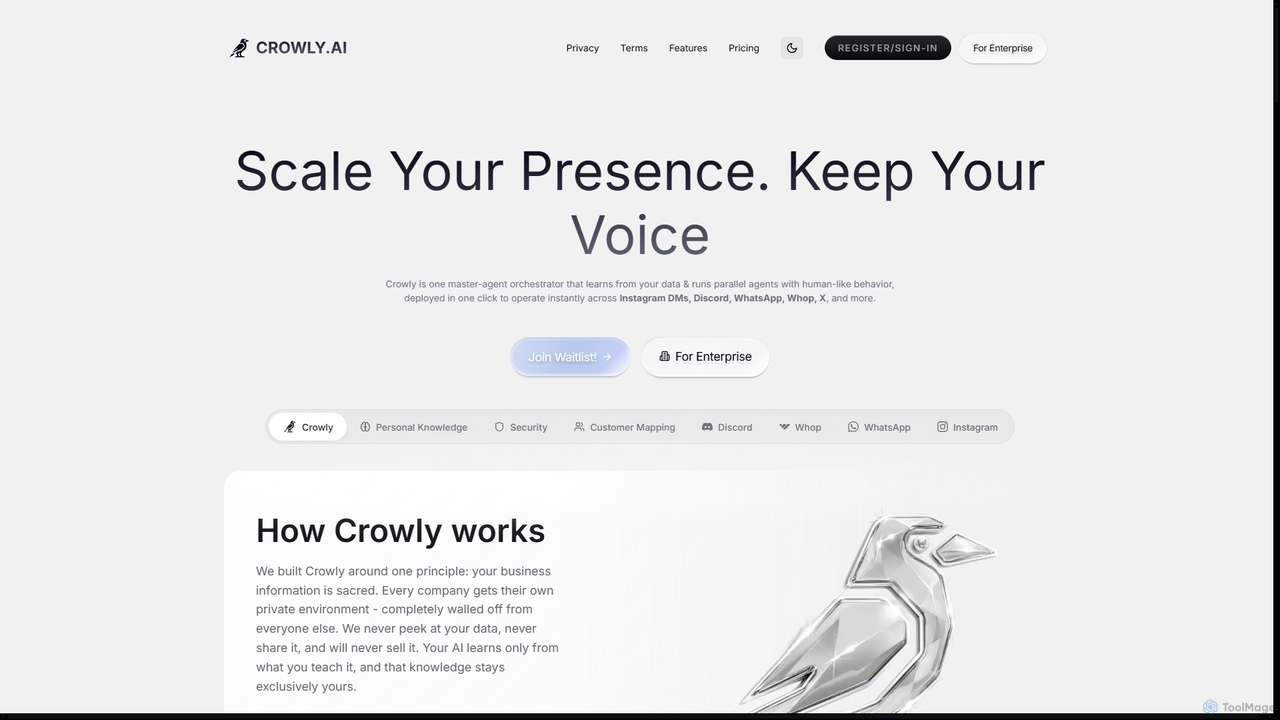
Crowly is an advanced AI agent orchestrator designed for enterprises to scale their presence and maintain brand voice across multiple platforms. It deploys human-like AI agents instantly on channels like Instagram DMs, Discord, WhatsApp, and X, learning from your data in a secure, private environment.

Chatbot
Visits 5KFavorites 31Likes 20
Cogniz

Cogniz

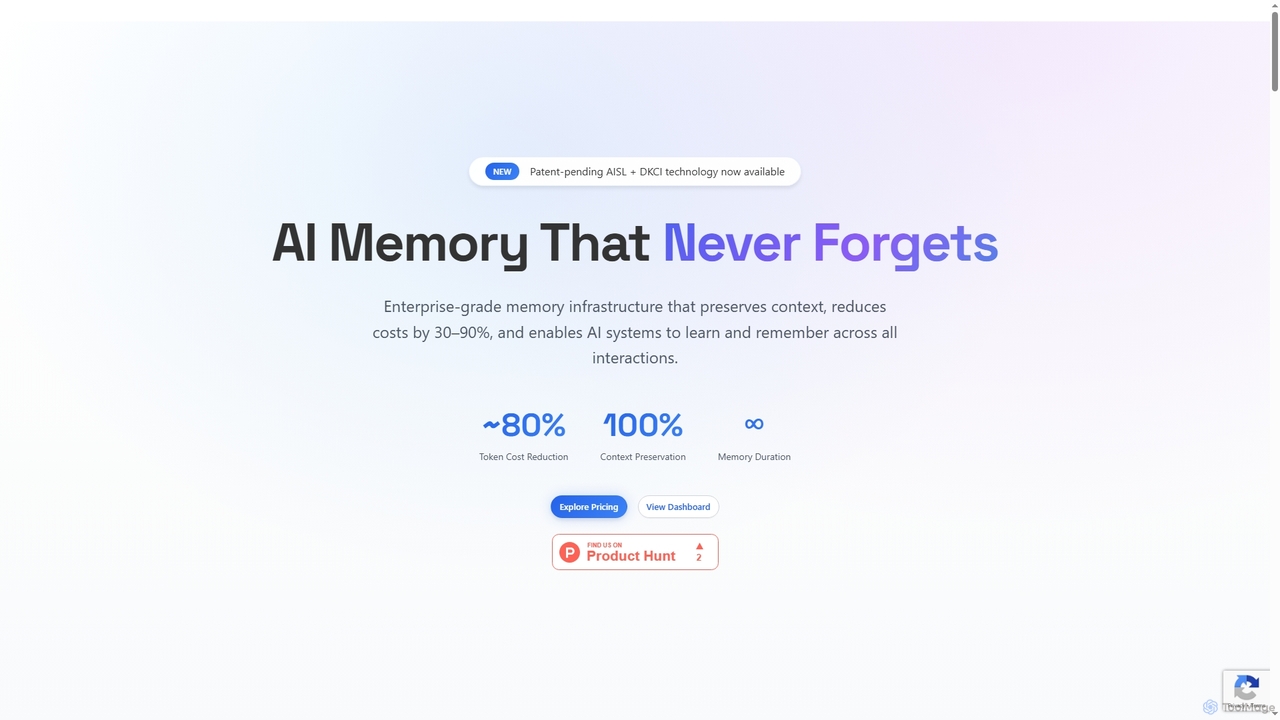
Cogniz is an enterprise-grade AI memory infrastructure featuring patent-pending AISL + DKCI technology. It enables AI systems to learn and remember indefinitely across all interactions, ensuring 100% context preservation and significantly reducing token costs by an average of 80%.

Memory Management
Visits 8.9KFavorites 44Likes 53
SmartDetect

SmartDetect

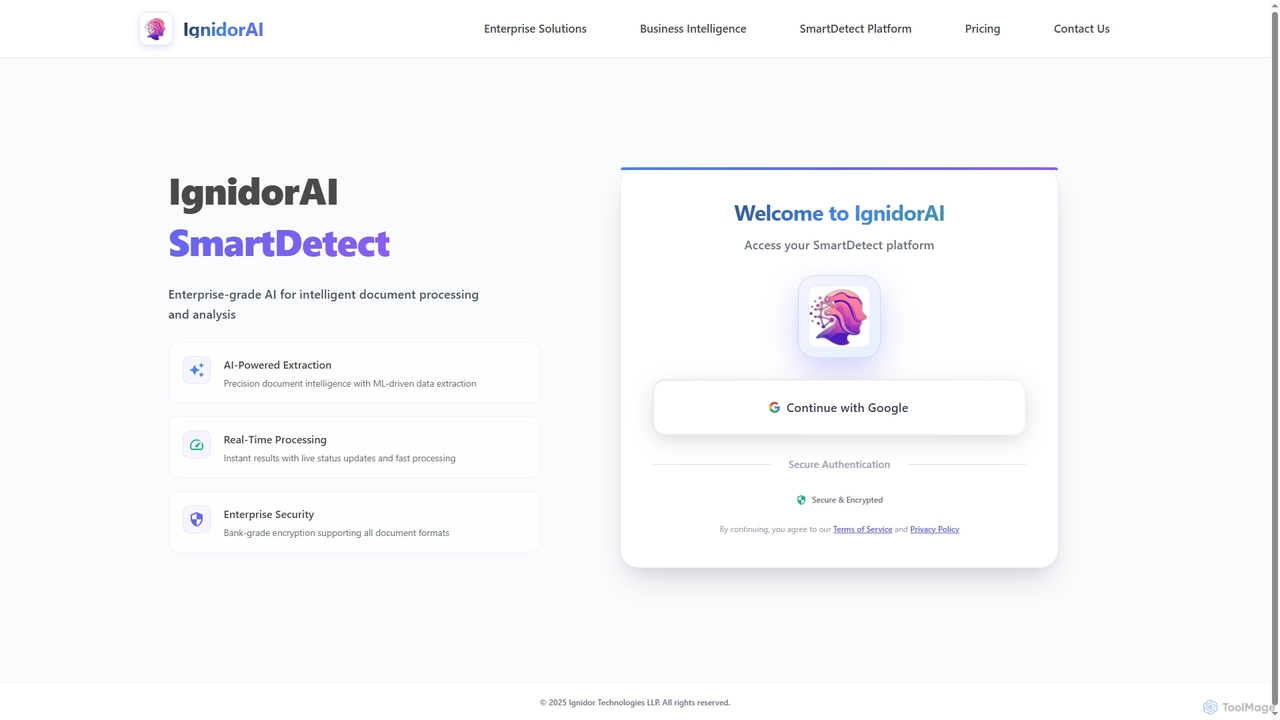
SmartDetect by IgnidorAI is an enterprise-grade AI platform for intelligent document processing and analysis. It leverages machine learning for precise data extraction, offers real-time processing with instant results, and ensures bank-grade security for all document formats. Designed for businesses seeking efficient and secure document intelligence.

Intelligent Processing
Visits 4.1KFavorites 71Likes 54
Vectense
Freemium

Vectense

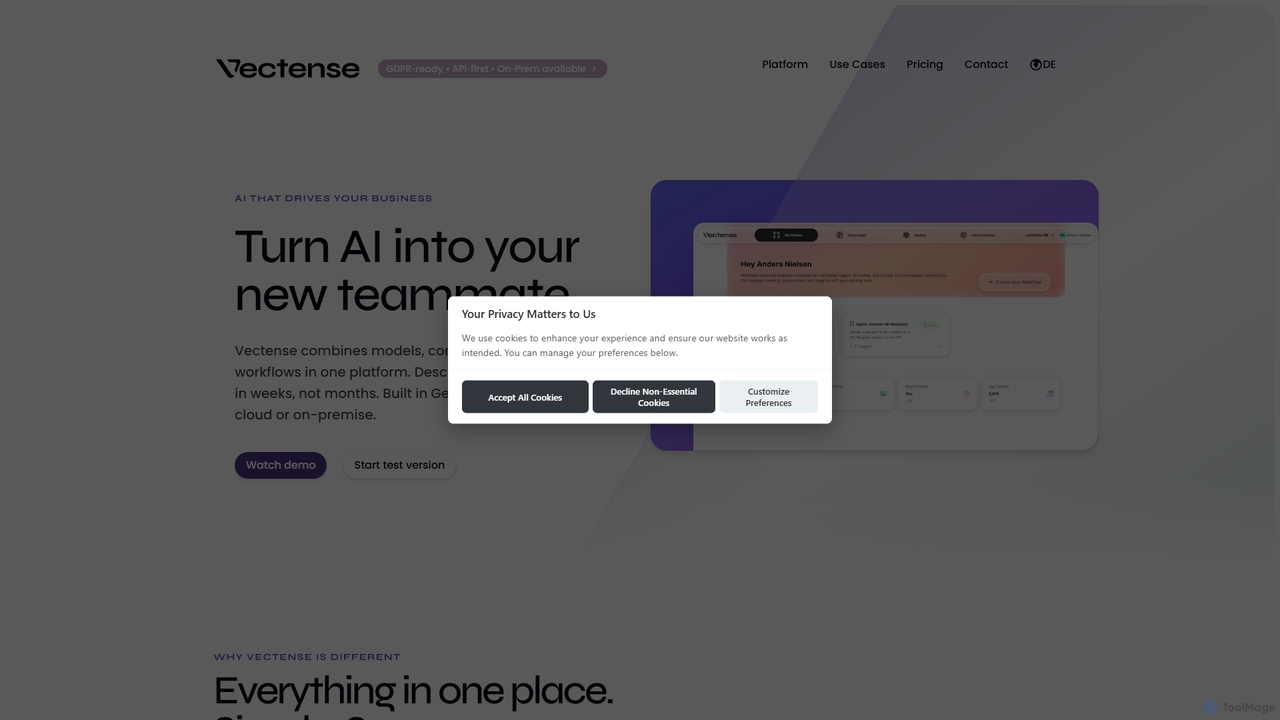
Vectense is an all-in-one AI platform designed to boost business efficiency by automating workflows. It combines AI models, company knowledge, and existing processes, allowing users to describe automation in plain language without coding. With flexible deployment options (cloud or on-premise) and a strong focus on data privacy, Vectense helps SMBs streamline operations and achieve measurable outcomes.

3D
Visits 4KFavorites 122Likes 108

About Enterprise Solutions

Enterprise Solutions are AI-powered tools designed to optimize and transform large-scale business operations across various departments. These sophisticated platforms leverage machine learning, natural language processing, and advanced analytics to automate complex tasks, enhance decision-making, and drive innovation. They provide organizations with actionable insights, streamline workflows, and improve overall efficiency, enabling businesses to achieve strategic objectives and maintain a competitive edge.

Core Features

  • Process Automation: Automates repetitive and rule-based tasks across departments, from HR to finance, reducing manual effort and errors.
  • Predictive Analytics: Analyzes vast datasets to forecast future trends, customer behavior, and operational outcomes, supporting proactive strategic planning.
  • Intelligent Customer Service: Deploys AI chatbots and virtual assistants to provide instant, personalized support, improving customer satisfaction and reducing service costs.
  • Supply Chain Optimization: Uses AI to manage inventory, logistics, and demand forecasting, enhancing efficiency and resilience across the supply chain.
  • Data-Driven Insights: Transforms raw data into clear, actionable intelligence, empowering leaders to make informed, strategic decisions.

Applicable Scenarios

Large corporations and multinational enterprises frequently deploy AI enterprise solutions to manage complex, data-intensive operations. This includes automating financial reporting for global accounting teams, optimizing logistics for international supply chains, and personalizing customer interactions across diverse markets. These tools are crucial for organizations seeking to scale operations, reduce operational costs, and gain a deeper understanding of their vast datasets.

How to Choose

Selecting an AI enterprise solution requires evaluating several key factors. Prioritize solutions that offer robust integration capabilities with existing IT infrastructure to ensure seamless data flow. Assess the vendor's security protocols and compliance certifications, especially for sensitive data. Consider the scalability of the platform to accommodate future growth and evolving business needs. Finally, evaluate the total cost of ownership, including implementation, training, and ongoing support, to ensure a strong return on investment.

Featured tool rankings

Enterprise Solutions use cases

1

Automating Large-Scale Customer Support

For multinational corporations, managing millions of customer inquiries daily is a monumental task. AI enterprise solutions deploy intelligent chatbots and virtual assistants that can handle a vast volume of routine questions, provide instant personalized responses, and escalate complex issues to human agents. This significantly reduces response times, improves customer satisfaction, and frees up human agents to focus on more critical interactions, potentially saving millions in operational costs annually.

2

Optimizing Global Supply Chain Logistics

Logistics managers in global manufacturing firms utilize AI enterprise solutions to predict demand fluctuations, optimize inventory levels across multiple warehouses, and streamline transportation routes. By analyzing real-time data from sensors, weather patterns, and market trends, AI can identify potential disruptions before they occur, suggest alternative routes, and ensure timely delivery of goods, leading to reduced shipping costs and improved supply chain resilience.

3

Enhancing Financial Fraud Detection and Prevention

Financial institutions leverage AI enterprise solutions to monitor billions of transactions in real-time, identifying anomalous patterns indicative of fraud. Machine learning algorithms can detect subtle deviations from normal behavior that human analysts might miss, flagging suspicious activities for immediate investigation. This proactive approach minimizes financial losses, protects customer assets, and ensures compliance with regulatory requirements, strengthening the institution's security posture.

4

Streamlining Human Resources Talent Acquisition

Large enterprises face the challenge of sifting through thousands of job applications for various roles. AI enterprise solutions automate resume screening, identify best-fit candidates based on skills and experience, and even conduct initial AI-powered interviews. This accelerates the recruitment process, reduces unconscious bias, and allows HR teams to focus on engaging with top talent, leading to more efficient hiring and improved talent quality.

5

Personalizing Marketing Campaigns at Scale

Marketing departments in e-commerce giants use AI enterprise solutions to analyze vast customer data, predict purchasing behavior, and deliver highly personalized product recommendations and marketing messages. AI segments customers into micro-groups, tailors content for different channels, and optimizes campaign timing for maximum impact. This results in higher conversion rates, increased customer loyalty, and a more efficient allocation of marketing budgets.

6

Predictive Maintenance for Industrial Assets

Manufacturing and energy companies employ AI enterprise solutions to monitor the health of critical machinery and infrastructure. Sensors collect data on temperature, vibration, and performance, which AI algorithms analyze to predict potential equipment failures before they occur. This enables maintenance teams to schedule interventions proactively, preventing costly downtime, extending asset lifespan, and ensuring continuous operational efficiency and safety.

Enterprise Solutions FAQ

What are Enterprise Solutions AI tools?

Enterprise Solutions AI tools are advanced software applications that integrate artificial intelligence capabilities into core business functions to enhance efficiency, decision-making, and operational performance at a large scale. They leverage technologies like machine learning, natural language processing, and computer vision to automate complex processes, analyze vast datasets for insights, and provide intelligent assistance across various departments, from customer service to supply chain management.

How do AI enterprise solutions differ from traditional business software?

AI enterprise solutions fundamentally differ from traditional business software by their ability to learn, adapt, and make autonomous decisions. Traditional software follows predefined rules and processes, whereas AI solutions can analyze new data, identify patterns, predict outcomes, and optimize operations without explicit programming for every scenario. This allows them to handle complexity, provide deeper insights, and continuously improve performance over time, offering a more dynamic and intelligent approach to business challenges.

What are the main benefits of implementing AI enterprise solutions?

Implementing AI enterprise solutions offers numerous benefits, including significant operational cost reductions through automation and optimized resource allocation. They enhance decision-making by providing data-driven insights and predictive analytics, leading to better strategic outcomes. Furthermore, these solutions improve customer experience through personalized interactions and faster service, boost employee productivity by automating repetitive tasks, and foster innovation by uncovering new opportunities and efficiencies within the organization.

What are the common challenges in adopting AI enterprise solutions?

Adopting AI enterprise solutions often presents several challenges. Data quality and availability are crucial; poor data can lead to inaccurate AI models. Integration with existing legacy systems can be complex and costly. There's also a need for specialized AI talent and a significant initial investment in technology and infrastructure. Additionally, ensuring data privacy, security, and ethical AI use, along with managing organizational change and employee training, are critical hurdles that businesses must address for successful implementation.

Who typically uses AI enterprise solutions, and for what purposes?

AI enterprise solutions are primarily used by large corporations, multinational enterprises, and government agencies across various sectors such as finance, manufacturing, retail, healthcare, and logistics. Key users include C-suite executives for strategic planning, department heads for operational optimization, and data scientists for advanced analytics. They are deployed to automate customer service, optimize supply chains, detect fraud, personalize marketing, streamline HR processes, and gain competitive intelligence, among other high-impact applications.