Finance Best in category 5 results Debt Collection AI Tool

Popular AI tools in the Debt Collection field of Finance include TrueAccord、CelesteAI、Paymefy、Xobot、BellmanLoop, etc., helping you quickly improve efficiency.

Xobot

Xobot

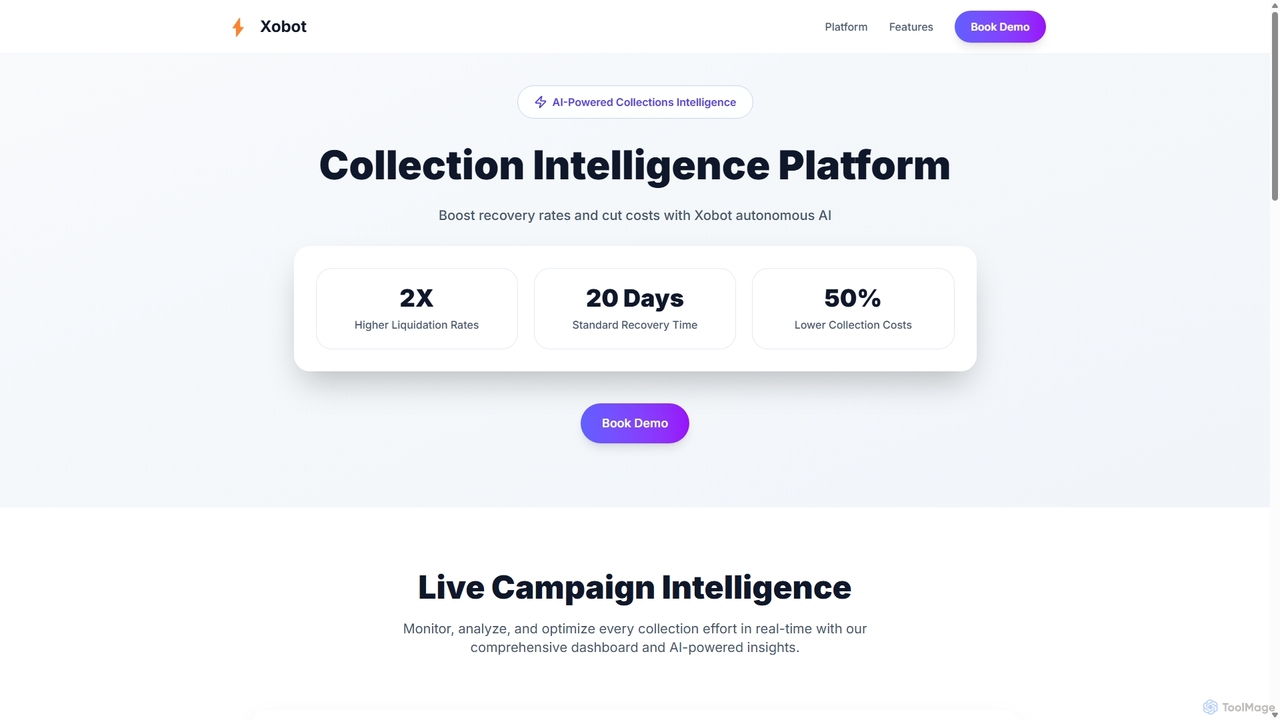
Xobot is an AI-powered Collection Intelligence Platform designed to revolutionize debt recovery. It leverages a proprietary Large Collection …

3.4K
CelesteAI

CelesteAI

CelesteAI is an agentic AI platform designed for SMB lenders to automate and optimize debt and payment collection. …

4.1K
TrueAccord

TrueAccord

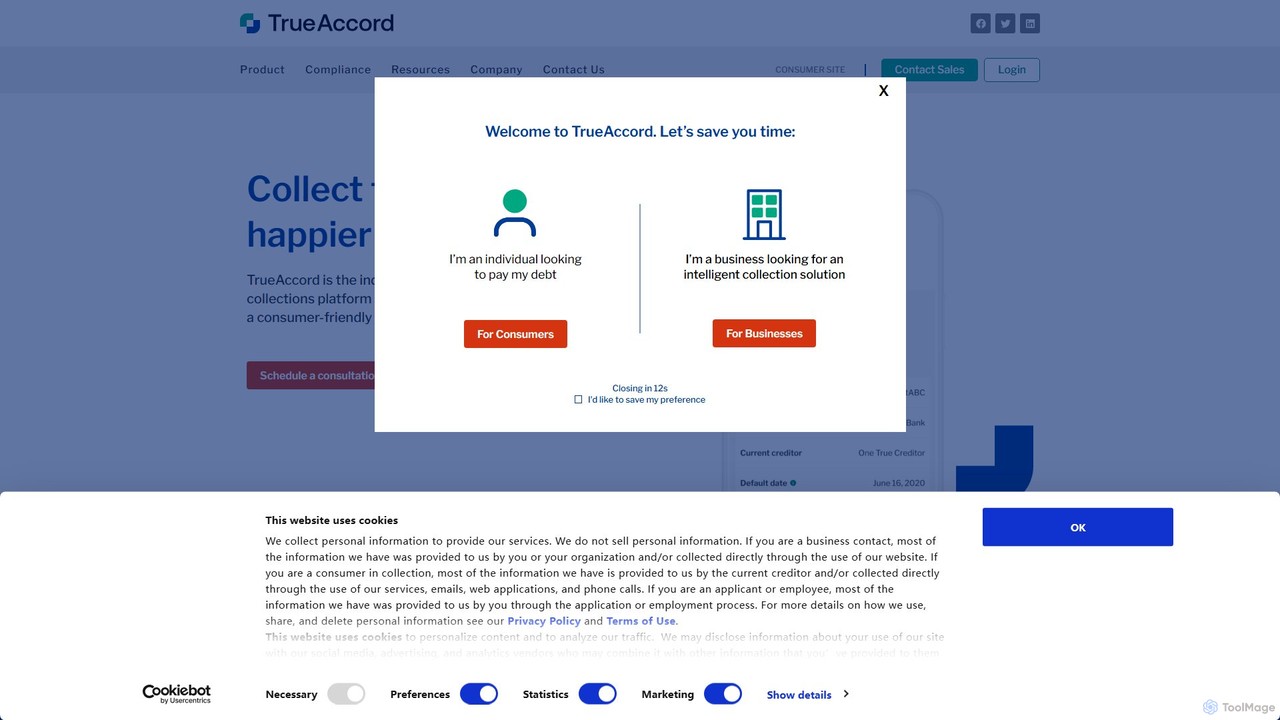
TrueAccord is an AI-powered debt collection platform that uses machine learning to automate and personalize the recovery process. …

507.7K
BellmanLoop

BellmanLoop

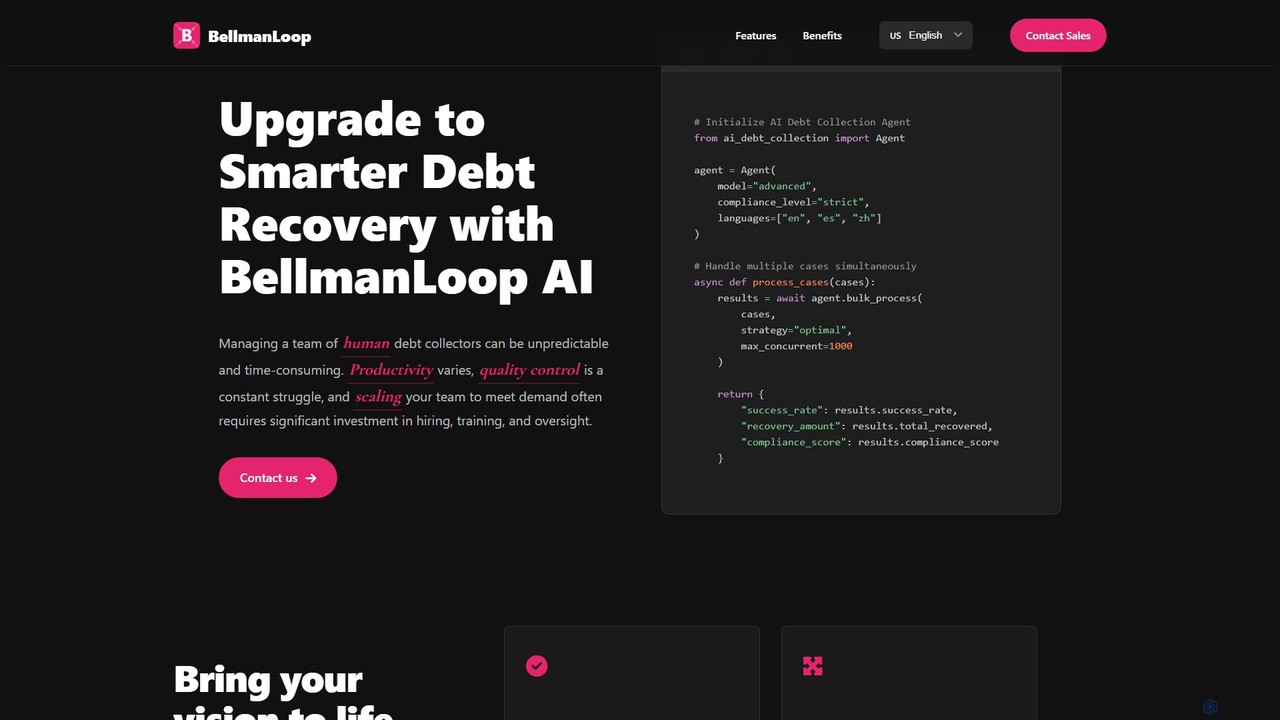
BellmanLoop is an AI-powered platform for smart, scalable, and cost-effective debt collection. It automates the recovery process, using …

2.8K
Paymefy

Paymefy

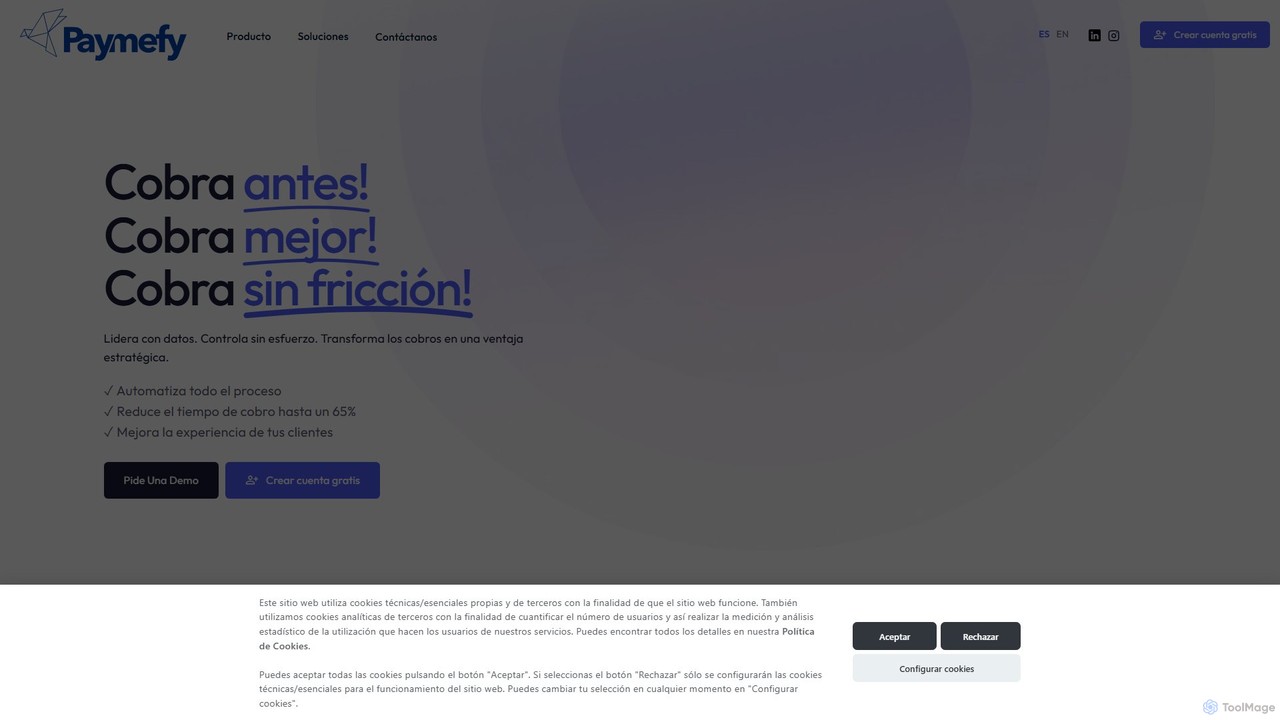
Paymefy is an AI-powered platform designed to optimize the management of unpaid invoices and debt collection. It uses …

3.6K

About Debt Collection

AI Debt Collection tools are specialized software that leverage artificial intelligence to automate and optimize the process of recovering overdue payments. These platforms use machine learning models to predict payment likelihood, personalize communication strategies, and determine the most effective contact times and channels. By automating repetitive tasks and providing data-driven insights, these tools help businesses increase recovery rates while reducing operational costs and ensuring regulatory compliance. They represent a significant advancement over traditional, manual collection methods within the broader finance sector.

Core Features

  • Predictive Debtor Scoring: Analyzes historical data to score debtors on their likelihood to pay, prioritizing collection efforts.
  • Automated Outreach: Schedules and sends personalized emails, SMS, and voice messages based on optimal timing and channels.
  • Compliance Management: Monitors communications to ensure adherence to regulations like FDCPA, TCPA, and GDPR.
  • AI-Powered Negotiation: Deploys chatbots to negotiate payment plans with debtors 24/7 within predefined rules.
  • Performance Analytics: Provides dashboards to track key metrics like recovery rates, agent performance, and campaign effectiveness.

Use Cases

These tools are primarily used by financial institutions, dedicated collection agencies, telecommunication companies, and healthcare providers to manage large volumes of delinquent accounts. They are also valuable for subscription-based businesses and e-commerce platforms looking to automate the recovery of failed recurring payments and manage 'buy now, pay later' delinquencies.

How to Choose

When selecting a tool, consider its integration capabilities with your existing CRM or billing systems. Evaluate the sophistication of its predictive models, the level of communication channel customization, and its built-in compliance features for your specific region. Also, assess the reporting and analytics functionalities to ensure they meet your performance tracking needs.

Debt CollectionUse Cases

1

Automating Early-Stage Collections for Lenders

A credit union uses an AI debt collection tool to manage accounts that are 30-60 days past due. The system automatically sends a sequence of personalized SMS and email reminders, with the tone adjusting based on the debtor's payment history. This frees up human agents to focus on more complex, late-stage cases. The AI determines the best time to send messages, increasing open and response rates, and leading to a 15% improvement in early-stage recovery without additional staff.

2

Optimizing Contact Strategy for Collection Agencies

A third-party collection agency manages thousands of accounts for different clients. They use an AI platform to analyze each debtor's profile and predict the most effective communication channel (email, phone call, SMS). The system suggests call times when the debtor is most likely to answer. This data-driven approach replaces a generic, high-volume call strategy, increasing right-party contact rates by 30% and improving overall collection efficiency.

3

Ensuring Compliance in Healthcare Billing

A large hospital network implements an AI debt collection tool to handle overdue patient bills. The platform's primary role is to ensure all communications strictly adhere to healthcare privacy (like HIPAA) and consumer protection laws. It automatically redacts sensitive information, logs every interaction for audit trails, and uses pre-approved communication templates. This minimizes the risk of costly compliance violations while gently guiding patients toward payment options.

4

Reducing Churn for Subscription Services

A SaaS company faces involuntary churn due to failed recurring credit card payments. They integrate an AI tool that automatically initiates a 'dunning' campaign. The tool sends smart reminders, prompts users to update their payment information, and can even offer a one-time discount to retain the customer. This automated process recovers over 40% of failed payments, directly reducing churn and preserving subscription revenue.

5

Managing High-Volume Utility Bill Collections

A regional utility company deals with a high volume of small, overdue accounts each month. An AI system segments debtors based on risk and payment probability. Low-risk customers receive automated reminders and links to self-service payment portals. High-risk accounts are automatically flagged and prioritized for human agent follow-up. This segmentation allows the company to manage collections at scale with a small team, significantly lowering the cost-to-collect.

6

AI-Powered Negotiation for Payment Plans

A financial services firm uses an AI-powered chatbot on its payment portal. When debtors visit the site, the chatbot engages them in a conversation to set up a manageable payment plan. The bot is programmed with the firm's negotiation rules, allowing it to offer flexible installment options within predefined limits. This provides a non-confrontational, 24/7 channel for debtors to resolve their accounts, increasing the number of active payment plans by 25%.

Debt CollectionFrequently Asked Questions