Finance Best in category 3 results Financial Management AI Tool

Popular AI tools in the Financial Management field of Finance include Nume、Well、Agatha Core, etc., helping you quickly improve efficiency.

Agatha Core

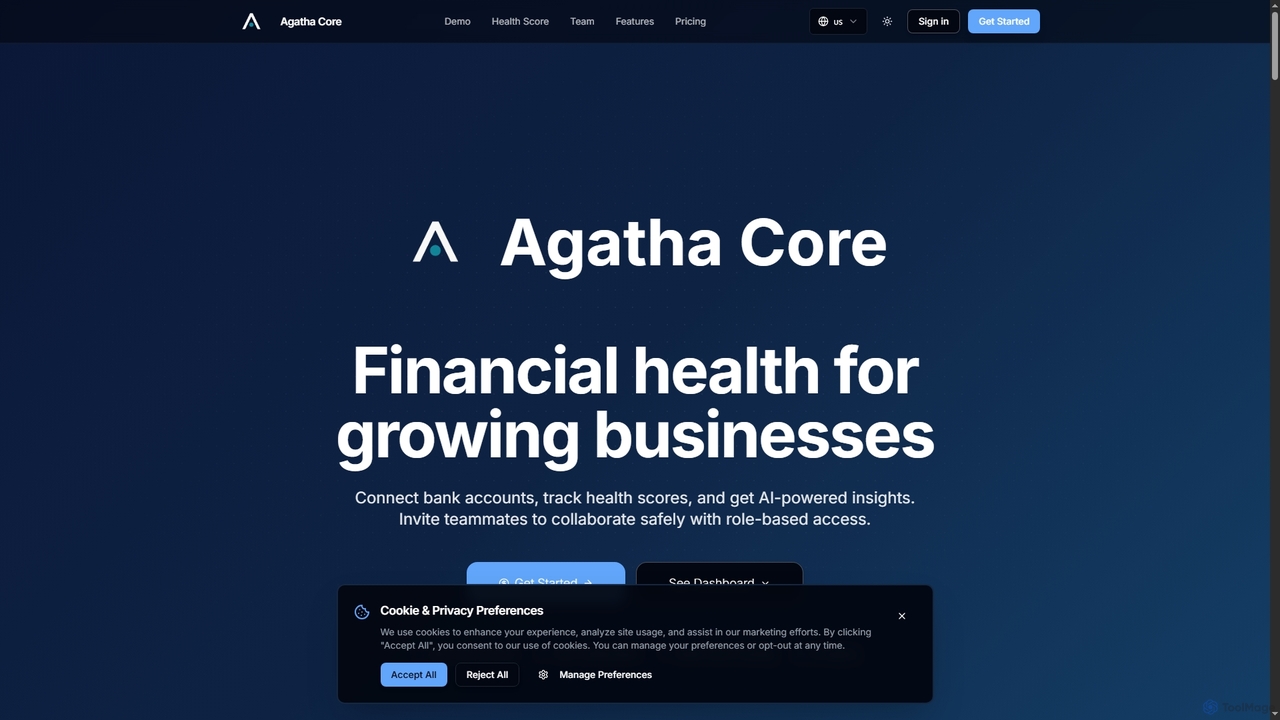
Agatha Core

Agatha Core is an AI-powered financial management platform designed for growing businesses. It connects bank accounts, tracks financial …

3.0K
Well

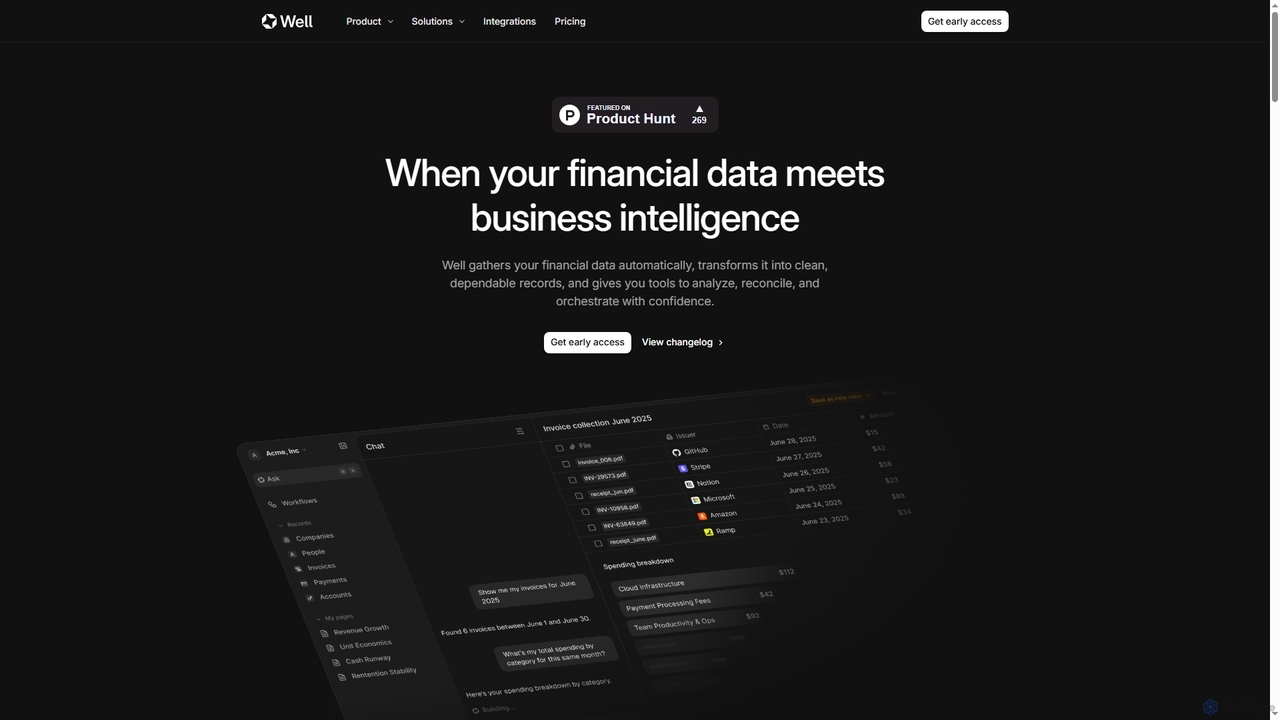
Well

Well is an AI-native business intelligence platform designed for SMBs, automating financial data gathering, transformation, and analysis. It …

6.7K
Nume

Nume

Nume is an AI-powered Chief Financial Officer (CFO) designed for startup founders. It automates financial monitoring, generates instant …

36.6K

About Financial Management

AI Financial Management tools are a class of software designed to automate and optimize financial operations for businesses and individuals. These tools leverage machine learning to process transactions, manage expenses, and generate insightful reports with high accuracy. They streamline routine tasks like bookkeeping and invoicing, providing clear visibility into cash flow and supporting data-driven financial decisions. Unlike broader financial analysis platforms, their primary focus is on the efficient management of day-to-day accounting, budgeting, and financial workflows.

Core Features

  • Automated Bookkeeping: Automatically categorizes transactions from bank feeds and records them in the general ledger.
  • Intelligent Invoicing: Creates, sends, and tracks invoices, often including automated payment reminders.
  • Expense Management: Captures receipt data, classifies spending, and enforces budget policies automatically.
  • Cash Flow Forecasting: Uses historical data and AI models to predict future financial positions and liquidity.
  • Real-time Reporting: Generates dynamic financial statements, dashboards, and key performance indicators (KPIs).

Use Cases

These tools are widely used by small and medium-sized enterprises (SMEs) to automate their entire accounting cycle. Freelancers and consultants rely on them for simplified invoicing and expense tracking. Corporate finance departments also deploy them to streamline specific processes like accounts payable or employee expense reporting, enhancing efficiency and compliance.

How to Choose

When selecting a tool, consider its integration capabilities with your existing bank accounts, payroll, and ERP systems. Evaluate its scalability to ensure it can grow with your business needs. Assess the specific features offered, such as multi-currency support or project-based accounting. Finally, verify its security protocols and compliance with financial data regulations like GDPR or SOC 2.

Financial ManagementUse Cases

1

Automated Expense Reporting for Sales Teams

A sales manager needs to process dozens of expense reports from their team each month. The manual process is slow, prone to errors, and delays reimbursements. By implementing an AI financial management tool, sales representatives can simply take photos of their receipts. The AI uses Optical Character Recognition (OCR) to extract data like vendor, date, and amount, automatically categorizes the expense, and checks it against company policy. This reduces the approval workflow from weeks to days, ensures compliance, and frees up both the sales team and finance department from tedious administrative work.

2

Streamlining Accounts Payable for Small Businesses

A small business owner struggles with manually processing supplier invoices, leading to late payments and missed early payment discounts. An AI financial management tool can automate this entire workflow. It captures invoices from emails, extracts key information, matches them with purchase orders, and routes them for approval. Once approved, payments can be scheduled directly from the platform. This automation saves significant administrative time, reduces the risk of human error, and helps maintain better relationships with suppliers through prompt payments.

3

Cash Flow Forecasting for Startups

A startup founder needs to manage their cash runway meticulously to ensure long-term viability. Using an AI financial management tool, they can connect their bank accounts and accounting software to get a real-time view of their finances. The AI analyzes historical income and expense patterns to generate accurate cash flow forecasts. It can model different scenarios, such as a new major client or a delay in funding, helping the founder make proactive decisions about hiring, spending, and fundraising strategy to avoid potential cash shortages.

4

Automated Invoicing for Freelancers

A freelance designer manages multiple projects simultaneously and finds it challenging to create and send invoices on time. An AI financial management tool automates this process. It can generate professional invoices based on project milestones or tracked hours. The system sends the invoices to clients automatically and can also send polite follow-up reminders for overdue payments. This ensures a consistent and professional billing process, improves cash flow by reducing payment delays, and allows the freelancer to focus on creative work instead of administrative tasks.

5

Real-time Financial Dashboard for Management

A CEO needs an immediate, high-level overview of the company's financial health to make strategic decisions, but traditional monthly reports are often outdated. An AI financial management platform aggregates data from accounting, sales, and banking systems into a single, interactive dashboard. It visualizes key metrics like Monthly Recurring Revenue (MRR), customer acquisition cost, and profit margins in real-time. This empowers leadership to spot trends, identify potential issues, and make informed decisions quickly, without waiting for the finance team to compile manual reports.

6

Automating Bank Reconciliation

An accountant spends days at the end of each month manually matching hundreds or thousands of transactions between the company's books and its bank statements. This process is tedious and prone to error. An AI financial management tool automates bank reconciliation by connecting directly to bank feeds. It uses machine learning to intelligently match transactions, even those with slight variations in descriptions. The system flags only the few exceptions that require human review, reducing the time spent on reconciliation by over 90% and allowing the accountant to focus on more strategic financial analysis.

Financial ManagementFrequently Asked Questions