
Finance Best in category 1 results Mobile Payments AI Tool

Popular AI tools in the Mobile Payments field of Finance include Wave, etc., helping you quickly improve efficiency.

Wave

Wave

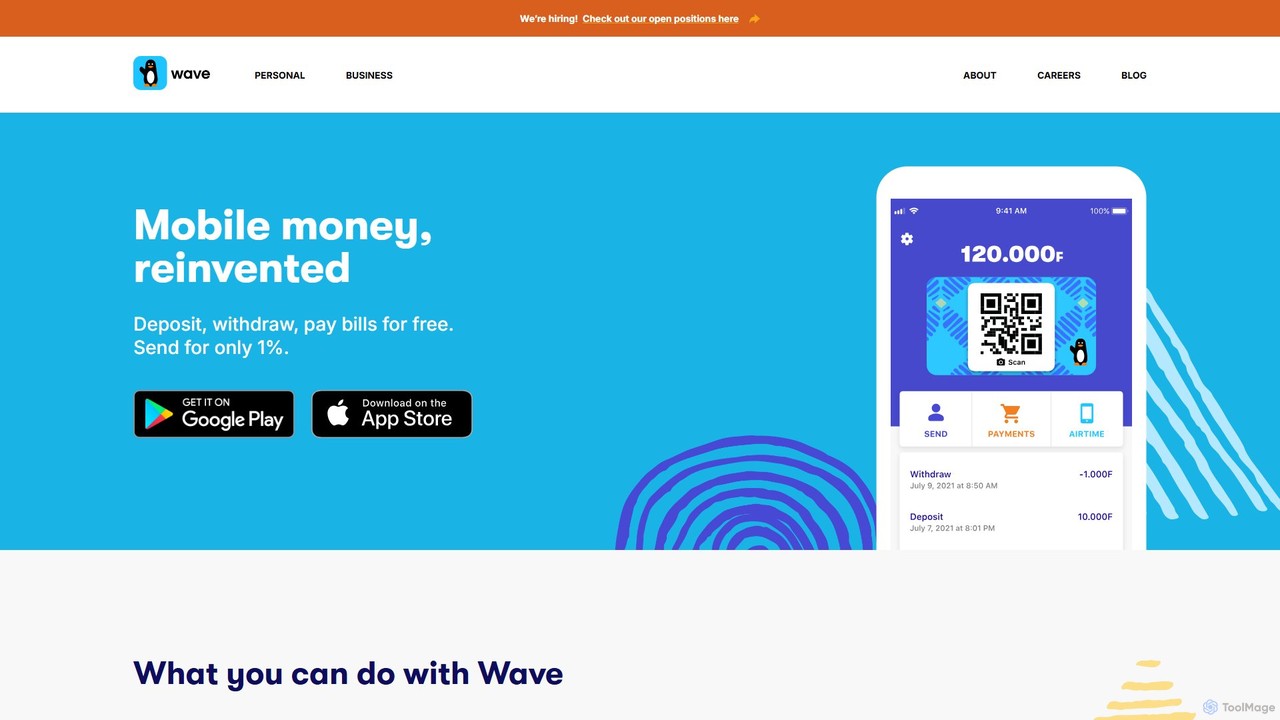
Wave is a revolutionary mobile money service designed for Africa, offering free deposits, withdrawals, and bill payments. It …

515.2K

About Mobile Payments

Mobile Payments tools are applications that facilitate financial transactions using a mobile device, such as a smartphone or tablet. They leverage technologies like Near Field Communication (NFC), QR codes, and digital wallets to enable fast and secure payments. These tools streamline the checkout process for both online and in-person purchases, enhancing convenience for consumers and operational efficiency for businesses. Many modern platforms incorporate AI to provide real-time fraud detection, personalized customer offers, and robust biometric authentication.

Core Features

  • Contactless Transactions: Enables tap-to-pay functionality using NFC or scannable QR codes for quick checkouts.
  • Digital Wallet Integration: Securely stores credit cards, debit cards, loyalty programs, and tickets in one place.
  • AI-Powered Fraud Detection: Analyzes transaction patterns in real-time to identify and prevent fraudulent activity.
  • Biometric Authentication: Uses fingerprint, facial recognition, or voiceprints to authorize payments securely.
  • Peer-to-Peer (P2P) Transfers: Allows users to send money directly to other individuals from their mobile device.

Use Cases

Mobile payment solutions are widely adopted in the retail sector to accelerate point-of-sale transactions and reduce queues. They are also essential in the hospitality industry for tableside payments and in transportation for seamless ticketing. E-commerce businesses integrate them to simplify the mobile checkout experience, reducing cart abandonment.

How to Choose

When selecting a mobile payment tool, evaluate its security features, including encryption standards and AI-driven fraud prevention. Consider the transaction fees and pricing structure. Check for compatibility with your existing Point of Sale (POS) systems and e-commerce platforms. Finally, assess the range of accepted payment methods and currencies to ensure it meets your customer base's needs.

Mobile PaymentsUse Cases

1

Streamlining Retail In-Store Checkout

For retail store managers, long queues at the checkout counter can lead to customer frustration and lost sales. By implementing a mobile payment system with NFC and QR code capabilities, cashiers can process transactions significantly faster. A customer simply taps their smartphone or scans a code, authenticates with Face ID or a fingerprint, and the payment is complete in seconds. This reduces wait times, improves the customer experience, and allows staff to focus on other value-added tasks.

2

Facilitating Peer-to-Peer (P2P) Money Transfers

Individuals often need to split bills, pay back friends, or send money to family quickly. Mobile payment apps with P2P functionality eliminate the need for cash or complicated bank transfers. A user can simply select a contact, enter the amount, and send the money instantly. The funds are typically available in the recipient's account immediately or within a short period. This is ideal for social situations like splitting a dinner bill, sharing rent costs, or sending a gift.

3

Securing E-commerce Mobile Purchases

For e-commerce businesses, reducing cart abandonment on mobile devices is a major priority. Mobile payment tools integrated into shopping apps or websites offer a one-click payment experience. Instead of manually entering credit card details and shipping addresses, customers can use their stored digital wallet information. AI-powered security features, such as real-time transaction monitoring and biometric verification, build customer trust and protect the business from fraudulent chargebacks, creating a secure and seamless shopping journey.

4

Accepting Payments for Small Businesses and Pop-ups

Small businesses, market vendors, or pop-up shops often lack the infrastructure for traditional credit card terminals. Mobile payment solutions allow these entrepreneurs to accept card payments using only a smartphone or tablet. By generating a QR code or using a simple mobile card reader, they can offer customers a convenient and secure payment option. This broadens their customer base beyond cash-only buyers and provides a professional, modern image for the business.

5

Automating In-App Subscriptions and Recurring Payments

For developers of mobile apps offering subscription-based services, managing recurring payments is critical. Mobile payment SDKs and APIs can be integrated directly into an app to handle automated billing cycles. Users can subscribe with a single tap using their stored payment information. The system then automatically charges them on a monthly or annual basis, sending notifications and handling failed payments. This ensures a steady revenue stream for the developer and a hassle-free experience for the user.

6

Enhancing Security with AI-Powered Fraud Alerts

Financial institutions and payment providers use AI to protect their customers from fraud. AI algorithms analyze millions of transactions in real-time, identifying unusual patterns such as purchases from a new location, unusually large transactions, or rapid successive payments. When a suspicious activity is detected, the system can automatically block the transaction and send an instant alert to the user's mobile device. This allows the user to immediately confirm or deny the transaction, preventing financial loss and enhancing overall security.

Mobile PaymentsFrequently Asked Questions