Finance Best in category 3 results Mortgage AI Tool

Popular AI tools in the Mortgage field of Finance include Snapdocs、Getapproval、houmify, etc., helping you quickly improve efficiency.

Free
Getapproval

Getapproval

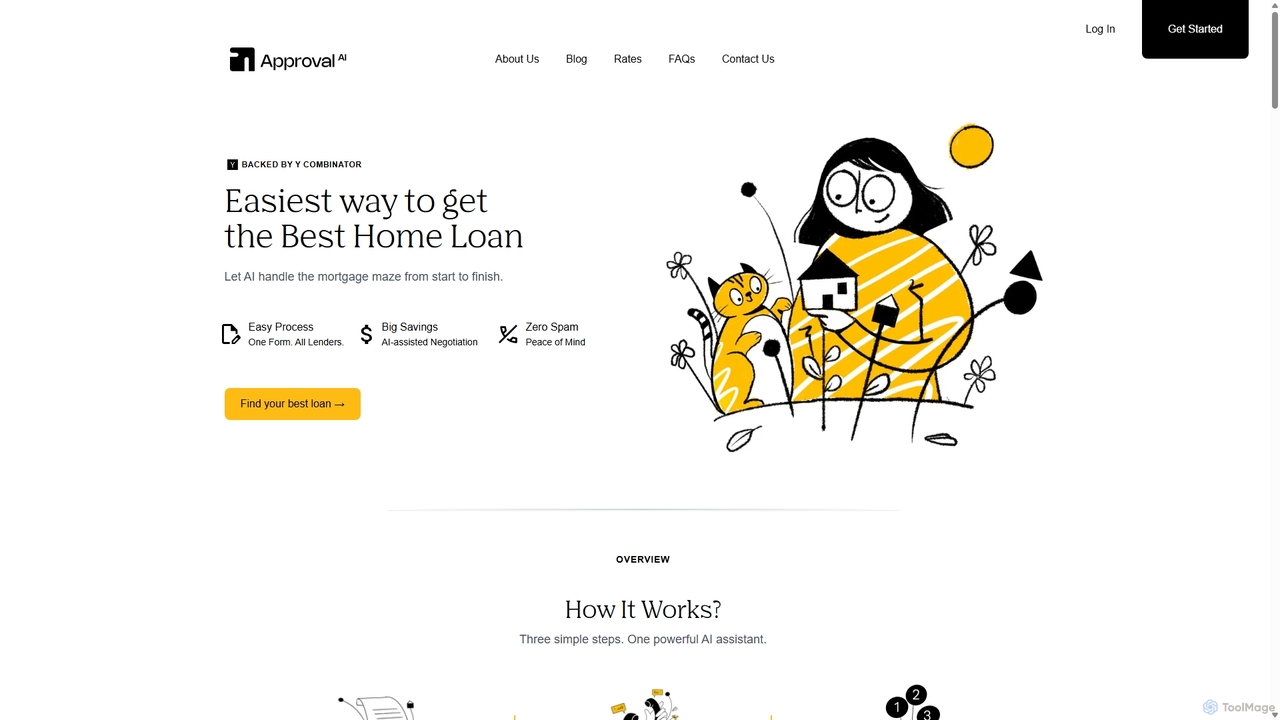
Getapproval is an AI-powered platform that simplifies the home loan process. It uses an AI assistant to shop …

2.9K
Snapdocs

Snapdocs

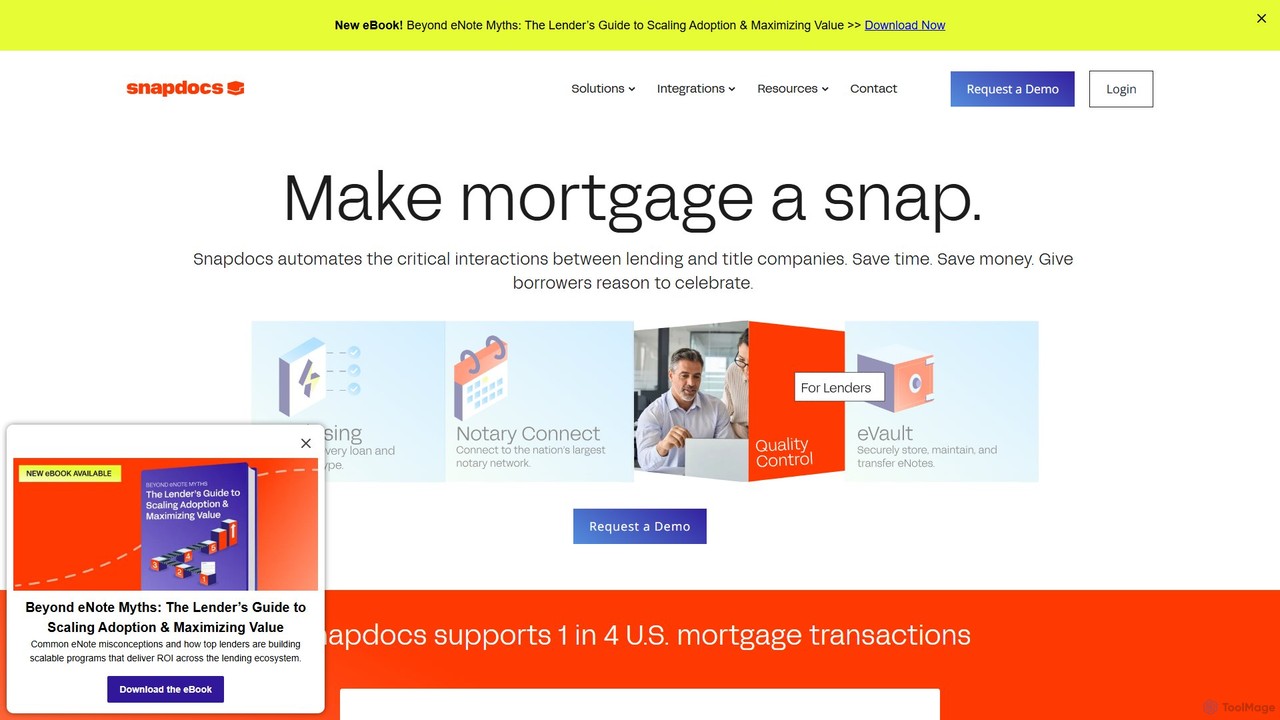
Snapdocs is the mortgage industry's leading eClosing platform, automating the entire closing process. It connects lenders, title companies, …

918.7K
houmify

houmify

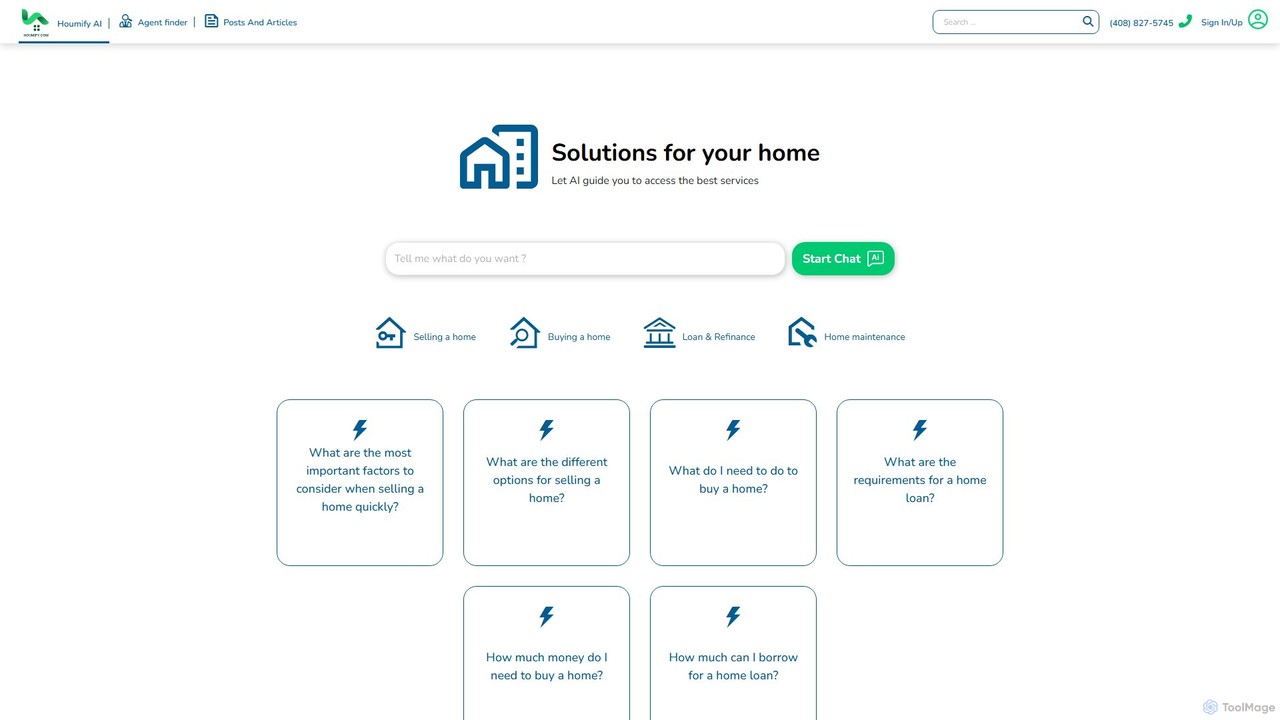
Houmify is an AI-powered real estate platform that connects homebuyers, sellers, and investors with a network of trusted …

2.9K

About Mortgage

AI Mortgage tools are specialized software solutions that leverage artificial intelligence to automate and enhance various stages of the mortgage lifecycle. These platforms utilize machine learning models and natural language processing to analyze borrower data, verify documents, and assess risk with high precision. Their primary value lies in accelerating loan origination, reducing manual errors, improving underwriting accuracy, and ensuring regulatory compliance. By streamlining complex workflows, these tools enable lenders to provide faster, more transparent, and reliable services to borrowers.

Core Features

  • Automated Underwriting: Uses AI to analyze credit scores, income, assets, and property details to provide instant, data-driven loan eligibility assessments.
  • Intelligent Document Processing (IDP): Automatically extracts and verifies information from pay stubs, bank statements, and tax returns, minimizing manual data entry.
  • Predictive Risk Modeling: Employs machine learning to forecast the probability of loan delinquency or default based on thousands of data points.
  • Compliance Monitoring: Continuously scans loan files and processes to ensure adherence to industry regulations like TILA, RESPA, and Fair Lending laws.
  • Property Valuation Analysis: Analyzes property data and market trends to assist in automated valuation models (AVMs) and appraisal reviews.

Use Cases

AI Mortgage tools are primarily used by financial institutions such as banks, credit unions, and mortgage lenders. Loan officers, underwriters, and compliance teams utilize these systems to streamline the entire process from pre-qualification and application to closing. They are crucial for high-volume lending operations seeking to increase efficiency, reduce operational costs, and manage risk more effectively.

How to Choose

When selecting an AI Mortgage tool, consider its integration capabilities with your existing Loan Origination System (LOS). Evaluate the accuracy and transparency of its AI models for underwriting and risk assessment. Ensure the platform offers robust data security and is fully compliant with financial regulations. Finally, assess the user interface for ease of use by your loan officers and underwriting teams, as well as the quality of customer support provided.

MortgageUse Cases

1

Automating Loan Origination and Processing

For loan processing teams at a regional bank, managing the influx of mortgage applications involves significant manual data entry and document verification. By implementing an AI Mortgage tool, processors can automate the extraction of data from application forms, pay stubs, and bank statements. The AI system cross-references information for consistency and flags discrepancies instantly. This reduces the time spent per application from hours to minutes, allowing the team to handle a higher volume of loans with greater accuracy and freeing up staff to focus on complex cases and customer interaction.

2

AI-Powered Underwriting Decision Support

An underwriter at a large mortgage lending firm needs to assess the risk of hundreds of loan files weekly. Using an AI-powered underwriting tool, they can instantly get a comprehensive risk profile for each applicant. The AI analyzes thousands of data points, including credit history, debt-to-income ratio, and property valuation data, far beyond human capacity. It provides a recommended decision (approve, deny, or refer for manual review) with a clear explanation of the contributing factors. This allows the underwriter to make faster, more consistent, and data-backed decisions, significantly reducing the risk of default and ensuring fair lending practices.

3

Predictive Modeling for Delinquency Risk

A risk management department at a financial institution is tasked with proactively managing its mortgage portfolio. They use an AI tool with predictive risk modeling capabilities. The system analyzes historical loan performance data, macroeconomic indicators, and borrower behavior patterns to identify loans with a high probability of future delinquency. This allows the risk team to intervene early with proactive outreach, such as offering refinancing options or temporary payment relief, thereby reducing overall portfolio risk and improving customer retention.

4

Automating Property Appraisal Reviews

An appraisal review specialist at a credit union is responsible for ensuring property valuations are accurate and supported by market data. Using an AI tool, they can automate the initial review process. The AI scans appraisal reports, extracts key data points (like comparable sales and property features), and cross-references them against public records and market data feeds in real-time. It flags potential overvaluations, inconsistencies, or missing information, allowing the specialist to focus their expertise on the most complex or high-risk appraisals, improving accuracy and reducing turnaround times.

5

Enhancing Borrower Communication with Chatbots

A mortgage company aims to improve its customer service and reduce call volume for its support team. They deploy an AI-powered chatbot on their website and borrower portal. The chatbot is trained on a vast knowledge base of mortgage-related topics. It can instantly answer common questions about loan statuses, required documents, and payment schedules 24/7. For more complex inquiries, it can seamlessly escalate the conversation to a human agent. This provides immediate support to borrowers, enhances their experience, and allows human agents to focus on high-value, consultative interactions.

6

Automating Compliance and Fraud Detection

A compliance officer at a national lender needs to ensure every loan application adheres to strict anti-money laundering (AML) and fair lending regulations. They use an AI mortgage tool that automatically screens applications against various watchlists and databases. The AI also analyzes application data for patterns indicative of fraud, such as inconsistent income figures or suspicious employment history. It generates alerts for the compliance officer to review, creating a detailed audit trail. This automates a time-consuming manual process, strengthens the lender's compliance posture, and significantly reduces the risk of financial crime.

MortgageFrequently Asked Questions