Finance Best in category 2 results Payments AI Tool

Popular AI tools in the Payments field of Finance include Nevermined、Plink, etc., helping you quickly improve efficiency.

Plink

Plink

Plink is a commerce automation platform designed for local small businesses. It leverages "smart transaction" technology to create …

5.5K
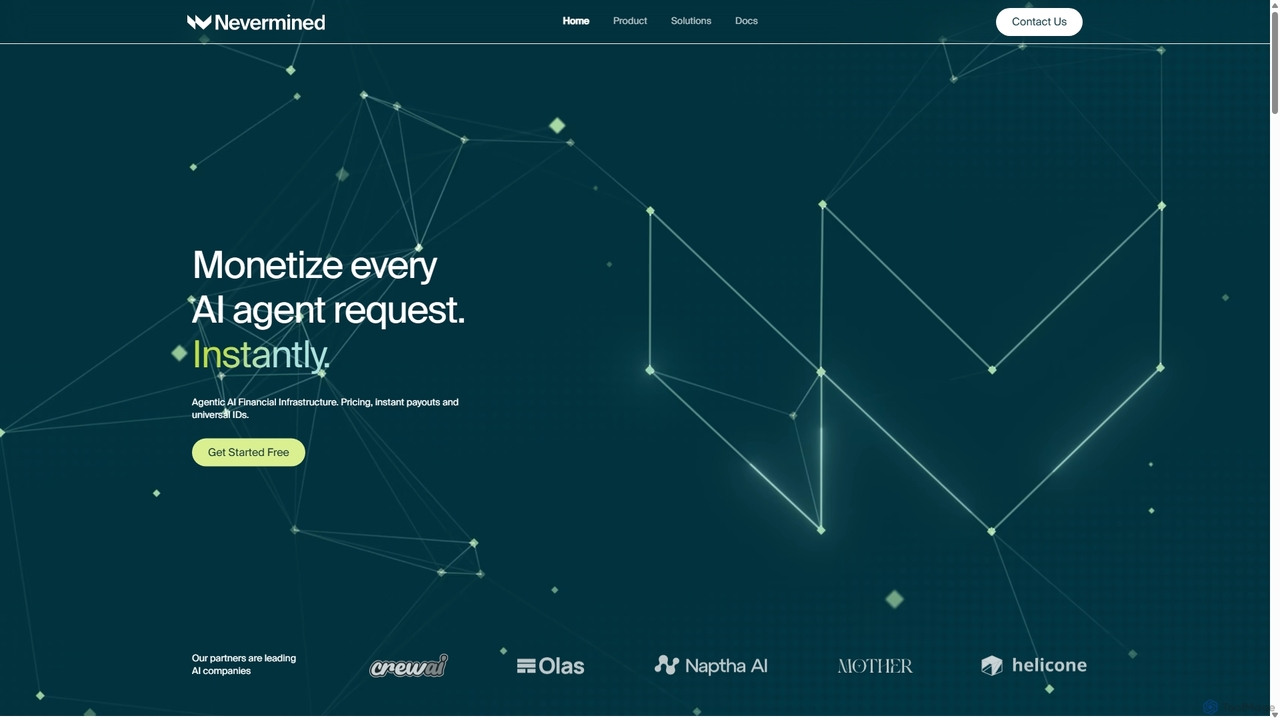
Nevermined

Nevermined

Nevermined is a specialized billing and payments infrastructure designed for the AI economy. It enables developers and businesses …

12.0K

About Payments

AI-powered Payments tools streamline financial transactions and management by leveraging artificial intelligence. These tools utilize machine learning to automate processes like fraud detection, reconciliation, and personalized payment experiences. They enhance security, reduce operational costs, and provide valuable insights into financial flows for businesses of all sizes.

Core Features

  • Automated Reconciliation: Automatically matches transactions across various accounts and systems, reducing manual effort and errors.
  • Fraud Detection & Prevention: Employs AI algorithms to identify suspicious patterns and anomalies in real-time, minimizing financial risks.
  • Personalized Payment Experiences: Analyzes user behavior to offer customized payment options and optimize checkout flows.
  • Dynamic Pricing & Billing: Adjusts pricing models and automates complex billing cycles based on market conditions or customer segments.
  • Predictive Analytics for Cash Flow: Forecasts future cash inflows and outflows, enabling proactive financial planning and liquidity management.

Applicable Scenarios

Businesses across e-commerce, SaaS, and traditional retail leverage AI payment tools to optimize their financial operations. E-commerce platforms use them for secure, seamless checkout processes and fraud prevention. SaaS companies automate subscription billing and revenue recognition. Financial institutions deploy them for enhanced security and compliance, while also gaining deeper insights into customer spending habits.

How to Choose

When selecting AI payment tools, consider the scope of your financial operations, including transaction volume and complexity. Evaluate integration capabilities with existing ERP or CRM systems, ensuring seamless data flow. Assess the robustness of fraud detection features and compliance with industry regulations. Finally, compare pricing models and the level of customization offered to align with your specific business needs and budget.

PaymentsUse Cases

1

Real-time Fraud Prevention for E-commerce

E-commerce businesses face constant threats from fraudulent transactions. AI payment tools analyze vast amounts of data, including transaction history, user behavior, and device information, in real-time to detect and flag suspicious activities. This allows merchants to block fraudulent payments before they are processed, significantly reducing chargebacks and financial losses, while ensuring legitimate customers experience smooth transactions.

2

Automating Subscription Billing for SaaS

SaaS companies manage complex recurring billing cycles with varying plans, upgrades, and downgrades. AI payment platforms automate the entire subscription lifecycle, from initial sign-up and recurring charges to prorated billing for changes and dunning management for failed payments. This ensures accurate revenue recognition, reduces manual administrative burden, and improves customer retention by proactively addressing payment issues.

3

Optimizing Payment Gateways for Global Retail

Global retailers need to offer diverse payment options and optimize transaction success rates across different regions. AI payment tools intelligently route transactions through the most efficient and cost-effective payment gateways based on factors like currency, location, and payment method. This minimizes processing fees, increases conversion rates by reducing failed transactions, and provides customers with their preferred local payment methods.

4

Streamlining Accounts Receivable Reconciliation

Finance departments often spend significant time manually reconciling incoming payments with invoices. AI-powered payment solutions automate this process by matching bank statements with outstanding invoices, identifying discrepancies, and flagging exceptions for review. This drastically reduces the time spent on reconciliation, improves accuracy, and provides a clearer, real-time view of cash flow and outstanding receivables.

5

Personalizing Checkout Experiences for Mobile Apps

Mobile app developers aim to reduce cart abandonment by offering a frictionless and personalized checkout. AI payment tools analyze user preferences and past behavior to suggest preferred payment methods, pre-fill details, and offer relevant one-click payment options. This tailored approach simplifies the payment process, enhances user satisfaction, and significantly boosts conversion rates within the app.

6

Predictive Cash Flow Forecasting for SMEs

Small and medium-sized enterprises (SMEs) often struggle with accurate cash flow management. AI payment tools integrate with accounting systems to analyze historical payment data, predict future inflows and outflows, and identify potential liquidity gaps. This enables SMEs to make informed financial decisions, manage working capital more effectively, and avoid unexpected cash shortages, supporting sustainable growth.

PaymentsFrequently Asked Questions