Casha
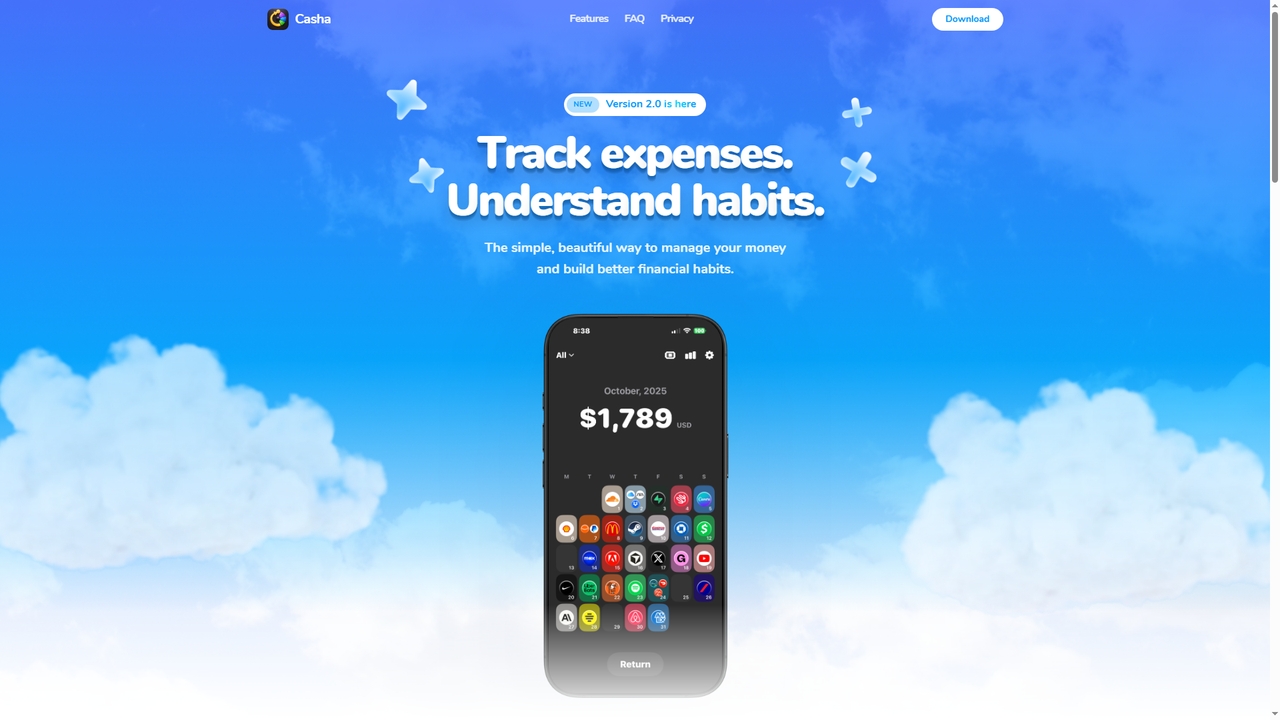
Casha is a beautifully designed, privacy-focused expense tracker for iOS. It helps you easily log daily expenses, organize …
Casha is a beautifully designed, privacy-focused expense tracker for iOS. It helps you easily log daily expenses, organize spending by category, and visualize your financial habits through interactive calendars and detailed charts. Your data stays secure on your device, syncing only via your personal iCloud.
X Money
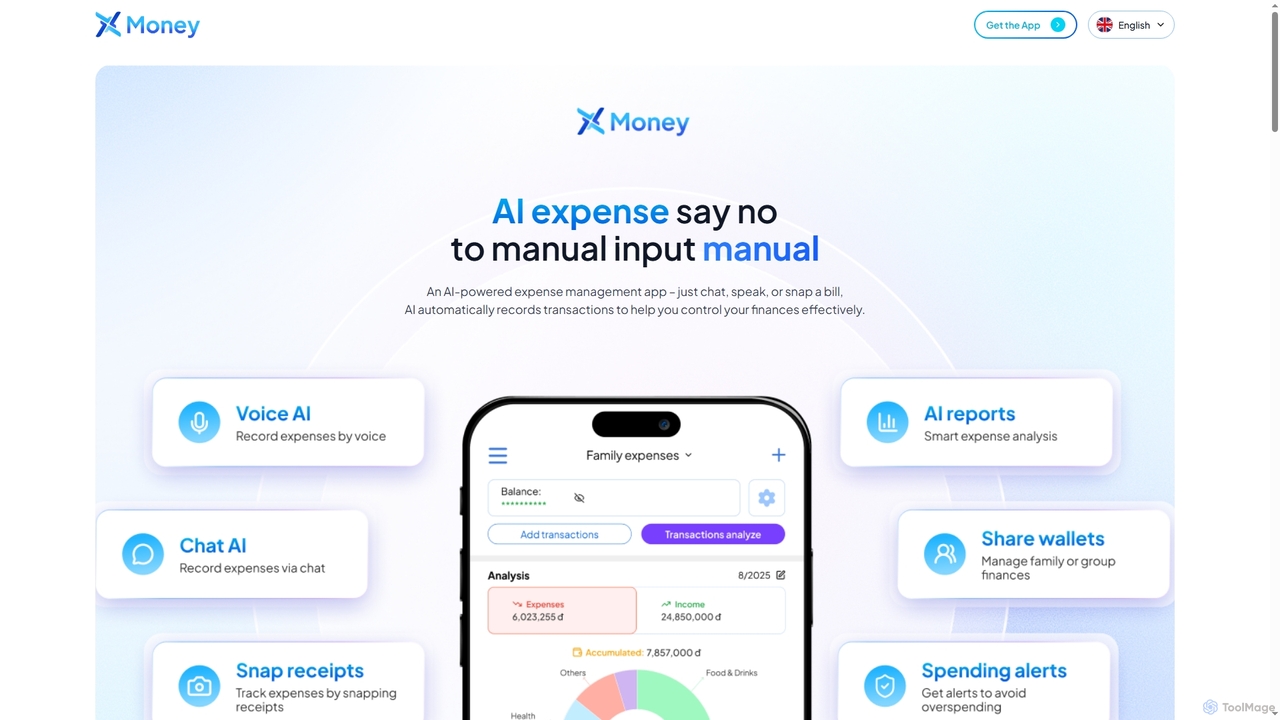
X Money is an AI-powered expense management app that eliminates manual data entry. Log transactions effortlessly via chat, …
X Money is an AI-powered expense management app that eliminates manual data entry. Log transactions effortlessly via chat, voice, or by snapping a photo of a receipt. It automatically categorizes expenses, supports shared wallets, and provides smart spending alerts to help you control your finances effectively.
budJet
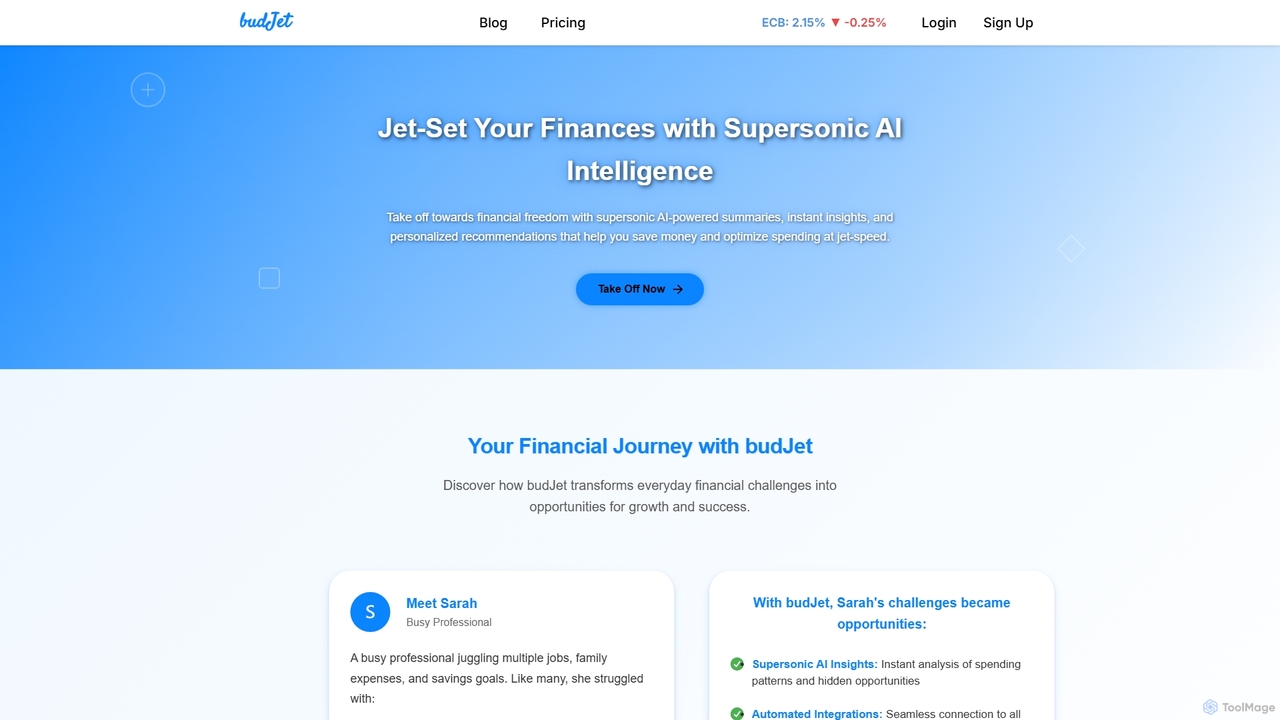
budJet is an AI-powered personal finance management app designed to help users achieve financial freedom. It offers supersonic …
budJet is an AI-powered personal finance management app designed to help users achieve financial freedom. It offers supersonic AI insights, automated bank integrations, and personalized recommendations to optimize spending, save money, and track financial goals effortlessly. Available on iOS and Android, budJet simplifies complex financial challenges into actionable opportunities for growth.
Timmy
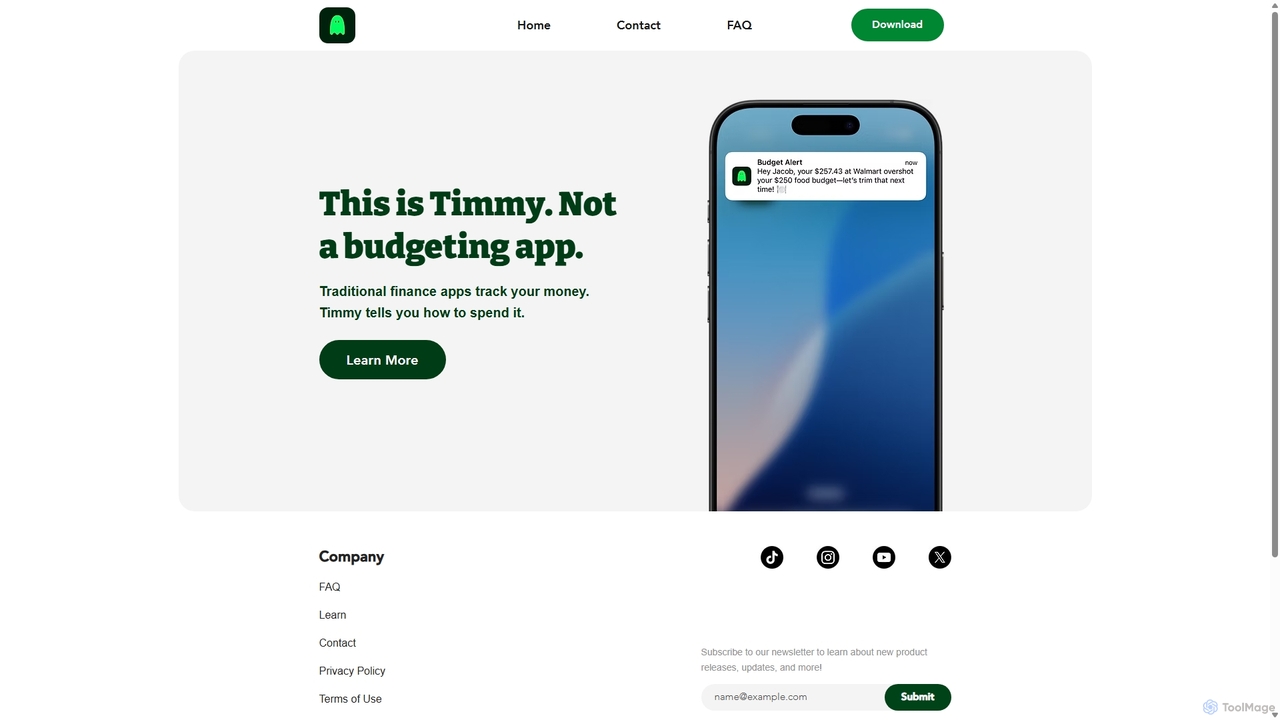
Timmy is an AI-powered spending buddy, not a traditional budgeting app. It connects to your bank account, analyzes …
Timmy is an AI-powered spending buddy, not a traditional budgeting app. It connects to your bank account, analyzes your spending, and provides proactive suggestions on how to spend smarter to achieve your personalized financial goals.
Nova Money
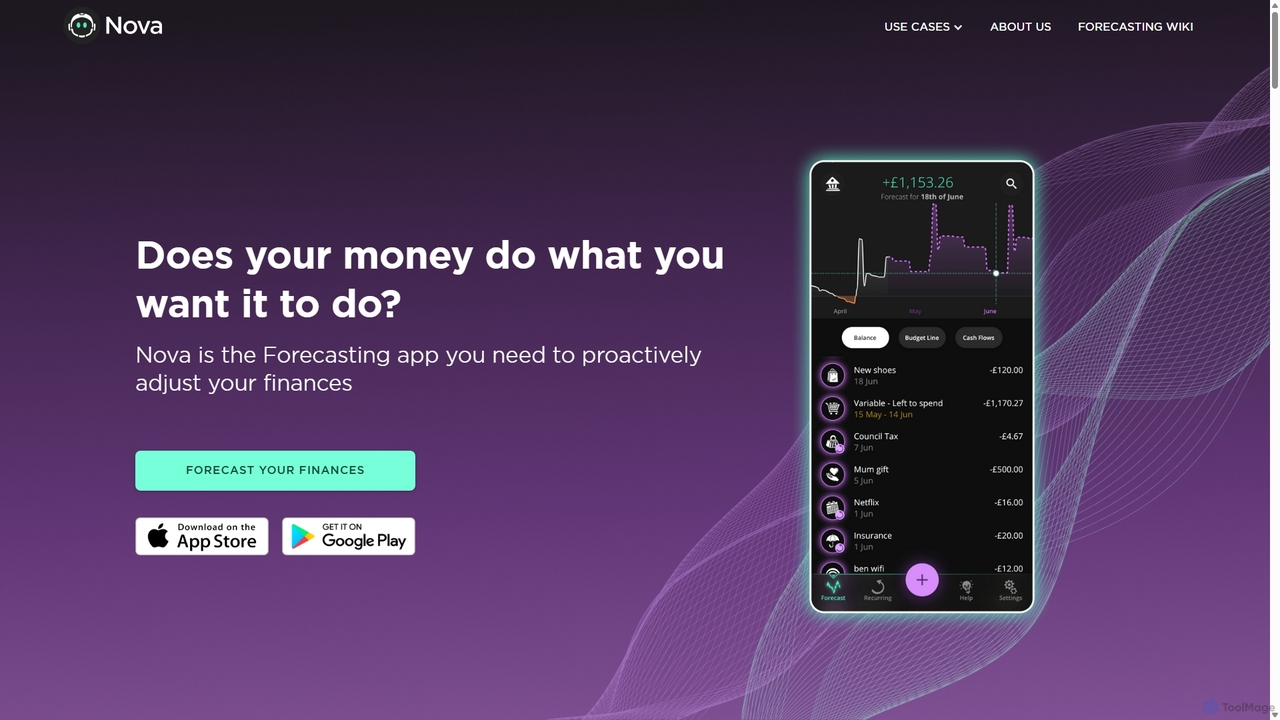
Nova Money is an AI-powered personal finance forecasting app that moves beyond traditional budgeting. It helps users predict …
Nova Money is an AI-powered personal finance forecasting app that moves beyond traditional budgeting. It helps users predict their future financial health, anticipate cash flow, and make informed decisions. By securely connecting all bank accounts, Nova provides a clear, forward-looking view of your finances, enabling you to manage bills, plan purchases, and grow your net worth with confidence. It's designed for anyone seeking to reduce financial anxiety and achieve financial control.
FridgeGuide Ai
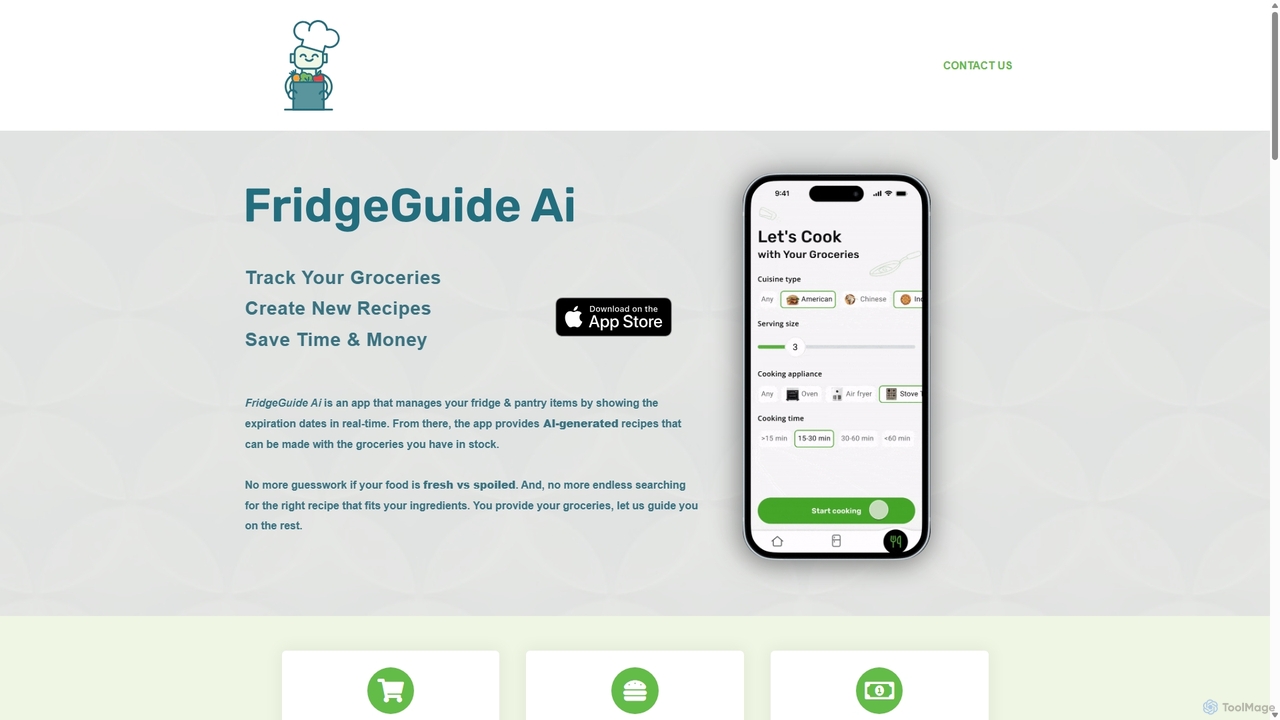
FridgeGuide Ai is an intelligent app that revolutionizes kitchen management. It tracks your groceries and pantry items, monitors …
FridgeGuide Ai is an intelligent app that revolutionizes kitchen management. It tracks your groceries and pantry items, monitors expiration dates in real-time, and generates personalized recipes based on your available ingredients. Its mission is to help you save time, reduce food waste, and cut down on grocery bills, making meal planning effortless and sustainable.

Cleo
Cleo is an AI-powered financial assistant designed to make money management easy and engaging. Through a conversational interface, …
Cleo is an AI-powered financial assistant designed to make money management easy and engaging. Through a conversational interface, Cleo helps you budget, track spending, save for your goals, and understand your financial health. It also offers tools like a secured credit-builder card and personalized debt repayment plans to empower you to take control of your finances with confidence and a bit of humor.
wefire
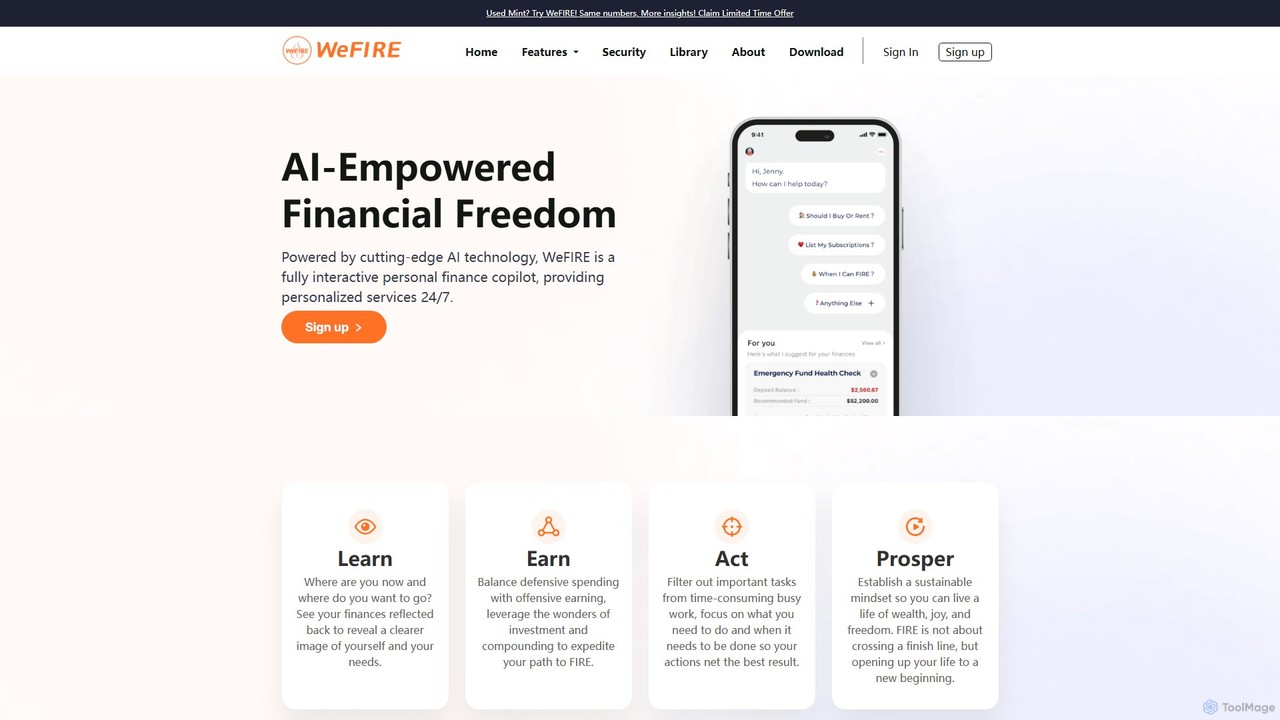
wefire is an AI-powered personal finance copilot designed to help users achieve Financial Independence, Retire Early (FIRE). It …
wefire is an AI-powered personal finance copilot designed to help users achieve Financial Independence, Retire Early (FIRE). It offers personalized financial insights, comprehensive account aggregation, goal tracking, and educational resources to guide users on their journey to financial freedom.
ShopUp
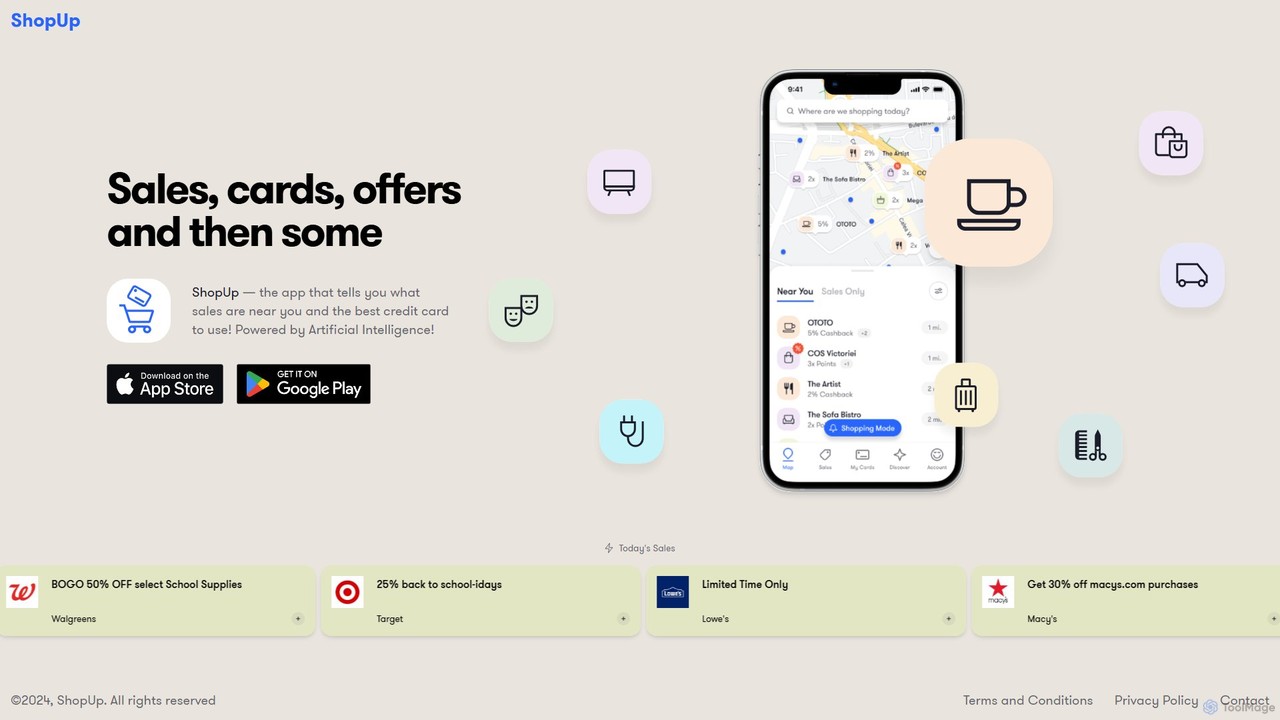
ShopUp is an AI-powered mobile app that helps you discover nearby sales and recommends the best credit card …
ShopUp is an AI-powered mobile app that helps you discover nearby sales and recommends the best credit card to use for each purchase, maximizing your rewards and savings effortlessly.
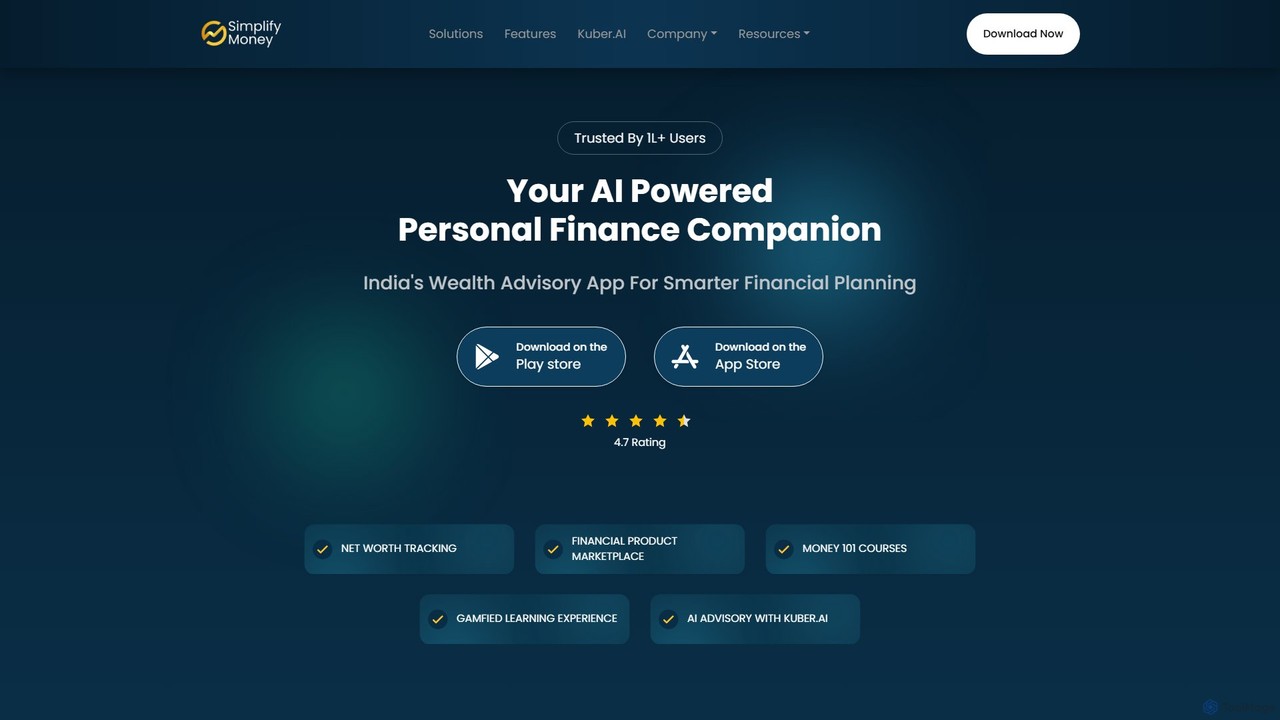
simplifymoney
Simplify Money is an AI-powered personal finance companion designed for Gen Z in India. It combines net worth …
Simplify Money is an AI-powered personal finance companion designed for Gen Z in India. It combines net worth tracking, a financial product marketplace, and gamified learning to make money management simple, fun, and rewarding. Get AI-driven advice, buy insurance, invest in digital gold, and improve your financial literacy all in one app.
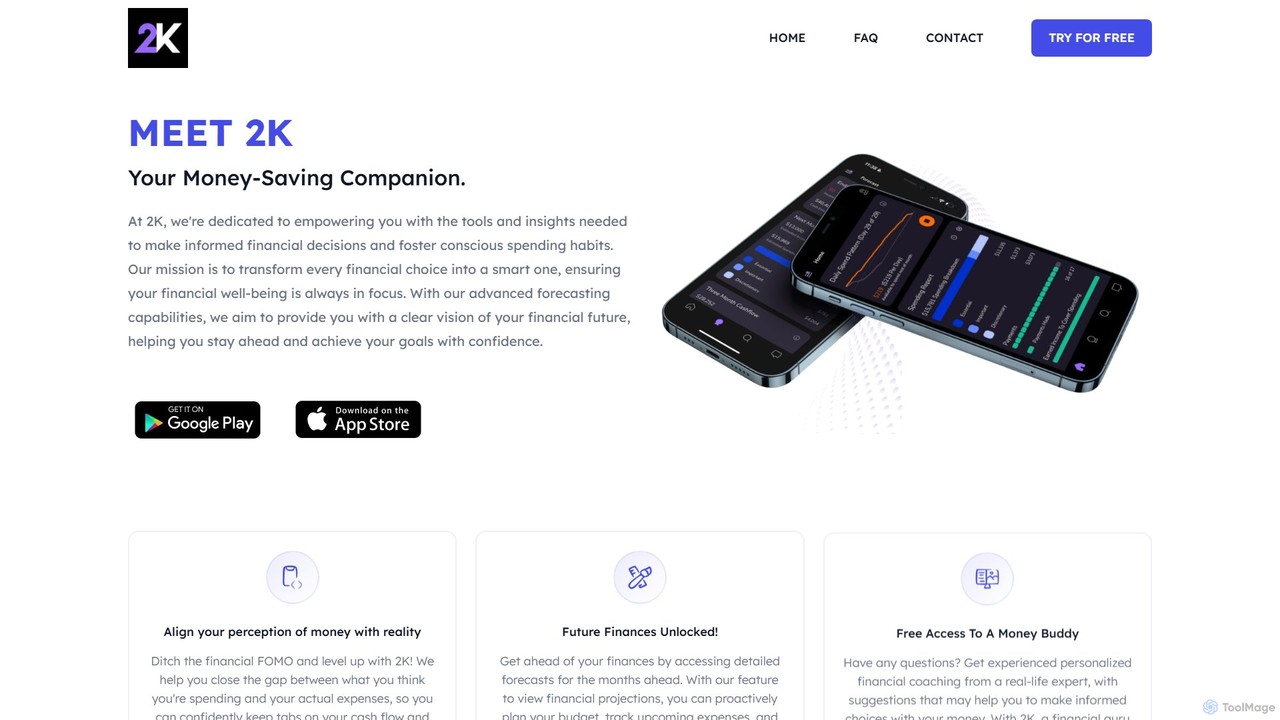
2ktowealth
2ktowealth is an AI-powered personal finance app designed to help you manage your money, save effectively, and make …
2ktowealth is an AI-powered personal finance app designed to help you manage your money, save effectively, and make confident spending decisions. It consolidates all your financial accounts, provides future spending forecasts, and offers personalized coaching from real financial experts to improve your financial literacy and well-being.

drahim
drahim is a Sharia-compliant robo-advisor and personal finance app based in Saudi Arabia. It offers automated, diversified investment …
drahim is a Sharia-compliant robo-advisor and personal finance app based in Saudi Arabia. It offers automated, diversified investment portfolios with low fees, expense tracking via Open Banking, and an AI financial assistant, Drahim GPT, to provide personalized financial guidance.
About Personal Finance
AI Personal Finance tools are applications that leverage artificial intelligence to help individuals manage their money, track expenses, and plan for financial goals. These tools connect to your financial accounts and use machine learning algorithms to automatically categorize transactions, identify spending patterns, and provide predictive forecasts. Their primary value lies in transforming complex financial data into actionable insights, empowering users to make smarter decisions about budgeting, saving, and investing. Unlike general financial software, they offer personalized recommendations tailored to an individual's unique financial situation and objectives.
Core Features
- Automated Transaction Categorization: Automatically sorts bank and credit card transactions into categories like groceries, transport, and entertainment.
- Predictive Budgeting: Analyzes past spending to forecast future expenses and cash flow, helping to prevent budget shortfalls.
- Personalized Financial Insights: Offers tailored advice on saving opportunities, debt reduction strategies, and investment options based on user data.
- Goal Setting and Tracking: Allows users to set financial goals (e.g., saving for a house, retirement) and monitors progress towards them.
- Investment Portfolio Analysis: Assesses investment accounts to provide insights on asset allocation, performance, and potential risks.
Applicable Scenarios
These tools are ideal for individuals and families seeking to gain control over their finances. They are particularly useful for young professionals building a budget for the first time, freelancers managing fluctuating income, and anyone planning for major life events like buying a home or retiring. They simplify complex financial management tasks that were once time-consuming or required professional help.
Selection Criteria
When choosing an AI Personal Finance tool, consider its security protocols, such as bank-level encryption and two-factor authentication. Evaluate the range of supported financial institutions to ensure compatibility with your accounts. Assess the tool's core focus—whether it excels at budgeting, investment tracking, or all-in-one management. Finally, compare pricing models, from free versions with basic features to subscription plans with advanced analytics.
Personal FinanceUse Cases
Automated Budgeting for Young Professionals
A recent graduate starting their first job wants to build healthy financial habits. They connect their bank accounts to an AI personal finance tool. The AI automatically categorizes all their spending—rent, groceries, student loan payments, and entertainment—providing a clear visual breakdown. Based on their income and spending patterns, the tool suggests a realistic monthly budget and sets up alerts to notify them when they are approaching category limits. This proactive management helps them stay on track with their savings goals for a future down payment without tedious manual tracking.
Optimizing Investment Portfolios for Growth
An amateur investor with a portfolio spread across stocks, ETFs, and mutual funds wants to ensure their investments are aligned with their long-term goals and risk tolerance. They use an AI tool to aggregate all their investment accounts into a single dashboard. The AI analyzes the portfolio's asset allocation, identifies areas of over-concentration, and highlights underperforming assets. It then provides personalized suggestions, such as rebalancing into different sectors or considering alternative investments to improve diversification. This data-driven insight helps the investor make informed adjustments to optimize for growth.
Strategic Debt Reduction Planning
An individual is struggling with multiple sources of debt, including credit cards with high interest rates and a personal loan. They use an AI finance tool to get a clear overview of all their liabilities. The AI analyzes the interest rates, balances, and minimum payments for each debt. It then simulates different payoff strategies, such as the 'Avalanche' method (paying off highest-interest debt first) and the 'Snowball' method (paying off smallest balances first). The tool presents a clear, actionable plan showing how much they could save in interest and how quickly they could become debt-free with each strategy, empowering them to choose the best path forward.
Managing Finances for Freelancers
A freelance designer deals with fluctuating monthly income and needs to separate business expenses from personal spending for tax purposes. They use an AI finance app that allows them to link both business and personal accounts. The AI helps categorize income streams and automatically identifies tax-deductible expenses like software subscriptions and office supplies. It also analyzes their income patterns to help them set aside an appropriate amount for quarterly tax payments and build a cash reserve for slower months. This provides financial stability and simplifies tax preparation significantly.
Collaborative Family Financial Planning
A couple wants to manage their joint finances more effectively and plan for shared goals like a family vacation and their children's education. They use an AI personal finance tool that supports joint accounts and shared budgets. The tool provides a unified view of their combined income and expenses, automatically categorizing spending from both partners. They can create specific savings goals and the AI calculates the required monthly contribution from their joint income. This transparency eliminates financial miscommunication and helps them work together as a team to reach their family's financial milestones.
Forecasting for Major Life Purchases
A user is planning to buy their first home within the next three years and needs to understand their financial readiness. They input their savings goal for a down payment into an AI finance tool. The tool analyzes their current income, spending habits, and savings rate to project when they will reach their goal. It can also run simulations based on different scenarios, such as increasing their monthly savings or receiving a salary raise. This forecasting capability provides a clear timeline and helps them make necessary adjustments to their budget to accelerate their path to homeownership.