ToolMage
Sign in

Best 1 Pricecomparison AI tools for Finance

Popular Pricecomparison AI tools in Finance include Stackfix, helping you work more efficiently.

Stackfix
Free

Stackfix

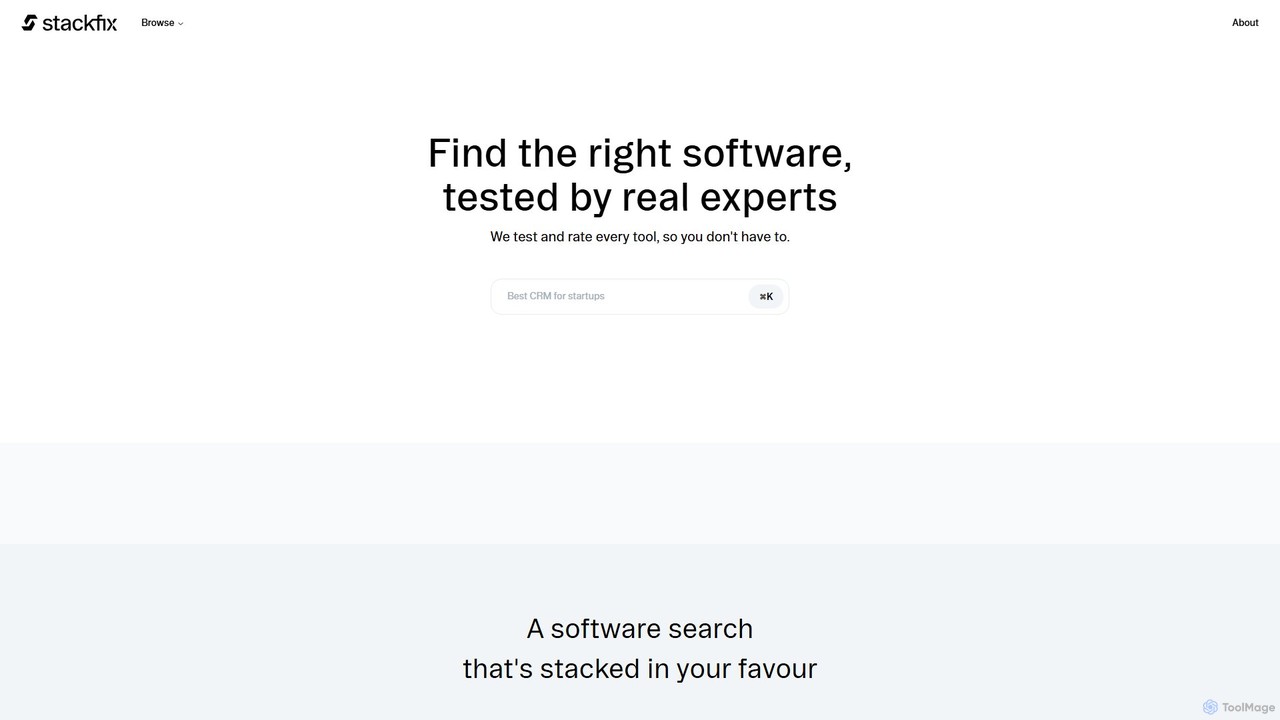
Stackfix is an AI-powered platform that helps businesses discover, compare, and choose the right software. It provides unbiased, expert-tested reviews, side-by-side comparisons, and an instant pricing calculator to ensure transparent and informed decision-making.

Softwarediscovery
Visits 6KFavorites 126Likes 110

About Pricecomparison

AI Price Comparison tools are applications that leverage artificial intelligence to automatically find and compare prices for products and services across numerous online platforms. These tools utilize advanced web scraping, natural language processing (NLP), and machine learning to identify identical or similar items, factor in hidden costs like shipping and taxes, and present the most cost-effective options. This enables users to make informed purchasing decisions quickly, ensuring they get the best possible deal without exhaustive manual research. As a specialized area within financial tools, they focus directly on optimizing spending for both consumers and businesses.

Core Features

  • Automated Multi-Source Scanning: Simultaneously scours hundreds of e-commerce sites, marketplaces, and service providers for price data.
  • Intelligent Product Matching: Uses AI to accurately identify the same product even with different names, descriptions, or sellers.
  • Total Cost Calculation: Factors in shipping fees, taxes, and other charges to show the true final price for an accurate comparison.
  • Price History & Alerts: Tracks price fluctuations over time and sends notifications when a desired item's price drops.
  • Coupon & Deal Integration: Automatically discovers and suggests applicable discount codes or promotions at checkout.

Use Cases

These tools are essential for savvy online shoppers purchasing electronics, apparel, or household goods. In a business context, procurement teams use them to source office supplies, software licenses, or equipment at the most competitive rates. Travel planners also rely heavily on them to compare real-time prices for flights, hotels, and rental cars across various booking platforms.

How to Choose

When selecting a price comparison tool, consider its retailer coverage—the number and relevance of the sites it scans. Evaluate the accuracy of its product matching and the speed of its price updates. Also, look for user-friendly features like browser extensions for seamless shopping, a reliable mobile app for on-the-go comparisons, and a customizable alert system for tracking specific items.

Pricecomparison use cases

1

Finding the Best Deal on Consumer Electronics

An online shopper wants to buy the latest smartphone. Instead of manually checking Amazon, Best Buy, and the manufacturer's website, they use an AI price comparison tool. The tool instantly scans over 50 retailers, identifies the exact model (including color and storage capacity), and presents a sorted list of prices. It automatically includes shipping costs and estimated taxes, revealing that a smaller, lesser-known retailer offers a final price that is $50 cheaper. The tool also finds a valid 10% off coupon code, resulting in a total saving of over $120.

2

Optimizing Business Procurement Costs

A procurement manager for a mid-sized company needs to purchase 50 new software licenses. Using an AI price comparison tool, they input the specific software and quantity. The tool scans official resellers, B2B marketplaces, and wholesale distributors. It compares not only the per-unit price but also analyzes volume discounts, annual vs. monthly payment plans, and included support packages. The final report shows that purchasing from a specific B2B distributor with an annual plan saves the company 18% compared to the quote from their usual vendor, translating to thousands of dollars in savings.

3

Securing the Best Rates for Travel Planning

A user is planning a family vacation and needs to book flights and a hotel. They use a price comparison tool that specializes in travel. The AI aggregates data from hundreds of sources, including budget airlines and hotel booking sites. It compares not just the base price but also factors in baggage fees for flights and resort fees for hotels to show the true total cost. The user sets a price alert and receives a notification two weeks later when flight prices for their destination drop by 20%, allowing them to book at the optimal time and save significantly on their trip.

4

Comparing Grocery Cart Totals Across Supermarkets

A budget-conscious household creates their weekly grocery list within a price comparison app. The list includes 20 items, from produce to pantry staples. The AI tool scans the online inventories and prices of local supermarkets like Walmart, Kroger, and Target. It calculates the total cost of the entire cart at each store, accounting for weekly sales and digital coupons. The app then recommends splitting the shopping trip between two stores to maximize savings, showing a final cart total that is 15% lower than shopping at a single location.

5

Analyzing Subscription Service Value

A user is considering signing up for a new streaming service but is unsure which one offers the best value. They use an AI comparison tool that analyzes subscription services. The tool compares pricing tiers, number of simultaneous streams, content library size, availability of 4K content, and offline download options across services like Netflix, Hulu, and Disney+. It presents a side-by-side comparison table, allowing the user to easily identify which service best fits their viewing habits and budget, preventing them from overpaying for features they won't use.

6

Tracking Price History for Major Purchases

A freelance designer needs a new high-end graphics card but can wait for a good deal. They use a price comparison tool to track the price of a specific model across multiple online stores. The tool's AI not only shows the current best price but also displays a historical price chart for the last six months. The chart reveals a pattern of price drops during seasonal sales. The designer sets a target price alert and, two months later, receives an email when the price hits an all-time low during a Black Friday sale, allowing them to make a well-timed, cost-effective purchase.

Pricecomparison FAQ

What are AI Price Comparison tools?

AI Price Comparison tools are software applications that use artificial intelligence to automatically search, aggregate, and compare prices for products and services from a vast number of online retailers. Unlike simple price scrapers, they use machine learning and NLP to intelligently match products, calculate total costs including shipping and taxes, and often track price history to help users find the absolute best deal without manual effort.

How to choose the right AI Price Comparison tool?

When selecting a tool, consider these factors:

  • Coverage: Does it scan a wide and relevant range of retailers for the products you buy?
  • Accuracy: How well does it match identical products and calculate the final price, including all fees?
  • Features: Does it offer essential features like price history charts, customizable alerts, and a browser extension or mobile app?
  • Speed and Usability: Is the interface intuitive and does it deliver results quickly?
What's the difference between an AI price comparison tool and a simple price tracker?

A simple price tracker typically monitors the price of a specific product on a single webpage that you provide. An AI price comparison tool is far more advanced. It actively searches and scans hundreds of websites to find the lowest price for a product, uses AI to match items even with different descriptions, calculates the total cost, and often finds applicable coupons. In essence, a tracker monitors, while a comparison tool discovers and analyzes.

Are AI Price Comparison tools free to use?

Many AI price comparison tools, especially consumer-focused ones, are free to use. They often generate revenue through affiliate commissions from retailers when a user makes a purchase through their platform. Some advanced tools, particularly those designed for business procurement or offering premium features like detailed analytics, may operate on a subscription model or offer a paid premium version alongside a free basic service.

Who can benefit most from using Price Comparison tools?

A wide range of users can benefit. This includes:

  • Online Shoppers: Anyone buying goods online, from electronics to clothing, can save money and time.
  • Travelers: Individuals planning trips can find the best deals on flights, hotels, and car rentals.
  • Business Procurement Managers: Professionals responsible for purchasing supplies, software, or equipment for their company can significantly reduce operational costs.
  • Budget-Conscious Consumers: People actively managing their finances can use these tools to optimize their spending on everything from groceries to subscriptions.