Startup AI tools are specialized platforms leveraging artificial intelligence to support new ventures through their critical early stages. These tools utilize machine learning and data analytics to streamline operations, optimize financial planning, and enhance strategic decision-making, specifically tailored for the unique needs of early-stage companies. They empower founders to navigate challenges from market validation and fundraising to growth scaling, offering data-driven insights and automation for lean operations and rapid development. This category helps startups efficiently manage resources, identify opportunities, and accelerate their path to market success.
Core Features
- Financial Modeling & Forecasting: Automates projections, cash flow analysis, and scenario planning for business plans and investor decks.
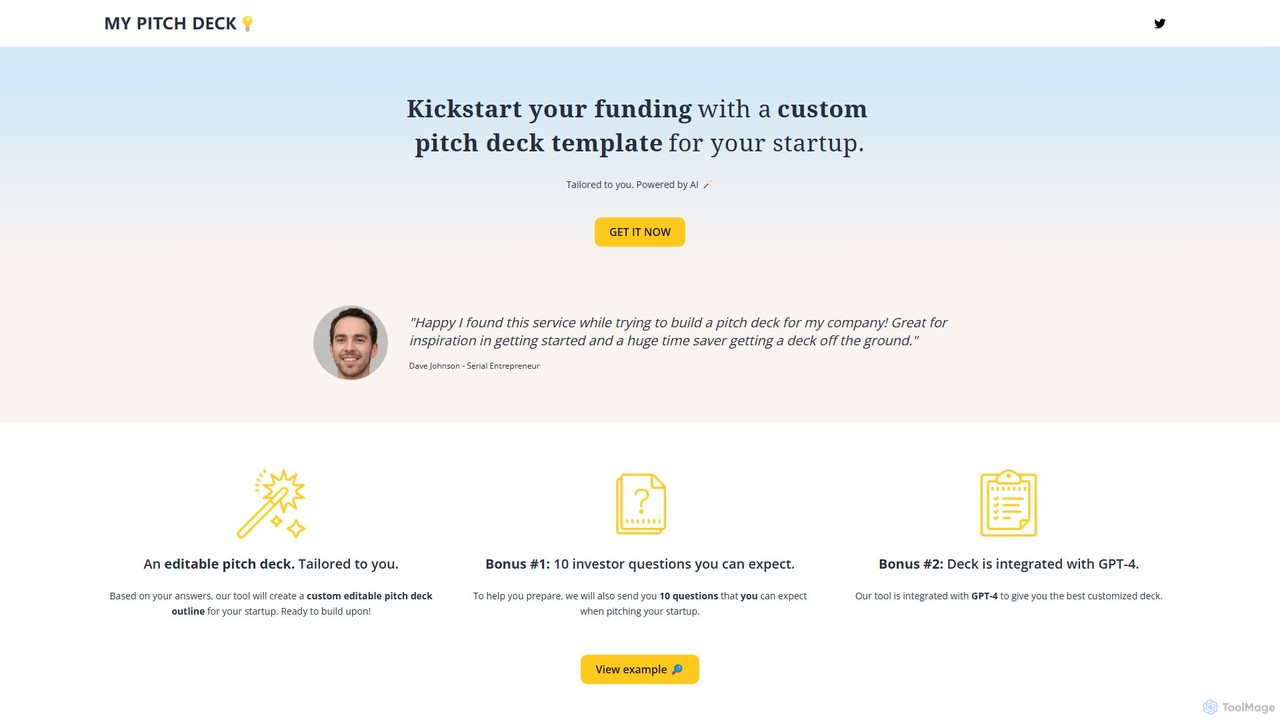
- Fundraising Intelligence: Identifies potential investors, analyzes funding trends, and assists in crafting compelling pitch materials.
- Market Research & Validation: Gathers and analyzes market data, competitive landscapes, and customer feedback to validate business ideas.
- Business Plan Generation: Assists in structuring and drafting comprehensive business plans, including executive summaries and strategic roadmaps.
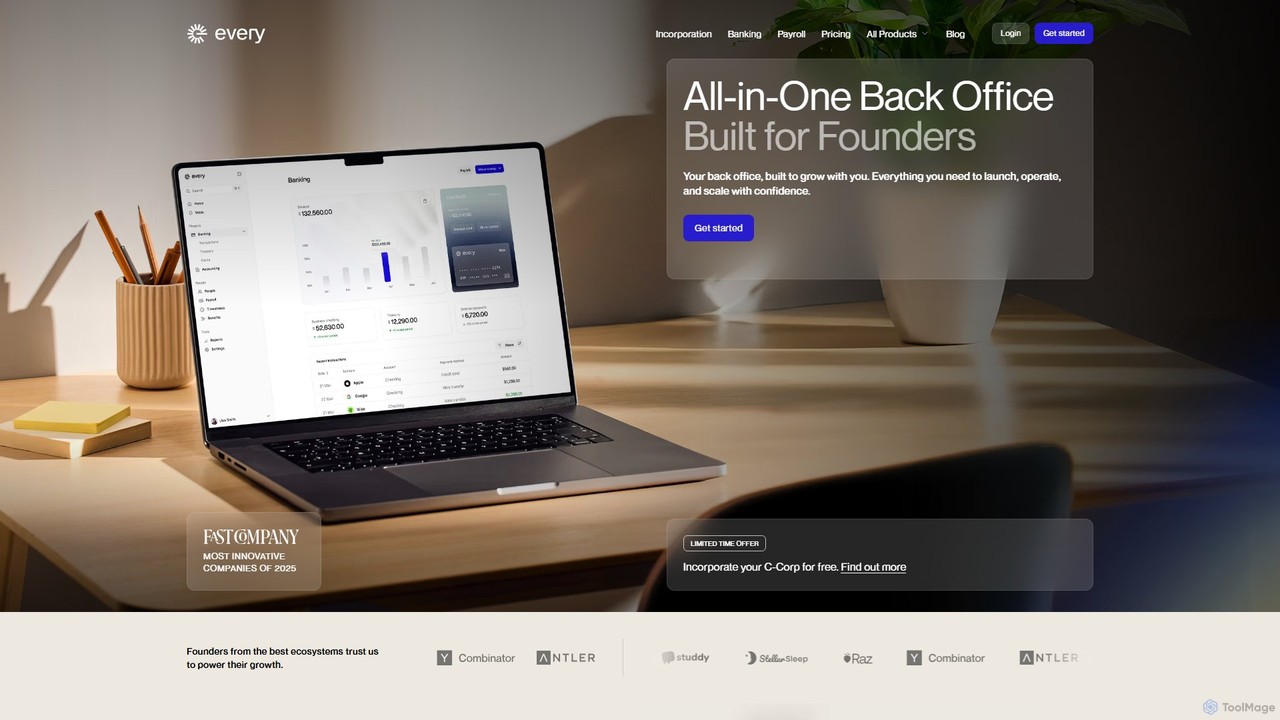
- Legal & Compliance Automation: Provides guidance and automates aspects of legal document generation and regulatory compliance for new businesses.
Applicable Scenarios
A first-time founder uses AI to generate a comprehensive financial model for their seed round, projecting revenue and expenses for the next three years, saving weeks of manual spreadsheet work. An early-stage team leverages AI to analyze market trends and identify underserved niches, validating their product-market fit before significant investment. An early-stage company automates the creation of investor updates and pitch deck refinements based on performance data, ensuring consistent communication with stakeholders.
How to Choose
Evaluate if the tool addresses core challenges like fundraising, market validation, or operational efficiency specific to your startup's stage. Check for seamless integration with existing business tools (CRM, accounting, project management). Ensure the tool can grow with your startup, adapting to evolving data volumes and business models. Compare pricing models against your startup budget, looking for value-driven subscriptions or tiered plans.