Best of the Year 12 results Financial Management AI Tools

Popular AI tools in the Financial Management field include NiveshMultiplier、Rally、Finance Magic、Meal Dynamics、BrainPredict、SYNCO、BnbDirect、Gostex、Grapepay、PayLink, etc., helping you quickly improve efficiency.

NiveshMultiplier

NiveshMultiplier

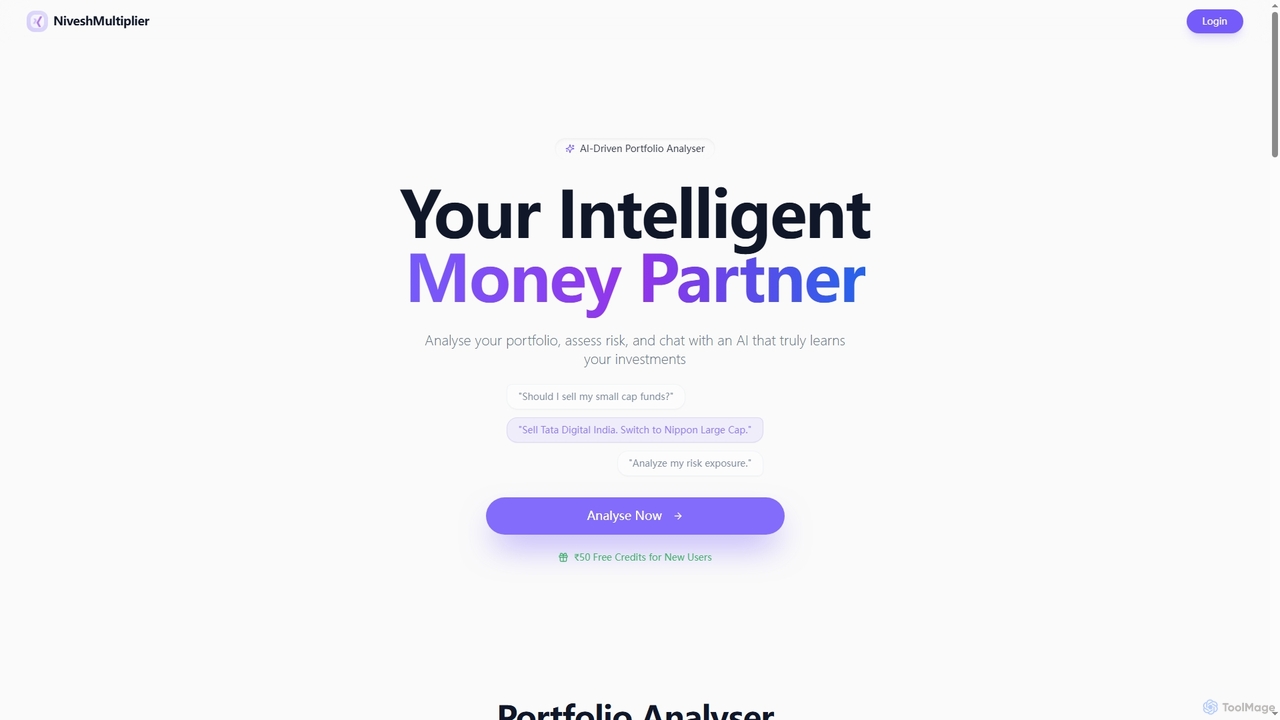
NiveshMultiplier is an AI-powered platform designed to be your intelligent money partner, offering comprehensive portfolio analysis, risk assessment, …

25.7K
Grapepay

Grapepay

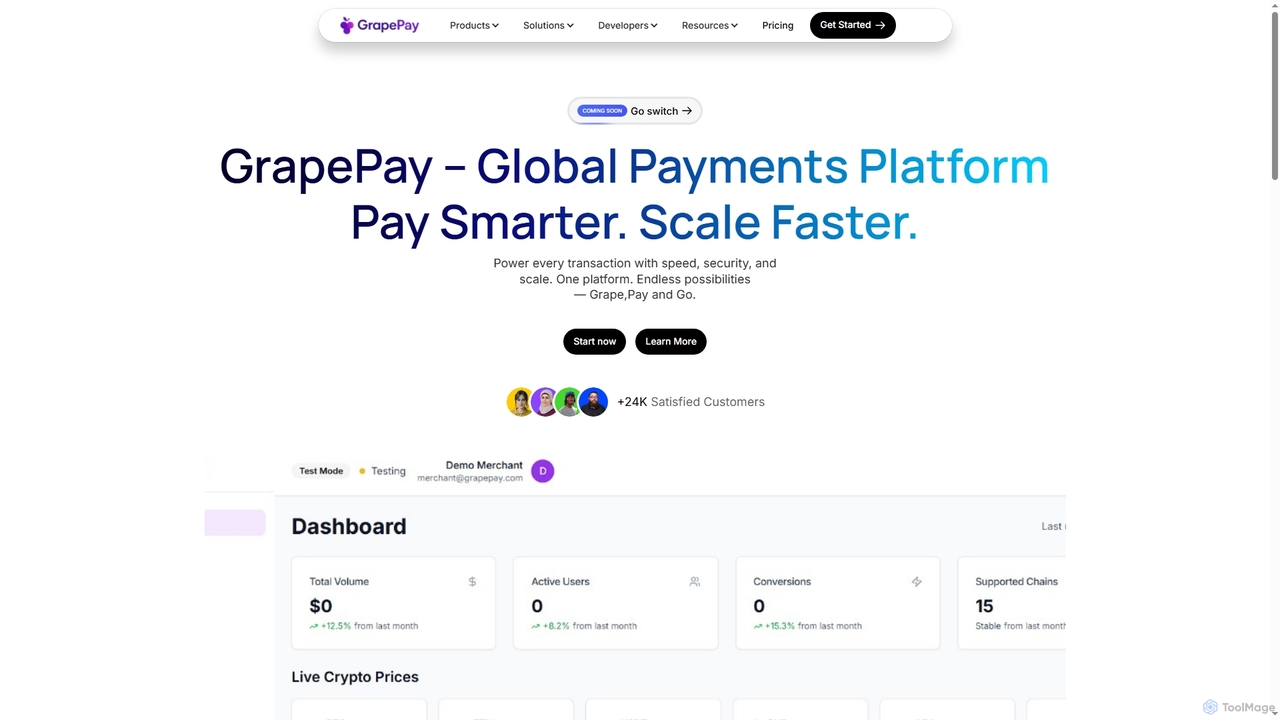
Grapepay is a comprehensive payment platform designed to empower businesses with fast, secure, and scalable transaction processing. It …

2.8K
BnbDirect

BnbDirect

BnbDirect transforms your Airbnb listing into a commission-free direct booking website in minutes. It empowers hosts to save …

2.8K
Finance Magic

Finance Magic

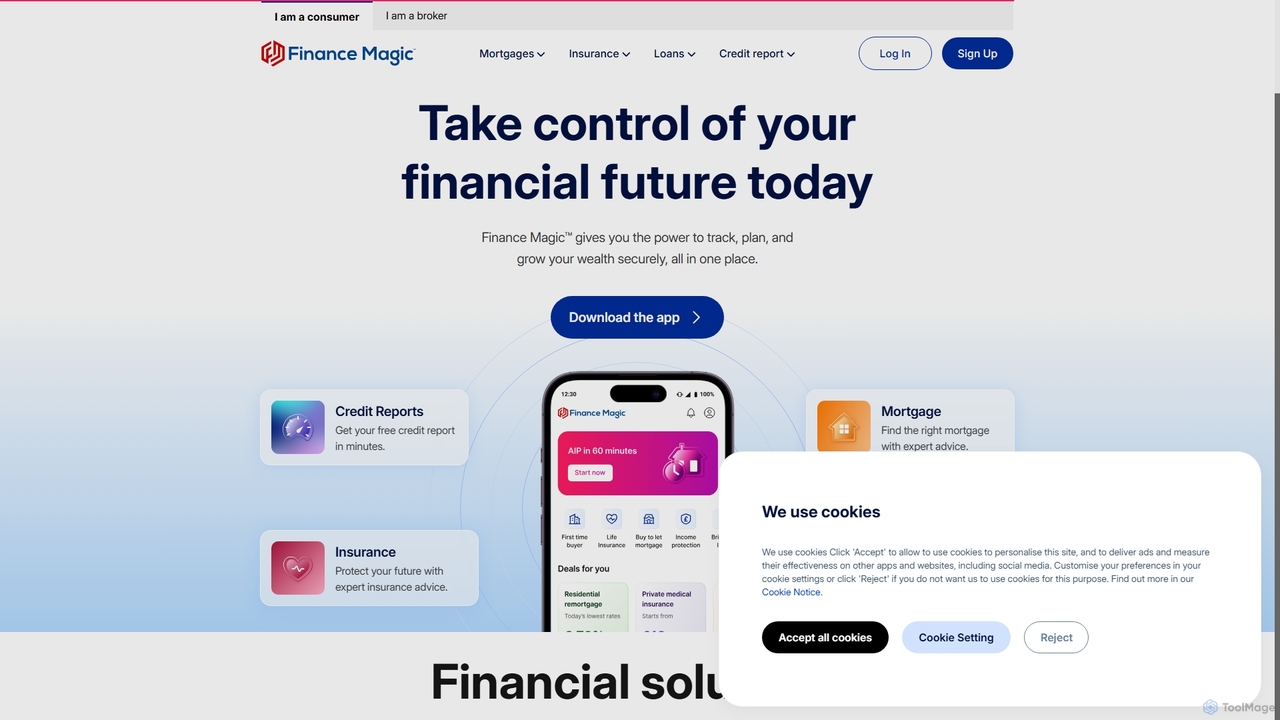
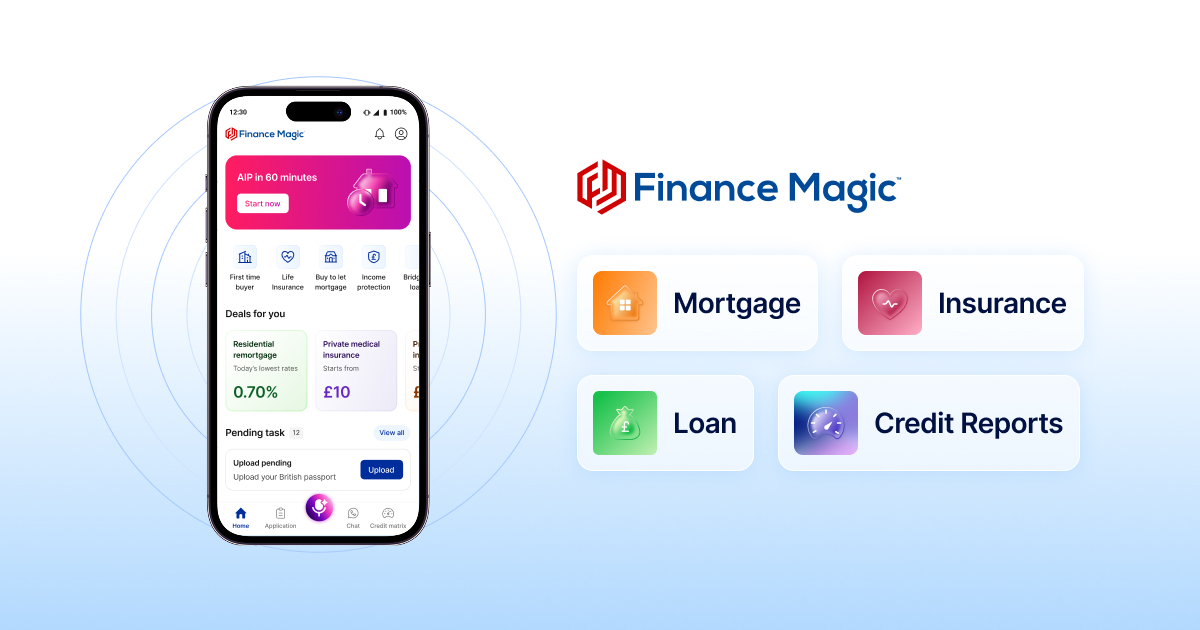
Finance Magic is a comprehensive UK-based financial platform offering free credit scores and reports, expert advice on mortgages …

7.9K
MechMate

MechMate

MechMate is a comprehensive garage management software designed specifically for independent UK mechanics. It streamlines operations with features …

2.7K
BrainPredict

BrainPredict

BrainPredict is an enterprise AI platform offering 445 specialized AI models that run 100% on-premises. It ensures zero …

3.3K
SYNCO

SYNCO

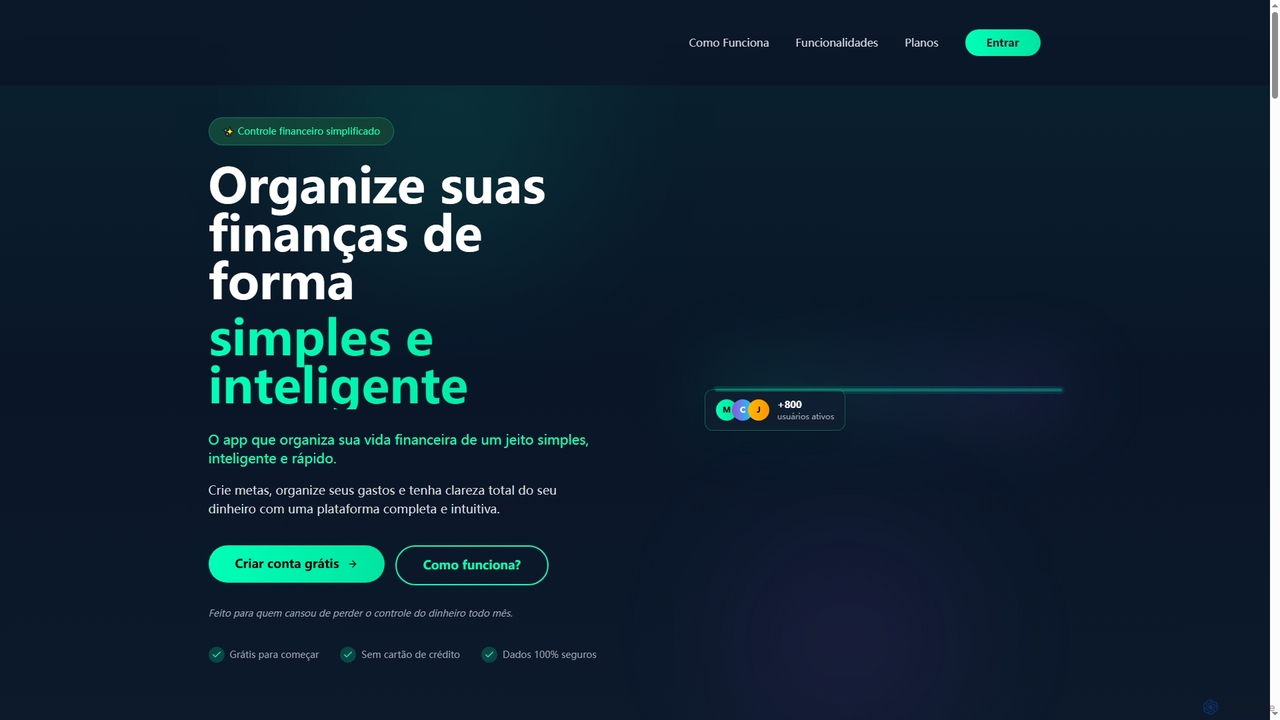
SYNCO is an intelligent financial management platform designed to simplify personal finance. It helps users organize expenses, set …

3.2K
Alpenn

Alpenn

Alpenn is an intuitive personal finance application designed to help users understand and track their spending. It provides …

2.7K
PayLink

PayLink

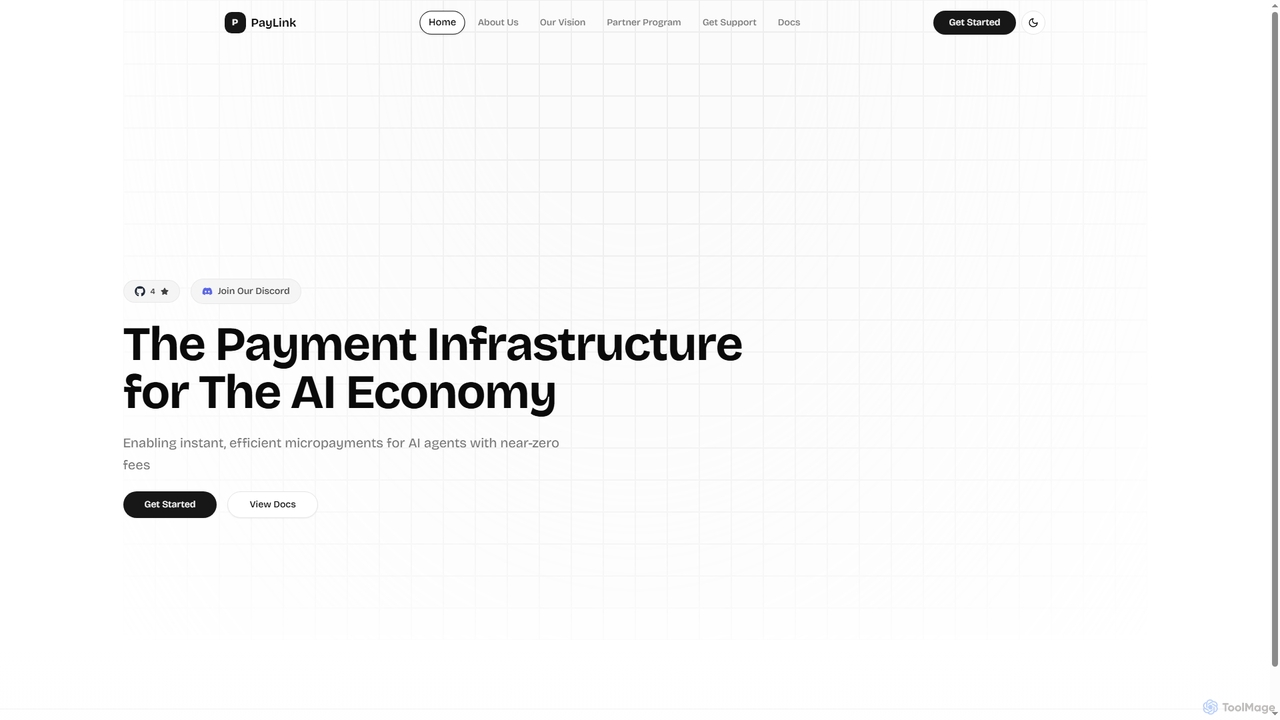
PayLink is a specialized payment infrastructure designed for the AI economy, enabling instant and efficient micropayments for AI …

2.7K
Meal Dynamics

Meal Dynamics

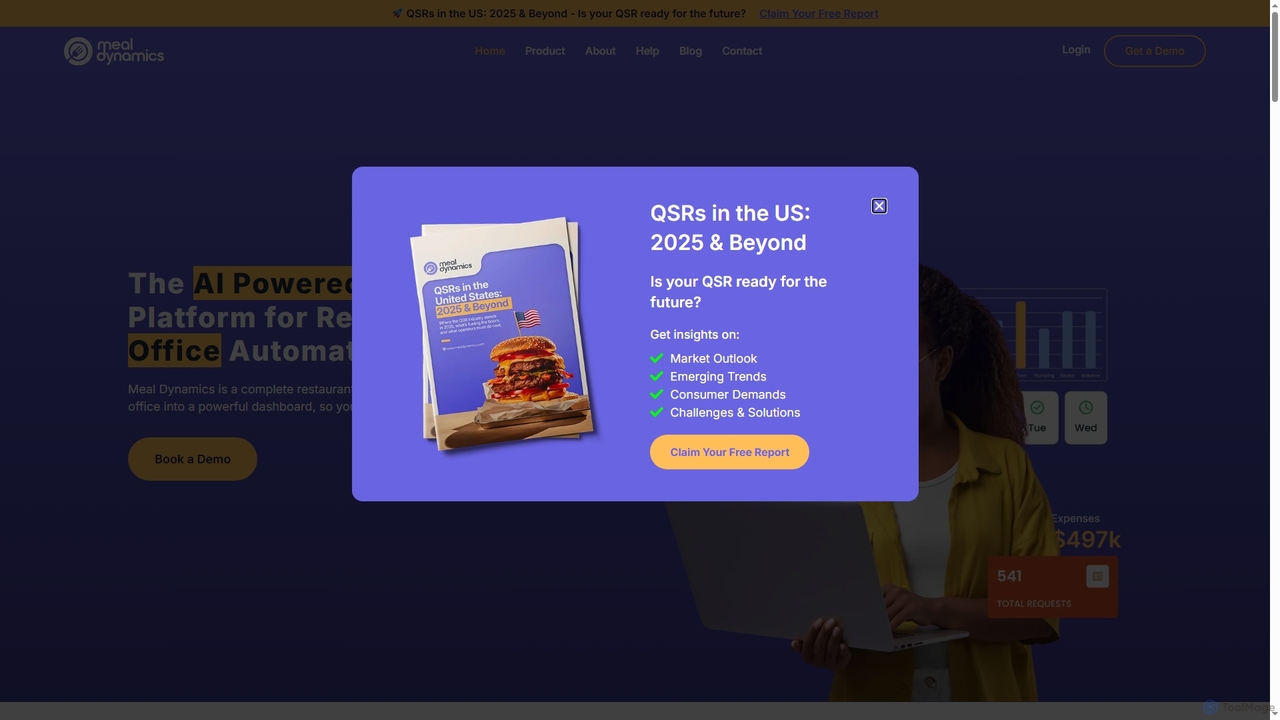
Meal Dynamics is an AI-powered, full-stack restaurant management software designed to automate back-office operations. It centralizes accounts payable, …

3.4K
Rally

Rally

Rally is an AI-powered tax planning tool designed to help individuals quickly discover significant tax savings. By analyzing …

12.2K
Gostex

Gostex

Gostex offers white-label fintech solutions, empowering businesses with customizable payment gateways, AI-based customer support, and robust card management …

2.8K

About Financial Management

AI Financial Management tools are applications that leverage artificial intelligence to automate, analyze, and optimize financial processes. These tools use machine learning algorithms to process vast amounts of financial data, identify patterns, and generate predictive insights. They help businesses and individuals streamline tasks like bookkeeping, expense tracking, and financial forecasting, leading to improved accuracy and more strategic decision-making. This technology transforms raw financial data into actionable intelligence, offering a proactive approach to managing finances.

Core Features

  • Automated Data Entry & Reconciliation: Automatically captures and categorizes data from invoices, receipts, and bank statements, significantly reducing manual work.
  • Predictive Cash Flow Forecasting: Analyzes historical data and market trends to project future cash flow, helping businesses anticipate shortages or surpluses.
  • Intelligent Expense Management: Scans receipts, enforces spending policies in real-time, and automates the entire expense reporting workflow.
  • Real-time Anomaly & Fraud Detection: Continuously monitors transactions to identify unusual patterns or potential fraudulent activities instantly.
  • AI-Powered Financial Analytics: Generates in-depth reports and dashboards with actionable insights, highlighting key performance indicators and financial health trends.

Applicable Scenarios

These tools are valuable across various sectors. Small businesses and startups use them to automate accounting and manage tight budgets. Enterprise finance departments leverage them for complex forecasting, risk management, and compliance. Freelancers and consultants also benefit from simplified invoicing and expense tracking, allowing them to focus on their core work.

Selection Criteria

When choosing an AI Financial Management tool, consider its integration capabilities with your existing systems like accounting software and banks. Evaluate the scope of its features—whether you need a comprehensive platform or a specialized tool for forecasting or expense management. Assess the user interface for ease of use and the level of security and compliance certifications to ensure your data is protected.

Financial ManagementUse Cases

1

Automating Accounts Payable for Small Businesses

A small business owner or bookkeeper often spends hours manually entering invoice data, matching it to purchase orders, and scheduling payments. This process is prone to errors and can lead to late fees. By using an AI financial management tool, they can automate this entire workflow. The tool automatically scans invoices received via email, uses OCR to extract key data like vendor name, amount, and due date, categorizes the expense, and queues it for one-click approval and payment. This reduces manual data entry by over 90%, minimizes payment delays, and provides a clear, real-time view of outstanding liabilities.

2

Automating Invoice Processing for Small Businesses

A small business owner, overwhelmed by manual data entry, uses an AI financial tool to streamline their accounts payable process. By simply forwarding supplier invoices to a dedicated email address, the AI automatically scans each document, extracts key information like vendor name, invoice number, amount due, and payment terms. It then creates a draft bill in their accounting software for approval. This automation reduces data entry time by over 80% and minimizes human error, ensuring timely payments and accurate financial records.

3

Dynamic Cash Flow Forecasting for Startups

For a startup founder, accurately predicting cash runway is critical for survival. Traditional spreadsheet models are static and quickly become outdated. An AI forecasting tool connects directly to bank accounts, accounting software, and CRMs. It analyzes historical cash flow, current sales pipeline data, and seasonality to generate multiple, dynamic forecast scenarios (e.g., optimistic, pessimistic). This allows founders to see the potential impact of hiring a new employee or launching a marketing campaign on their cash balance, enabling proactive financial planning and better-informed strategic decisions to extend their runway.

4

Real-time Cash Flow Forecasting for Startups

A tech startup founder needs to manage their burn rate carefully. They connect their bank accounts, payment processor, and subscription management platform to an AI forecasting tool. The tool analyzes historical transaction data and recurring revenue streams to generate a real-time, 12-month cash flow forecast. It automatically updates the projection with every new transaction, allowing the founder to model different scenarios (e.g., hiring a new developer) and make data-driven decisions to extend their runway and secure future funding.

5

Streamlining Corporate Expense Reporting

In a large company, employees and finance managers spend significant time on expense reports. Employees manually fill out forms, while managers check each entry against company policy. An AI expense management tool simplifies this. An employee simply takes a photo of a receipt; the AI uses OCR to extract the vendor, date, and amount, automatically creating an expense entry. The system then instantly checks the expense against predefined spending policies, flagging any violations. This reduces report creation time for employees and review time for managers, improves policy compliance, and accelerates reimbursement cycles.

6

Streamlining Employee Expense Reporting

A sales manager for a mid-sized company needs to manage expense reports from a team of 20 people. The company implements an AI-powered expense management tool. Now, salespeople simply take a photo of their receipts with a mobile app. The AI uses Optical Character Recognition (OCR) to extract the merchant, date, and amount, automatically creating an expense line item. The system also flags out-of-policy expenses in real-time, drastically reducing the time the manager spends reviewing reports and accelerating reimbursement cycles for the team.

7

Real-Time Fraud Detection for E-commerce

An e-commerce business faces the constant threat of fraudulent transactions, which lead to chargebacks and financial loss. A fraud analyst can't manually review every order. An AI fraud detection system analyzes hundreds of data points for each transaction in real-time, such as IP address, location, device fingerprint, and purchase history. It uses machine learning models trained on millions of transactions to assign a risk score to each order. High-risk orders are automatically flagged for manual review or declined, significantly lowering chargeback rates while ensuring a smooth checkout experience for legitimate customers.

8

Detecting Fraudulent Transactions for E-commerce

An online retail store integrates an AI-powered fraud detection service into its payment gateway. The AI analyzes hundreds of data points for each transaction in real-time, including IP address, device fingerprint, purchase history, and shipping address. It compares this data against known fraud patterns and calculates a risk score. Transactions with high risk scores are automatically flagged for manual review or declined, significantly reducing chargebacks and financial losses without disrupting the checkout experience for legitimate customers.

9

AI-Powered Investment Portfolio Analysis

An individual investor or financial advisor needs to constantly monitor market trends and assess portfolio risk. An AI analysis tool automates this by aggregating data from market feeds, financial news, and company reports. It uses natural language processing to gauge market sentiment from news articles and social media. The tool can then identify potential risks, highlight underperforming assets, and suggest rebalancing actions based on the user's predefined risk tolerance and investment goals. This provides data-driven insights that go beyond simple stock tickers, helping users make more informed and timely investment decisions.

10

Dynamic Budgeting for Corporate Departments

A marketing department head struggles with a static annual budget that doesn't adapt to changing campaign performance. By adopting an AI financial planning tool, they can create dynamic budgets. The tool connects to their ad platforms and CRM, automatically reallocating funds from underperforming campaigns to more successful ones based on real-time ROI data. This allows the department to be more agile, optimize spending continuously, and demonstrate a clearer link between marketing investment and revenue generation to the CFO.

11

Optimizing Corporate Budgeting and Planning

The annual budgeting process for a corporate finance team is often a lengthy, manual task based on historical data. An AI financial planning tool transforms this process. It analyzes past spending, operational data (like sales forecasts), and external economic indicators to generate a more accurate baseline budget. The platform allows for collaborative, real-time scenario modeling. Department heads can perform 'what-if' analysis to see how different decisions impact their budget. This creates a more agile, data-driven budgeting process and provides continuous performance tracking against the budget throughout the year.

12

Financial Health Analysis for CFOs

A Chief Financial Officer (CFO) uses an AI analytics platform to gain a holistic view of the company's financial health. The tool consolidates data from accounting, sales, and operations systems into a single, interactive dashboard. The AI automatically identifies significant trends, such as declining profit margins in a specific product line or an unusual spike in operational costs. It provides plain-language summaries and visualizations, enabling the CFO to quickly grasp complex insights, ask deeper questions, and present data-backed strategic recommendations to the board.

Financial ManagementFrequently Asked Questions