RavenL
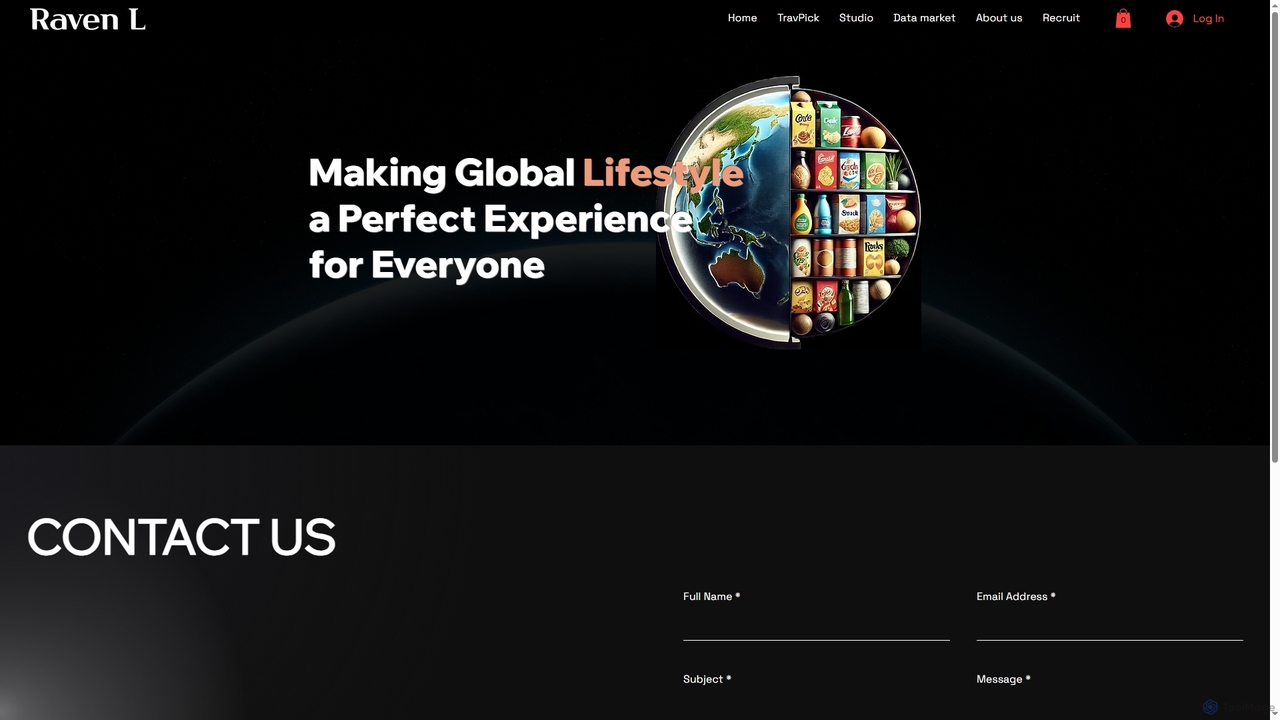
RavenL is an AI and Big Data-powered platform dedicated to making global lifestyle experiences seamless. It offers personalized …
RavenL is an AI and Big Data-powered platform dedicated to making global lifestyle experiences seamless. It offers personalized food, beauty, and shopping recommendations for consumers, alongside comprehensive F&B data analytics, market trend insights, and marketing optimization solutions for businesses worldwide.
e_label
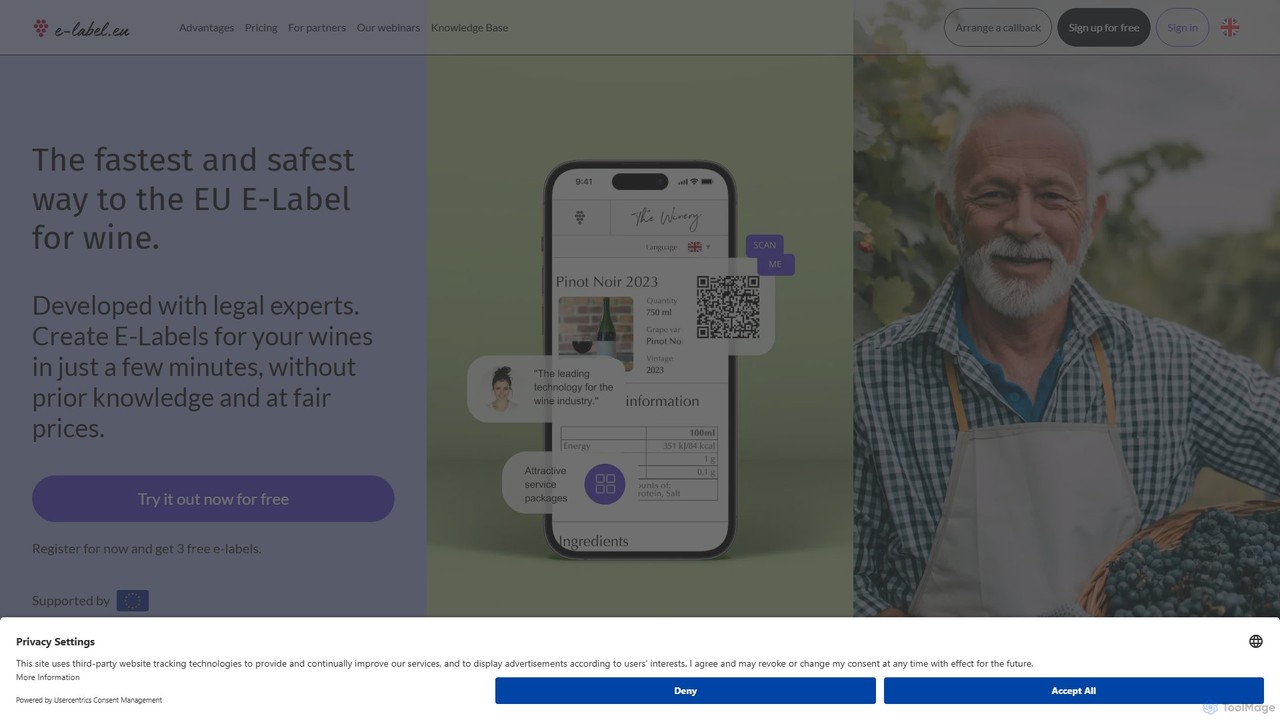
e_label is a specialized platform for wineries to effortlessly create EU-compliant electronic labels. It simplifies adherence to Regulation …
e_label is a specialized platform for wineries to effortlessly create EU-compliant electronic labels. It simplifies adherence to Regulation (EU) 2021/2117 by generating dynamic QR codes that link to comprehensive nutrition facts, ingredient lists, and recycling information. Developed with legal experts, the tool automates calculations and translations, providing a fast, secure, and cost-effective solution for wine producers to meet new labeling requirements without technical expertise.
PlatePose
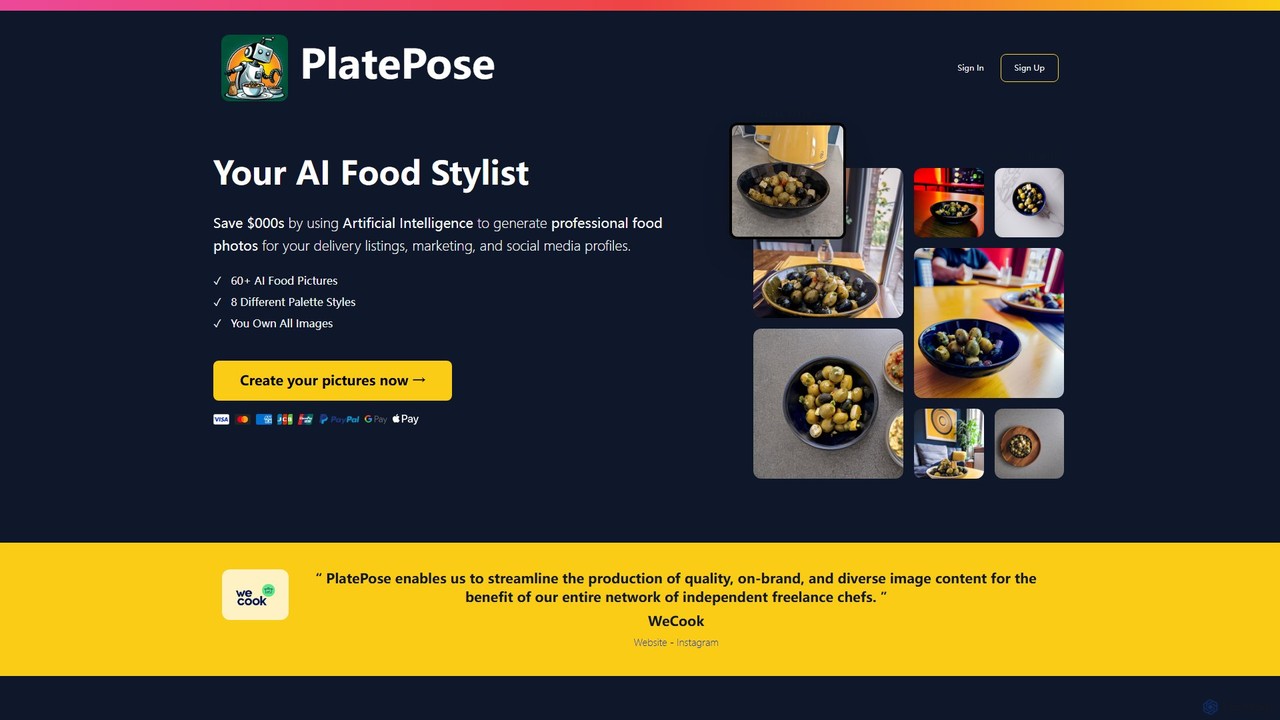
PlatePose is an AI-powered food stylist that transforms simple smartphone photos of your dishes into dozens of professional, …
PlatePose is an AI-powered food stylist that transforms simple smartphone photos of your dishes into dozens of professional, high-quality food photographs. Ideal for restaurants, ghost kitchens, and food influencers, it saves significant time and money compared to traditional photoshoots, providing a wealth of marketing content for social media and delivery menus.
About Food & Beverage
Food & Beverage AI tools are AI-powered solutions designed to revolutionize various aspects of the food and beverage industry. These tools leverage advanced technologies like machine learning, computer vision, and natural language processing to analyze vast datasets, automate processes, and generate actionable insights. They aim to optimize operations, enhance product development, improve customer experiences, and ensure quality and sustainability across the entire F&B value chain.
Core Features
- Recipe & Menu Optimization: AI analyzes ingredients, nutritional values, and consumer preferences to create or refine recipes and menus.
- Quality Control & Safety: Utilizes computer vision and sensor data to detect defects, monitor freshness, and ensure compliance with safety standards.
- Supply Chain & Inventory Management: Predicts demand, optimizes logistics, and manages stock levels to reduce waste and improve efficiency.
- Personalized Nutrition & Recommendations: Offers tailored dietary advice and product suggestions based on individual health data and preferences.
- Customer Experience Automation: AI chatbots and recommendation engines enhance order processing, reservations, and personalized marketing.
Use Cases
From farm to fork, Food & Beverage AI tools empower businesses and consumers. Restaurants use them to predict peak hours and manage staff, while food manufacturers deploy AI for real-time quality inspection on production lines. Retailers leverage AI to optimize shelf placement and personalize promotions, ensuring a more efficient and customer-centric approach.
How to Choose
Selecting the right Food & Beverage AI tool involves evaluating several factors. Consider the specific problem you aim to solve (e.g., waste reduction, customer engagement), the tool's integration capabilities with existing systems, its scalability to meet future demands, and the accuracy of its AI models. Also, assess the vendor's industry expertise and data privacy policies.
Food & BeverageUse Cases
Personalized Meal Planning for Consumers
Individuals seeking healthier lifestyles or managing dietary restrictions can use AI tools to generate personalized meal plans. By inputting health goals, allergies, and food preferences, the AI creates balanced, diverse menus, complete with recipes and shopping lists, making healthy eating accessible and convenient.
Optimizing Restaurant Inventory & Reducing Waste
Restaurant managers utilize AI-powered inventory systems to predict demand for specific dishes based on historical sales, seasonal trends, and even local events. This allows for precise ingredient ordering, minimizing spoilage and waste, and ensuring fresh stock is always available, leading to significant cost savings.
AI-Driven New Product Development
Food scientists and product developers leverage AI to analyze market trends, consumer feedback, and ingredient compatibility. The AI can suggest novel flavor combinations, predict consumer acceptance of new products, and optimize formulations for nutritional value and cost-effectiveness, accelerating innovation cycles.
Automated Food Quality Inspection in Manufacturing
Food processing plants deploy computer vision AI systems on production lines to automatically inspect products for defects, foreign objects, or inconsistencies in size and color. This real-time, non-invasive inspection ensures high product quality, reduces human error, and maintains strict safety standards at scale.
Predicting Consumer Trends for Marketing & Sales
Food and beverage brands use AI to analyze vast amounts of social media data, sales figures, and demographic information to identify emerging consumer preferences and trends. This predictive insight enables targeted marketing campaigns, informs product positioning, and helps anticipate future market demands, driving sales growth.
Enhancing Customer Service with AI Chatbots
Restaurants and food delivery services integrate AI chatbots into their websites or apps to handle customer inquiries, reservations, and order modifications. These chatbots provide instant, 24/7 support, answer FAQs, and can even offer personalized recommendations, freeing up staff and improving overall customer satisfaction.