Gaming Best in category 1 results Action AI Tool

Popular AI tools in the Action field of Gaming include Astro Looter, etc., helping you quickly improve efficiency.

Astro Looter

Astro Looter

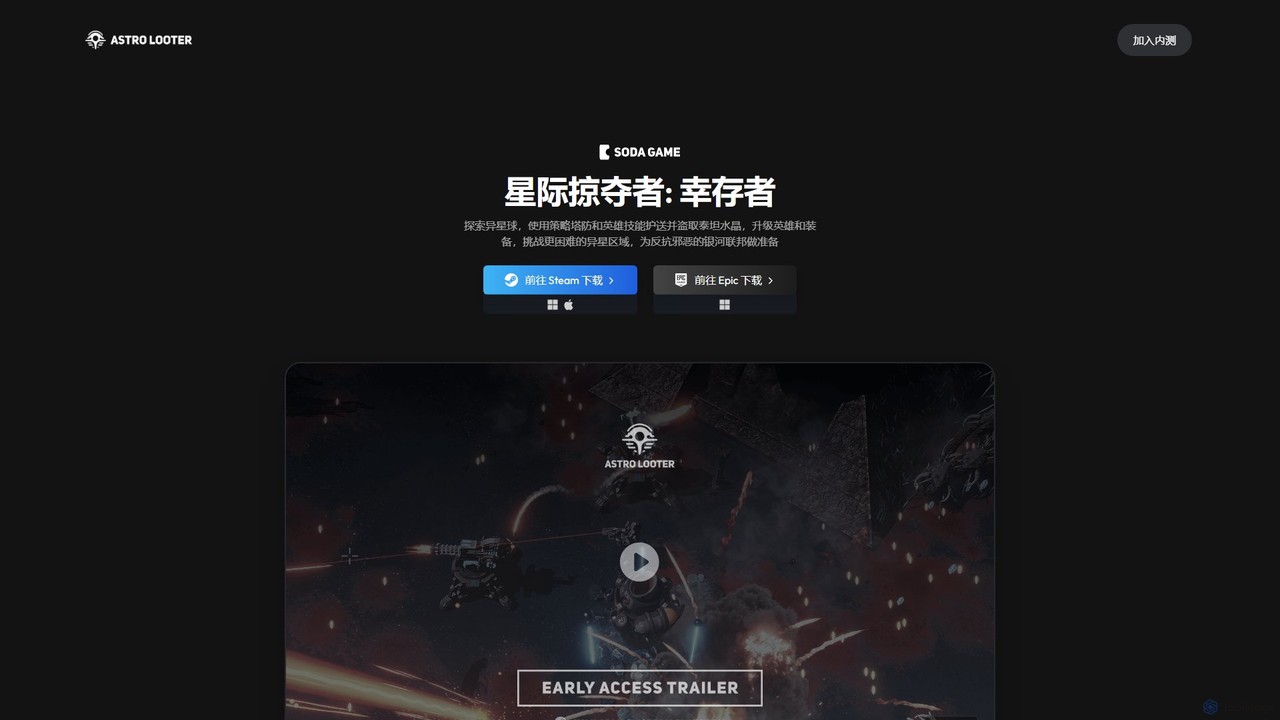
Astro Looter is an intense action roguelike game blending top-down shooter and tower-defense elements. As an elite looter, …

2.2K

About Action

AI Action Game tools are a specialized category of software used to create dynamic, responsive, and challenging real-time gameplay. These tools leverage algorithms like behavior trees, finite state machines, and machine learning to power intelligent non-player characters (NPCs) and adaptive environments. Their primary value lies in generating unpredictable combat scenarios and immersive interactions, moving beyond simple scripted sequences. This results in more engaging and replayable action game experiences for players.

Core Features

  • Advanced Enemy AI: Enables the creation of opponents with complex behaviors such as flanking, using cover, and coordinating group attacks.
  • Dynamic Difficulty Adjustment: Analyzes player performance in real-time to modify challenges, ensuring the game remains engaging without being frustrating.
  • Procedural Content Generation (PCG): Generates dynamic levels, enemy placements, and combat encounters, enhancing replayability.
  • Real-time Pathfinding: Provides efficient algorithms for characters to navigate complex 3D environments and obstacles dynamically.
  • Behavioral Animation: Uses AI to drive more realistic and context-aware character animations and reactions during fast-paced action sequences.

Use Cases

These tools are primarily used by game developers, from solo indie creators to large AAA studios. They are essential for building first-person shooters (FPS), third-person action-adventures, fighting games, and action roguelikes where intelligent opponent behavior is critical to the core gameplay loop.

How to Choose

When selecting an AI tool for an action game, consider its integration with your game engine (e.g., Unity, Unreal Engine), performance overhead, and the level of customization offered for AI behaviors. Also, evaluate the availability of visual scripting tools versus code-based APIs, and the quality of documentation and community support.

ActionUse Cases

1

Designing Intelligent FPS Enemy Squads

A game developer working on a tactical first-person shooter uses an AI tool to create enemy squads that exhibit advanced group behavior. Instead of enemies that simply charge at the player, the AI system enables them to communicate their states, use cover effectively, lay down suppressing fire, and execute flanking maneuvers. This transforms combat from a simple shooting gallery into a dynamic tactical puzzle, significantly increasing player engagement and the perceived intelligence of the game world.

2

Creating Adaptive Boss Fight Mechanics

An indie developer creating an action-adventure game uses an AI tool to design a memorable boss fight. The AI system tracks the player's preferred attack patterns and defensive habits. If the player frequently uses ranged attacks, the boss AI adapts by closing the distance more aggressively or using projectile shields. This dynamic adaptation ensures the boss remains a challenge across multiple encounters and for different playstyles, preventing players from defeating it with a single repetitive strategy.

3

Procedural Generation of Action Roguelike Levels

A small development team is building an action roguelike game where replayability is key. They use an AI tool with Procedural Content Generation (PCG) capabilities. The tool generates unique level layouts, enemy placements, trap locations, and loot distribution for each run. The AI ensures that the generated levels are always solvable and adhere to certain difficulty curves, providing a fresh and fair challenge every time the player starts a new game, which is a core pillar of the roguelike genre.

4

Simulating Realistic Crowd Panic Behavior

In an open-world action game, developers need to simulate a believable city environment. They use an AI crowd simulation tool to manage hundreds of NPCs. When the player initiates a chaotic event, like an explosion, the AI system governs the crowd's reaction. Instead of random scattering, NPCs exhibit realistic panic behavior: some flee directly away from the danger, others try to find cover, and some might freeze in fear. This creates a more immersive and believable world that reacts dynamically to the player's actions.

5

Developing Advanced Training Bots for Fighting Games

A team developing a competitive fighting game uses an AI tool to create a sophisticated training mode. The AI bots are designed not just to have adjustable difficulty, but to mimic specific human playstyles. A player can choose to practice against an 'aggressive rusher' bot that constantly applies pressure, or a 'defensive zoner' bot that controls space with projectiles. This allows players to effectively practice matchups and strategies against varied opponents, significantly improving their skills for online competition.

6

Dynamic Spawning System for Survival Mode

For a wave-based survival action game, a developer implements an AI 'Director' system. This system monitors the player's current status, including health, ammo, and location. Based on this data, it dynamically adjusts the type, number, and spawn locations of incoming enemies to control the game's pacing and tension. If the player is low on health, it might spawn fewer powerful enemies and more basic ones that drop health packs. This creates a tailored challenge that feels intense but fair, rather than relying on static, predictable waves.

ActionFrequently Asked Questions