Gaming Best in category 1 results Multiplayer AI Tool

Popular AI tools in the Multiplayer field of Gaming include Rune, etc., helping you quickly improve efficiency.

Free
Rune

Rune

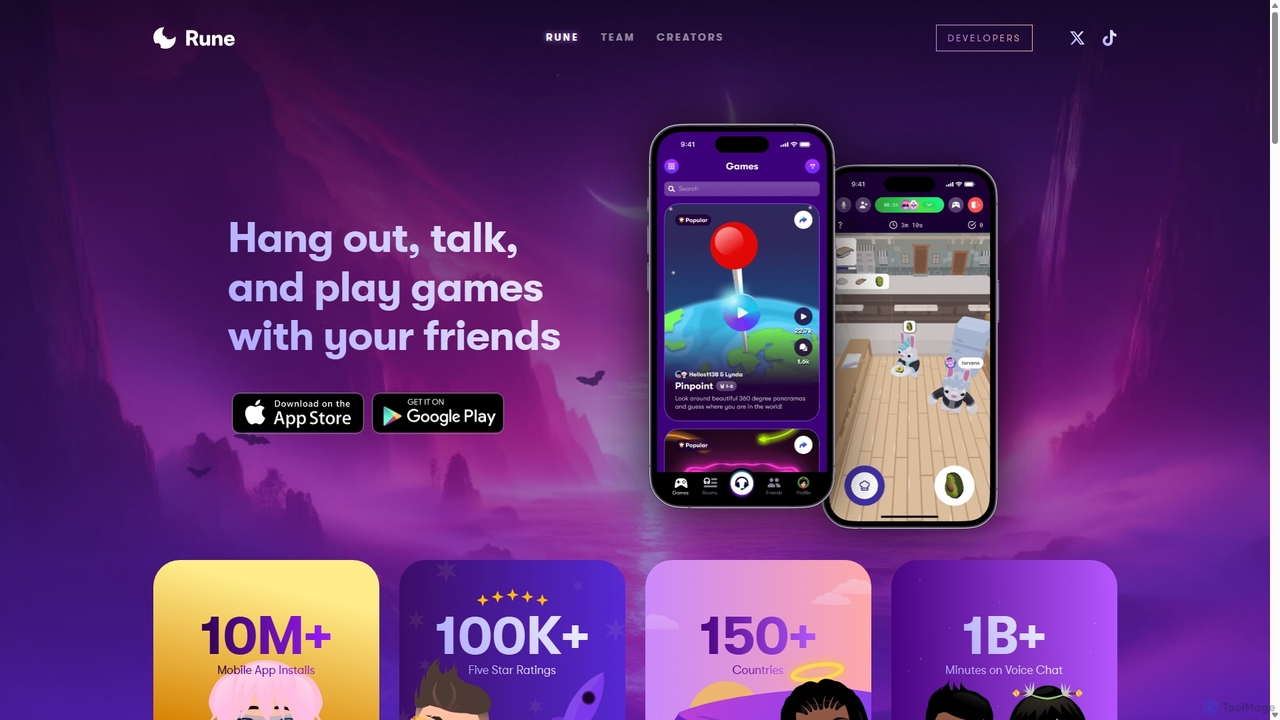
Rune is a social gaming platform that seamlessly integrates multiplayer games directly into voice chat rooms. It allows …

64.9K

About Multiplayer

AI Multiplayer tools are a class of specialized software that enhance online gaming experiences by integrating artificial intelligence. These tools utilize machine learning algorithms to create intelligent non-player characters (NPCs), optimize matchmaking, and detect unfair play. They are used by game developers to build more engaging and fair competitive environments, and by players to analyze and improve their skills. This results in more dynamic, balanced, and secure multiplayer games.

Core Features

  • Intelligent NPC Behavior: Creates bots that mimic human tactics, learn from player actions, and adapt their strategies in real-time.
  • Behavioral Matchmaking: Algorithms that pair players based on skill, playstyle, and conduct to create more balanced and enjoyable matches.
  • Real-time Anomaly Detection: Monitors gameplay data to instantly identify and flag cheating, exploits, or toxic behavior patterns.
  • Dynamic Difficulty Adjustment: The game's challenge adapts in real-time based on the collective performance and skill level of players in a session.

Use Cases

Game developers use these tools to populate servers with realistic bots, implement robust anti-cheat systems, and create balanced matchmaking queues. Esports organizations and competitive players also use AI coaching tools to analyze performance and identify areas for improvement, turning raw gameplay data into actionable insights.

How to Choose

When selecting an AI multiplayer tool, consider its specific function (e.g., anti-cheat, matchmaking, NPC generation), its integration complexity with your game engine (like Unity or Unreal), its scalability for a large player base, and the accuracy of its detection or prediction models.

MultiplayerUse Cases

1

Creating Realistic AI Opponents for Practice

A game developer working on a new first-person shooter uses an AI multiplayer tool to generate bots. Instead of following simple, predictable paths, these AI opponents use machine learning to analyze player behavior. They learn common map routes, use cover effectively, and coordinate attacks as a team. This provides a challenging and realistic practice environment for players before they enter competitive matches and helps fill empty server slots during off-peak hours, ensuring a consistent player experience.

2

Automated Moderation of In-Game Chat

A community manager for a popular online RPG integrates an AI tool to monitor in-game chat channels. The AI is trained to detect and flag various forms of toxic behavior, including hate speech, harassment, and spam, in multiple languages. When a violation is detected, the system can automatically issue a warning, mute the player for a short period, or escalate the case to a human moderator for review. This reduces the manual workload on the moderation team and fosters a healthier, more welcoming community for all players.

3

Implementing Advanced Behavioral Anti-Cheat

A publisher of a competitive esports title deploys an AI-based anti-cheat system. Unlike traditional systems that rely on detecting known cheat software, this AI analyzes patterns in player data, such as aiming accuracy, movement speed, and reaction times. It can identify anomalies that are statistically impossible for a human player, such as snapping perfectly to an opponent's head through a wall. This behavioral approach allows it to catch more sophisticated and previously unknown cheats, protecting the game's competitive integrity.

4

AI-Powered Performance Analysis for Esports Teams

An esports coach uploads match replays from their team's recent tournament to an AI analysis platform. The tool automatically processes the gameplay, identifying key moments like successful team fights or critical mistakes. It generates detailed statistics on player positioning, ability usage, and economic efficiency. The coach uses these data-driven insights to provide targeted feedback to players and to develop new strategies for their next opponent, replacing hours of manual VOD review with precise, actionable analytics.

5

Optimizing Matchmaking for Fairer Games

A game designer for a team-based strategy game implements an AI matchmaking system. This system goes beyond a simple skill rating (MMR). It analyzes a player's recent performance, preferred roles, and even their tendency to communicate or cooperate. The AI's goal is to create teams that are not only balanced in skill but also in composition and playstyle. This leads to more competitive and less one-sided matches, reducing player frustration and improving overall retention.

6

Dynamic Balancing for Live Service Games

A live ops manager for an MMO uses an AI tool to monitor player success rates in real-time for world events and dungeons. If the AI detects that a particular boss is causing an unusually high failure rate across the player base, it can recommend or even automatically apply subtle adjustments, like reducing the boss's health by 5% or slightly extending a mechanic's timer. This ensures that content remains challenging but not unfairly punishing, maintaining player engagement without requiring constant manual intervention from developers.

MultiplayerFrequently Asked Questions