Generative Art Best in category 1 results Face Generation AI Tool

Popular AI tools in the Face Generation field of Generative Art include aibabygenerator, etc., helping you quickly improve efficiency.

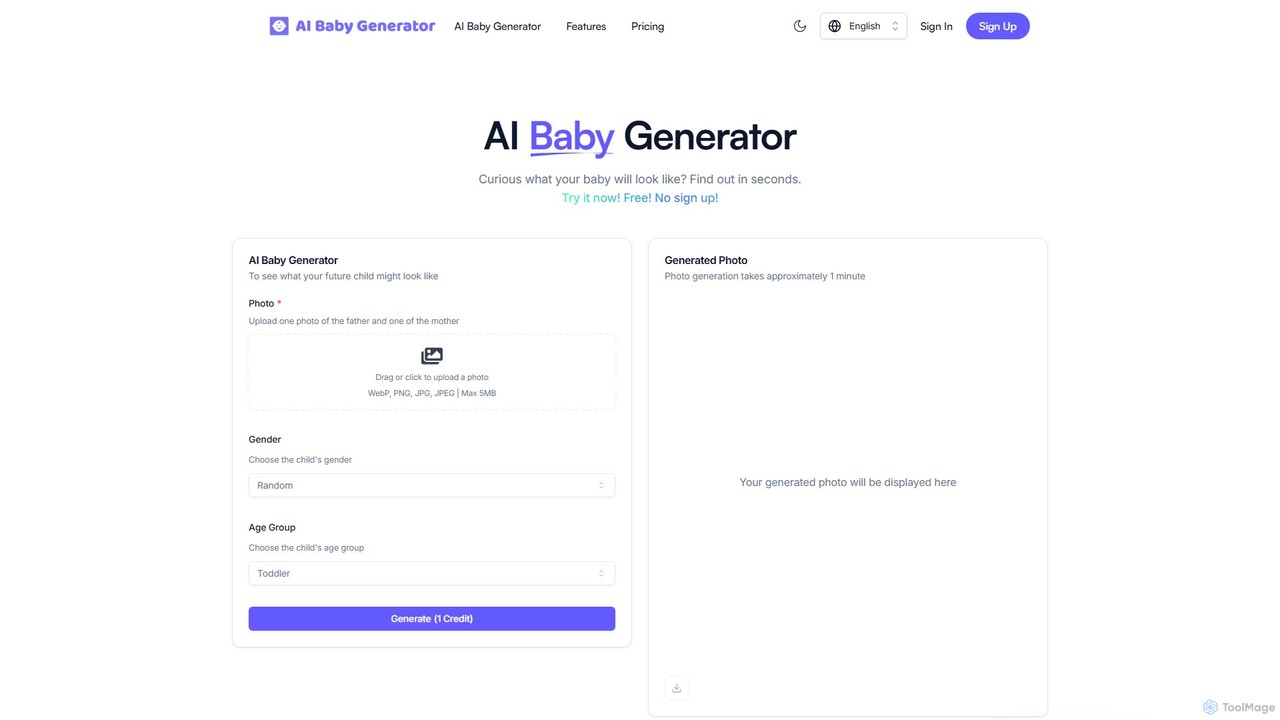
aibabygenerator

aibabygenerator

An AI-powered tool that generates ultra-realistic images of your future baby by combining photos of two parents. It …

14.7K

About Face Generation

Face Generation tools are AI-powered applications that create realistic or stylized human faces from scratch, often based on textual prompts, parameters, or existing images. These tools leverage advanced generative adversarial networks (GANs) or diffusion models to synthesize diverse facial features, expressions, and identities. They offer immense value in digital content creation, virtual identity development, and privacy-preserving data generation, enabling users to produce unique faces without relying on real-world photographs.

Core Features

  • Realistic Face Synthesis: Generate highly photorealistic faces that are indistinguishable from real photographs.
  • Attribute Control: Adjust specific facial features like age, gender, hair color, ethnicity, and expression.
  • Style Transfer: Apply artistic styles or transform faces into different aesthetic representations.
  • Identity Blending: Combine characteristics from multiple input faces to create new, unique identities.
  • Diversity Generation: Produce a wide range of faces covering various demographics and appearances.

Applicable Scenarios

These tools are widely used in industries requiring synthetic human imagery. Game developers utilize them to create unique non-player characters (NPCs) and avatars, saving time on manual design. Marketing and advertising professionals generate diverse virtual models for campaigns without hiring real talent. Researchers employ face generation for anonymizing datasets and creating synthetic training data, enhancing privacy and data availability.

How to Choose

When selecting a Face Generation tool, consider the desired level of realism and fidelity, the extent of control over facial attributes, and the diversity of output it can produce. Evaluate the ease of use and user interface, as well as its integration capabilities with existing workflows. Additionally, assess the ethical guidelines and responsible AI practices of the tool provider, especially concerning deepfakes and misuse prevention.

Face GenerationUse Cases

1

Designing Unique Game Characters and Avatars

Game developers and metaverse creators use face generation tools to rapidly design a vast array of unique non-player characters (NPCs) and customizable player avatars. By inputting specific parameters like age, gender, ethnicity, and emotional expressions, they can generate diverse facial concepts, significantly accelerating the character design pipeline and ensuring a rich, varied virtual world without relying on limited pre-made assets.

2

Generating Diverse Virtual Models for Marketing

Marketing agencies and advertisers leverage face generation AI to create diverse and inclusive virtual models for product advertisements, website imagery, and social media campaigns. This allows them to quickly produce high-quality, royalty-free images of people that perfectly match their brand's demographic targets and aesthetic, avoiding the costs and logistical challenges associated with traditional photoshoots and model hiring.

3

Creating Anonymized Datasets for AI Research

AI researchers and data scientists utilize face generation tools to create synthetic, anonymized facial datasets for training computer vision models, particularly in areas like facial recognition or emotion detection. By generating entirely artificial faces, they can conduct research and develop robust AI systems while strictly adhering to privacy regulations and avoiding the use of real individuals' sensitive biometric data.

4

Developing Concept Art for Film and Animation

Concept artists and illustrators in film and animation studios employ face generation AI to explore a wide range of character designs and visual styles during pre-production. They can quickly iterate on facial features, expressions, and artistic interpretations, generating numerous unique faces that serve as inspiration or direct assets for character development, streamlining the creative process for complex projects.

5

Personalizing Digital Avatars and Profile Pictures

Individual users and social media platforms use face generation technology to create highly personalized and unique digital avatars or profile pictures. Users can input their preferences or even blend their own features with AI-generated styles, resulting in distinctive online representations that reflect their personality or desired aesthetic, enhancing their digital identity and online presence.

6

Simulating Facial Expressions for Psychological Studies

Psychologists and cognitive scientists use face generation tools to create controlled stimuli for studies on human emotion, perception, and social interaction. By precisely manipulating facial expressions, gaze direction, and other attributes on synthetic faces, they can design experiments that isolate specific variables, providing consistent and ethically sound research materials without involving real human subjects.

Face GenerationFrequently Asked Questions