
Hardware Best in category 1 results Display Technology AI Tool

Popular AI tools in the Display Technology field of Hardware include Leia Inc., etc., helping you quickly improve efficiency.

Leia Inc.

Leia Inc.

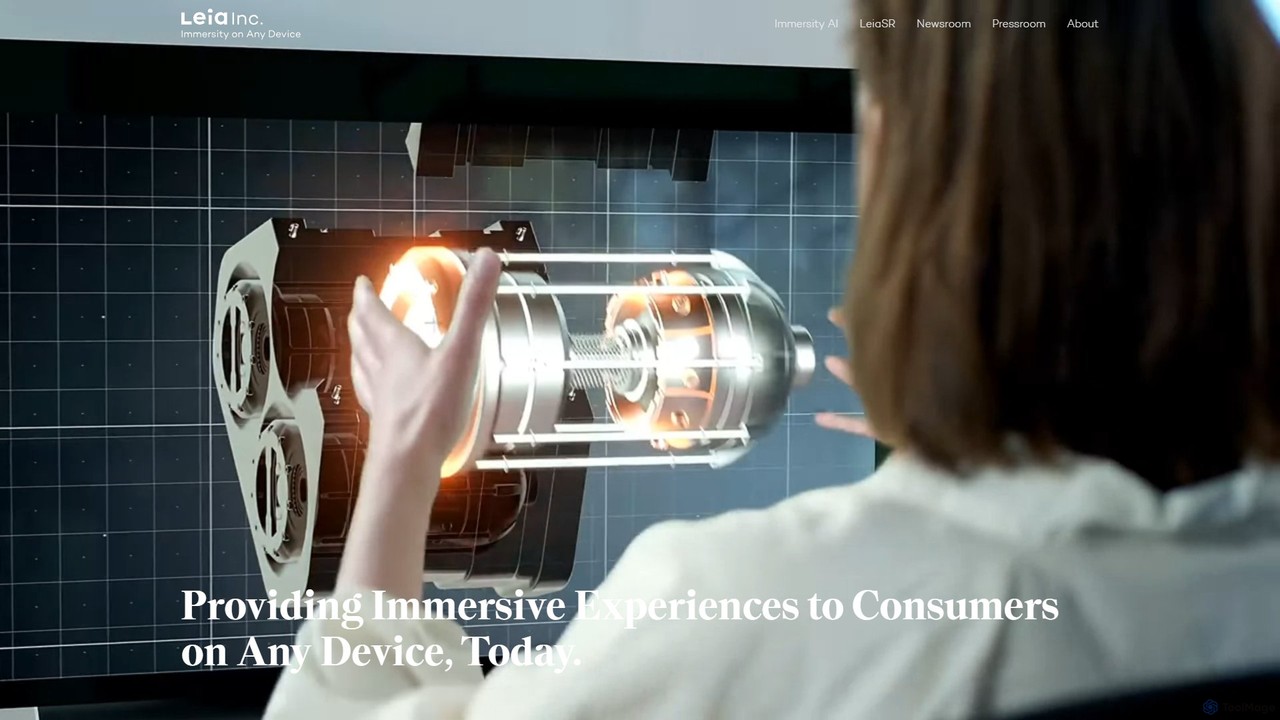
Leia Inc. provides LeiaSR™, an AI-powered technology platform that converts standard 2D displays into immersive, glasses-free 3D experiences. …

2.4K

About Display Technology

Display Technology refers to the methods and components used to visually present information, often integrating AI for enhanced user experience and data interpretation. These tools leverage advanced hardware and software to deliver dynamic, adaptive, and intelligent visual outputs. They are crucial for applications requiring sophisticated visual interaction, real-time data visualization, and personalized content delivery. This integration allows for more intuitive interfaces and smarter visual environments.

Core Features

  • Intelligent Upscaling: AI algorithms enhance lower-resolution content to fit high-definition screens, improving clarity and detail.
  • Adaptive Brightness & Contrast: AI dynamically adjusts display settings based on ambient light conditions and content type for optimal viewing.
  • Personalized Content Delivery: AI analyzes user preferences and context to tailor displayed information, advertisements, or interfaces.
  • Gesture & Voice Control Integration: Advanced displays incorporate AI for natural, hands-free interaction, responding to user gestures or spoken commands.
  • Real-time Data Visualization: AI processes complex data streams instantly, rendering interactive and insightful visual representations on demand.

Applicable Scenarios

Display Technology with AI is vital in smart retail for dynamic digital signage that adapts to customer demographics, in automotive for personalized in-car infotainment systems, and in healthcare for enhanced visualization of medical imaging. It also plays a key role in command centers for real-time operational dashboards and in home entertainment for adaptive viewing experiences.

How to Choose

When selecting AI-integrated Display Technology, consider the level of AI processing power required for your specific tasks (e.g., real-time analytics, personalization). Evaluate the display's resolution, refresh rate, and color accuracy for visual quality. Assess its connectivity options and compatibility with existing AI ecosystems or smart platforms. Finally, factor in the intended application environment and the robustness of its interactive capabilities.

Display TechnologyUse Cases

1

Dynamic Digital Signage in Retail

Retail store managers utilize AI-powered display technology to create dynamic digital signage. These displays can detect customer demographics and engagement levels, then automatically adjust advertisements and product promotions in real-time. This ensures that the most relevant content is shown to passersby, leading to increased customer interest and potential sales conversions, optimizing marketing efforts without manual intervention.

2

Personalized In-Car Infotainment Systems

Automotive manufacturers integrate AI-driven display technology into car infotainment systems. These displays learn driver preferences for navigation, music, and climate control, adapting the user interface and content suggestions based on driving patterns, time of day, or even passenger presence. This creates a highly personalized and intuitive in-car experience, enhancing comfort and reducing driver distraction by anticipating needs.

3

Advanced Medical Imaging Visualization

Medical professionals leverage AI-enhanced display technology for visualizing complex medical images like MRI and CT scans. These displays use AI to improve image clarity, highlight anomalies, and render detailed 3D models with greater precision and contrast. This aids in more accurate diagnoses, better surgical planning, and enhanced medical education, allowing doctors to identify critical details that might be missed on traditional screens.

4

AI-Driven Command Center Dashboards

Operators in critical command centers (e.g., traffic control, security monitoring, energy grids) rely on large-format, high-density displays integrated with AI. These displays visualize vast amounts of real-time operational data, with AI highlighting critical events, predicting potential issues, and suggesting optimal responses. This allows for faster decision-making and proactive management of complex systems, significantly improving situational awareness and response times.

5

Adaptive Home Entertainment Systems

Consumers use smart TVs and projectors with integrated AI display technology to enhance their home entertainment. AI analyzes room acoustics, ambient lighting, and content type (e.g., movie, sports, game) to automatically optimize picture and sound settings. This delivers a consistently immersive and high-quality viewing experience, adapting to environmental changes and content demands without manual adjustments, making home viewing effortless.

6

Interactive AI Training Simulators

Training organizations and educational institutions deploy high-resolution, low-latency display technology integrated with AI for realistic simulation environments. These simulators, used for pilot training, surgical practice, or complex machinery operation, provide real-time visual feedback and adapt scenarios based on trainee performance. This immersive experience accelerates learning, reduces training costs, and allows for safe practice of high-stakes procedures in a controlled visual environment.

Display TechnologyFrequently Asked Questions