ToolMage
Sign in

Best 1 Fitness Tech AI tools for Hardware

Popular Fitness Tech AI tools in Hardware include Vitruvianform, helping you work more efficiently.

Vitruvianform
Paid

Vitruvianform

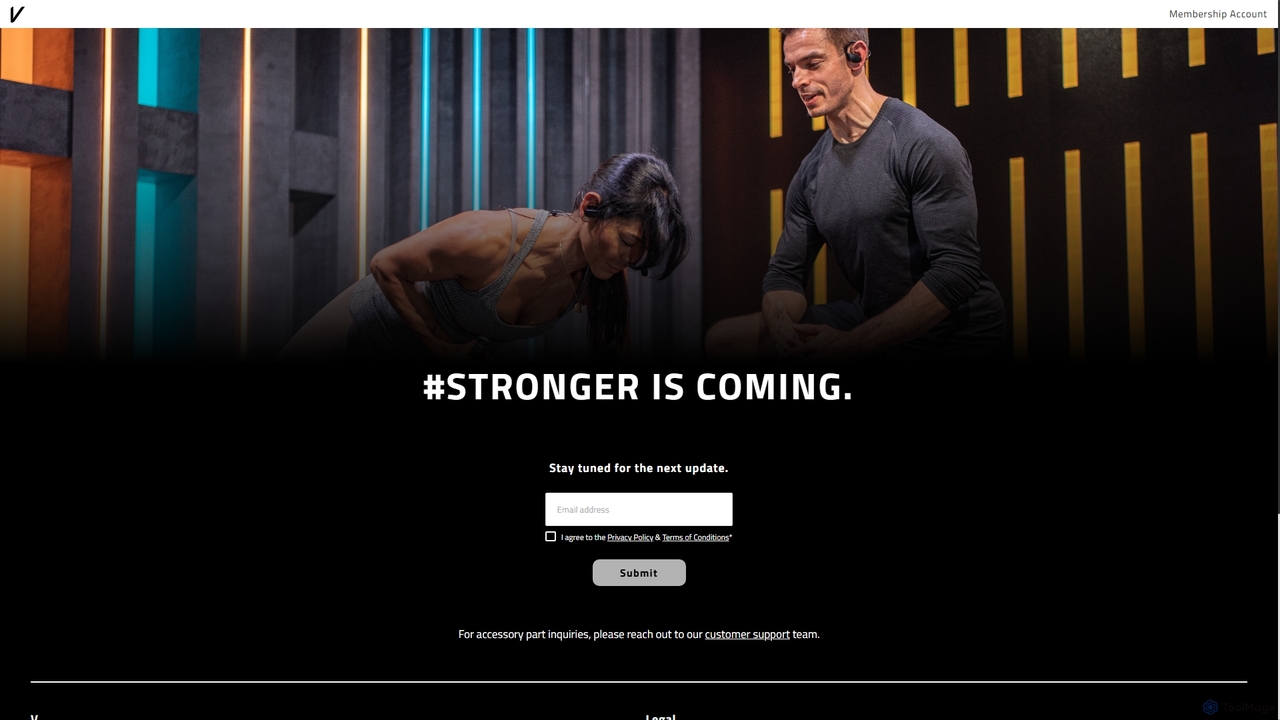
Vitruvianform is an AI-powered smart home gym system, the Trainer+, that offers adaptive digital weight up to 200kg (440lbs). It provides personalized strength training, real-time performance tracking, and a vast library of guided workouts through its integrated app, revolutionizing home fitness with intelligent, space-saving technology.

Fitness Tech
Visits 40.6KFavorites 168Likes 159

About Fitness Tech

Fitness Tech comprises AI-driven hardware and software designed to monitor, analyze, and enhance personal health and physical activities. These tools leverage advanced sensors and machine learning algorithms to provide personalized insights that go beyond simple data tracking. They translate biometric data like heart rate, sleep patterns, and movement into actionable coaching, performance forecasts, and wellness recommendations. As a specialized category within Hardware, Fitness Tech focuses on the intelligent interpretation of data to actively guide users toward their health goals.

Core Features

  • Biometric Sensing: Accurately tracks vital signs such as heart rate, SpO2, sleep stages, and stress levels.
  • AI-Powered Coaching: Delivers personalized workout plans, real-time form feedback, and adaptive training adjustments.
  • Predictive Analytics: Forecasts performance trends, injury risks, and recovery needs based on historical data.
  • Automatic Activity Recognition: Intelligently identifies and logs different types of workouts without manual input.

Use Cases

Fitness Tech is widely used by individuals for personal training, athletes for performance optimization, and healthcare providers for remote patient monitoring. It is also applied in corporate wellness programs to encourage employee health and in physical rehabilitation to track recovery progress with data-driven insights.

How to Choose

When selecting a Fitness Tech tool, consider the accuracy of its sensors, the depth of its AI-driven insights and coaching features, and its compatibility with other apps and ecosystems like Apple Health or Google Fit. Also evaluate the device's battery life, durability, and the long-term value of any associated subscription services.

Fitness Tech use cases

1

Generate a Personalized Marathon Training Plan

A recreational runner aims to complete their first marathon. Using a fitness watch and its companion app, the AI analyzes their current fitness level from past runs, sleep quality, and daily activity. Based on this data, it generates a dynamic 16-week training plan. The plan adapts weekly, increasing mileage safely and suggesting rest days when it detects signs of overtraining or poor recovery, helping the runner build endurance while minimizing injury risk.

2

Optimize Sleep Quality with AI Insights

A user consistently feels tired despite getting 8 hours of sleep. Their smart ring or watch tracks sleep stages (light, deep, REM), heart rate variability (HRV), and body temperature overnight. The AI platform analyzes these trends and correlates them with daily activities logged by the user, such as caffeine intake or late-night exercise. It then provides specific, actionable recommendations, like 'Avoid caffeine after 2 PM to increase deep sleep' or 'Your optimal bedtime is between 10:00 and 10:30 PM based on your sleep cycles'.

3

Real-time Form Correction for Strength Training

A person exercising at home uses a smart fitness mirror or a mobile app with computer vision. While they perform a squat, the AI analyzes their posture in real-time through the device's camera. If it detects that their knees are caving inward or their back is rounding, it provides immediate auditory and visual feedback, such as 'Keep your knees aligned with your toes' or highlighting the incorrect area on the screen. This helps prevent injury and ensures maximum effectiveness from each repetition.

4

Manage Daily Stress with Biofeedback

An office worker uses a fitness tracker that continuously monitors electrodermal activity (EDA) and heart rate variability (HRV) to assess stress levels. When the AI detects a spike in stress indicators during a busy workday, the device sends a notification to the user's watch or phone. It then guides them through a 2-minute guided breathing or meditation exercise. By providing real-time awareness and intervention, the tool helps the user manage stress proactively and improve their overall mental well-being.

5

Automate Nutrition Logging with Image Recognition

A user focused on their diet wants to track their calorie and macronutrient intake without tedious manual entry. Using a nutrition app powered by AI, they simply take a photo of their meal. The computer vision model identifies the different food items on the plate (e.g., chicken breast, broccoli, rice), estimates their portion sizes, and automatically logs the nutritional information. The AI can then provide feedback on whether the meal aligns with their daily fitness and dietary goals.

6

Monitor Corporate Wellness Program Engagement

A human resources manager implements a company-wide wellness challenge using a corporate fitness platform. Employees use their own compatible fitness trackers, and the platform's AI aggregates anonymized data on step counts, active minutes, and sleep. The AI dashboard visualizes trends, showing which departments are most active and how engagement changes over time. This allows the manager to identify successful initiatives, tailor future programs, and report on the overall health improvements of the workforce without accessing individual private data.

Fitness Tech FAQ

What is AI Fitness Tech?

AI Fitness Tech refers to smart devices and applications that use artificial intelligence to analyze biometric data and provide personalized health guidance. Unlike basic trackers that only display data like steps or heart rate, AI Fitness Tech interprets this information to offer actionable insights, such as adaptive workout plans, sleep quality analysis, stress management tips, and performance predictions. They act as a personal digital coach to help users achieve their health goals more effectively.

How to choose the right Fitness Tech device?

Choosing the right device depends on your goals. Consider these factors:

  • Primary Use: Are you a runner needing advanced GPS and performance metrics, or do you want general wellness tracking like sleep and stress?
  • Sensor Accuracy: Research the reliability of the heart rate, SpO2, and GPS sensors, as this data is the foundation for all AI insights.
  • AI Features: Compare the depth of coaching and analytics. Does it offer adaptive plans, form correction, or just basic summaries?
  • Ecosystem Compatibility: Ensure it syncs well with your smartphone and other health apps you use, like Apple Health, Google Fit, or Strava.
  • Subscription Model: Check if advanced AI features require a paid subscription beyond the hardware cost.
What's the difference between a basic fitness tracker and AI Fitness Tech?

The key difference is data interpretation. A basic fitness tracker is a data collector; it measures and displays metrics like steps, distance, and heart rate. AI Fitness Tech is a data interpreter; it takes that raw data, analyzes it in the context of your history and goals, and provides personalized, forward-looking guidance. For example, a basic tracker shows you slept 6 hours. AI Fitness Tech tells you why you might have slept poorly (e.g., a late workout) and suggests how to improve.

How accurate is the data from Fitness Tech devices?

Accuracy varies significantly between devices and sensor types. Optical heart rate sensors are generally reliable for steady-state cardio but can be less accurate during high-intensity interval training. GPS accuracy depends on satellite signal strength. Sleep tracking is an estimation based on movement and heart rate, not a clinical-grade measurement. It's best to view the data as a consistent tool for tracking personal trends over time rather than an absolute, medically precise measurement. Always check independent reviews and studies for specific device accuracy.

Do I need a subscription for AI Fitness Tech?

It depends on the device and brand. Many devices offer basic tracking and some AI features for free with the purchase of the hardware. However, it is increasingly common for companies to place their most advanced analytics, personalized coaching, and in-depth reports behind a recurring subscription paywall. Before buying, carefully review what features are included for free and which ones require a monthly or annual fee to determine the total long-term cost of ownership.