ToolMage
Sign in

Best 2 Health And Fitness AI tools

Popular Health And Fitness AI tools include Unitree and Calorie Fit, helping you work more efficiently.

Calorie Fit

Calorie Fit

An AI-powered meal tracking platform that offers fast, intelligent food logging. It will soon provide personalized guidance through scheduled calls with nutrition experts for users seeking more than just numbers.

Nutrition Tracking
Visits 6.4KFavorites 24Likes 29
Unitree
Paid

Unitree

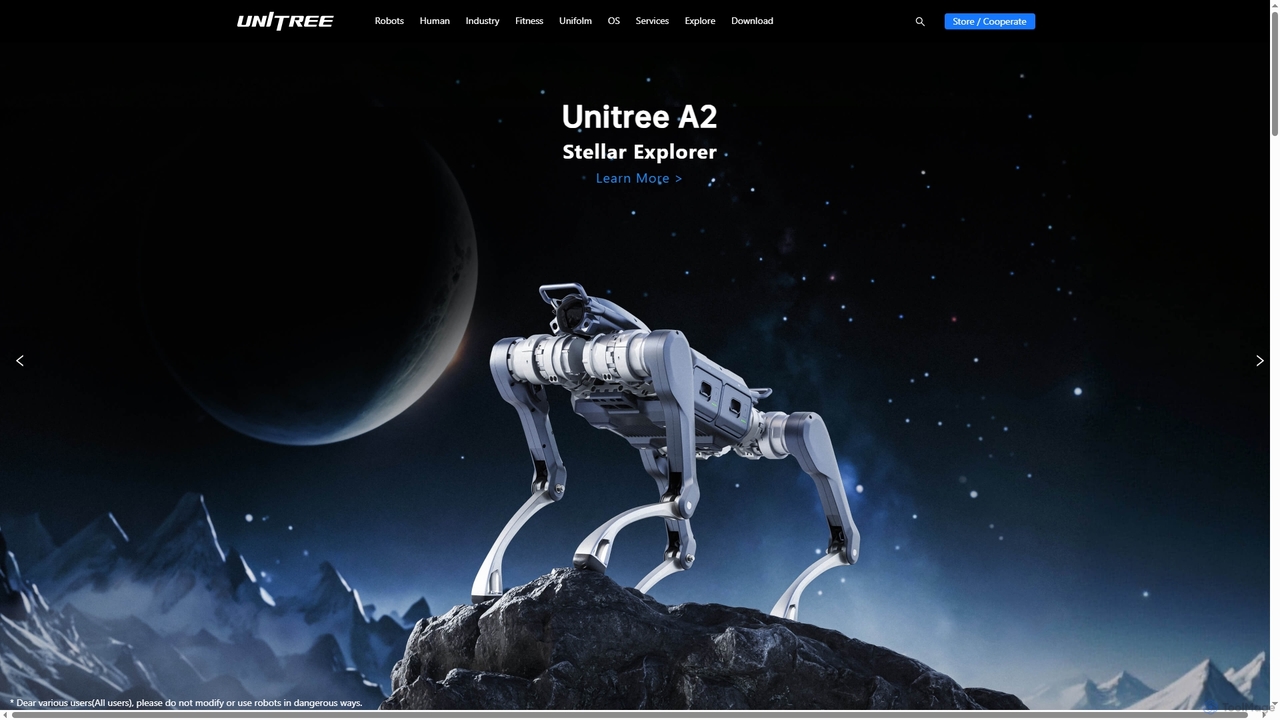
Unitree is a world-renowned robotics company specializing in the R&D, production, and sales of high-performance legged and humanoid robots, robotic arms, and advanced perception systems like 4D LiDAR. They offer innovative solutions for consumer, industrial, and research applications globally.

Personal Robotics
Visits 617.4KFavorites 141Likes 169

About Health And Fitness

AI Health and Fitness tools are applications that leverage artificial intelligence to deliver personalized health monitoring, fitness coaching, and wellness guidance. These tools analyze data from wearables, user input, and biometric sensors through machine learning algorithms to generate tailored recommendations. They empower users to proactively manage their physical and mental well-being by providing data-driven insights on exercise, nutrition, sleep, and stress. The core advantage lies in their ability to adapt in real-time to an individual's progress and changing needs.

Core Features

  • Personalized Planning: Creates custom workout and meal plans based on individual goals, biometrics, and preferences.
  • Real-time Monitoring: Tracks activity levels, heart rate, sleep patterns, and other vital signs using sensor data.
  • Symptom Analysis: Offers preliminary health assessments by analyzing user-reported symptoms and health data.
  • Behavioral Coaching: Provides motivational prompts and data-driven feedback to help build and maintain healthy habits.
  • Predictive Insights: Forecasts health trends and potential risks based on historical data analysis.

Use Cases

These tools are widely used by individuals seeking to improve their overall wellness, athletes optimizing their training regimens, and people managing chronic conditions like diabetes or hypertension. Healthcare providers also use them for remote patient monitoring, enabling continuous care outside of clinical settings.

How to Choose

When selecting an AI Health and Fitness tool, prioritize data privacy and security to protect sensitive information. Check for compatibility with your existing devices, such as smartwatches or fitness trackers. Evaluate the scientific basis of its recommendations and ensure the level of personalization meets your specific health and fitness goals.

Health And Fitness use cases

1

Personalized Fitness Coaching for Beginners

A user new to exercise wants to build a consistent workout habit without the cost of a personal trainer. They use an AI fitness app to set goals for weight loss and muscle toning. The AI generates a progressive, four-week workout plan based on their current fitness level and available home equipment. After each session, the user provides feedback on difficulty, and the AI automatically adjusts the intensity and exercises for the next workout, ensuring continuous challenge while minimizing injury risk.

2

AI-Powered Nutrition and Meal Planning

A busy professional aims to improve their diet but lacks the time for detailed meal prep. Using an AI nutrition coach, they log their meals by taking photos of their food. The AI identifies the ingredients, estimates caloric and macronutrient content, and tracks daily intake against their goals. Based on their dietary preferences and nutritional gaps, the tool suggests simple recipes and generates a weekly shopping list, streamlining the process of healthy eating.

3

Managing Chronic Conditions with AI

A person with type 2 diabetes needs to closely monitor their blood glucose levels. They use an AI health app that syncs with their continuous glucose monitor (CGM) and fitness tracker. The platform integrates this data with their logged meals and medication schedule. The AI identifies patterns, such as how specific foods or activities impact their glucose levels, and provides predictive alerts for potential hypoglycemic or hyperglycemic events, empowering them to take preventative action.

4

AI Support for Mental Wellness and Stress

An individual experiencing work-related stress and anxiety seeks accessible mental health support. They engage with an AI-powered mental wellness chatbot. The tool guides them through daily mood check-ins and journaling exercises. Based on their inputs, the AI suggests relevant guided meditations, breathing exercises, or short Cognitive Behavioral Therapy (CBT) modules. This provides immediate, private support for managing emotional well-being on a daily basis.

5

Sleep Pattern Analysis and Optimization

A user suffering from poor sleep quality wants to understand and improve their rest. They wear a fitness tracker to bed, which syncs with an AI sleep analysis tool. The AI analyzes their sleep stages (light, deep, REM), duration, and interruptions throughout the night. It then provides a daily sleep score and personalized recommendations, such as adjusting bedtime, avoiding caffeine late in the day, or creating a more relaxing evening routine to enhance sleep quality.

6

Preliminary Symptom Assessment with an AI Checker

Someone develops a non-emergency symptom like a persistent cough and wants to understand potential causes before contacting a doctor. They use an AI symptom checker, describing their symptoms and answering a series of adaptive questions about their medical history and lifestyle. The AI analyzes the information against a vast medical database and provides a list of possible conditions, along with a recommendation on the urgency of seeking professional medical care, helping them make an informed decision.

Health And Fitness FAQ

What are AI Health and Fitness tools?

AI Health and Fitness tools are digital applications that use artificial intelligence to provide personalized guidance for physical and mental well-being. They analyze user data from sources like fitness trackers, smartwatches, and manual inputs to offer customized workout plans, nutritional advice, sleep analysis, and stress management support. Their primary function is to act as a data-driven personal wellness coach, adapting to your unique needs and progress over time.

How do I choose the right AI Health and Fitness app?

To choose the right app, consider these factors:

  • Your Goal: Select a tool specializing in your primary objective, whether it's fitness, nutrition, sleep, or mental health.
  • Data Privacy: Review the app's privacy policy to understand how your sensitive health data is handled and protected.
  • Device Compatibility: Ensure the app syncs seamlessly with your existing wearables, like an Apple Watch, Fitbit, or Garmin.
  • Scientific Validity: Look for apps that base their recommendations on evidence-based research and consult with medical or fitness professionals.
Are AI symptom checkers a reliable substitute for a doctor?

No, AI symptom checkers are not a substitute for a professional medical diagnosis. They are designed as informational tools to help you understand potential causes of your symptoms and make more informed decisions about seeking care. They use algorithms to compare your symptoms to a database of medical conditions. You should always consult a qualified healthcare provider for any medical concerns, diagnosis, or treatment.

What kind of data do AI Health and Fitness tools collect?

These tools typically collect a wide range of data to provide personalized insights. Common data points include:

  • Activity Data: Steps taken, distance covered, calories burned, and exercise duration.
  • Biometric Data: Heart rate, heart rate variability (HRV), sleep stages, and blood oxygen levels from wearables.
  • User-Logged Data: Meals and water intake, weight, mood, symptoms, and medication schedules.

It is crucial to review each tool's privacy policy to know exactly what data is collected and how it is used.

How can AI improve my workout routine?

AI can significantly enhance a workout routine by introducing dynamic personalization. Unlike static plans, an AI coach analyzes your performance, heart rate data, and post-workout feedback to adjust future sessions. It can increase difficulty to prevent plateaus, suggest alternative exercises if you lack equipment, and optimize rest periods. Some tools even use your device's camera to analyze your form and provide real-time corrective feedback, reducing the risk of injury and making your training more effective.