My Head Chef
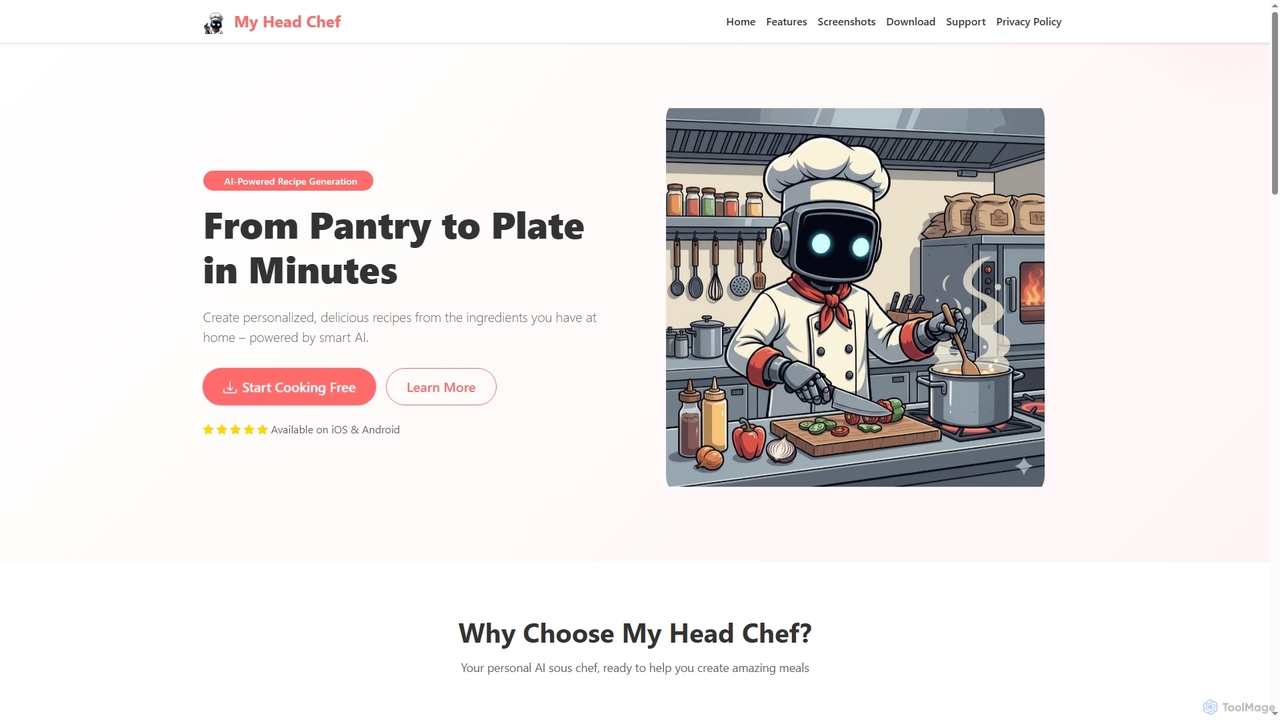
My Head Chef is an AI-powered recipe generator app that creates personalized, chef-quality meals from the ingredients you …
My Head Chef is an AI-powered recipe generator app that creates personalized, chef-quality meals from the ingredients you have on hand. It supports various dietary preferences, generates smart shopping lists, and allows you to save recipes for offline access. Start for free or upgrade for unlimited features.
FITA
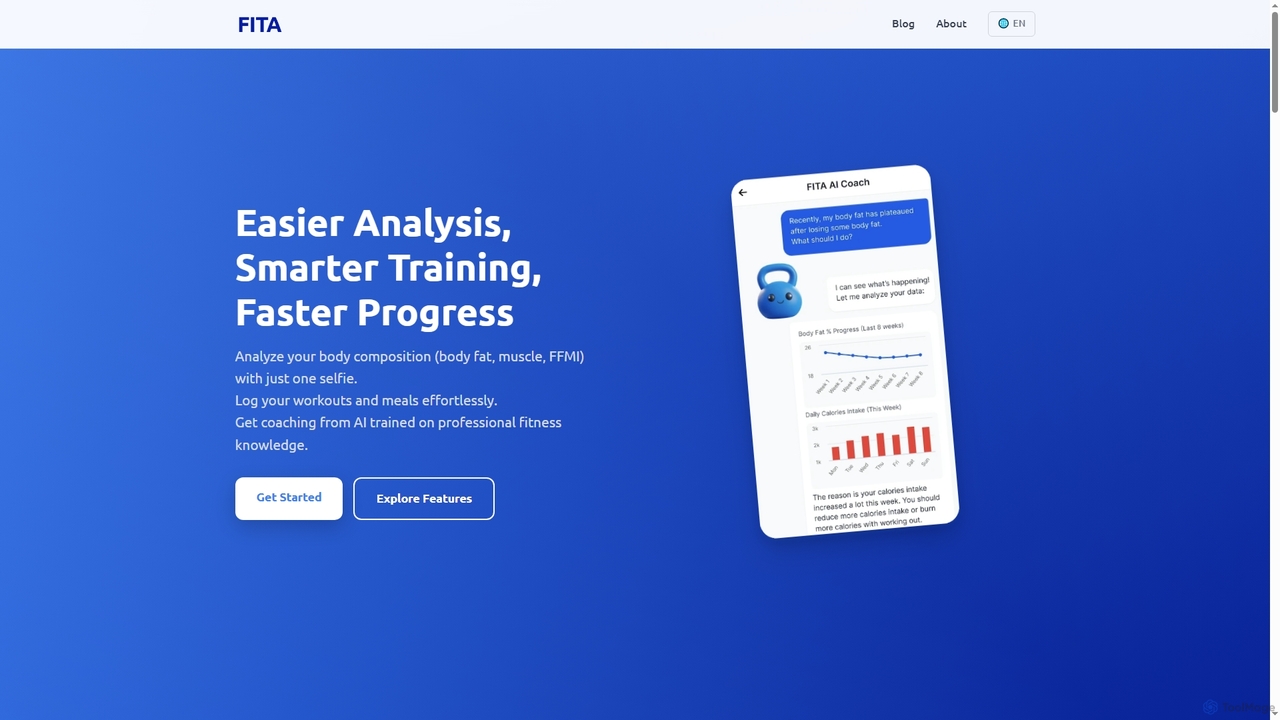
FITA is an all-in-one AI fitness app by sentiF AI that provides a comprehensive solution for body transformation. …
FITA is an all-in-one AI fitness app by sentiF AI that provides a comprehensive solution for body transformation. It features an AI-powered body composition scan using just a selfie, personalized fitness coaching based on your data, and detailed trackers for workouts and nutrition. The app aims to make fitness more efficient and data-driven, helping users accurately monitor progress and achieve their health goals.
Dietapp.ai
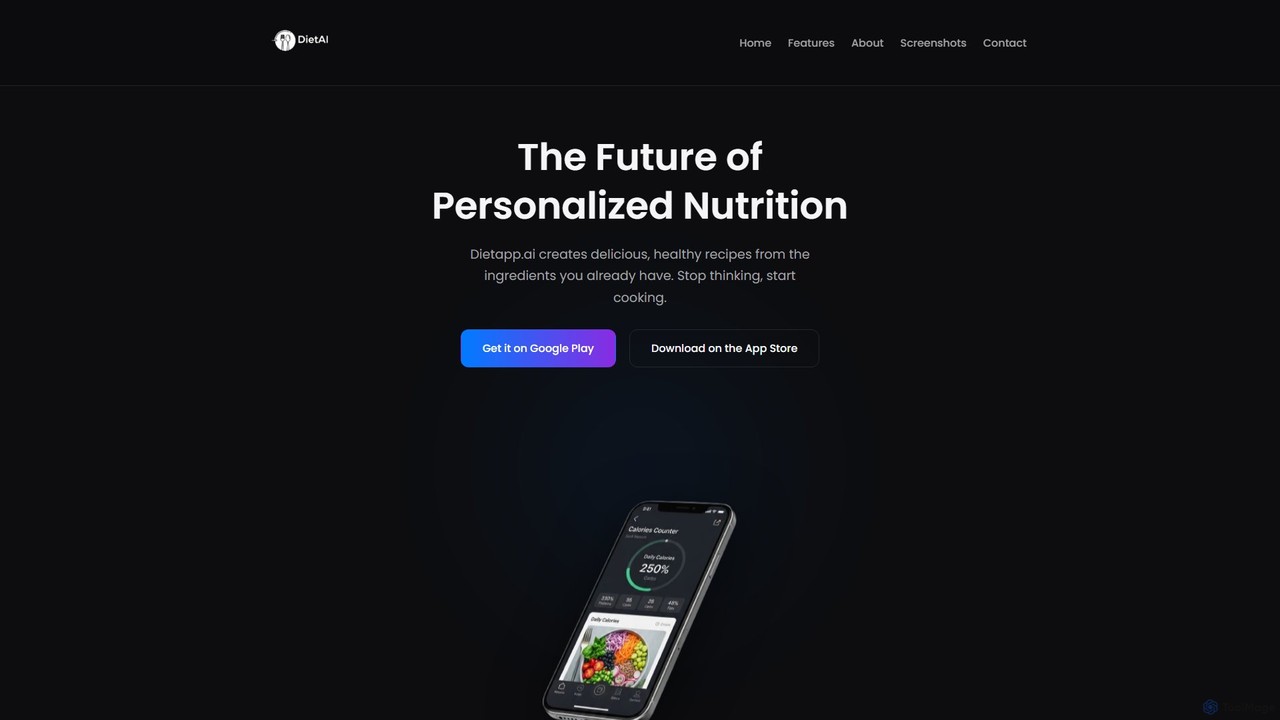
Dietapp.ai is your personal AI chef, transforming the ingredients you already have into delicious, healthy, and personalized recipes. …
Dietapp.ai is your personal AI chef, transforming the ingredients you already have into delicious, healthy, and personalized recipes. This app helps you reduce food waste, save money, and discover new culinary creations, all while catering to your specific dietary needs and preferences.
Calorieasy
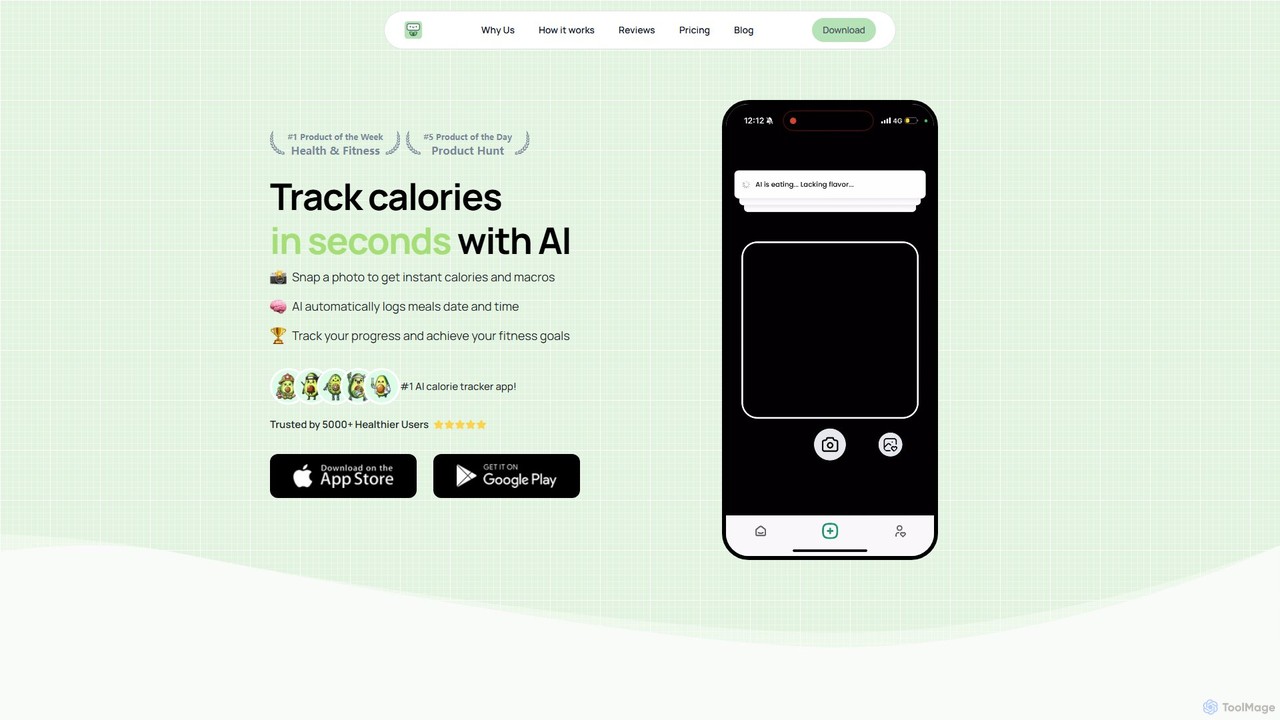
Calorieasy is an AI-powered calorie counter app that simplifies nutrition tracking. Just snap a photo of your meal, …
Calorieasy is an AI-powered calorie counter app that simplifies nutrition tracking. Just snap a photo of your meal, and the app instantly analyzes it to provide detailed calorie and macronutrient information (protein, carbs, fats). It offers personalized daily goals, automatically organizes your meal logs into a timeline, and supports a wide range of cuisines. Designed for both iOS and Android, Calorieasy makes achieving your health and fitness goals easier by eliminating tedious manual entry.

Cookly
Cookly is an AI-powered nutrition app designed to provide a truly personalized health journey. It uses advanced algorithms …
Cookly is an AI-powered nutrition app designed to provide a truly personalized health journey. It uses advanced algorithms to offer dynamic macro tracking that adapts to your metabolism, and personalized food recommendations based on your goals and preferences, making it easier than ever to lose weight, gain muscle, or maintain a healthy lifestyle.
MenuGuide
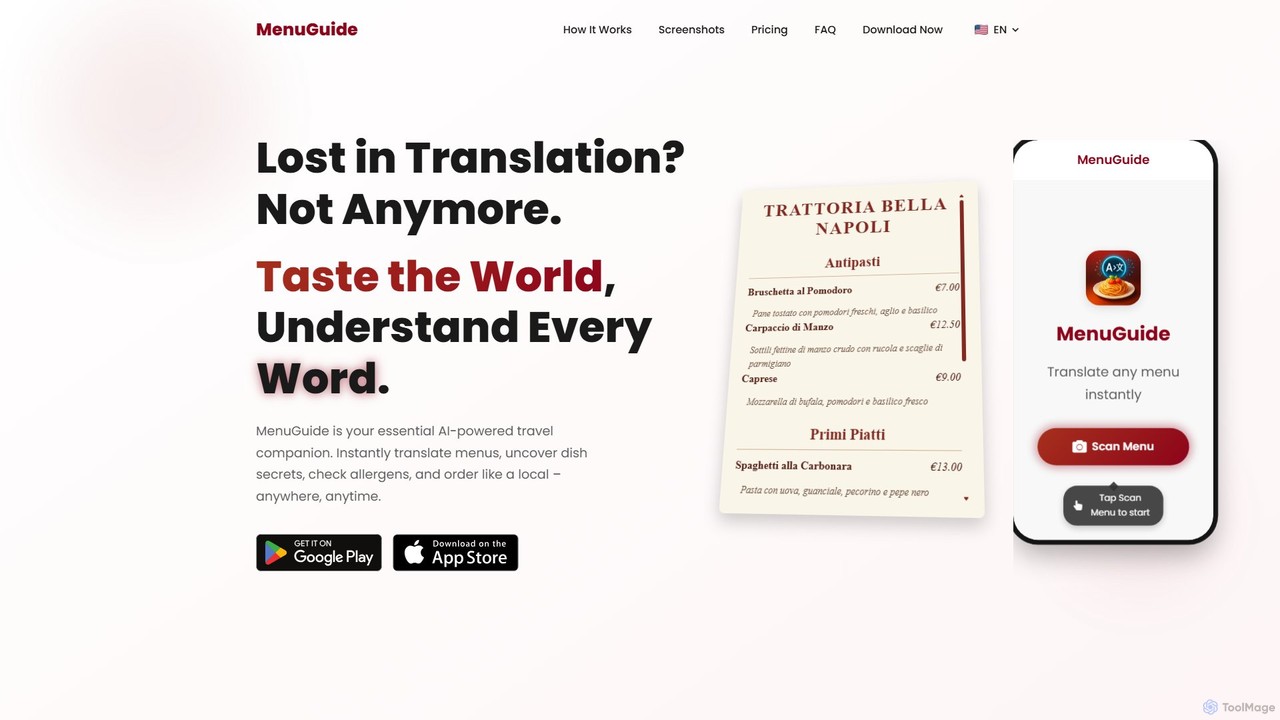
MenuGuide is an AI-powered menu translator and culinary guide for travelers, foodies, and those with dietary restrictions. Using …
MenuGuide is an AI-powered menu translator and culinary guide for travelers, foodies, and those with dietary restrictions. Using your phone's camera, it instantly translates and explains foreign menu items, including handwritten ones. The app provides detailed dish descriptions, ingredient insights, and personalized alerts for allergens, making dining abroad simple, safe, and enjoyable.
fitboxlab
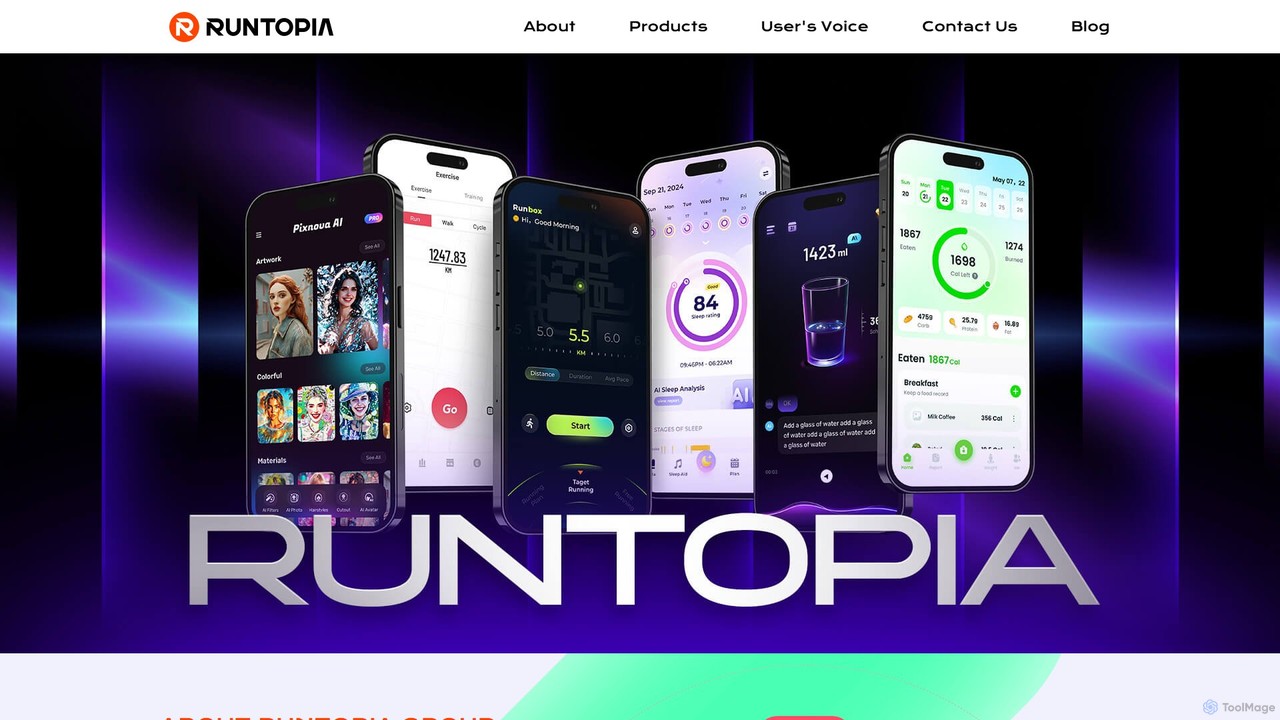
fitboxlab offers a suite of AI-powered health and fitness mobile apps by Runtopia Group. Leveraging GPT-4, these apps …
fitboxlab offers a suite of AI-powered health and fitness mobile apps by Runtopia Group. Leveraging GPT-4, these apps provide personalized solutions for running coaching (Runbox), calorie tracking (CalorieScan), smart hydration (AI Water), and sleep analysis (SleepMaster). It aims to help users build healthy lifestyles through intelligent, data-driven guidance and motivation.
January AI
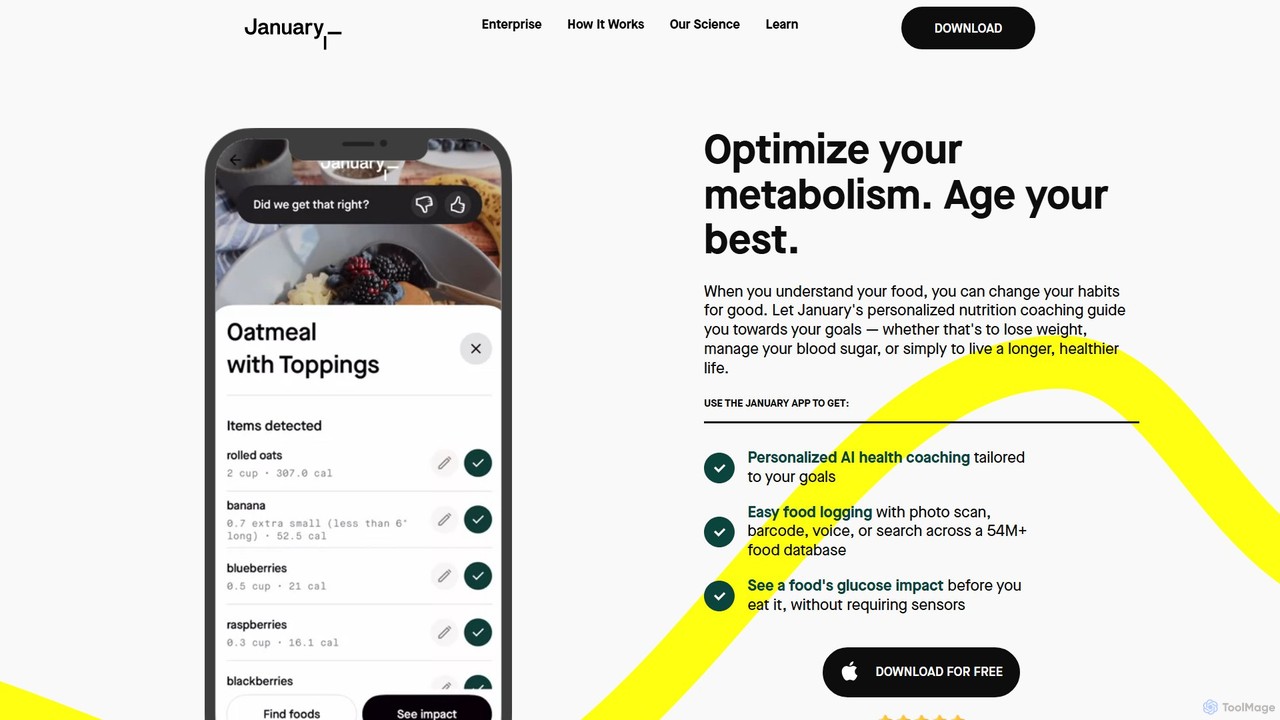
January AI is an AI-powered health application that acts as a personal nutrition coach. It helps users manage …
January AI is an AI-powered health application that acts as a personal nutrition coach. It helps users manage metabolic health by logging food, predicting its glucose impact before eating, and providing personalized plans. The app aims to assist with weight loss, blood sugar management, and building long-term healthy habits, even without a continuous glucose monitor (CGM).
About Nutrition
AI Nutrition tools are intelligent applications that provide personalized dietary guidance and meal planning. They leverage machine learning algorithms to analyze health goals, dietary preferences, and biometric data to create customized nutrition strategies. These tools go beyond simple calorie counting by offering dynamic adjustments, recipe generation, and in-depth analysis of micronutrients. This data-driven approach helps users optimize their health, manage weight, and achieve specific fitness objectives more effectively.
Core Features
- Personalized Meal Planning: Generates daily or weekly meal plans based on individual goals, allergies, and food preferences.
- Smart Food Logging: Uses image recognition and natural language processing to quickly log meals and analyze their nutritional content.
- Nutrient Tracking: Provides detailed breakdowns of macronutrients (protein, carbs, fats) and micronutrients (vitamins, minerals).
- Recipe Generation & Adaptation: Creates new recipes or modifies existing ones to fit specific dietary requirements.
- Progress Monitoring & Insights: Tracks trends and offers insights into how diet impacts weight, energy levels, and overall well-being.
Use Cases
These tools are widely used by individuals for weight management, athletes for performance optimization, and people with dietary restrictions like gluten intolerance or veganism. Nutritionists and dietitians also use them to manage clients and provide data-driven advice efficiently.
How to Choose
When selecting an AI Nutrition tool, consider the specificity of its meal planning algorithms, the accuracy of its food database and recognition technology, its ability to integrate with fitness trackers, and the quality of the insights it provides. Also, evaluate the user interface and whether its pricing model aligns with your long-term usage.
NutritionUse Cases
Create a Personalized Weight Management Plan
An individual aiming for weight loss uses an AI Nutrition tool to set their target weight and activity level. The AI generates a weekly meal plan with calorie and macro targets, complete with recipes and a grocery list. By logging meals using photo recognition, the user tracks their intake effortlessly. The tool provides feedback, adjusting recommendations if weight loss plateaus, helping them build sustainable healthy eating habits without the guesswork.
Optimize Nutrition for Athletic Performance
A marathon runner prepares for a race by inputting their training schedule into an AI Nutrition app. The tool calculates their daily energy and macronutrient needs, adjusting for high-intensity training days versus rest days. It suggests pre-workout snacks for energy and post-workout meals rich in protein for recovery. This ensures the athlete is properly fueled, maximizing performance and minimizing injury risk.
Manage Complex Dietary Restrictions
A user with celiac disease and a dairy intolerance needs to plan safe and balanced meals. They input their restrictions into an AI Nutrition tool. The platform filters its extensive recipe database to suggest only gluten-free and dairy-free options. It also helps identify hidden allergens in packaged foods by scanning barcodes, making grocery shopping and meal preparation safer and less stressful.
Simplify Healthy Family Meal Planning
A parent responsible for family meals uses an AI tool to cater to diverse needs: a vegetarian teenager, a spouse on a low-carb diet, and their own balanced diet. The AI generates a cohesive weekly plan with meal variations that share common base ingredients, reducing cooking time and food waste. It ensures everyone receives balanced nutrition while simplifying the complex task of planning for multiple dietary profiles.
Support for Managing Chronic Conditions
A person recently diagnosed with Type 2 Diabetes uses an AI Nutrition tool recommended by their doctor. The tool helps them log meals and monitor carbohydrate intake to manage blood sugar levels. It suggests low-glycemic recipes and provides insights on how different foods impact their glucose readings, empowering them to make informed dietary choices that support their health management plan.
Enhance Professional Nutrition Coaching
A registered dietitian uses an AI Nutrition platform to manage multiple clients. Clients log their food through a shared app, and the dietitian can view their diaries, nutrient reports, and progress in real-time on a central dashboard. The AI flags potential nutrient deficiencies or non-adherence, allowing the dietitian to provide timely, personalized feedback and adjustments, scaling their practice effectively.