Travel Best in category 3 results Dining AI Tool

Popular AI tools in the Dining field of Travel include OpenTable、sommel_ai、MenuGuide, etc., helping you quickly improve efficiency.

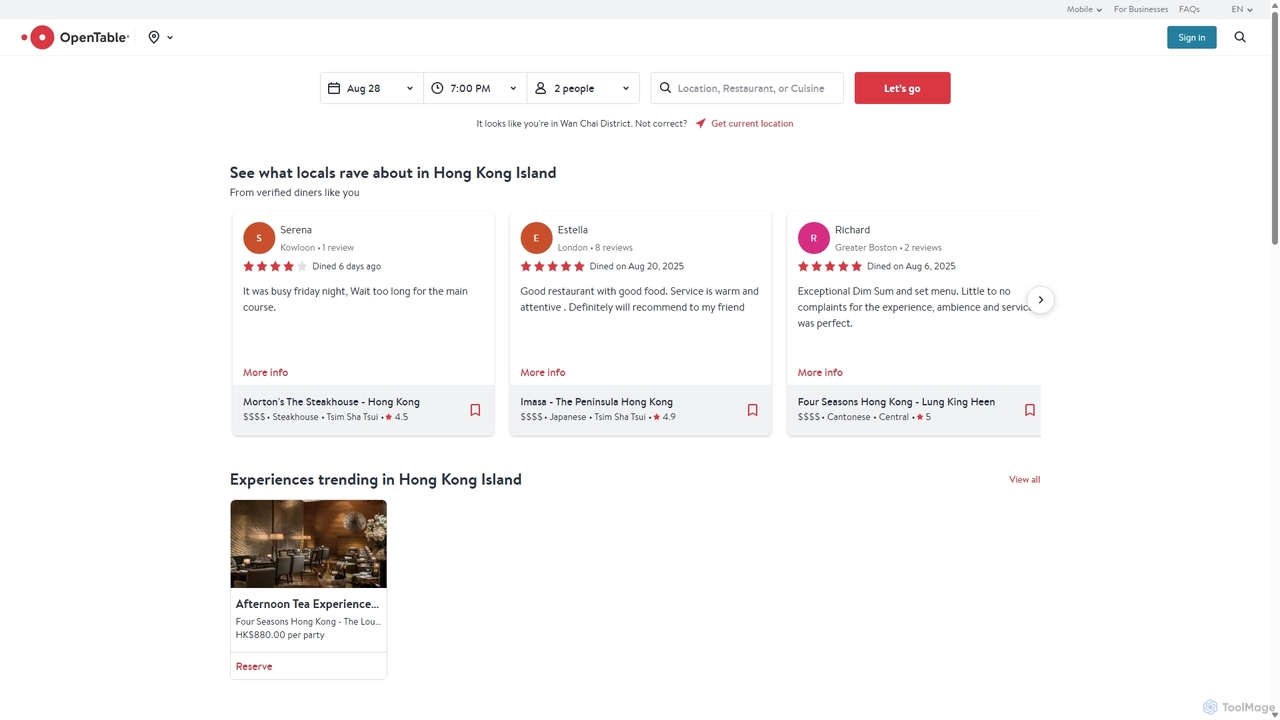
OpenTable

OpenTable

OpenTable is the world's leading platform for online restaurant reservations. Discover and book tables at over 60,000 restaurants …

41.0M
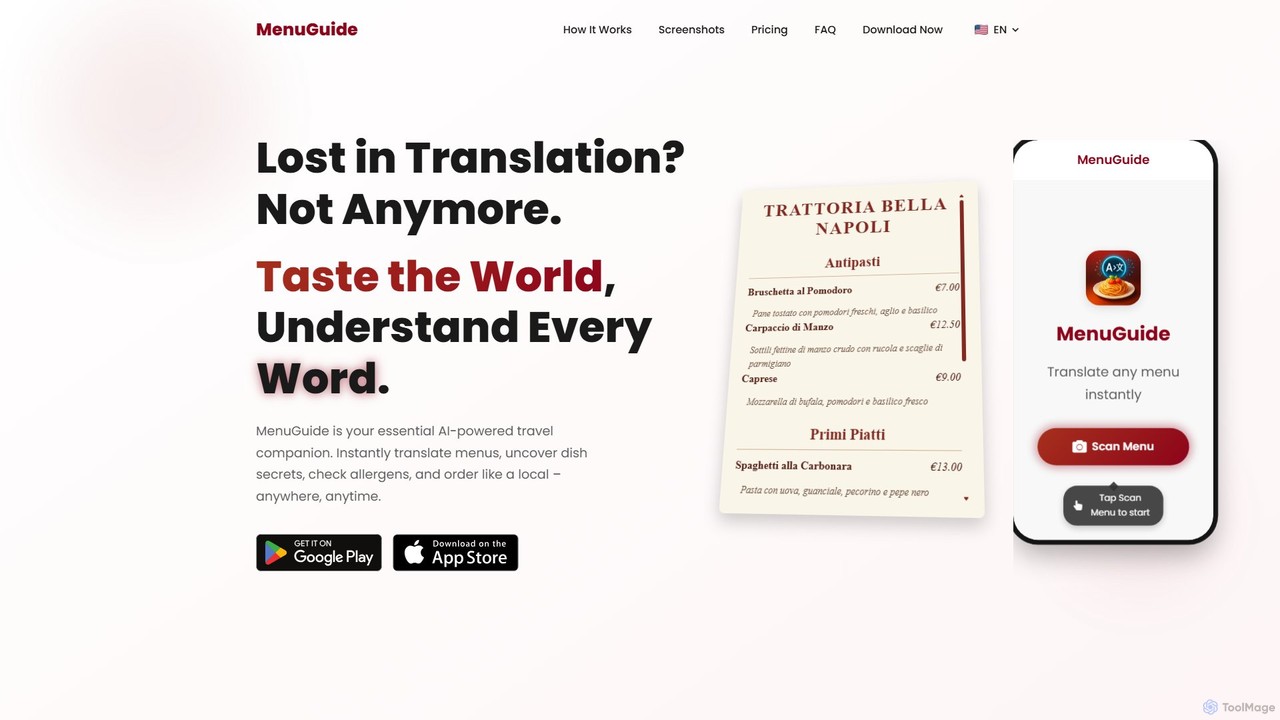
MenuGuide

MenuGuide

MenuGuide is an AI-powered menu translator and culinary guide for travelers, foodies, and those with dietary restrictions. Using …

1.8K
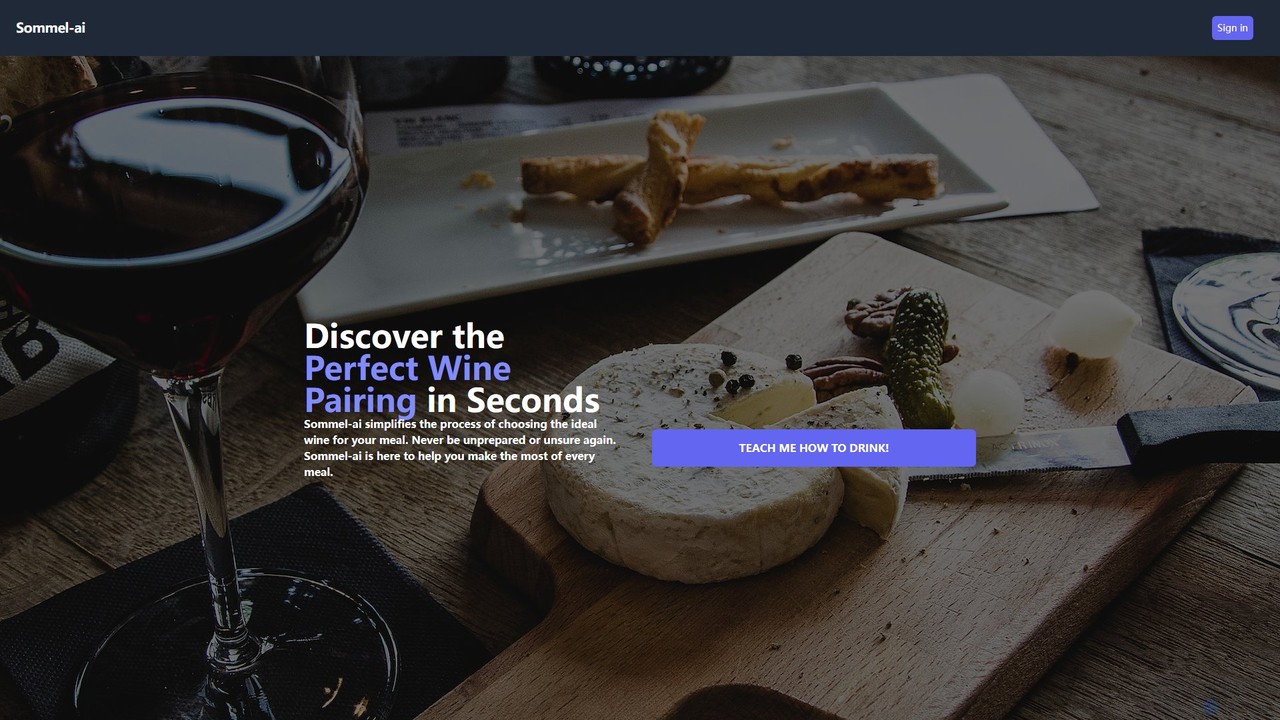
sommel_ai

sommel_ai

sommel_ai is your personal AI sommelier. Simply snap a photo of any restaurant menu, and this intelligent tool …

1.8K

About Dining

AI Dining tools are a specialized category of AI-powered solutions designed to optimize various aspects of the food service and hospitality industry, enhancing the overall travel experience. These tools leverage advanced algorithms, machine learning, and natural language processing to streamline operations, personalize customer interactions, and improve decision-making within restaurants, cafes, hotels, and other dining establishments. They aim to boost efficiency, reduce waste, and elevate the culinary journey for both businesses and consumers.

Core Features

  • Automated Reservation & Table Management: AI systems that manage bookings, optimize table assignments, and predict no-shows to maximize seating capacity.
  • Personalized Menu Recommendations: AI algorithms analyze customer preferences and past orders to suggest dishes, drinks, or dietary options.
  • Demand Forecasting & Inventory Optimization: Predictive AI models that forecast customer traffic and ingredient needs, reducing food waste and optimizing stock levels.
  • AI-Powered Customer Service: Chatbots and virtual assistants for handling inquiries, taking orders, and providing instant support to diners.
  • Menu Engineering & Pricing: AI tools that analyze sales data and ingredient costs to suggest optimal menu layouts and pricing strategies for profitability.

Use Cases

AI Dining tools are invaluable for restaurant owners seeking operational excellence, hotel F&B managers aiming to enhance guest experiences, and food tech innovators developing next-generation services. They are used to automate routine tasks, gain insights from vast amounts of data, and deliver highly customized services, ensuring a seamless and enjoyable dining experience for customers.

How to Choose

When selecting AI Dining tools, consider the specific operational needs of your establishment, such as reservation volume, menu complexity, and customer interaction points. Evaluate the tool's integration capabilities with existing POS and CRM systems, its scalability to accommodate growth, and the level of customization offered for menus and customer profiles. Prioritize solutions with robust analytics and intuitive interfaces that align with your team's technical proficiency and budget.

DiningUse Cases

1

Optimizing Restaurant Table Management

Restaurant managers can utilize AI dining tools to dynamically manage table assignments, predict no-shows, and optimize seating capacity. By analyzing historical data and real-time booking patterns, the AI system can suggest the most efficient table layouts and timing, reducing wait times for customers and maximizing revenue during peak hours. This leads to a smoother flow of service and improved customer satisfaction.

2

Personalized Dining Recommendations for Travelers

Travelers can use AI dining apps to receive personalized restaurant and dish recommendations based on their dietary preferences, past reviews, location, and even real-time mood. The AI processes vast amounts of culinary data and user feedback to suggest unique dining experiences, helping tourists discover local gems or specific cuisines that perfectly match their tastes, making their travel more enjoyable.

3

Automating Customer Service for Food Establishments

Restaurants and cafes can deploy AI chatbots to handle routine customer inquiries, take orders, and provide instant information about menus, opening hours, or special offers. These AI assistants can operate 24/7, reducing the workload on human staff and ensuring that customers receive quick, consistent responses, thereby improving overall service efficiency and customer satisfaction without human intervention.

4

Predicting Demand and Optimizing Inventory for F&B

Food and beverage businesses, including hotel restaurants and catering services, can leverage AI to forecast demand for specific dishes or ingredients. By analyzing seasonal trends, local events, weather patterns, and past sales data, AI tools can accurately predict future needs, allowing businesses to optimize inventory, reduce food waste, and ensure fresh ingredients are always available, leading to significant cost savings.

5

Enhancing Menu Engineering and Pricing Strategies

Restaurant owners can use AI dining tools to analyze menu performance, ingredient costs, and customer preferences to optimize menu design and pricing. AI can identify which dishes are most profitable, which items should be promoted, and how price changes might impact demand. This data-driven approach helps maximize revenue and improve overall menu efficiency, ensuring a competitive edge in the market.

6

Streamlining Food Delivery Logistics with AI

Food delivery platforms and restaurants offering delivery services can utilize AI dining tools to optimize delivery routes, manage driver assignments, and predict delivery times more accurately. AI algorithms consider traffic, order volume, and driver availability to create efficient logistics, reducing delivery costs and ensuring timely food arrival, which significantly enhances customer satisfaction for off-premise dining.

DiningFrequently Asked Questions