ToolMage
Sign in

Best 7 Booking AI tools for Travel

Popular Booking AI tools in Travel include KAYAK, ixigo, TripOffice, Swifty, Travellergram, Odeen, and besthotel.ai, helping you work more efficiently.

KAYAK
Free

KAYAK

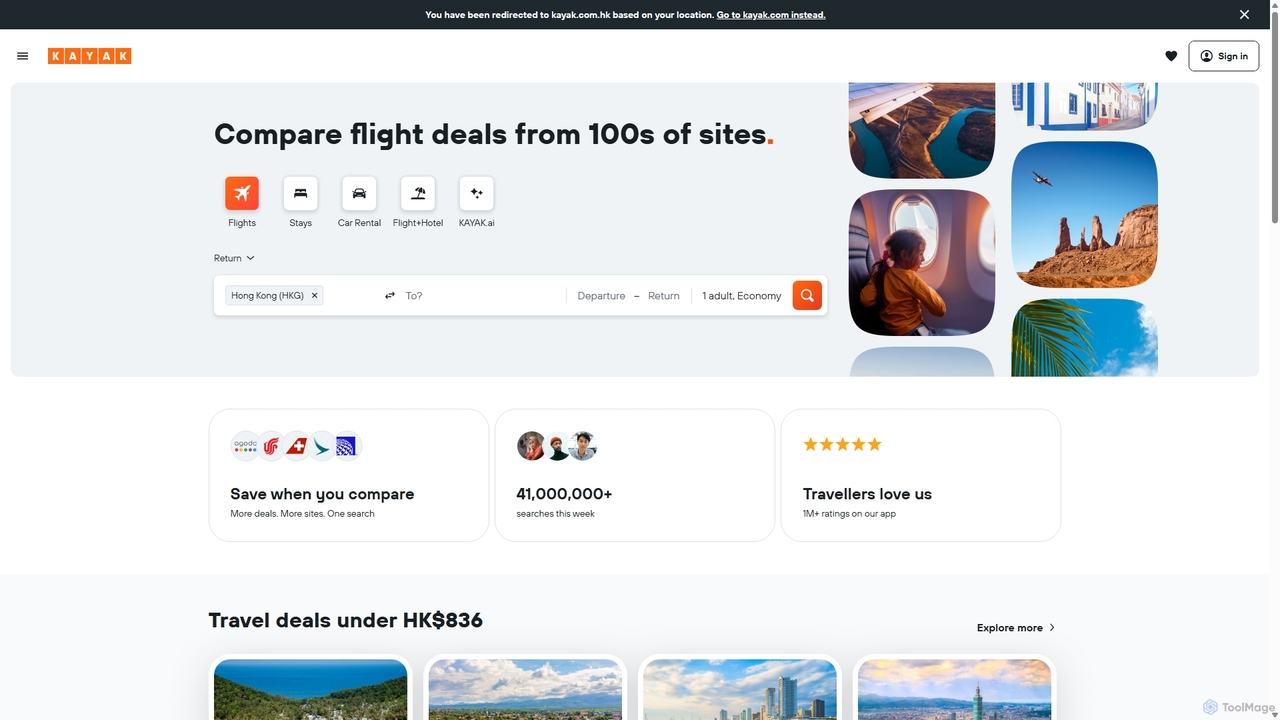
KAYAK is an AI-powered travel search engine that processes billions of queries to help users find the best deals on flights, hotels, and rental cars. It compares prices from hundreds of travel sites at once, offering tools like Price Alerts, itinerary management with Trips, and a new conversational AI feature, KAYAK.ai, to simplify travel planning and ensure confident booking decisions.

Travel Assistant
Visits 36.6MFavorites 112Likes 112
Travellergram
Free

Travellergram

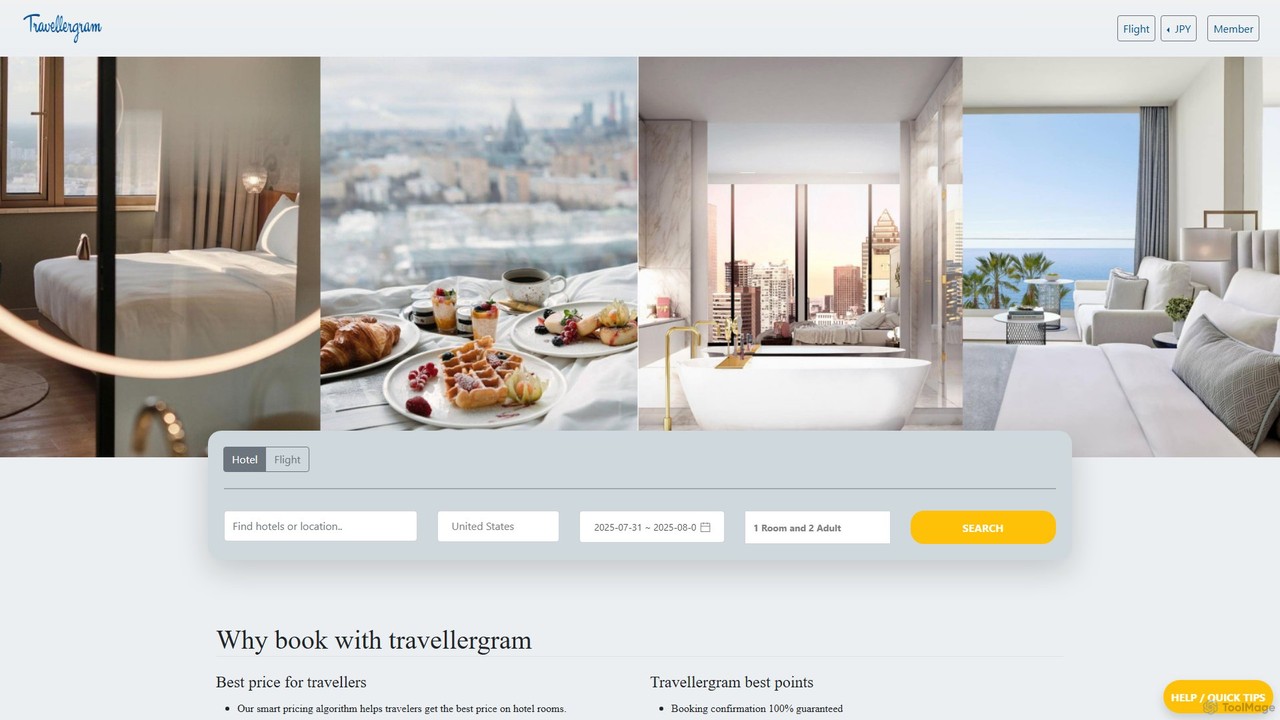
Travellergram is an AI-powered travel booking platform designed to find the best prices on hotels and flights. Its smart pricing algorithm compares thousands of options worldwide to offer the cheapest rates, potentially saving users up to $100 per booking. With a focus on security, transparency, and 24/7 human support, Travellergram simplifies travel planning for both leisure and business travelers, ensuring guaranteed bookings with no hidden fees.

Price Comparison
Visits 5.6KFavorites 131Likes 118
besthotel.ai
Free

besthotel.ai

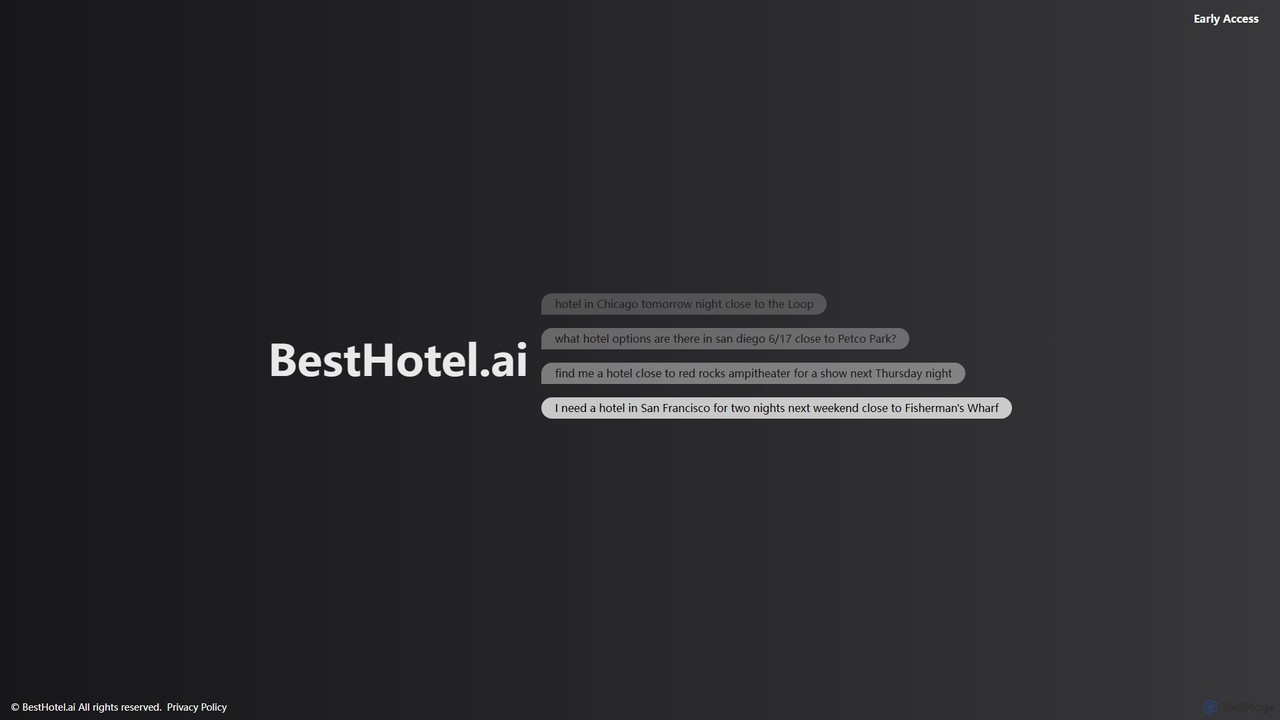
besthotel.ai is an AI-powered travel assistant that simplifies hotel booking. Using natural language, users can describe their travel needs—like location, dates, and proximity to landmarks—to receive personalized hotel recommendations. It streamlines the search process, eliminating complex forms and filters for a fast, conversational booking experience.

Trip Planning
Visits 4.7KFavorites 123Likes 135
ixigo
Freemium

ixigo

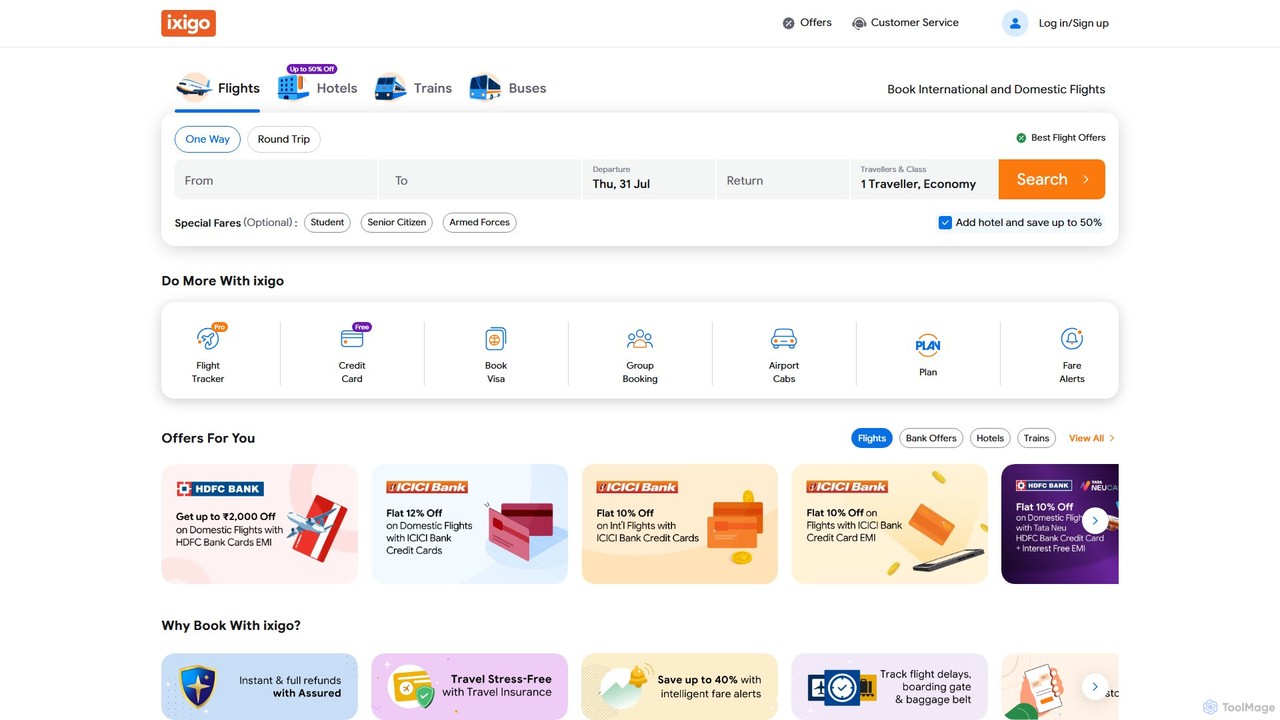
ixigo is an AI-powered travel platform from India, designed to simplify trip planning and booking. It uses artificial intelligence to provide smart travel solutions, including flight, train, bus, and hotel bookings. Key features include real-time PNR status prediction, fare alerts, personalized recommendations, and automated customer support, making travel seamless and cost-effective for millions of users.

Travel
Visits 11.3MFavorites 115Likes 115
Swifty
Paid

Swifty

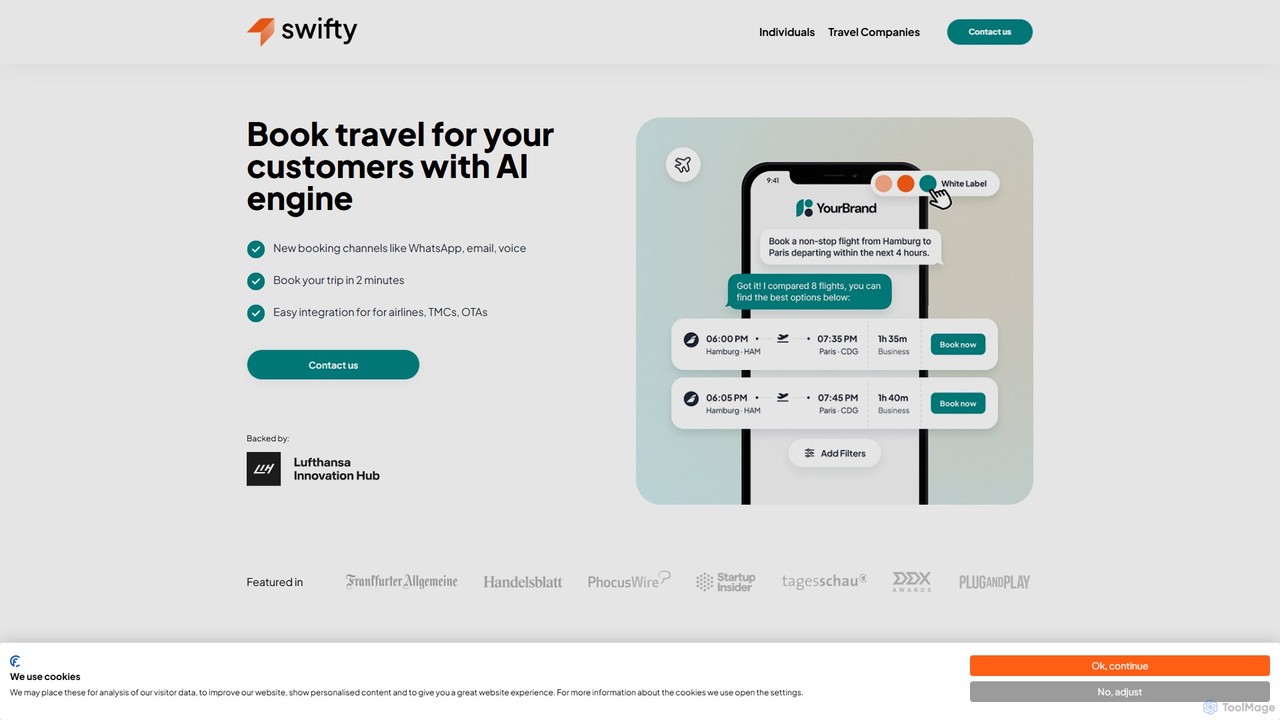
Swifty is an AI-powered travel booking engine for airlines, travel management companies (TMCs), and online travel agencies (OTAs). It enables seamless booking through conversational channels like WhatsApp, email, and voice, simplifying the entire travel planning, booking, and payment process. The platform offers easy integration, white-label solutions, and access to a vast inventory of flights, hotels, and trains to enhance customer experience and boost revenue.

Corporate Travel
Visits 7.1KFavorites 128Likes 146
Odeen
Freemium

Odeen

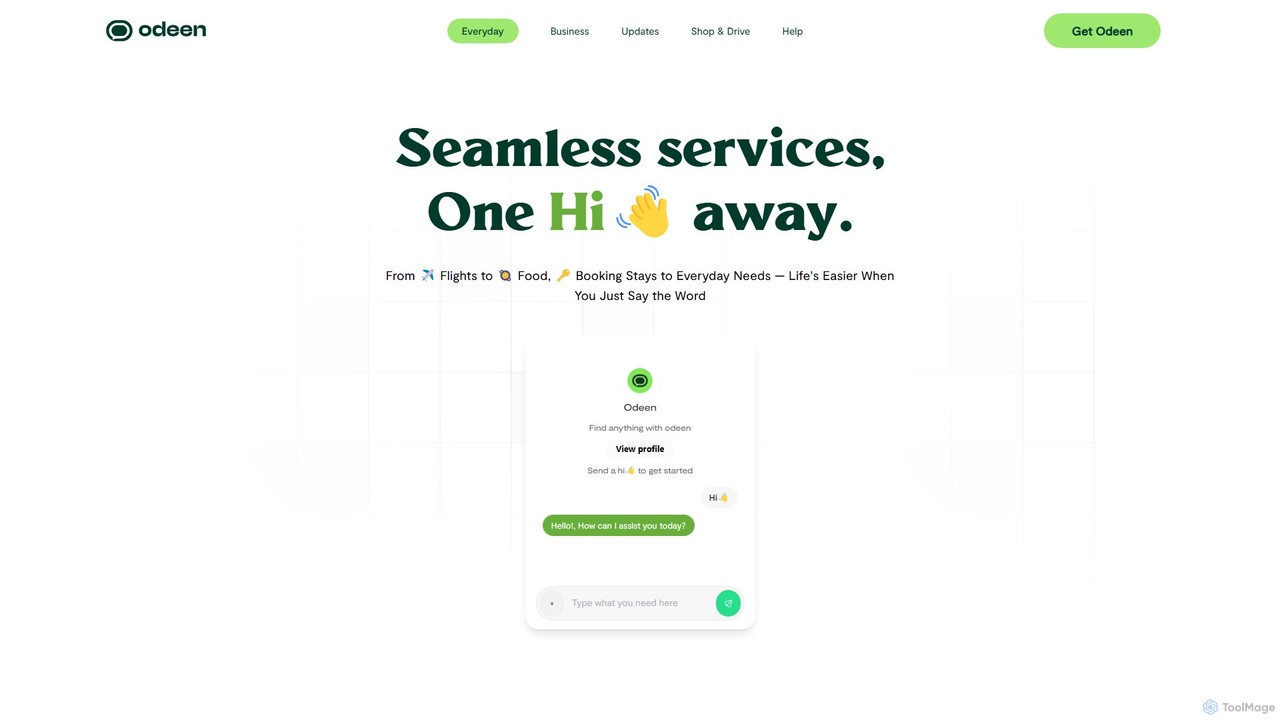
Odeen is an all-in-one AI-powered super app that simplifies daily life by allowing users to order products and services through a single conversational interface. From booking flights and hotels to ordering food, finding jobs, and even doing laundry, Odeen consolidates numerous tasks into one chat. It also offers Odeen Studio, a platform for businesses to create their own custom AI sales and support bots.

Chatbot
Visits 4.9KFavorites 101Likes 97
TripOffice
Free

TripOffice

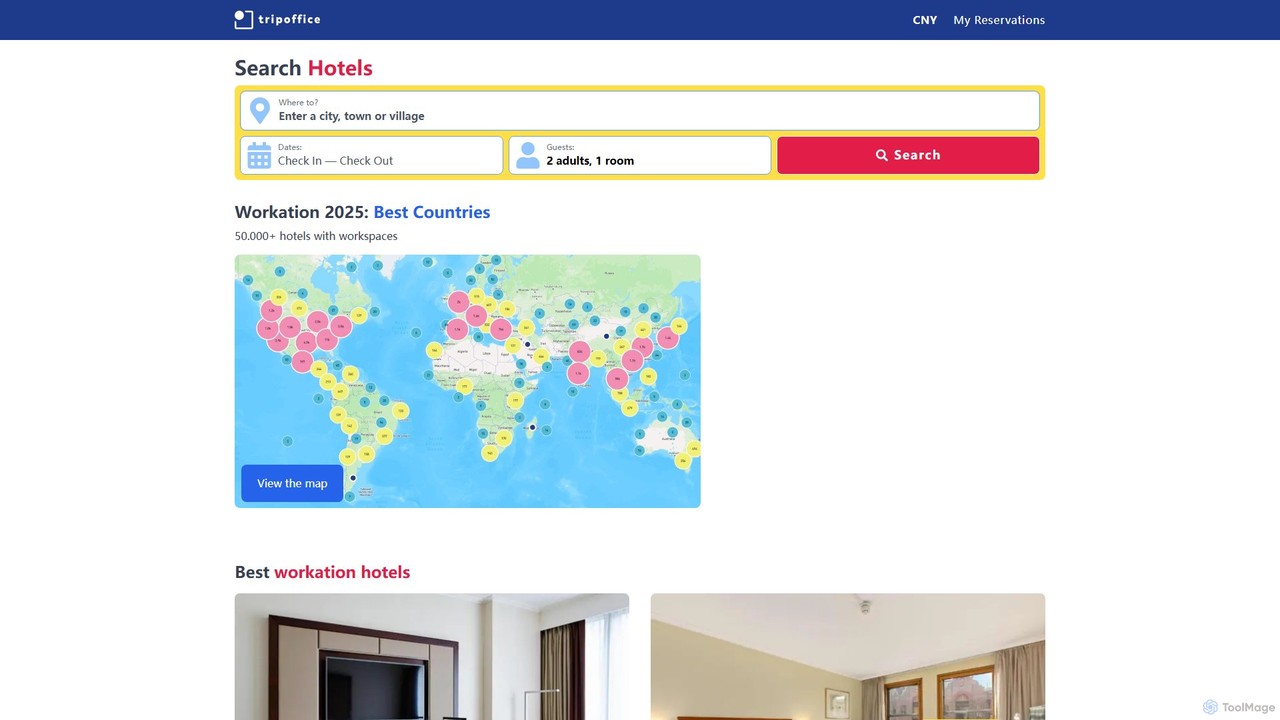
TripOffice is an AI-powered hotel booking platform for digital nomads and remote workers. It uses AI to analyze millions of hotel photos, identifying and verifying over 50,000 properties worldwide that have dedicated workspaces, ensuring you can work comfortably and productively from anywhere.

Digital Nomad
Visits 9.8KFavorites 129Likes 111

About Booking

Booking AI tools are intelligent platforms that leverage artificial intelligence to automate, optimize, and personalize the reservation process for various services, accommodations, travel, and appointments. These tools utilize advanced algorithms, natural language processing (NLP), and machine learning to understand user intent, predict preferences, and manage complex scheduling logistics. They significantly streamline operations for businesses and enhance the user experience by providing efficient, accurate, and tailored booking solutions, forming a critical component within the broader travel and service industries.

Core Features

  • Intelligent Scheduling: Automatically finds and suggests optimal times, resources, or availability based on complex criteria and real-time data.
  • Personalized Recommendations: Analyzes user history and preferences to offer tailored suggestions for flights, hotels, services, or events.
  • Dynamic Pricing & Availability: Adjusts prices and shows real-time inventory based on demand, seasonality, and other market factors.
  • Automated Communication: Handles booking confirmations, reminders, and updates via chatbots, email, or SMS, reducing manual workload.
  • Fraud Detection: Identifies and flags suspicious booking patterns or fraudulent activities to protect businesses and users.

Applicable Scenarios

AI booking tools are indispensable across various sectors. In the travel industry, they power online travel agencies (OTAs) and airlines for flight and hotel reservations. Healthcare providers use them for patient appointment scheduling and resource allocation. Hospitality businesses like restaurants and hotels leverage them for table and room bookings, while event organizers utilize them for ticket sales and venue management.

How to Choose

When selecting an AI booking tool, prioritize its integration capabilities with existing CRM, calendar, and payment systems. Evaluate its scalability and customization options to ensure it can grow with your needs. Assess the sophistication of its AI features, such as NLP accuracy for intent recognition and the intelligence of its recommendation engine. Finally, consider the user experience for both customers and administrators, ensuring ease of use and robust reporting features.

Booking use cases

1

Automated Flight & Hotel Itinerary Creation

Travel agents or individual travelers can use AI booking tools to automatically generate comprehensive flight and hotel itineraries. By inputting destination, dates, and preferences, the AI analyzes millions of options, considering factors like price, layovers, airline ratings, and hotel amenities, to present optimized travel plans, saving hours of manual research and comparison.

2

Optimized Corporate Meeting Room Scheduling

Large organizations leverage AI booking tools to efficiently manage meeting room reservations. The AI considers factors such as attendee availability, room capacity, required equipment, and time zone differences to suggest and book the most suitable room, minimizing conflicts and maximizing resource utilization across multiple offices.

3

Personalized Hotel & Activity Recommendations

Online travel platforms deploy AI booking tools to offer highly personalized recommendations for hotels, tours, and local activities. Based on a user's past bookings, browsing history, stated preferences, and even real-time location data, the AI curates relevant suggestions, significantly enhancing the discovery and booking experience.

4

24/7 Patient Appointment Booking for Clinics

Healthcare clinics utilize AI-powered booking systems to allow patients to schedule appointments around the clock. The AI chatbot or interface guides patients through available slots, collects necessary information, and sends automated confirmations and reminders, reducing administrative burden and improving patient access to care.

5

Dynamic Event Ticket Pricing & Allocation

Event organizers employ AI booking tools to implement dynamic pricing strategies for concerts, sports events, or conferences. The AI analyzes demand, sales velocity, historical data, and competitor pricing to adjust ticket prices in real-time, maximizing revenue while ensuring optimal attendance and fair allocation.

6

Streamlined Restaurant Table Reservation Management

Restaurants use AI booking tools to manage table reservations more effectively. The system can handle online bookings, optimize table assignments based on party size and dining duration, send automated confirmations and reminders, and even suggest alternative times when fully booked, improving customer service and operational efficiency.

Booking FAQ

What are AI Booking Tools?

AI Booking Tools are software applications that use artificial intelligence, including machine learning and natural language processing, to automate and enhance the process of reserving services, accommodations, travel, or appointments. They go beyond basic scheduling by offering intelligent features like personalization, optimization, and predictive analytics to streamline operations and improve user experience.

How do AI Booking Tools enhance the booking experience?

AI Booking Tools enhance the experience by providing personalized recommendations based on user data, offering dynamic pricing and real-time availability, and automating communications like confirmations and reminders. They also simplify complex scheduling, reduce human error, and can offer 24/7 self-service options, making the process faster, more convenient, and tailored to individual needs.

What's the difference between AI Booking Tools and traditional booking systems?

Traditional booking systems primarily facilitate manual data entry and fixed scheduling. AI Booking Tools, however, leverage intelligence to understand context, learn from data, and make autonomous decisions. They can predict demand, personalize suggestions, optimize resource allocation dynamically, and interact with users via natural language, offering a far more adaptive and efficient experience than static, rule-based systems.

Who can benefit most from using AI Booking Tools?

Businesses with high booking volumes or complex scheduling needs benefit most, including online travel agencies, airlines, hotels, restaurants, healthcare clinics, event organizers, and service providers (e.g., salons, consultants). Individuals seeking highly personalized and efficient travel or service reservations also benefit from platforms powered by these tools.

What should I consider when choosing an AI Booking Tool?

When choosing an AI Booking Tool, consider its core AI capabilities (e.g., recommendation engine, NLP accuracy), integration with your existing systems (CRM, payment gateways, calendars), scalability to handle future growth, and customization options to fit specific business needs. Also, evaluate its user interface for both customers and administrators, security features, and the quality of customer support.