Finance Best in category 6 results Price Comparison AI Tool

Popular AI tools in the Price Comparison field of Finance include Vetted、Flash.co、dinibo、MonBotAchat、getme.flights、Travellergram, etc., helping you quickly improve efficiency.

Free
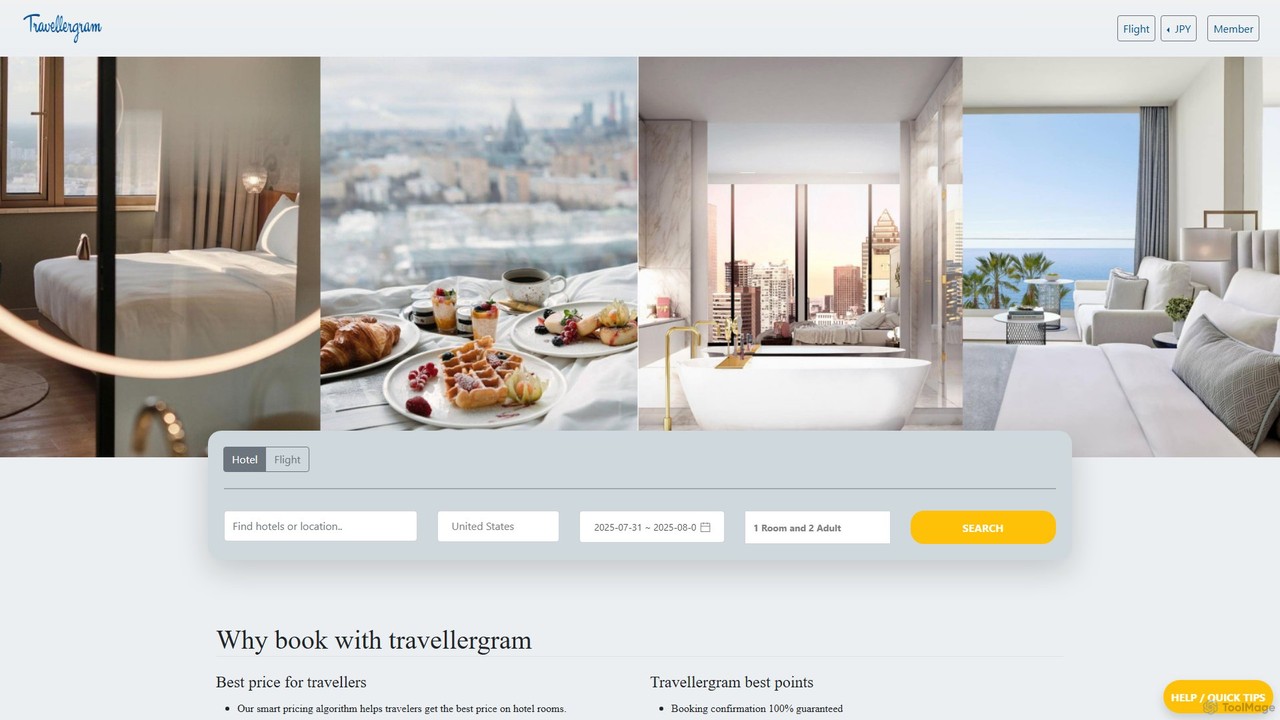
Travellergram

Travellergram

Travellergram is an AI-powered travel booking platform designed to find the best prices on hotels and flights. Its …

2.8K
Free
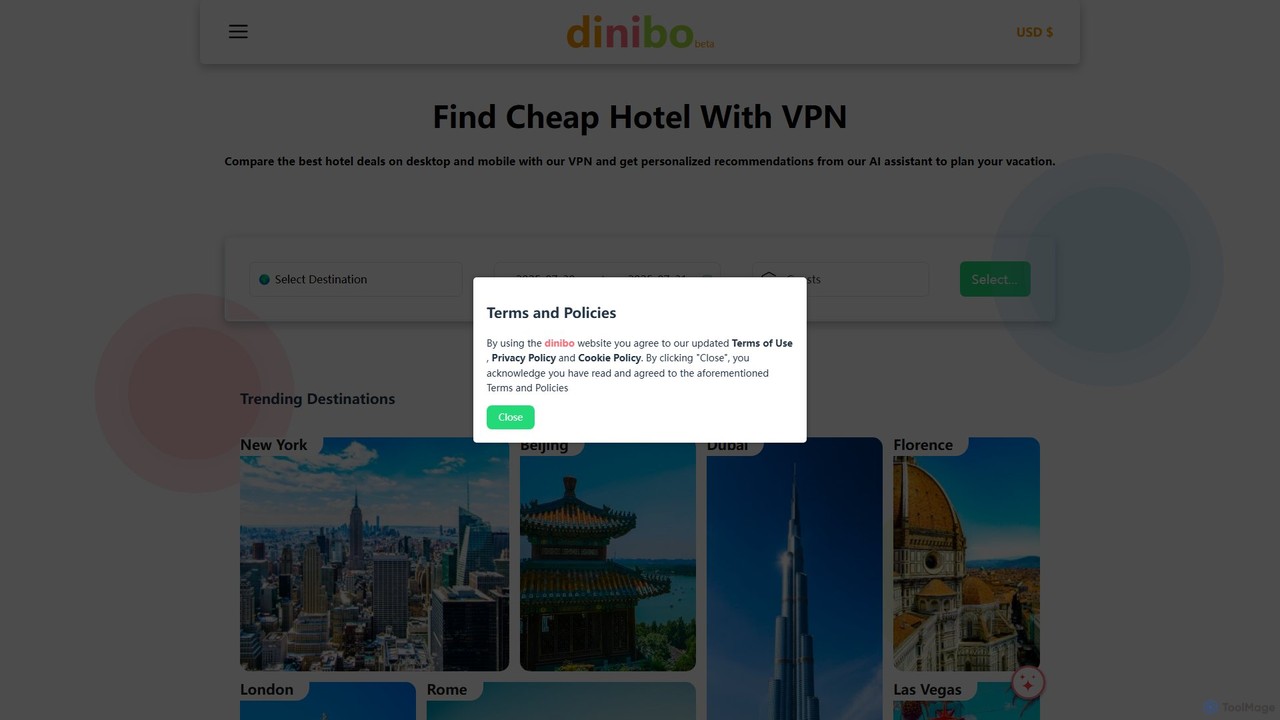
dinibo

dinibo

dinibo is an AI-powered travel platform that helps users find the cheapest hotel deals by using a unique …

4.0K
getme.flights

getme.flights

getme.flights is an AI-powered flight search engine that simplifies travel planning. Use natural language to find the best …

2.8K
Flash.co

Flash.co

Flash.co is an AI-powered personal shopping assistant designed to revolutionize your online shopping experience. It provides curated product …

34.7K
MonBotAchat

MonBotAchat

MonBotAchat is an AI-powered conversational shopping assistant designed to help you find personalized product recommendations and the best …

2.9K
Free
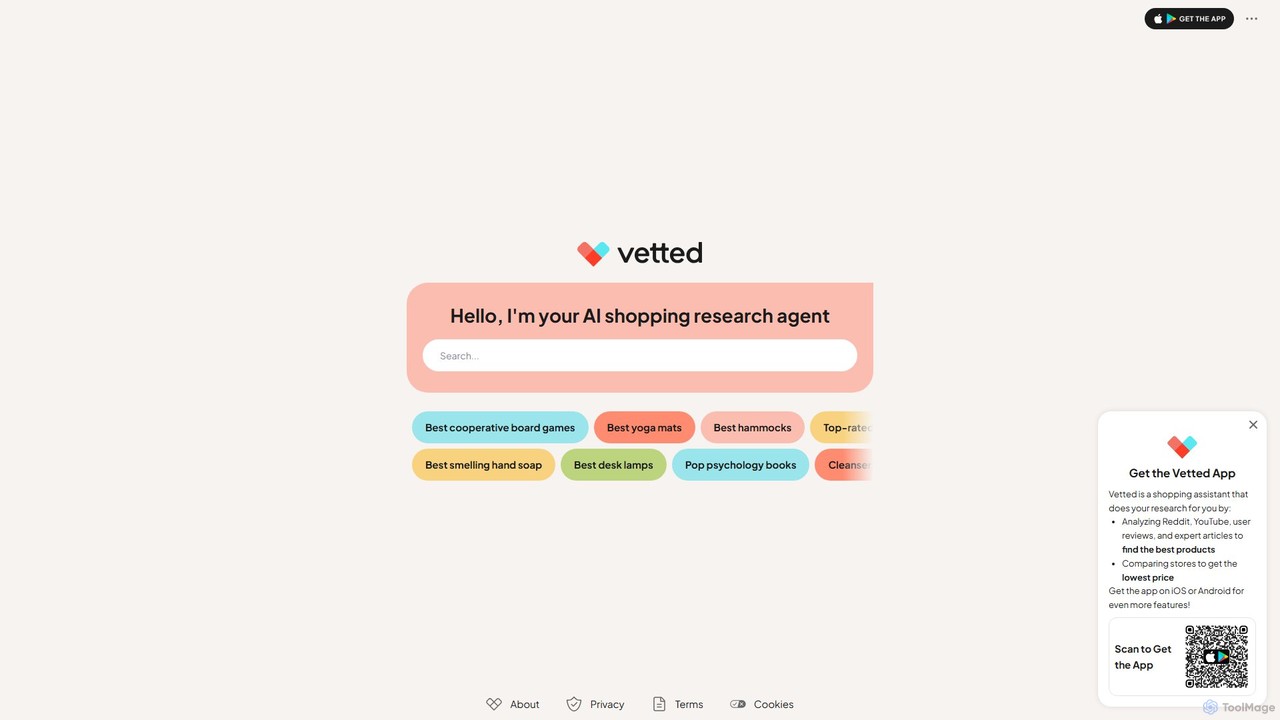
Vetted

Vetted

Vetted is an AI-powered shopping assistant that automates product research. It analyzes reviews from Reddit, YouTube, and expert …

54.9K

About Price Comparison

AI Price Comparison tools are applications that use artificial intelligence to automatically track, compare, and analyze product prices across multiple online retailers. These tools leverage machine learning and advanced web scraping to gather real-time pricing data, identify market trends, and even suggest optimal price points. They provide e-commerce businesses with critical competitive intelligence and help consumers find the best deals efficiently. As a specialized area within financial tools, they transform raw price data into actionable strategic insights.

Core Features

  • Automated Price Monitoring: Continuously tracks prices of specific products or entire competitor catalogs across the web.
  • Competitor Analysis: Identifies key competitors and provides detailed comparisons of their pricing, stock levels, and promotions.
  • Dynamic Repricing Rules: Allows users to set rules for automatic price adjustments based on competitor actions, stock levels, or profit margins.
  • Historical Price Tracking: Visualizes price fluctuation history for products, revealing trends and seasonal patterns.
  • Alerts and Reporting: Sends instant notifications for price changes, out-of-stock events, or MAP (Minimum Advertised Price) violations.

Use Cases

These tools are primarily used by e-commerce businesses of all sizes to maintain competitive pricing strategies. Marketing and product managers use them for market research and positioning. Brands and manufacturers also utilize them to monitor MAP policy compliance across their retail channels, while savvy consumers use simpler versions for deal hunting.

How to Choose

When selecting a tool, consider the scope of websites it can monitor and the frequency of data updates (from real-time to daily). Evaluate its integration capabilities with your e-commerce platform (e.g., Shopify, Magento). Also, assess the sophistication of its analytics, reporting features, and the flexibility of its repricing rule engine to ensure it meets your business logic.

Price ComparisonUse Cases

1

Automating E-commerce Competitive Pricing

An e-commerce manager for an online electronics store uses an AI price comparison tool to monitor the prices of their top 50 products across three major competitors. They set up dynamic repricing rules to automatically adjust their prices to be 1% lower than the top competitor, but never below a 15% profit margin. This ensures they remain competitive and capture sales without engaging in a price war, saving hours of manual price checking each day.

2

Monitoring MAP Policy Compliance for Brands

A brand manager for a high-end kitchen appliance company needs to ensure its network of online retailers adheres to their Minimum Advertised Price (MAP) policy. They use an AI tool to scan hundreds of retailer websites daily for their products. The tool automatically flags any listings priced below the MAP, takes a screenshot as evidence, and sends an alert to the manager. This allows for swift action to protect brand value and maintain fair pricing across all channels.

3

Strategic Procurement for Cost Savings

A procurement officer for a mid-sized manufacturing company is responsible for sourcing raw materials. They use a price comparison tool to track the costs of specific chemicals from five different suppliers over time. By analyzing the historical price data, they identify a seasonal pattern where prices dip in the third quarter. They use this insight to time their bulk purchases, resulting in an average cost saving of 8% annually on key materials.

4

Consumer Deal Hunting for Major Purchases

A photography enthusiast wants to buy a new high-end camera lens. Instead of manually checking multiple websites daily, they use a consumer-focused price comparison tool. They add the specific lens model to their watchlist and set a price alert for when it drops below $1,500. Two months later, they receive an email notification that a major retailer has a flash sale. They complete the purchase immediately, saving over $300 compared to the average market price.

5

Market Research for New Product Launch

A product manager is planning to launch a new smart home device. To set a competitive launch price, they use an AI price comparison tool to analyze the pricing of the top ten competing products over the past year. The tool provides data on average prices, promotional periods, and price fluctuations. This analysis reveals that the optimal price point for a successful launch is $129, not the initially planned $149, helping to avoid overpricing the product and ensuring a stronger market entry.

6

Dynamic Pricing for Travel and Hospitality

An online travel agency (OTA) uses an AI-powered tool to monitor real-time prices for hotel rooms and flights from major competitors and airline websites. Their system is configured to automatically adjust the prices of their travel packages based on demand, competitor pricing, and availability. For example, when a competing OTA lowers the price for a specific hotel, their system can instantly match it or offer a slightly better package to attract the booking, maximizing occupancy and revenue.

Price ComparisonFrequently Asked Questions