ToolMage
Sign in

Best 3 Flight Booking AI tools for Travel

Popular Flight Booking AI tools in Travel include AirTrackBot, getme.flights, and Citana Travel, helping you work more efficiently.

Citana Travel

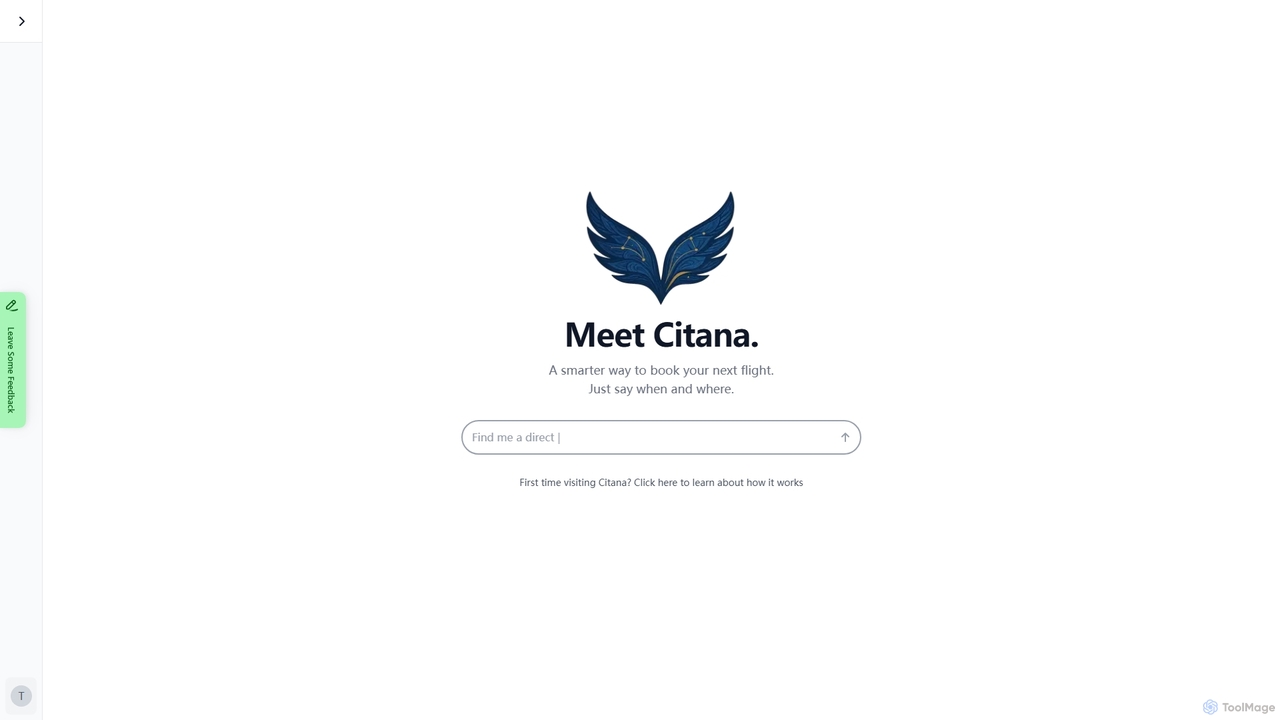
Citana Travel

Citana Travel is an AI-powered conversational travel advisor designed to simplify flight booking. Users can interact by simply stating their travel needs, such as destination and dates, to find suitable flight options. Currently in private beta, it offers a smarter way to plan your next journey.

Conversational Ai
Visits 5.3KFavorites 142Likes 116
AirTrackBot
Free

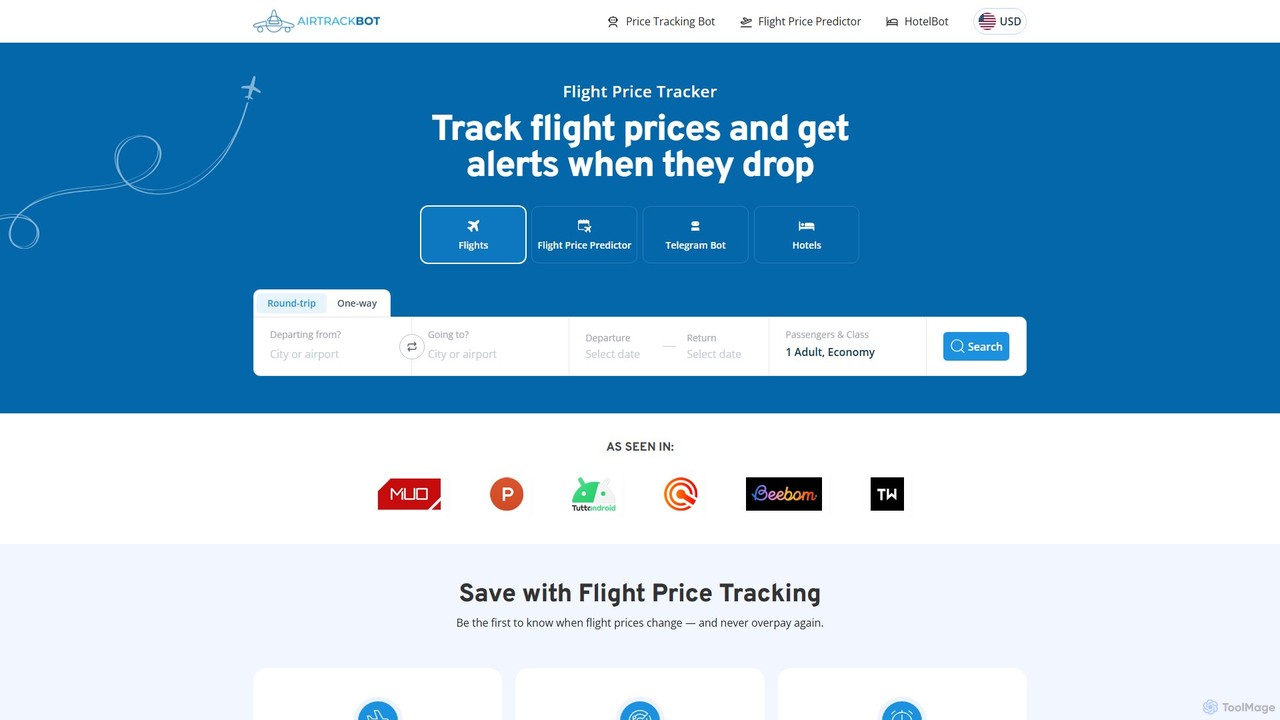
AirTrackBot

AirTrackBot is an AI-powered flight price tracker that helps you find the cheapest flights. Set up real-time price alerts via email or its convenient Telegram bot, and get notified instantly when fares drop. Never overpay for a flight again by booking at the perfect moment.

Saving
Visits 47.3KFavorites 116Likes 123
getme.flights
Freemium

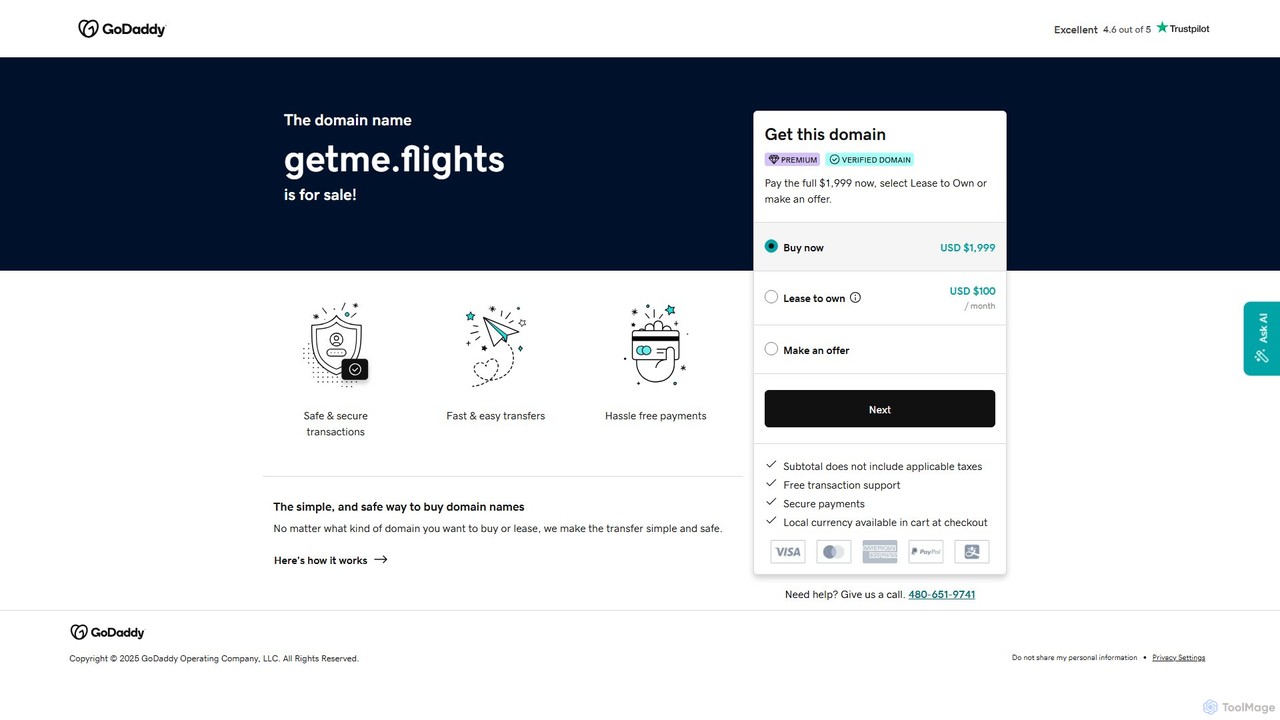
getme.flights

getme.flights is an AI-powered flight search engine that simplifies travel planning. Use natural language to find the best flights, get personalized recommendations, and leverage predictive analytics to book at the optimal time. It's your personal AI travel agent.

Price Comparison
Visits 6.1KFavorites 99Likes 109

About Flight Booking

AI Flight Booking tools are specialized applications that use machine learning to predict flight price fluctuations and find optimal booking times. These tools analyze vast amounts of historical data, seasonal trends, and demand patterns to forecast whether fares are likely to rise or fall. Their primary value lies in helping travelers secure the lowest possible prices by providing data-driven recommendations on when to buy. This predictive capability distinguishes them from traditional flight search engines.

Core Features

  • Price Prediction & Forecasting: Utilizes algorithms to advise whether to book now or wait for a potential price drop.
  • Personalized Recommendations: Suggests optimal routes and dates based on user preferences and past search behavior.
  • Intelligent Fare Alerts: Sends notifications not just for price drops, but for the predicted best time to purchase.
  • Multi-City Itinerary Optimization: Finds the most cost-effective and time-efficient combination of flights for complex trips.

Use Cases

These tools are ideal for budget-conscious leisure travelers planning vacations, frequent business flyers needing to optimize travel costs, and travel agents managing complex bookings. Anyone looking to make informed, data-backed decisions rather than guessing the best time to book a flight will find them valuable.

How to Choose

When selecting an AI Flight Booking tool, consider the accuracy of its price predictions, the breadth of its airline and route coverage, the customization options for alerts, and the user-friendliness of its interface. Also, evaluate its ability to handle complex itineraries if you frequently travel to multiple destinations.

Flight Booking use cases

1

Planning a Budget-Friendly Vacation

A student planning a summer trip uses an AI flight booking tool to find the most affordable travel dates. By inputting their destination and a flexible travel window of two weeks, the AI analyzes historical price data and predicts that flying on a Tuesday in the third week of the month will be 25% cheaper than flying on a weekend. The tool sets an automatic alert, and when the price drops to the predicted low, the student receives a notification and books the flight, saving a significant amount on their travel budget.

2

Optimizing Multi-City Business Trips

A corporate travel manager needs to book a trip for an executive visiting clients in three different cities over five days. Instead of manually searching for dozens of one-way flight combinations, they use an AI tool's itinerary optimizer. The tool processes all possible routes, layover times, and airline options simultaneously. Within minutes, it presents the most efficient itinerary that minimizes travel time and adheres to the company's travel policy, saving the manager hours of complex planning and finding a route that is 15% cheaper than manual booking would have likely produced.

3

Catching Spontaneous Last-Minute Deals

A flexible traveler wants to take a weekend trip but has no specific destination in mind, prioritizing a good deal above all. They use an AI flight booking tool to set a broad alert: 'any destination from my home airport for under $200 this coming weekend'. The AI continuously scans for price drops and newly available seats across hundreds of routes. On Thursday, it identifies a flash sale on a flight to a city that matches the criteria and immediately notifies the user, who books the spontaneous getaway at a price they wouldn't have found through traditional searching.

4

Personalizing Family Travel Planning

A family of four is planning a trip and has specific needs: no flights before 9 AM, a maximum of one layover, and a preference for a specific airline alliance to use their miles. Using an AI booking tool, the planner inputs these preferences. The AI filters out all non-compliant options and learns from their interactions, prioritizing search results that match their criteria. It suggests an itinerary that not only meets all conditions but also has a shorter total travel time than other options, simplifying the complex decision-making process for the family.

5

Using Natural Language for Quick Searches

A busy professional needs to quickly check flight options for an upcoming conference. Instead of navigating complex forms and filters, they use the natural language search feature of an AI tool. They simply type: 'flights from NYC to London next Tuesday, returning Friday, business class under $3000'. The AI instantly understands the query, parses the dates, locations, class, and budget, and returns a list of relevant flights. This conversational approach saves time and makes the flight search process more intuitive and efficient compared to traditional point-and-click interfaces.

6

Maximizing Airline Loyalty Points

A frequent flyer aims to book travel exclusively within their preferred airline alliance to maintain their elite status. They use an AI booking tool with advanced filtering capabilities. They can specify the alliance, desired fare class (e.g., one that earns 150% miles), and even specific aircraft types. The AI sifts through thousands of options to present only those that meet these precise criteria. It also compares the cost versus the mileage earned, helping the traveler make a strategic decision that balances budget with loyalty program benefits, ensuring they get the most value from their travel.

Flight Booking FAQ

What are AI Flight Booking tools?

AI Flight Booking tools are advanced platforms that use artificial intelligence, primarily machine learning, to help users find the best flights. Unlike traditional search engines that only show current prices, these tools analyze historical data to predict future price trends. They advise you on whether to buy a flight now or wait for a potential price drop, aiming to save you money and simplify decision-making.

How do AI tools predict flight prices?

AI tools predict flight prices by analyzing massive datasets with machine learning algorithms. Key factors include:

  • Historical Price Data: Past price fluctuations for a specific route.
  • Seasonality and Demand: Travel patterns during holidays, weekends, and events.
  • Booking Window: How far in advance the booking is made.
  • Airline Competition: The number of carriers flying the same route.

By identifying patterns in these variables, the AI can forecast the probability of a price increase or decrease with a certain level of confidence.

What's the difference between an AI Flight Booker and a standard search engine like Google Flights?

The main difference is the predictive capability. A standard search engine like Google Flights shows you the current best prices available right now. An AI Flight Booking tool does that too, but it also adds a layer of forecasting. It will advise you if the current price is a good deal and whether you should book immediately or wait, predicting if the price is likely to drop or rise in the near future. Essentially, standard tools tell you 'what to buy,' while AI tools tell you 'when to buy'.

How to choose a good AI Flight Booking tool?

When selecting an AI Flight Booking tool, focus on these four key areas:

  • Prediction Accuracy: Look for tools with a proven track record or stated accuracy rate. Some tools will show their confidence level in each prediction.
  • Data Coverage: Ensure the tool searches a wide range of airlines, including budget carriers, to give you a comprehensive view of your options.
  • User Interface (UI): The tool should be easy to use, with clear recommendations and customizable alerts that are simple to set up.
  • Features: Consider if you need advanced features like multi-city itinerary optimization or natural language search capabilities.
Are the price predictions from AI tools always accurate?

While AI significantly improves the accuracy of flight price forecasting, no prediction is 100% guaranteed. Airfare pricing is highly volatile and can be affected by unpredictable events like flash sales, weather disruptions, or sudden changes in demand. Reputable AI tools are transparent about this and often provide a confidence score with their recommendations (e.g., '85% confident the price will drop'). They are best used as a powerful guide to inform your decision, not as an infallible crystal ball.