Wiserep
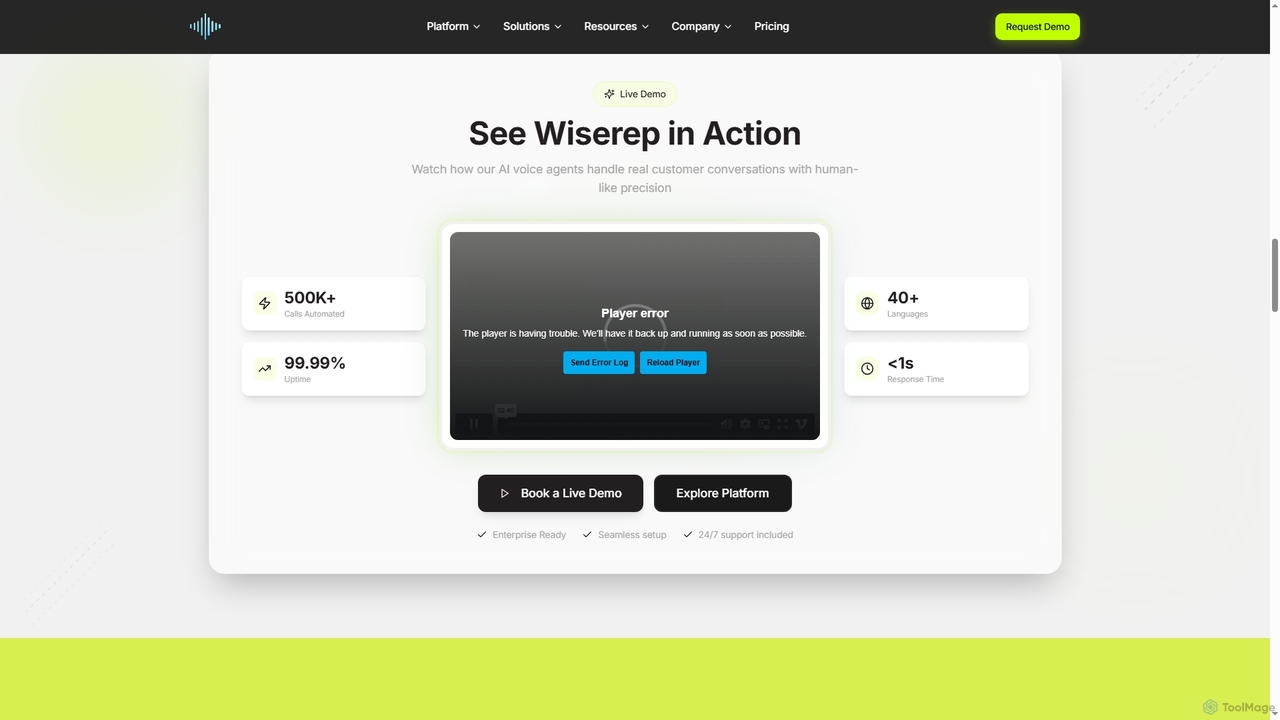
Wiserep is an enterprise-grade AI call center software that transforms customer service with human-like, multilingual AI assistants. It …
Wiserep is an enterprise-grade AI call center software that transforms customer service with human-like, multilingual AI assistants. It handles millions of calls monthly, reduces operational costs, improves customer experience, and scales effortlessly through seamless integration with existing systems and robust security protocols.
Citana Travel
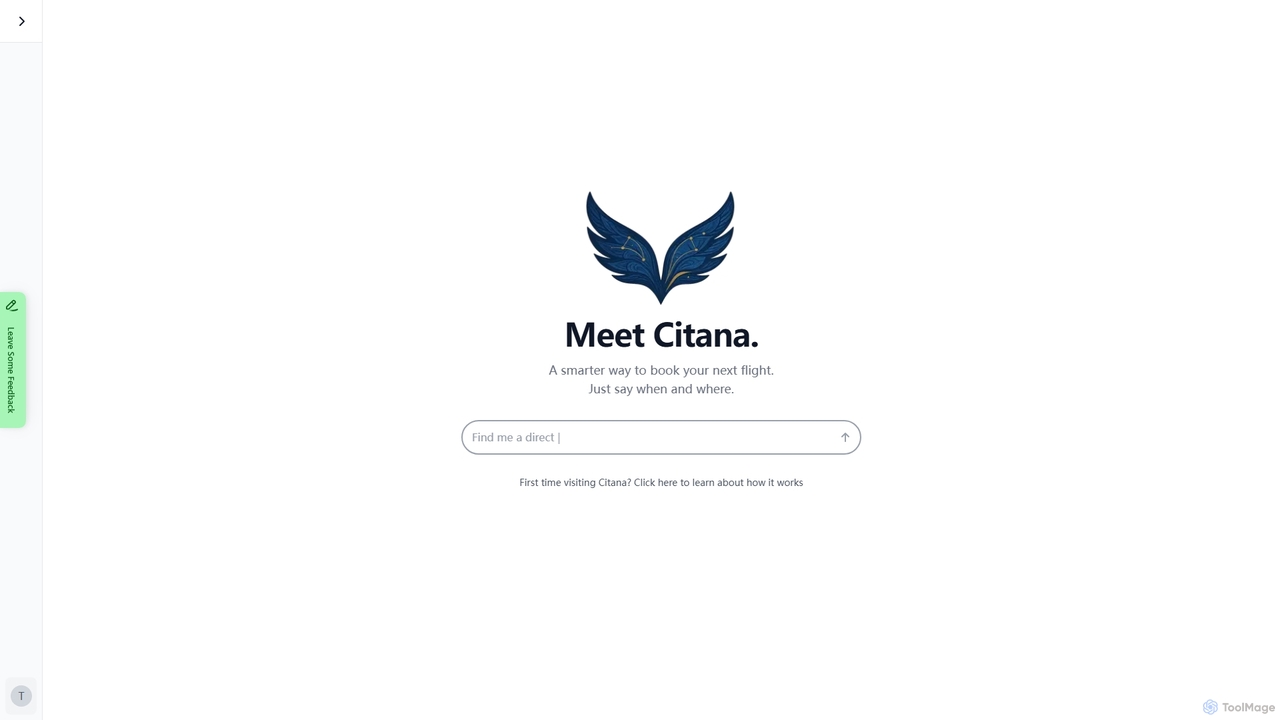
Citana Travel is an AI-powered conversational travel advisor designed to simplify flight booking. Users can interact by simply …
Citana Travel is an AI-powered conversational travel advisor designed to simplify flight booking. Users can interact by simply stating their travel needs, such as destination and dates, to find suitable flight options. Currently in private beta, it offers a smarter way to plan your next journey.
About Conversational Ai
Conversational AI tools are advanced systems designed to simulate human-like conversations through text or voice, forming a crucial part of the broader Artificial Intelligence landscape. These intelligent agents leverage sophisticated natural language processing (NLP), machine learning, and deep learning algorithms to understand user intent, context, and generate relevant, coherent responses. Their primary value lies in enabling automated customer service, delivering personalized user interactions, and facilitating efficient information retrieval across a multitude of digital platforms. By continuously learning from interactions and user feedback, conversational AI systems progressively enhance their accuracy, naturalness, and overall effectiveness, making them indispensable for modern digital engagement strategies.
Core Features
- Natural Language Understanding (NLU): This foundational component allows conversational AI to interpret diverse user inputs, accurately identify the underlying intent behind queries, and extract key entities or information from both spoken language and written text.
- Natural Language Generation (NLG): Responsible for crafting human-like text responses, NLG ensures that the AI's output is not only contextually relevant and informative but also grammatically correct and natural-sounding, mimicking human conversational flow.
- Context Management: A critical feature for meaningful dialogues, context management enables the AI to maintain conversation history, remember previous turns, and track user preferences, leading to more coherent, personalized, and less repetitive interactions.
- Multi-channel Deployment: Modern conversational AI solutions offer flexible deployment across various digital touchpoints, including company websites, mobile applications, popular messaging platforms (like WhatsApp or Messenger), and voice assistants.
- Sentiment Analysis: By analyzing the emotional tone and sentiment expressed in user messages, conversational AI can adapt its responses accordingly, allowing for more empathetic interactions and the ability to escalate critical or negative sentiments to human agents when necessary.
Applicable Scenarios
Businesses across various sectors extensively utilize conversational AI for transforming customer support operations, providing instant and accurate answers to frequently asked questions (FAQs), and efficiently guiding users through complex processes such as product configuration or service enrollment. It is also instrumental in creating intelligent virtual assistants for internal employee support, streamlining HR queries, and developing interactive educational tools. Furthermore, these tools enhance marketing efforts by personalizing product recommendations and engaging potential customers in dynamic, interactive experiences.
Key Selection Criteria
When evaluating conversational AI tools, several factors are paramount. Prioritize solutions with high NLU accuracy tailored to your specific industry jargon and user queries, ensuring reliable intent recognition. Assess their integration capabilities with your existing CRM, ERP, and communication platforms for seamless data flow. Consider the ease of training and customization, allowing you to fine-tune the AI's knowledge base and persona without extensive technical expertise. Finally, evaluate the scalability to accommodate future growth in user volume and the robustness of security and data privacy measures to protect sensitive information.

Conversational AiUse Cases
Automate Customer Service Inquiries
E-commerce businesses can deploy conversational AI chatbots on their websites to handle common customer questions about order status, shipping, returns, and product information 24/7. This reduces the workload on human support agents, provides instant answers to customers, and significantly improves response times, leading to higher customer satisfaction and operational efficiency.
Provide Personalized Product Recommendations
Retailers can integrate conversational AI into their online stores or messaging apps to act as a virtual shopping assistant. The AI engages users in a dialogue about their preferences, needs, and budget, then suggests relevant products or services. This personalized approach enhances the shopping experience, increases conversion rates, and helps customers discover items they might not have found otherwise.
Streamline HR and Employee Support
Large organizations can use conversational AI to create internal virtual assistants for HR departments. Employees can ask questions about company policies, benefits, payroll, or IT support issues via chat. The AI provides immediate, accurate answers, reducing the need for employees to search through documents or wait for HR staff, thereby improving employee productivity and satisfaction.
Interactive Lead Qualification and Generation
Marketing and sales teams can utilize conversational AI on landing pages or social media to engage potential leads. The AI asks qualifying questions, gathers contact information, and assesses the lead's interest level and needs. High-quality leads are then seamlessly handed off to sales representatives, accelerating the sales cycle and improving lead conversion efficiency.
Facilitate Educational Tutoring and Language Learning
Educational platforms can integrate conversational AI to provide personalized tutoring or language practice. Students can ask questions about course material, receive explanations, or practice conversational skills in a new language. The AI offers immediate feedback, adapts to the learner's pace, and provides a safe, interactive environment for skill development, enhancing learning outcomes.
Enhance Healthcare Patient Engagement
Healthcare providers can deploy conversational AI to assist patients with appointment scheduling, medication reminders, and answering common health-related FAQs. The AI can guide patients through pre-visit questionnaires or provide reliable information about symptoms and conditions, improving patient access to care, reducing administrative burden, and ensuring timely communication.