GlowAI
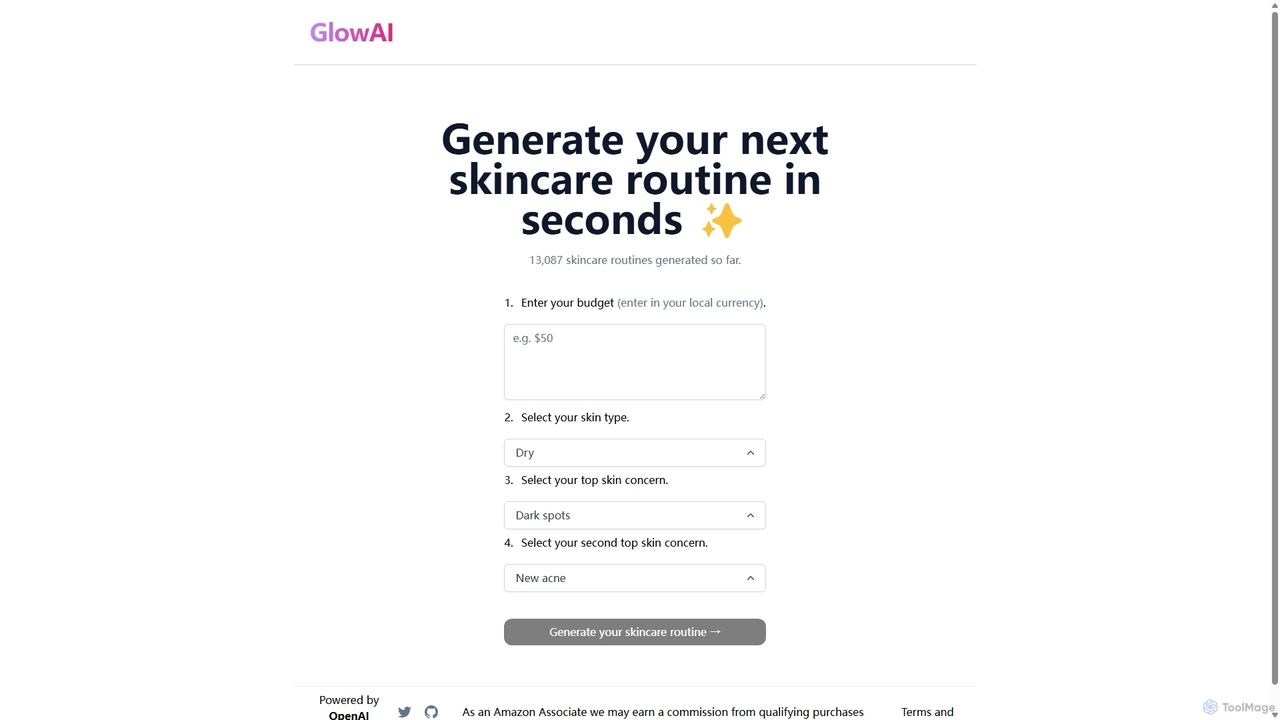
GlowAI is an AI-powered tool that generates personalized skincare routines in seconds. By inputting your budget, skin type, …
GlowAI is an AI-powered tool that generates personalized skincare routines in seconds. By inputting your budget, skin type, and top two skin concerns, GlowAI recommends a complete, step-by-step routine with specific product suggestions tailored to your unique needs, making expert skincare advice accessible to everyone.
BodyGuru
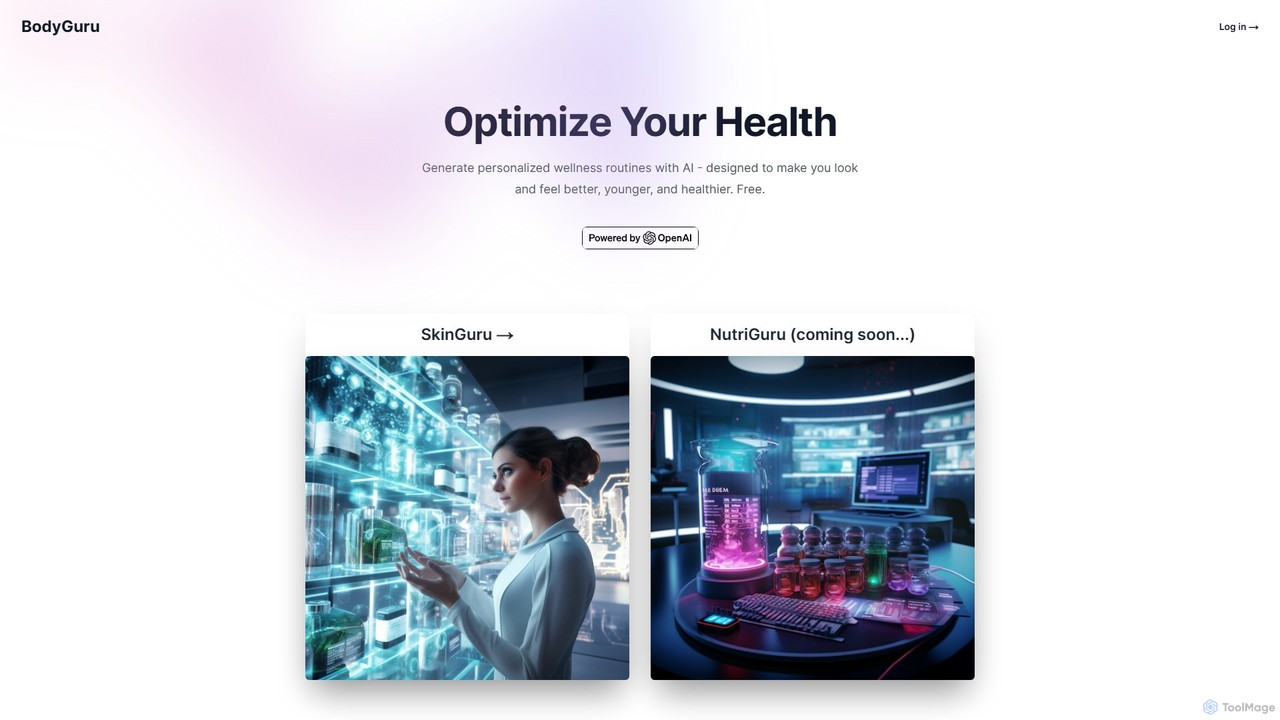
BodyGuru is a free AI-powered wellness platform that generates personalized health, fitness, and skincare routines. It analyzes your …
BodyGuru is a free AI-powered wellness platform that generates personalized health, fitness, and skincare routines. It analyzes your unique profile to create actionable plans, helping you look and feel younger and healthier.
GlowAI
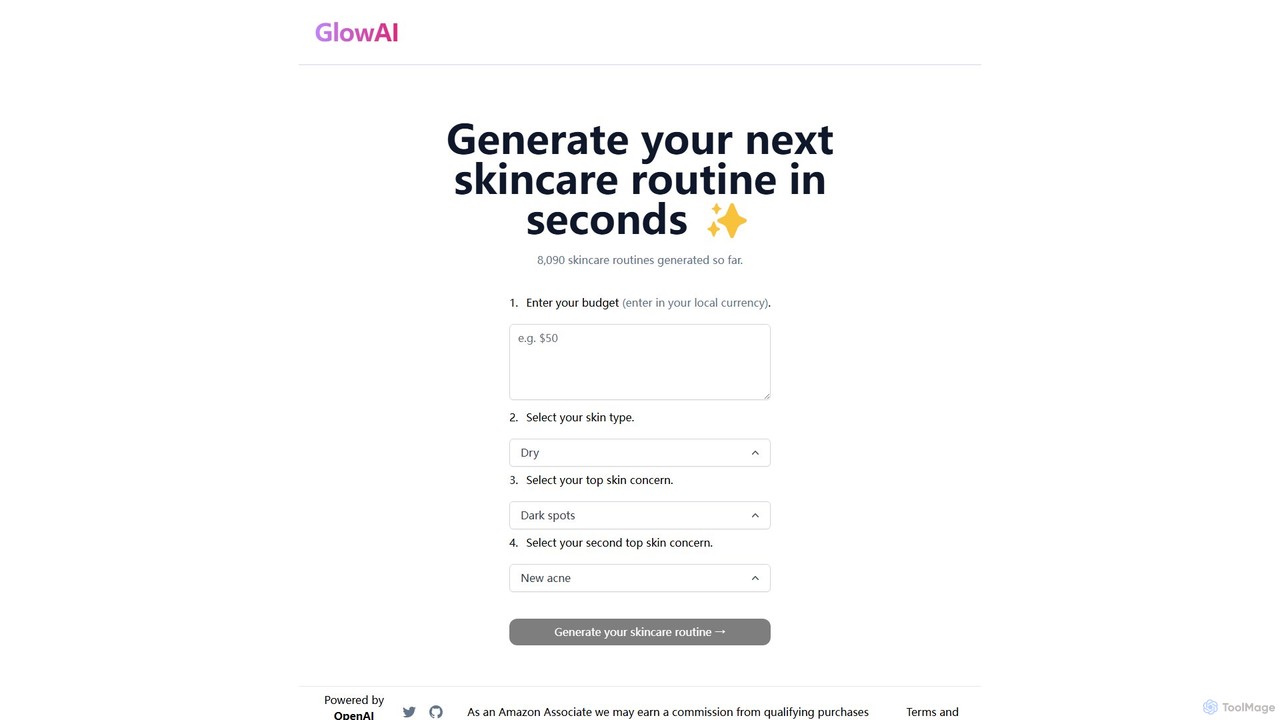
GlowAI is an AI-powered tool that generates personalized skincare routines in seconds. Simply input your budget, skin type, …
GlowAI is an AI-powered tool that generates personalized skincare routines in seconds. Simply input your budget, skin type, and top two skin concerns to receive a custom, budget-friendly skincare regimen tailored to your unique needs.
About Skincare
AI Skincare tools are applications that use artificial intelligence to analyze skin conditions from images, providing personalized recommendations and routines. These tools leverage computer vision to identify concerns like acne, wrinkles, and dark spots, and machine learning algorithms to compare user data against vast dermatological datasets. The primary value is offering data-driven, customized skincare advice, helping users select effective products and track their skin's progress over time. This technology makes expert-level skin assessment more accessible directly from a smartphone.
Core Features
- Image-Based Skin Analysis: Uses a device's camera to scan the face and identify specific skin concerns such as pores, fine lines, hydration levels, and pigmentation.
- Personalized Routine Generation: Creates tailored daily and weekly skincare regimens based on the analysis results, user goals, and skin type.
- Product Recommendation Engine: Suggests specific products from a database that match the user's skin needs and budget, often with ingredient analysis.
- Progress Tracking: Allows users to compare skin analysis results over time with side-by-side photo comparisons to monitor improvements.
- Ingredient Checker: Analyzes the ingredient lists of skincare products to identify potential irritants, allergens, or beneficial compounds.
Use Cases
These tools are ideal for individuals seeking to understand their skin better and build an effective, personalized skincare routine. They are particularly useful for users dealing with specific issues like acne, aging, or hyperpigmentation who want to monitor changes. Additionally, consumers use them to make informed purchasing decisions by vetting product ingredients before buying.
How to Choose
When selecting an AI Skincare tool, consider the accuracy of its analysis, which often correlates with the size and quality of its training dataset. Evaluate the tool's data privacy policy, as you will be sharing sensitive facial images. Also, assess the breadth of its product recommendation database and the intuitiveness of the user interface for tracking progress.
SkincareUse Cases
Creating a Personalized Acne Treatment Plan
A teenager struggling with persistent acne uses an AI skincare app to get a detailed analysis. By uploading a selfie, the AI's computer vision model identifies different types of acne, such as blackheads and inflammatory papules, and maps their locations. Based on this analysis, the app generates a daily routine recommending a gentle cleanser, a toner with salicylic acid for exfoliation, and a non-comedogenic moisturizer. It also suggests specific, affordable products that fit this routine, helping the user start a targeted and consistent treatment plan without guesswork.
Tracking Anti-Aging Regimen Progress
A user in their 40s wants to monitor the effectiveness of their new anti-aging routine. They use an AI skincare tool to take a baseline photo, which analyzes and scores the visibility of fine lines, wrinkles, and skin firmness. Every two weeks, they take a new photo. The app overlays the analyses, providing a quantifiable report on the reduction of wrinkle depth and improvement in skin texture. This data-driven feedback helps the user see tangible results, motivating them to stick with their regimen and make adjustments if progress stalls.
Verifying Product Suitability with an Ingredient Checker
A consumer with sensitive skin is considering a new, popular serum but is worried about potential irritation. Before purchasing, they use the AI tool's ingredient checker function. They either scan the product's barcode in-store or paste the ingredient list into the app. The AI cross-references the list with a database of known irritants and allergens, flagging ingredients like fragrance and certain alcohols. It also highlights beneficial ingredients like hyaluronic acid and niacinamide, explaining their functions. This allows the consumer to make an informed decision and avoid a product that could cause a reaction.
Finding an Affordable Alternative to a Luxury Product
A user loves a high-end moisturizer but finds it too expensive for regular use. They input the luxury product's name into their AI skincare app. The AI analyzes its key active ingredients, such as peptides, antioxidants, and specific hydrating agents. It then searches its extensive product database to find more affordable products, or 'dupes', that have a similar formulation and offer comparable benefits. The app presents a list of alternatives with price comparisons and user ratings, enabling the user to find a budget-friendly option without sacrificing the core components of their favorite product.
Preparing for a Dermatologist Appointment
A patient with a recurring skin issue like rosacea or eczema wants to have a more productive conversation with their dermatologist. In the weeks leading up to the appointment, they use an AI skincare app to log daily photos and note potential triggers, such as diet or environmental factors. The app provides a timeline of flare-ups and periods of calm. Before the visit, the user can export a summary report, including images and notes, to share with the doctor. This provides the dermatologist with a detailed, objective history of the condition, leading to a more accurate diagnosis and effective treatment plan.
Assessing Skin Hydration and Texture
An office worker notices their skin feels dry and looks dull, likely due to the air-conditioned environment. They use an AI skincare tool for a quick daily scan. The AI algorithm analyzes skin texture and subtle light reflections to estimate hydration levels and identify areas of roughness or flakiness. Based on the daily readings, the app might recommend using a hydrating mist during the day, switching to a richer moisturizer, or adding a hyaluronic acid serum to their routine. This helps the user proactively address dehydration before it becomes a more significant issue.