
Free
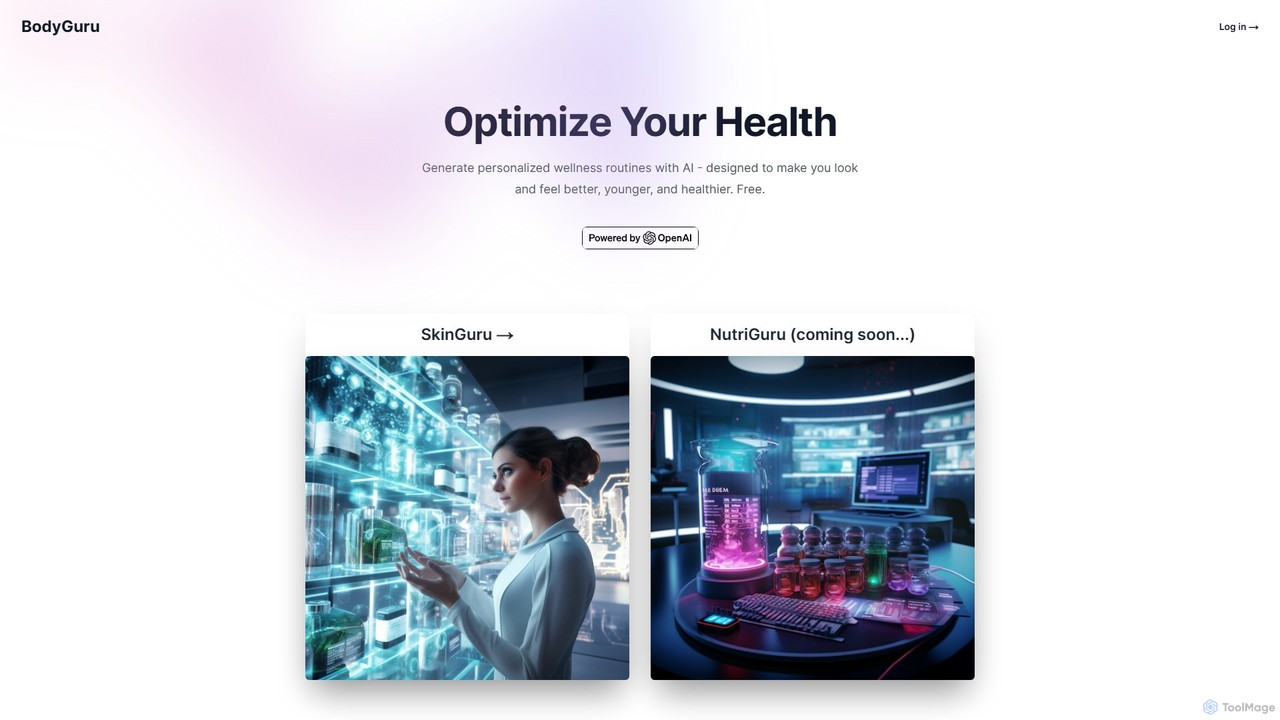
Popular Personalized Health AI tools in Health & Fitness include BodyGuru, helping you work more efficiently.
Personalized Health tools are a specialized category within Health & Fitness, leveraging AI to offer highly customized health and wellness solutions. These tools analyze individual data, including genetics, lifestyle, and biometric information, to provide tailored recommendations and interventions. Their primary value lies in transforming generic health advice into actionable, individual-specific strategies for disease prevention, performance optimization, and overall well-being. This approach aims to make health management more precise, proactive, and effective for each user.
Individuals seeking to optimize their fitness, manage chronic conditions, or improve overall wellness can greatly benefit from Personalized Health tools. Athletes use these tools for performance enhancement, while those with specific dietary needs or health goals find tailored guidance. They are also valuable for proactive health management, helping users understand their unique predispositions and make informed lifestyle choices.
When selecting a Personalized Health tool, consider its data integration capabilities (e.g., compatibility with your wearables), the breadth and depth of its personalization algorithms, and the scientific backing of its recommendations. Evaluate the user interface for ease of use, data privacy policies, and whether it offers features relevant to your specific health goals, such as genetic insights or chronic disease management.
Professional athletes and serious fitness enthusiasts use personalized health AI to analyze their training data, recovery metrics, and genetic predispositions. The tool provides tailored workout adjustments, nutrition plans, and sleep recommendations, helping to prevent overtraining, accelerate recovery, and achieve peak performance for specific events or long-term goals.
Individuals with chronic conditions like diabetes or hypertension leverage these tools to monitor key health indicators (e.g., blood glucose, blood pressure) and receive personalized advice. AI analyzes trends in their data, suggests dietary modifications, medication reminders, and activity levels, empowering them to better manage their condition and reduce the risk of complications.
Users aiming for sustainable weight loss or gain utilize personalized health platforms that consider their metabolism, activity level, dietary preferences, and genetic factors. The AI generates custom meal plans, calorie targets, and exercise routines, adapting them dynamically based on progress and feedback, moving beyond generic diet advice.
Health-conscious individuals use personalized health AI to understand their genetic predispositions and lifestyle risks for various diseases. The tool provides actionable recommendations for preventative measures, such as specific dietary changes, targeted screenings, or lifestyle modifications, enabling them to proactively mitigate future health challenges.
Individuals seeking to improve their mental health and reduce stress can use personalized health tools that track mood, sleep patterns, and activity levels. The AI offers tailored mindfulness exercises, stress reduction techniques, and sleep hygiene tips, adapting recommendations based on individual responses and progress to foster better emotional balance.
Users interested in precision nutrition provide their genetic data to personalized health AI. The tool analyzes genetic markers related to nutrient absorption, metabolism, and food sensitivities. It then generates highly specific dietary recommendations, identifying optimal food choices and supplements to maximize nutrient utilization and avoid adverse reactions.
Personalized Health tools are AI-powered applications that provide highly customized health and wellness solutions by analyzing an individual's unique data. They go beyond general advice, offering tailored recommendations for diet, exercise, and lifestyle based on factors like genetics, biometrics, and activity levels. Their core purpose is to make health management more precise and effective for each user.
While general Health & Fitness apps offer broad guidance and tracking, Personalized Health tools delve deeper by integrating and analyzing individual-specific data such as genetic information, medical history, and real-time biometric readings. This allows them to provide truly bespoke recommendations, predictive insights, and adaptive interventions, rather than one-size-fits-all advice, making them more precise and proactive.
Personalized Health tools typically utilize a wide array of data points. This includes biometric data from wearables (heart rate, sleep, activity), self-reported lifestyle information (diet, stress levels), medical history, and increasingly, genetic data (DNA analysis). Some advanced tools may also integrate blood test results or microbiome data for even more granular insights.
The safety and privacy of data are paramount for Personalized Health tools. Reputable platforms employ robust encryption, comply with health data regulations (like HIPAA or GDPR), and provide clear privacy policies. Users should always review these policies to understand how their data is collected, stored, used, and shared, and choose tools from trusted providers that prioritize data security.
Personalized Health tools are highly beneficial for individuals seeking to optimize their health proactively, manage chronic conditions more effectively, or achieve specific fitness and wellness goals with precision. This includes athletes, people with dietary restrictions, those at risk of certain diseases, or anyone looking for highly tailored guidance beyond generic health advice.