Health & Fitness Best in category 1 results Dance AI Tool

Popular AI tools in the Dance field of Health & Fitness include Dhime, etc., helping you quickly improve efficiency.

Dhime

Dhime

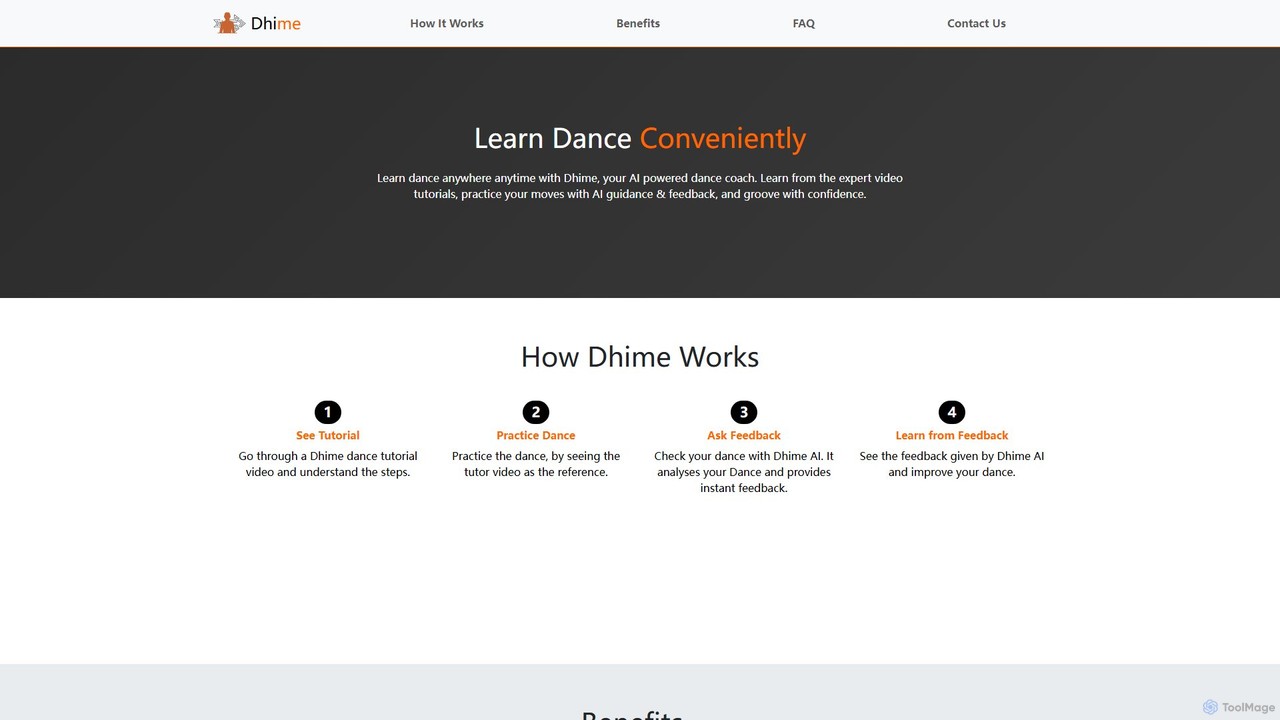
Dhime is an AI-powered platform that makes learning dance convenient and effective. It provides real-time feedback and personalized …

3.5K

About Dance

AI Dance tools are applications that use artificial intelligence to analyze, generate, and teach dance movements. These tools typically employ computer vision for real-time pose estimation and generative models trained on vast datasets of motion capture to create new choreography. They provide dancers, choreographers, and fitness enthusiasts with personalized feedback, creative inspiration, and interactive learning experiences, effectively acting as a virtual dance coach or creative partner.

Core Features

  • Pose Estimation & Form Analysis: Utilizes computer vision to track body joints, providing real-time feedback on posture, alignment, and technique.
  • AI Choreography Generation: Creates novel dance sequences based on inputs like music genre, mood, or specific movement styles.
  • Interactive Learning & Gamification: Offers guided tutorials with scoring systems and real-time correction to make learning new routines engaging.
  • Motion Transfer: Applies the movements of a professional dancer from a video to a 3D avatar or character model.

Use Cases

These tools are used by a wide range of individuals. Dancers of all levels use them for technique refinement and practice between classes. Choreographers leverage them for creative brainstorming and developing new sequences. Fitness enthusiasts find them in dance-based workout apps for guided, interactive exercise. Animators and game developers also use this technology to create realistic character movements.

How to Choose

When selecting an AI Dance tool, consider the accuracy of its pose tracking and the quality of feedback. Evaluate the library of available dance styles to ensure it matches your interests, such as ballet, hip-hop, or salsa. For creative purposes, assess the flexibility and control of the choreography generation features. Finally, consider the user interface and its compatibility with your devices for a smooth learning experience.

DanceUse Cases

1

Personalized Dance Technique Correction

A ballet student uses an AI dance app to record their practice sessions. The app's computer vision analyzes their plié and pirouette forms, comparing them against a professional model. It provides instant, visual feedback by highlighting specific angles of their knees, arm placement, and posture that need adjustment. This allows the student to make precise corrections and improve their technique significantly without constant supervision from a private instructor.

2

AI-Assisted Choreography Creation

A choreographer for a contemporary dance troupe inputs a piece of music, a desired mood ('energetic yet fluid'), and several key movement motifs into an AI choreography tool. The AI generates multiple unique 8-count sequences that fit the criteria. The choreographer reviews these AI-generated suggestions, selecting and combining the most compelling elements with their own ideas to quickly develop a novel and complex routine, overcoming creative blocks and saving hours of experimental work.

3

Interactive Dance Learning for Beginners

An individual wanting to learn salsa uses a gamified AI dance app on their smart TV. The app breaks down basic steps into easy-to-follow tutorials. Using the phone's camera as a motion sensor, the app tracks their movements in real-time, scores their timing and rhythm against the instructor's, and provides encouraging visual cues like 'Great!' or 'Faster!'. This interactive, game-like experience makes the learning process fun and helps them build confidence before trying the steps in a social setting.

4

Creating Dance Animations for Social Media

A content creator wants to produce a viral dance video featuring a 3D avatar. Instead of using complex animation software, they record a video of themselves dancing. They upload this video to an AI motion transfer tool, which accurately captures their movements and applies them directly to their chosen avatar. Within minutes, the tool generates a smooth, realistic animation of the avatar performing the dance, ready to be shared on platforms like TikTok or Instagram Reels to engage their audience.

5

Virtual Dance Fitness Classes

A fitness enthusiast uses an AI-powered app for their daily workout. The app offers a variety of dance fitness routines like Zumba or Hip-Hop cardio. As they follow the on-screen instructor, the app uses their device's camera to track their movements, ensuring they are performing exercises correctly and safely. It calculates an estimated calorie burn and adjusts the difficulty of future workouts based on their performance, creating a personalized and effective fitness experience at home.

6

Preserving and Reconstructing Cultural Dances

A cultural heritage organization uses AI to document and preserve traditional folk dances. They feed archival footage into an AI system that performs detailed motion analysis, digitally capturing intricate steps and formations that are difficult to notate manually. This digital model is then used to create interactive tutorials for new generations, reconstruct lost portions of a performance by predicting likely movements, and power immersive museum exhibits where visitors can try the dance themselves.

DanceFrequently Asked Questions