
ToolMage
Sign in

Best 1 Diet Planner AI tools for Health & Fitness

Popular Diet Planner AI tools in Health & Fitness include prefit.ai, helping you work more efficiently.

prefit.ai
Free

prefit.ai

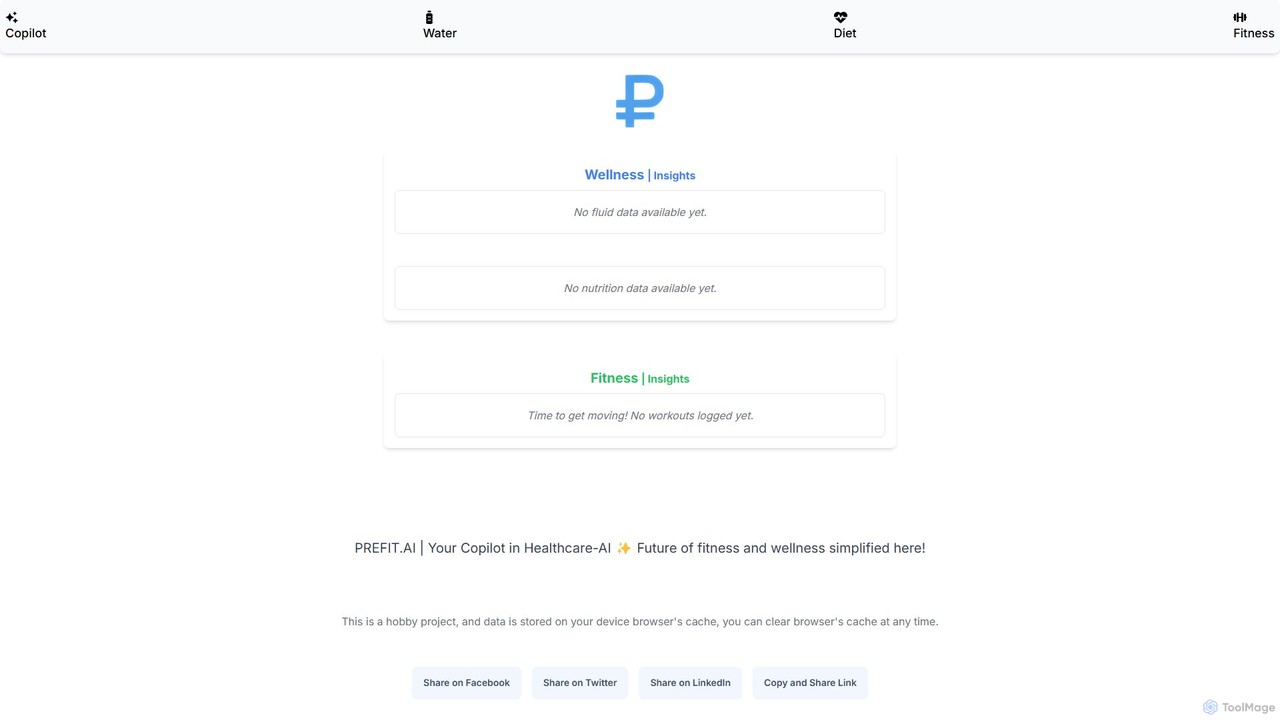
prefit.ai is a free, privacy-focused AI health copilot designed to simplify your fitness and wellness journey. Track your water intake, diet, and workouts on a unified dashboard. It provides AI-driven insights while ensuring all your data is stored locally in your browser for maximum privacy.

Diet Planner
Visits 6.2KFavorites 139Likes 133

About Diet Planner

Diet Planners are intelligent tools that leverage artificial intelligence to create personalized meal plans and nutritional guidance. These platforms analyze individual health data, dietary preferences, and fitness goals to generate tailored eating strategies. They aim to simplify healthy eating, making it accessible and sustainable for users seeking to manage weight, improve athletic performance, or adhere to specific dietary needs.

Core Features

  • Personalized Meal Generation: Automatically creates daily or weekly meal plans based on user input like caloric needs, macros, and food preferences.
  • Nutritional Analysis & Tracking: Provides detailed breakdowns of calories, macronutrients, and micronutrients for meals, and tracks daily intake.
  • Dietary Restriction Management: Accommodates allergies, intolerances, and specific diets such as vegan, keto, gluten-free, or low-carb.
  • Grocery List Creation: Generates organized shopping lists based on the planned meals, often with ingredient quantities.
  • Progress Monitoring & Adjustment: Tracks weight, body measurements, and dietary adherence, adjusting plans as needed to meet goals.

Use Cases

Individuals aiming for weight management, athletes optimizing their nutrition for peak performance, and those with specific health conditions requiring strict dietary adherence all benefit from AI Diet Planners. They are also valuable for busy professionals seeking convenient, healthy meal solutions and families looking to streamline their weekly meal preparation.

How to Choose

When selecting an AI Diet Planner, consider the level of personalization offered, the accuracy and breadth of its food database, and its ability to integrate with other health tracking devices. Evaluate the user interface for ease of use, the flexibility in adjusting plans, and the availability of expert support or community features. Finally, assess the pricing model and whether it aligns with your long-term health and budget goals.

Diet Planner use cases

1

Personalized Weight Management Plan Creation

An individual aiming for sustainable weight loss can input their current weight, target weight, activity level, and food preferences into an AI Diet Planner. The AI then generates a calorie-controlled meal plan, complete with recipes and portion sizes, designed to create a healthy caloric deficit. This eliminates guesswork, provides structured guidance, and helps users stay consistent with their dietary goals, often leading to more effective and lasting results.

2

Managing Complex Dietary Restrictions & Allergies

For users with multiple food allergies, intolerances, or specific medical diets (e.g., celiac disease, diabetes), an AI Diet Planner is invaluable. By specifying all restrictions, the AI filters out unsuitable ingredients and suggests safe, nutritious, and varied meal options. This ensures dietary compliance without sacrificing taste or nutritional balance, significantly reducing the stress and risk associated with meal preparation for complex needs.

3

Optimizing Nutrition for Athletic Performance

Athletes, from amateur runners to professional bodybuilders, require precise macronutrient ratios and caloric intake to fuel training and recovery. An AI Diet Planner can be configured to meet these demanding requirements, adjusting meal plans based on training intensity, competition schedules, and specific performance goals. It helps ensure adequate protein for muscle repair, carbohydrates for energy, and healthy fats, optimizing physical output and recovery.

4

Streamlining Weekly Meal Prep for Busy Professionals

Busy professionals often struggle to maintain a healthy diet due to time constraints. An AI Diet Planner can generate a weekly meal plan that prioritizes quick, easy-to-prepare recipes and even suggests batch cooking options. It automatically creates a consolidated grocery list, saving time on planning and shopping. This allows users to prepare nutritious meals in advance, ensuring healthy eating even with a demanding schedule.

5

Creating Family-Friendly & Diverse Meal Plans

Planning meals for a family with varying tastes, ages, and even dietary needs can be challenging. An AI Diet Planner can take into account multiple preferences and restrictions within a household, suggesting meals that appeal to everyone while maintaining nutritional balance. It helps introduce variety, reduces mealtime conflicts, and simplifies the overall process of feeding a family healthily and efficiently.

6

Budget-Conscious & Seasonal Meal Planning

For users looking to eat healthy without breaking the bank, some AI Diet Planners offer features to suggest budget-friendly recipes or incorporate seasonal ingredients. By filtering for cost-effective options or ingredients currently in season, the AI helps users save money on groceries. This makes healthy eating more accessible and sustainable, proving that nutritious meals don't have to be expensive.

Diet Planner FAQ

What are AI Diet Planners?

AI Diet Planners are software applications or platforms that use artificial intelligence algorithms to generate personalized meal plans and provide nutritional advice. They analyze user data such as health goals, dietary preferences, allergies, and activity levels to create customized eating strategies. Their core purpose is to simplify healthy eating, making it easier for individuals to achieve objectives like weight management, muscle gain, or adherence to specific diets.

How do AI Diet Planners personalize meal plans?

AI Diet Planners personalize meal plans by collecting comprehensive data from the user. This includes personal information like age, weight, height, and activity level, along with specific goals (e.g., weight loss, muscle gain), dietary preferences (e.g., vegetarian, low-carb), food allergies, and even disliked ingredients. The AI then processes this information through complex algorithms to calculate caloric needs and macronutrient ratios, generating a unique meal plan that aligns with all specified criteria.

Can AI Diet Planners accommodate specific dietary restrictions like vegan or gluten-free?

Yes, most advanced AI Diet Planners are designed to accommodate a wide range of specific dietary restrictions and preferences. Users can typically specify requirements such as vegan, vegetarian, keto, paleo, gluten-free, dairy-free, or various allergies. The AI's database and algorithms will then filter out all unsuitable ingredients and recipes, ensuring that the generated meal plans are safe, compliant, and nutritionally complete for the chosen diet.

How do AI Diet Planners differ from traditional diet apps or nutritionists?

AI Diet Planners offer automated, data-driven personalization at scale, often at a lower cost than a human nutritionist. Unlike basic diet apps that might offer generic plans or manual tracking, AI planners dynamically adjust plans based on real-time data and learning. While they lack the empathetic, nuanced understanding of a human nutritionist, they excel at consistent, objective data analysis and plan generation, making them a highly accessible and efficient tool for many users.

What are the key benefits of using an AI Diet Planner?

The primary benefits of using an AI Diet Planner include highly personalized meal plans tailored to individual needs and goals, significant time savings in meal planning and grocery shopping, and consistent nutritional guidance. They help users maintain dietary adherence, track progress effectively, and explore new healthy recipes. By removing the complexity and guesswork from healthy eating, these tools empower users to achieve their health objectives more efficiently and sustainably.