
Sahha
Sahha is a Health, Lifestyle, and Wellness API that empowers applications to unlock user data beyond their product. …
Sahha is a Health, Lifestyle, and Wellness API that empowers applications to unlock user data beyond their product. By integrating with smartphones and wearables, it provides real-time biomarkers, health scores, and behavioral archetypes to enable hyper-personalized user experiences, boost engagement, and increase retention.
Face Symmetry Test
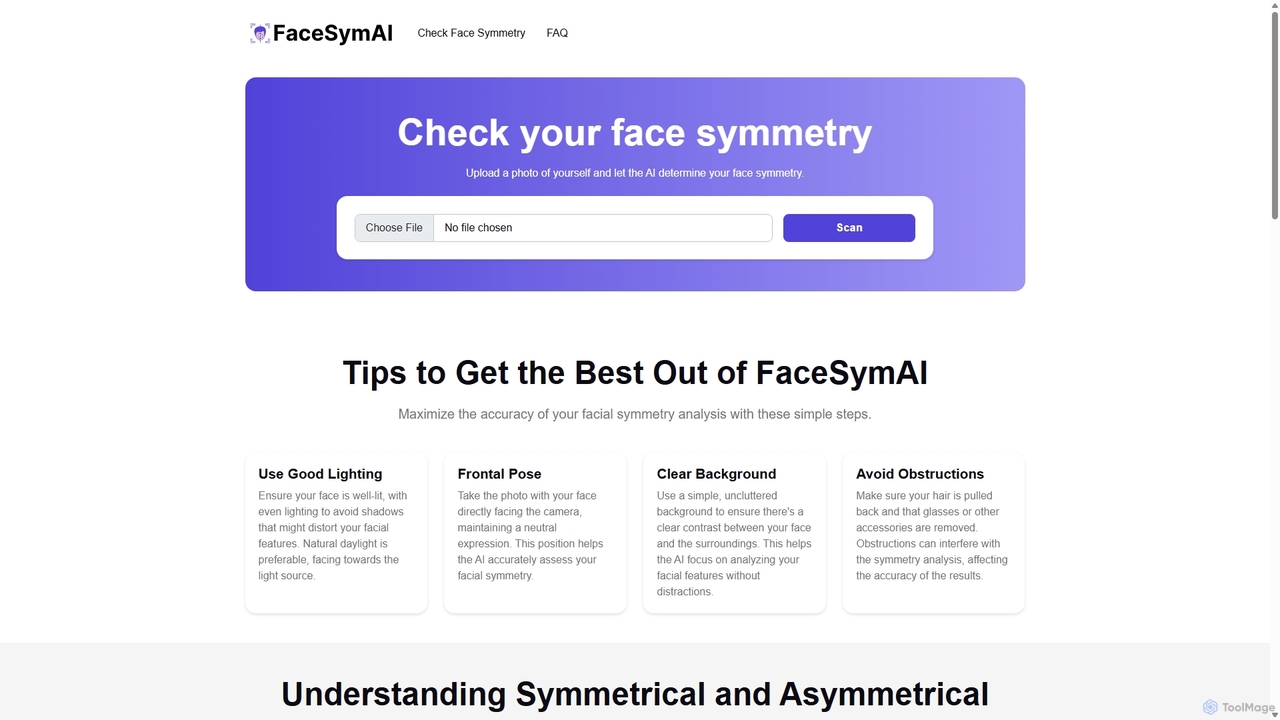
Face Symmetry Test is a free, AI-powered online tool that analyzes your facial symmetry. Simply upload a photo, …
Face Symmetry Test is a free, AI-powered online tool that analyzes your facial symmetry. Simply upload a photo, and the advanced algorithm will map your facial features, compare both sides, and provide an instant, easy-to-understand symmetry assessment. It's a fun and insightful way to learn more about your unique facial structure while ensuring your privacy, as uploaded photos are not stored.
LooksMax AI
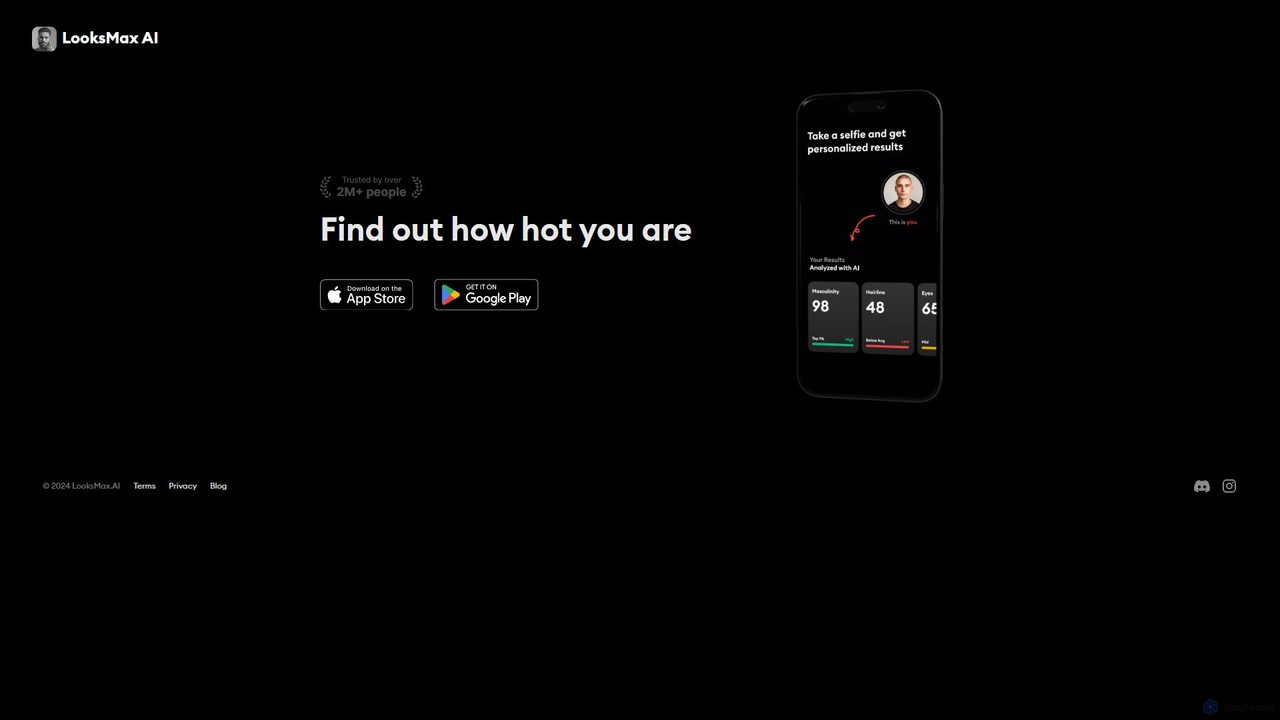
LooksMax AI is an AI-powered tool that analyzes your facial features to provide an attractiveness rating. Simply upload …
LooksMax AI is an AI-powered tool that analyzes your facial features to provide an attractiveness rating. Simply upload a photo to receive a detailed score and personalized, actionable advice on how to enhance your appearance, from hairstyles to jawline improvement.
Lifestack
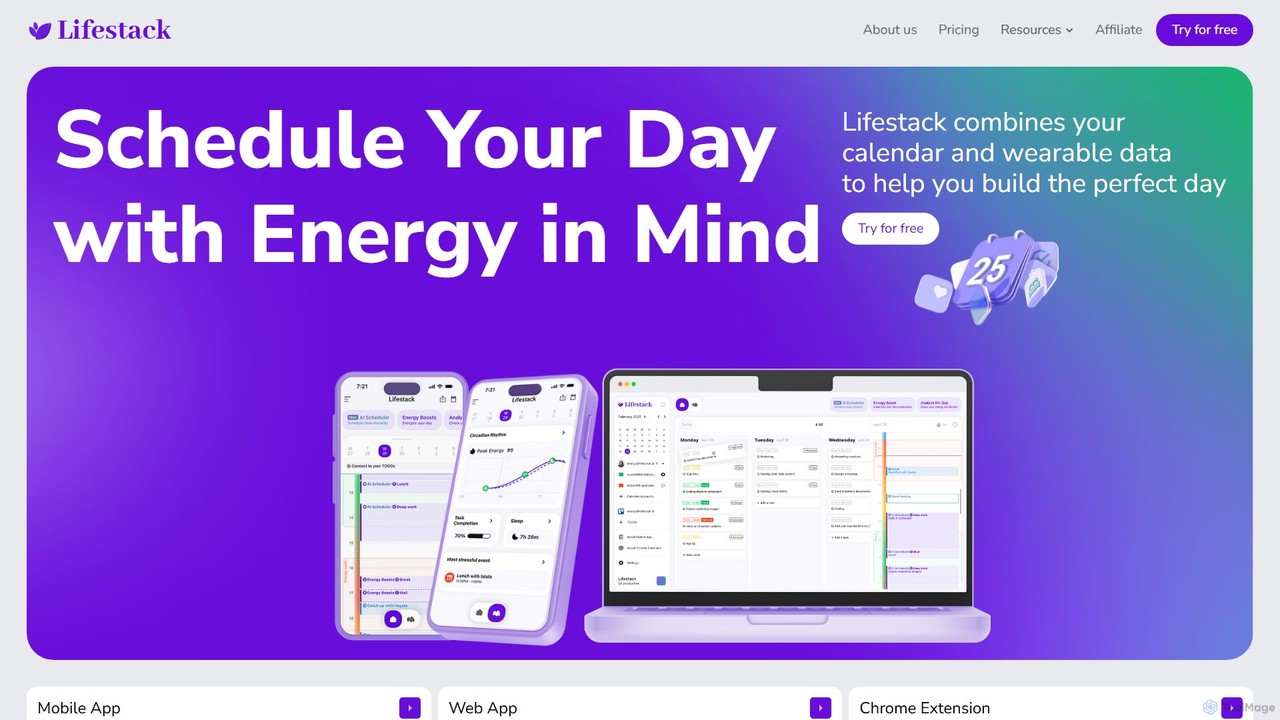
Lifestack is an intelligent calendar app that integrates with your health wearables to optimize your schedule based on …
Lifestack is an intelligent calendar app that integrates with your health wearables to optimize your schedule based on your energy levels. By analyzing data like sleep and circadian rhythm, it helps you schedule demanding tasks during your peak energy periods, boosting productivity and preventing burnout.
About Wellness
AI Wellness tools are applications that leverage artificial intelligence to provide personalized support for mental, emotional, and overall well-being. They analyze user data such as mood logs, journal entries, and biometric readings to offer tailored guidance and interventions. These tools make mental health support more accessible, helping users manage stress, improve sleep, and practice mindfulness through interactive, data-driven experiences. Unlike general fitness apps, they focus specifically on the psychological aspects of health.
Core Features
- Personalized Recommendations: The AI suggests specific meditations, breathing exercises, or articles based on your current mood and historical data.
- AI-Powered Chatbots: Engage in supportive conversations 24/7 for guided reflection, stress relief, and practicing cognitive behavioral techniques.
- Mood & Pattern Analysis: Automatically identifies trends and triggers in your emotional state by analyzing journal entries and logged data.
- Biometric Integration: Syncs with wearables to analyze sleep patterns, heart rate variability (HRV), and stress levels, providing actionable insights.
Use Cases
These tools are widely used by individuals seeking accessible self-care, companies implementing employee wellness programs, and healthcare providers who use them to supplement traditional therapy. They are particularly effective for daily stress management and building emotional resilience.
How to Choose
When selecting an AI Wellness tool, consider its scientific foundation—whether it uses evidence-based methods like CBT. Prioritize apps with transparent data privacy policies. Evaluate the level of personalization and its ability to integrate with other health devices you use. Finally, check user reviews for feedback on the effectiveness of the AI's guidance.
WellnessUse Cases
Managing Daily Stress and Anxiety
A busy professional feeling overwhelmed before a major presentation uses an AI wellness chatbot. By describing their feelings of anxiety, the AI initiates a 5-minute guided breathing exercise tailored to reduce acute stress. It also suggests a short journaling prompt to help identify the source of the anxiety. This provides immediate, discreet support directly on their smartphone, helping them regain composure and focus without leaving their desk.
Improving Sleep Quality with AI Analysis
An individual struggling with inconsistent sleep uses an AI wellness app connected to their smartwatch. The app analyzes their sleep stages, interruptions, and heart rate variability (HRV) overnight. In the morning, it provides a detailed sleep score and personalized insights, such as "Your deep sleep was interrupted at 2 AM, which coincided with a spike in your heart rate. Consider avoiding caffeine after 3 PM." Over time, these data-driven recommendations help the user adjust their habits and significantly improve sleep quality.
Guided Journaling for Self-Reflection
A user wanting to understand their emotional patterns better engages with an AI journaling tool. Instead of a blank page, the AI provides personalized prompts based on past entries, such as "You've mentioned feeling 'drained' on Mondays several times. What happens on your weekends that might be contributing to this?" This guided approach helps the user uncover subconscious patterns and triggers, fostering deeper self-awareness and personal growth.
Personalized Mindfulness and Meditation Practice
A beginner finds it difficult to stick with a meditation routine using generic apps. An AI wellness tool assesses their initial stress levels and goals. It then creates a personalized meditation plan that starts with short, 3-minute guided sessions and gradually increases in duration. Based on post-session feedback ("My mind was very busy"), the AI can adapt the next session's style, perhaps suggesting a body scan meditation instead of a breath-focused one to improve focus.
Enhancing Corporate Wellness Programs
An HR department offers an AI wellness platform to its employees to combat burnout. Employees can confidentially access resources like AI coaching, stress-reduction exercises, and mood tracking. The company receives anonymized, aggregated reports showing overall workforce stress levels and the most used resources. This data allows the HR team to identify systemic issues and proactively introduce targeted initiatives, such as workshops on time management or mental health awareness days.
Practicing Cognitive Behavioral Therapy (CBT) Exercises
Someone looking to manage negative thought patterns uses an app that provides structured, AI-guided CBT modules. When the user logs a negative thought, the AI guides them through the process of identifying cognitive distortions (like 'catastrophizing') and reframing the thought in a more balanced way. The app tracks their progress, reinforcing positive habits and making evidence-based therapeutic techniques accessible anytime, anywhere.