Health Best in category 2 results Symptom Analysis AI Tool

Popular AI tools in the Symptom Analysis field of Health include SymptomChecker.io、Rash Detector, etc., helping you quickly improve efficiency.

Free
SymptomChecker.io

SymptomChecker.io

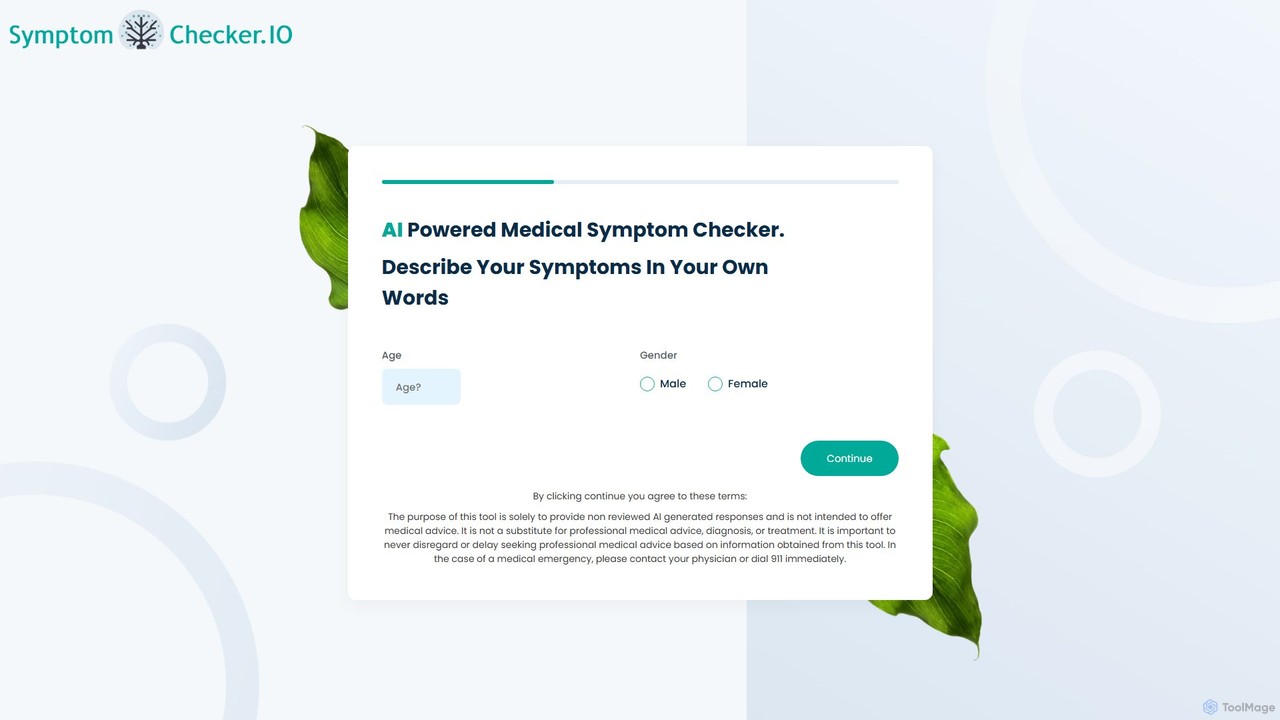
An AI-powered tool that analyzes your described symptoms, age, and gender to provide preliminary health information. It's designed …

3.4K
Rash Detector

Rash Detector

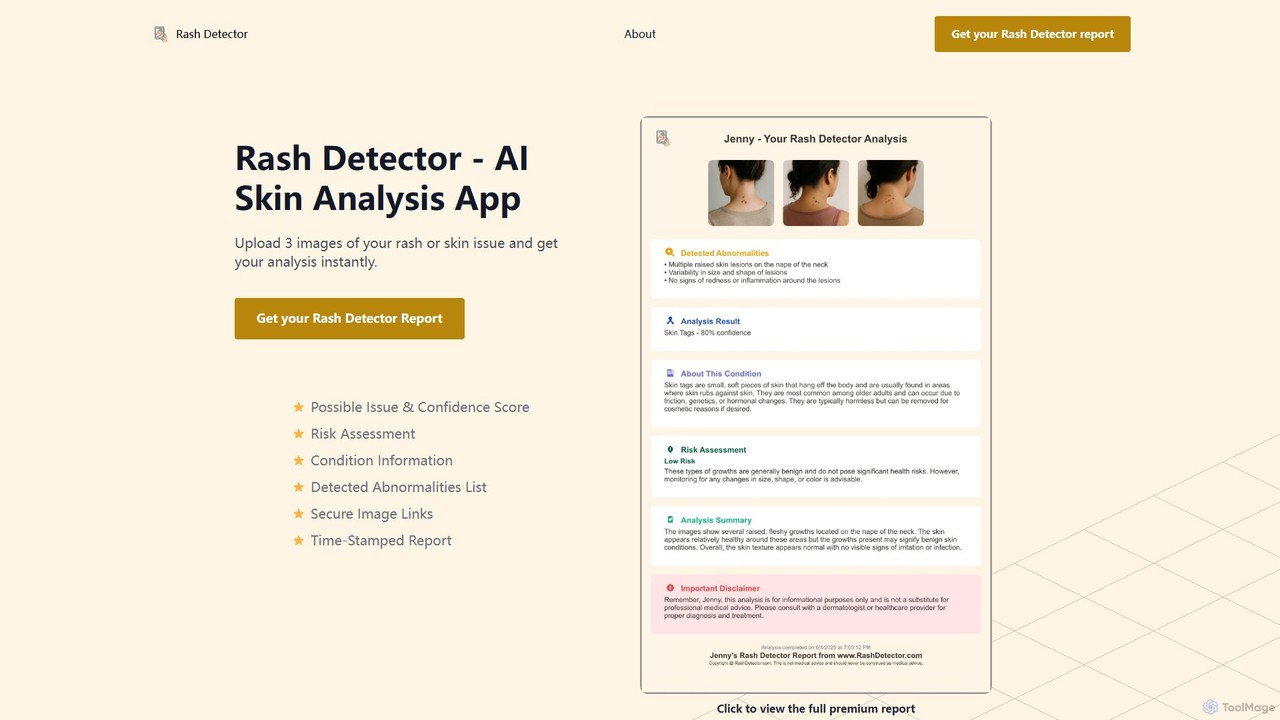
Rash Detector is an AI-powered skin analysis tool that provides instant insights into rashes and skin conditions. By …

3.2K

About Symptom Analysis

Symptom Analysis tools are AI-driven applications designed to interpret user-provided health symptoms and offer preliminary information. By leveraging natural language processing (NLP) and machine learning models trained on extensive medical data, these tools identify potential patterns and associated conditions. Their primary value lies in helping users better understand their symptoms, assess the urgency of their situation, and prepare for more effective consultations with healthcare professionals. They serve as an initial, informational step, not a substitute for professional medical diagnosis.

Core Features

  • Natural Language Input: Allows users to describe symptoms in their own words via text or voice.
  • Interactive Questioning: Asks dynamic follow-up questions to gather more specific details about symptoms and medical history.
  • Potential Condition Insights: Provides a list of possible related conditions based on the input, often ranked by likelihood.
  • Urgency Assessment: Helps classify the severity of symptoms to suggest appropriate next steps, such as self-care, a doctor's visit, or emergency care.
  • Report Generation: Creates a structured summary of the user's symptoms and responses for easy sharing with a doctor.

Use Cases

These tools are primarily used by individuals experiencing non-life-threatening symptoms who seek initial guidance. They are valuable for parents assessing a child's illness, people managing chronic conditions who need to track symptom patterns, or anyone preparing for a doctor's appointment. They can also assist travelers who need to understand a health issue in an unfamiliar location before seeking local care.

How to Choose

When selecting a Symptom Analysis tool, prioritize data privacy and security. Verify the credibility of the underlying medical database—look for tools based on peer-reviewed research and clinical guidelines. The user interface should be clear and intuitive, and the results must be presented as informational possibilities, explicitly stating they are not a diagnosis. Avoid tools that make definitive claims or promise a cure.

Symptom AnalysisUse Cases

1

Preliminary Self-Triage for Common Ailments

An individual experiencing a persistent cough and headache uses a symptom analysis tool to understand potential causes. They input their symptoms, age, and note that they have no fever. The AI asks follow-up questions about the cough's nature (dry or productive) and the headache's location. Based on the responses, the tool provides a list of possibilities, such as a common cold, allergies, or tension headache, along with information on each. It also assesses the urgency, suggesting that since there are no severe symptoms like difficulty breathing, they can monitor at home and consider seeing a doctor if symptoms don't improve in a few days. This helps the user make an informed decision without immediate panic.

2

Preparing for a Doctor's Appointment

A patient with a chronic condition like IBS needs to report symptom flare-ups to their specialist. Before the appointment, they use a symptom analysis tool to log their experiences over the past week. They detail the frequency of abdominal pain, changes in digestion, and specific food triggers. The tool organizes this information into a clear, chronological report. It highlights patterns the user might not have noticed, such as symptoms worsening after consuming dairy. The patient can then print this summary or show it on their phone to the doctor, leading to a more productive consultation and helping the doctor make more accurate adjustments to their treatment plan.

3

Guidance for Parents on Child's Symptoms

A parent is concerned about their toddler's sudden rash and low-grade fever. Unsure of the urgency, they use a symptom analysis tool designed for pediatric care. They input the child's age, temperature, and describe the rash's appearance and location. The AI asks if the child has other symptoms like a sore throat or loss of appetite. Based on the combination of symptoms, the tool suggests common childhood illnesses like roseola or hand, foot, and mouth disease, providing pictures for comparison. It advises monitoring the fever and seeking a pediatrician's advice within 24-48 hours, while also listing red-flag symptoms (like a non-blanching rash) that would require immediate medical attention. This empowers the parent with information to act appropriately.

4

Assessing a Minor Injury

After a fall during a hike, a person has a swollen ankle and is unsure whether it's a sprain or something more serious. Using a symptom analysis tool on their phone, they answer questions about the incident, the level of pain, their ability to bear weight, and the location of the swelling. The tool's algorithm, based on clinical guidelines like the Ottawa Ankle Rules, assesses the likelihood of a fracture. It might conclude that a fracture is unlikely but advises following the R.I.C.E. (Rest, Ice, Compression, Elevation) protocol and seeing a doctor if the pain and swelling worsen or don't improve after 48 hours. This provides immediate, actionable advice in a remote situation.

5

Understanding Potential Medication Side Effects

Someone starts a new prescription medication and begins experiencing mild nausea and dizziness a few days later. They use a symptom analysis tool to check if these could be related to the new drug. They input their symptoms and the name of the medication. The tool cross-references this with a database of known drug side effects and interactions. It confirms that mild nausea is a common, often temporary, side effect of that medication. It advises them to take the pill with food and to contact their doctor or pharmacist if the symptoms become severe or persist for more than a week. This provides reassurance and practical advice, preventing unnecessary anxiety or premature discontinuation of the medication.

6

Travel Health Assessment

A tourist in Southeast Asia develops an upset stomach and a mild fever. Unfamiliar with local health risks, they use a symptom analysis tool. They input their symptoms, recent food history, and travel location. The tool considers location-specific risks, such as traveler's diarrhea or dengue fever, alongside more common causes like food poisoning. It provides information on each possibility and highlights warning signs that would necessitate finding a local clinic, such as dehydration or a high fever. It also offers general advice, like staying hydrated with safe water and avoiding certain foods. This helps the traveler manage their situation calmly and make a more informed decision about seeking professional medical help abroad.

Symptom AnalysisFrequently Asked Questions