Aii
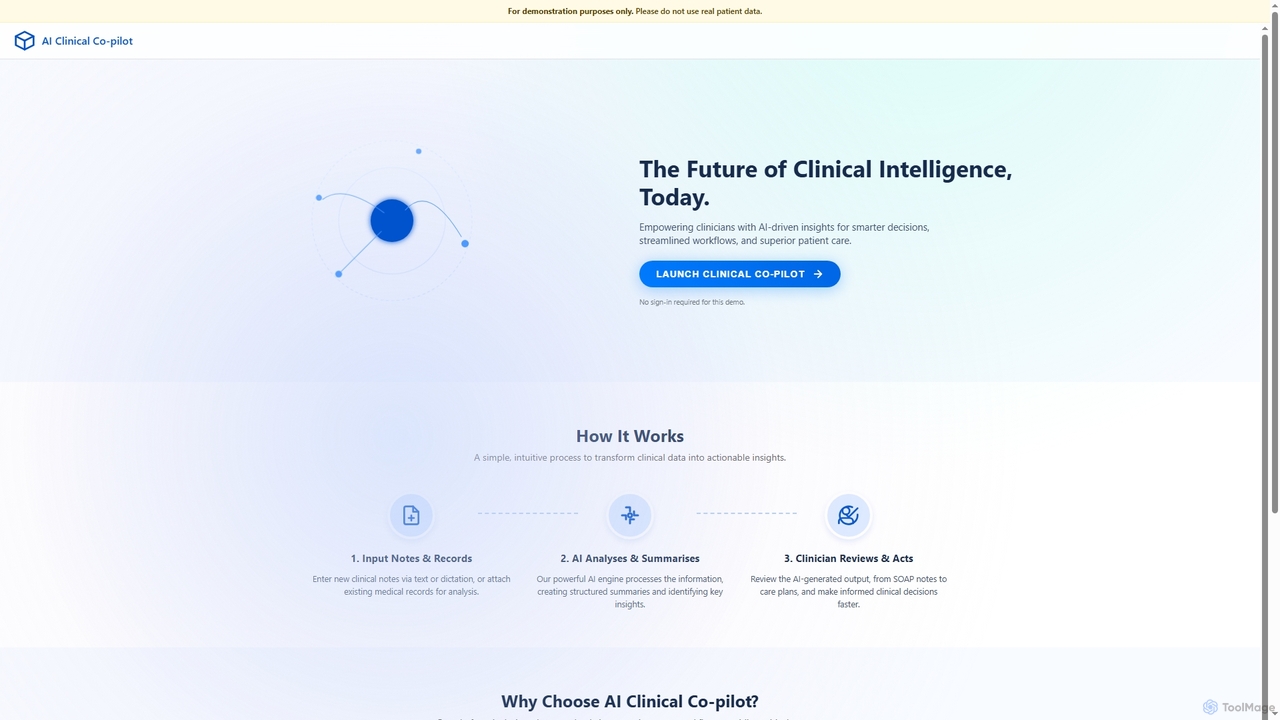
Aii is an AI Clinical Co-pilot designed to empower healthcare professionals with intelligent insights, streamline workflows, and enhance …
Aii is an AI Clinical Co-pilot designed to empower healthcare professionals with intelligent insights, streamline workflows, and enhance patient care. It rapidly processes clinical notes and medical records, generating structured summaries, offering diagnostic guidance, and automating documentation to reduce administrative burden and improve patient engagement.
HEALWELL AI
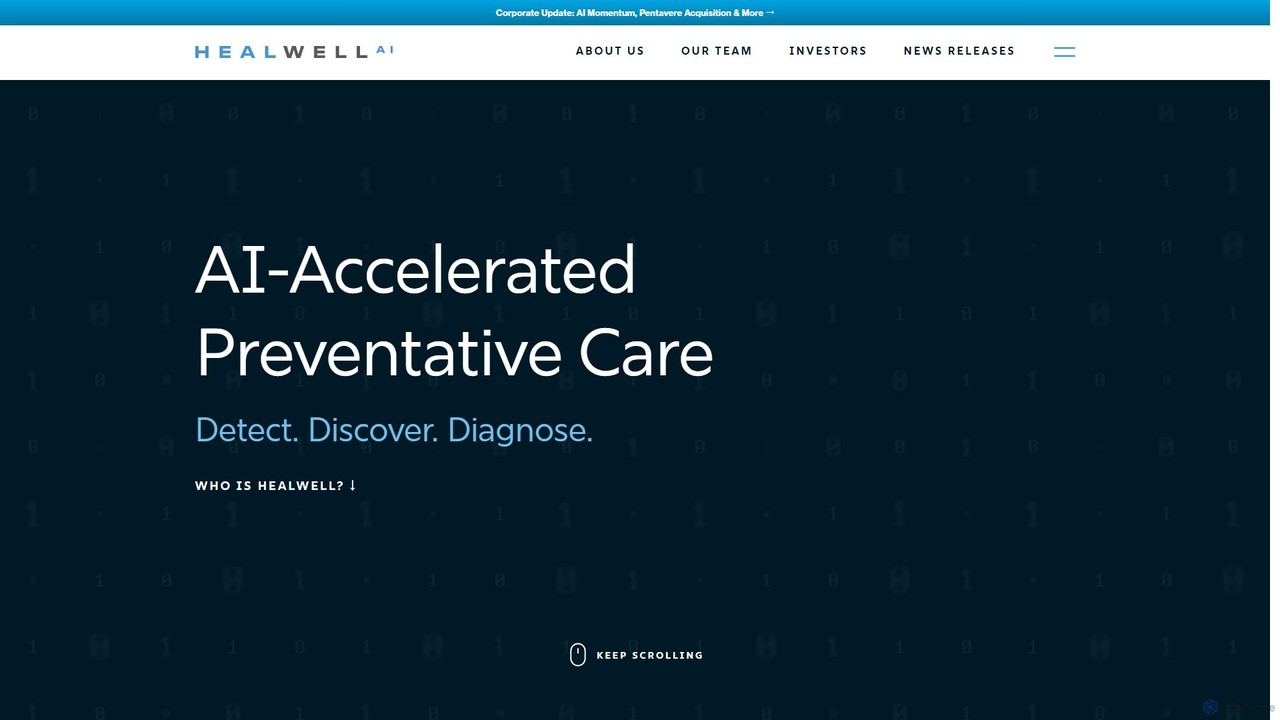
HEALWELL AI is a healthcare technology company specializing in AI and data science for preventative care. Its platform …
HEALWELL AI is a healthcare technology company specializing in AI and data science for preventative care. Its platform offers an AI-powered clinical co-pilot that assists healthcare providers with the early detection and identification of rare and chronic diseases, improving patient outcomes and clinical efficiency.
About Clinical Decision Support
Clinical Decision Support (CDS) tools are a specialized class of AI software designed to analyze health information and provide clinicians with evidence-based recommendations at the point of care. These systems leverage machine learning models trained on vast medical datasets, including clinical trials and electronic health records, to identify patterns and predict outcomes. Their primary value lies in enhancing diagnostic accuracy, personalizing treatment plans, and preventing potential medical errors. By integrating directly into clinical workflows, CDS tools provide timely, context-aware insights to support and augment human expertise.
Core Features
- Diagnostic Assistance: Suggests potential diagnoses by analyzing patient symptoms, lab results, and imaging data.
- Treatment Recommendation: Proposes personalized treatment protocols based on clinical guidelines and patient-specific data.
- Medication Safety Alerts: Flags potential adverse drug interactions, contraindications, and dosage errors in real-time.
- Predictive Analytics: Identifies patients at high risk for specific conditions like sepsis or hospital readmission.
- Evidence-Based Guideline Integration: Delivers relevant clinical practice guidelines directly within the clinician's workflow.
Use Cases
Clinical Decision Support systems are primarily used in healthcare settings such as hospitals, specialty clinics, and primary care practices. Key users include physicians, nurses, pharmacists, and other healthcare providers who need to make complex, data-driven decisions quickly. They are applied in areas like emergency medicine for rapid triage, oncology for creating tailored cancer treatment plans, and intensive care for early detection of patient deterioration.
How to Choose
When selecting a Clinical Decision Support tool, consider its integration capabilities with your existing Electronic Health Record (EHR) system. Evaluate its regulatory compliance (e.g., HIPAA, GDPR) and the validation of its AI models. Assess the breadth and depth of its clinical knowledge base for your specific specialty. Finally, prioritize systems that offer transparent, explainable recommendations and a user interface that minimizes workflow disruption.

Clinical Decision SupportUse Cases
Real-time Diagnostic Support in Emergency Rooms
An emergency room physician is presented with a patient showing complex and non-specific symptoms. Using a Clinical Decision Support tool integrated into the EHR, the physician inputs vital signs, symptoms, and initial lab results. The AI analyzes this data against a vast medical knowledge base in seconds, generating a differential diagnosis list ranked by probability. It highlights potential critical conditions, such as aortic dissection or pulmonary embolism, that might otherwise be overlooked, prompting the physician to order specific imaging tests immediately. This accelerates the diagnostic process and improves patient outcomes in time-sensitive situations.
Personalized Cancer Treatment Planning
An oncologist uses a specialized CDS tool for cancer care. They upload the patient's genomic sequencing data, tumor pathology reports, and treatment history. The AI platform analyzes this multi-modal data to identify specific mutations and biomarkers. It then cross-references this information with the latest clinical trial results, research publications, and approved drug databases. The system generates a report recommending targeted therapies or immunotherapies most likely to be effective for the patient's specific cancer subtype, along with supporting evidence. This enables the oncologist to create a highly personalized and evidence-based treatment strategy.
Preventing Adverse Drug Events in Hospitals
A hospital pharmacist uses a CDS system integrated with the electronic prescribing and patient records system. When a physician prescribes a new medication, the CDS automatically scans the patient's profile. It checks for potential drug-drug interactions with their current medications, drug-allergy contraindications, and appropriate dosing based on the patient's age, weight, and kidney function. If a potential issue is detected, such as a dangerous interaction, the system sends an immediate, high-priority alert to both the prescribing physician and the pharmacist. This proactive safety net helps prevent a significant number of preventable adverse drug events within the hospital.
Early Detection of Sepsis in ICU Patients
In an Intensive Care Unit (ICU), a CDS tool continuously monitors real-time data streams from multiple sources, including vital signs monitors, lab results, and nurse's notes. The AI model is trained to recognize subtle patterns and combinations of physiological changes that precede the clinical manifestation of sepsis. When the system's algorithm detects a high probability of impending sepsis, it triggers an alert on the central nursing station monitor and sends a notification to the attending physician's mobile device. This early warning allows the clinical team to initiate sepsis protocols hours earlier than they might have otherwise, significantly improving the patient's chances of survival.
Ensuring Adherence to Clinical Practice Guidelines
A primary care physician is managing a patient with type 2 diabetes. A CDS module within the EHR automatically tracks the patient's care against established guidelines from organizations like the American Diabetes Association. During the patient visit, the system displays reminders for overdue screenings, such as an annual eye exam or foot check. It also suggests adjusting medication based on the latest HbA1c results, presenting guideline-recommended options. This ensures that care is consistent, comprehensive, and aligned with the latest evidence-based standards, reducing variability in care quality among different providers.
Optimizing Antibiotic Stewardship Programs
An infectious disease specialist uses a CDS tool to combat antibiotic resistance. When a culture result is available, the system analyzes the identified pathogen and its sensitivities against the hospital's local antibiogram (resistance patterns). It then recommends the most effective, narrow-spectrum antibiotic, discouraging the overuse of broad-spectrum agents. The tool can also suggest optimal dosing and duration of therapy. By providing data-driven recommendations at the point of prescribing, the CDS helps enforce the hospital's antibiotic stewardship policies, leading to better patient outcomes and slowing the development of drug-resistant bacteria.