ToolMage
Sign in

Best 1 Home Automation AI tools

Popular Home Automation AI tools include Ohmbolt, helping you work more efficiently.

Ohmbolt
Freemium

Ohmbolt

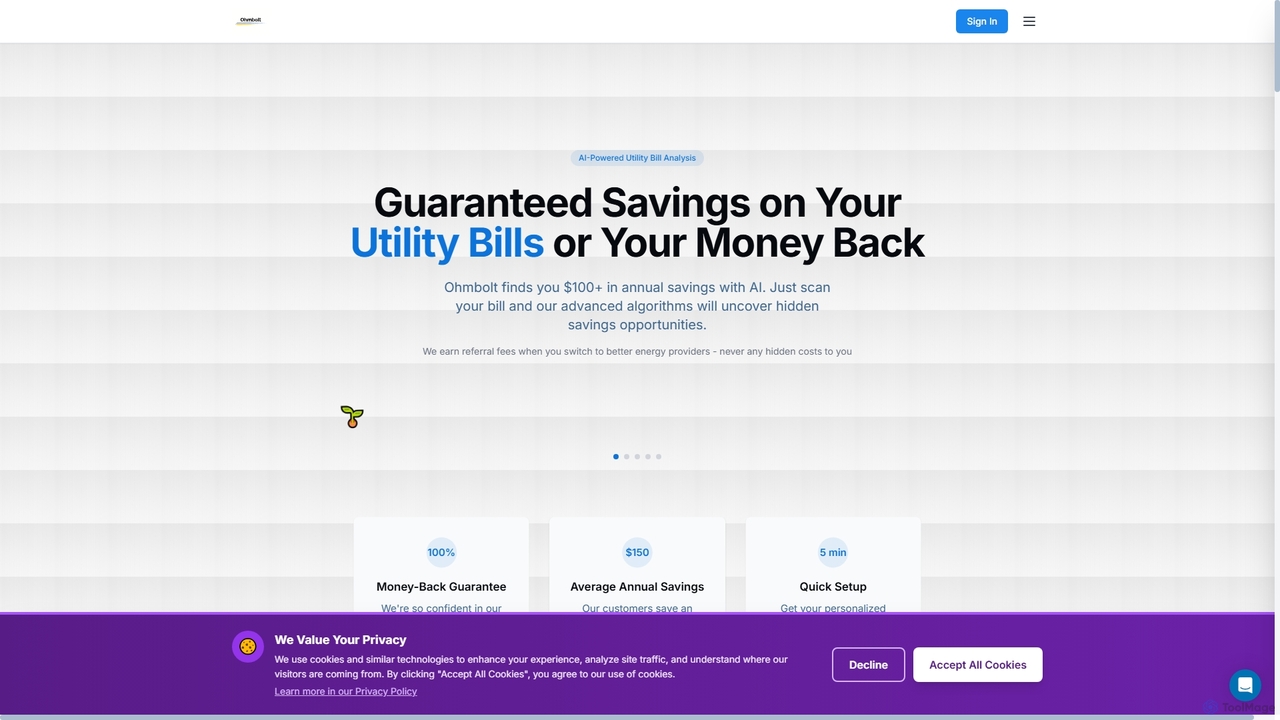
Ohmbolt is an AI-powered utility bill analysis tool that guarantees to find $100+ in annual savings on your utility bills or your money back. It scans bills, identifies usage patterns, compares rates, and provides personalized recommendations to optimize energy costs for homes and businesses.

Cost Reduction
Visits 5.4KFavorites 148Likes 137

About Home Automation

Home Automation are AI-powered systems that integrate and control various smart devices and appliances within a residence. These tools leverage artificial intelligence, IoT, and connectivity protocols to automate tasks, manage environments, and enhance security. By creating intelligent living spaces, home automation offers unparalleled convenience, energy efficiency, and personalized comfort for residents.

Core Features

  • Smart Lighting Control: Automatically adjust brightness, color, and schedules based on presence, time, or mood.
  • Climate Management: Intelligent thermostats and sensors optimize heating, ventilation, and air conditioning for comfort and energy saving.
  • Security & Surveillance: Integrate smart locks, cameras, motion sensors, and alarm systems for comprehensive home protection.
  • Appliance Automation: Remotely control and schedule household appliances like coffee makers, washing machines, and robotic vacuums.
  • Voice Assistant Integration: Seamlessly control devices and execute commands through popular voice assistants like Alexa, Google Assistant, or Siri.

Use Cases

Home automation is widely adopted by homeowners seeking modern living, individuals with mobility challenges, and those prioritizing energy conservation. It streamlines daily routines, enhances safety, and provides remote management capabilities, making homes more responsive and efficient. From automating morning routines to monitoring property while away, these systems cater to diverse needs.

How to Choose

When selecting a home automation system, consider its compatibility with your existing smart devices and preferred ecosystem (e.g., Apple HomeKit, Google Home). Evaluate the security and privacy features, ensuring robust data protection. Assess the ease of installation and use, looking for user-friendly interfaces and reliable performance. Finally, consider scalability to accommodate future additions and technological advancements.

Home Automation use cases

1

Automating Daily Routines for Busy Professionals

Busy professionals can leverage home automation to streamline their mornings and evenings. By setting up routines, smart lights can gradually brighten, the thermostat can adjust to a comfortable temperature, and a smart coffee maker can start brewing at a specific time. This eliminates manual tasks, saving precious minutes and ensuring a smooth start and end to the day, enhancing overall well-being.

2

Enhancing Home Security and Peace of Mind

Homeowners can significantly boost their property's security with integrated automation systems. Smart locks allow remote access control, while AI-powered cameras and motion sensors provide real-time monitoring and send instant alerts to smartphones if unusual activity is detected. This comprehensive approach deters intruders and offers peace of mind, whether residents are home or away.

3

Optimizing Energy Consumption and Reducing Bills

Eco-conscious users and budget-minded families can utilize home automation to drastically cut energy waste. Smart thermostats learn occupancy patterns and adjust climate control accordingly, while smart lighting systems turn off lights in empty rooms or dim them based on natural light. This intelligent management ensures energy is only used when and where needed, leading to substantial savings on utility bills.

4

Assisting Elderly or Individuals with Mobility Challenges

Home automation provides invaluable support for the elderly or those with mobility impairments. Voice-controlled lighting, automated blinds, and smart door locks eliminate the need for physical exertion. Emergency alert systems can automatically notify caregivers or emergency services in case of a fall or medical issue, promoting independence and safety within their own homes.

5

Creating Personalized Ambiance for Entertainment and Relaxation

Individuals can transform their living spaces into dynamic environments tailored to their mood or activity. With smart lighting, users can adjust colors and brightness for movie nights, parties, or quiet reading. Integrated smart speakers can play curated playlists, creating a truly immersive experience. This personalization enhances comfort and enjoyment, making every moment at home more pleasant.

6

Remote Monitoring and Management of Vacation Homes

Owners of vacation homes or rental properties can benefit immensely from remote home automation. They can monitor security cameras, adjust thermostats to prevent pipes from freezing, or even grant temporary access to guests or service personnel from anywhere in the world. This capability ensures the property is always secure and well-maintained, even when unoccupied for extended periods.

Home Automation FAQ

What is Home Automation?

Home automation refers to the use of technology to control and automate various systems and devices within a home, often leveraging artificial intelligence and the Internet of Things (IoT). It aims to enhance convenience, security, and energy efficiency by allowing residents to manage lighting, climate, entertainment, and appliances remotely or through pre-set schedules. Key characteristics include interconnected devices, centralized control, and intelligent decision-making.

How do I choose the best home automation system for my needs?

Choosing the right home automation system involves considering several factors. First, assess your specific needs, such as security, energy saving, or convenience. Second, check for compatibility with existing smart devices and preferred voice assistants. Third, evaluate the system's scalability and ease of installation. Finally, compare pricing, subscription models, and the level of customer support offered by different brands to ensure it fits your budget and technical comfort.

What are the key benefits of using home automation?

The primary benefits of home automation include enhanced convenience, improved security, and significant energy savings. Users can control devices from anywhere, automate repetitive tasks, and receive real-time alerts for security breaches. Smart thermostats and lighting optimize energy usage, reducing utility bills. Additionally, it offers increased comfort, accessibility for those with special needs, and the ability to personalize living spaces.

Can home automation systems integrate with existing smart devices?

Yes, many modern home automation systems are designed for broad compatibility and can integrate with a wide range of existing smart devices. Platforms like Apple HomeKit, Google Home, and Amazon Alexa act as central hubs, allowing devices from different manufacturers to communicate and work together. However, it's crucial to check the specific compatibility lists and supported protocols (e.g., Wi-Fi, Zigbee, Z-Wave) before purchasing new devices to ensure seamless integration.

How secure are home automation systems against cyber threats?

The security of home automation systems is a critical concern. Reputable manufacturers implement robust encryption, secure authentication protocols, and regular software updates to protect against cyber threats. Users can further enhance security by using strong, unique passwords, enabling two-factor authentication, and keeping device firmware updated. While no system is entirely impenetrable, choosing trusted brands and following best practices significantly reduces vulnerability to hacking and data breaches.

What is the difference between Home Automation and Smart Home?

While often used interchangeably, 'Smart Home' generally refers to a residence equipped with internet-connected devices that can be controlled remotely. 'Home Automation' is a subset of smart home technology that specifically focuses on programming these devices to perform tasks automatically, without direct human intervention. For example, a smart home might allow you to turn off lights from your phone, while home automation would automatically turn off lights when you leave the house or at a set time.