GPT for Forms
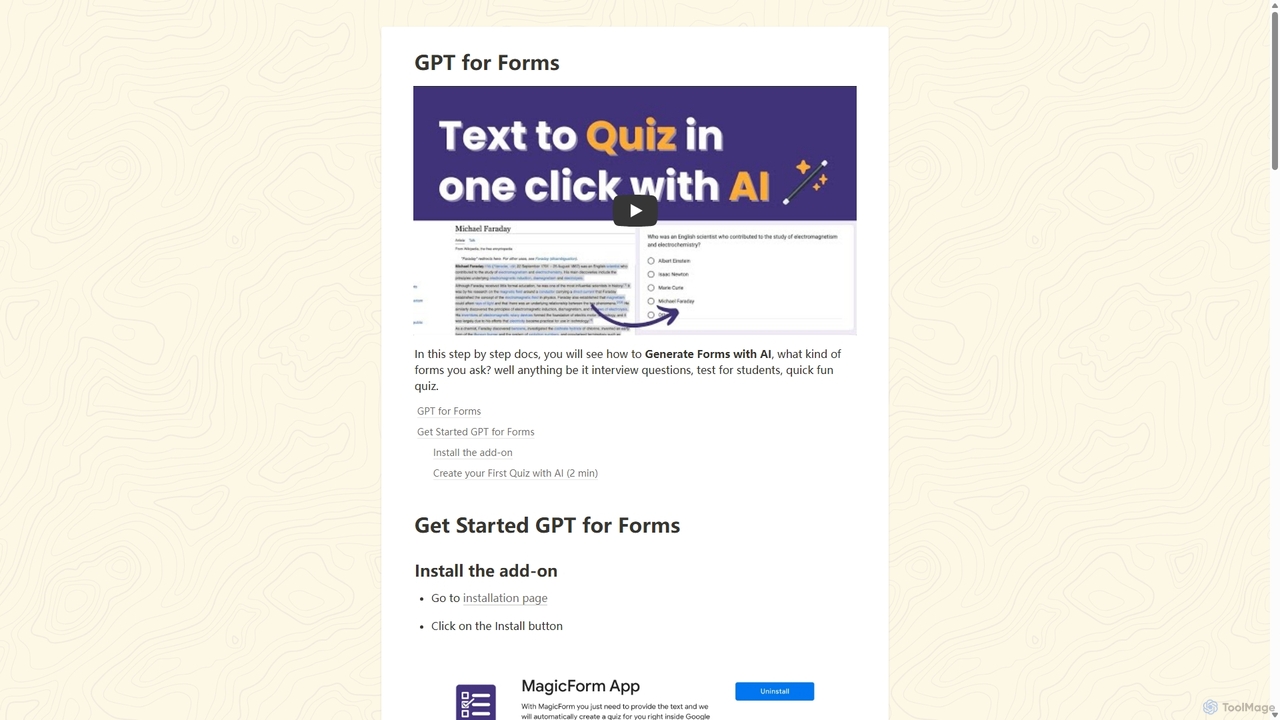
An AI-powered Google Forms add-on that instantly generates quizzes, tests, and surveys from any text. Simply paste your …
An AI-powered Google Forms add-on that instantly generates quizzes, tests, and surveys from any text. Simply paste your content, and GPT for Forms creates relevant questions and answers in seconds, streamlining the assessment creation process for educators, trainers, and HR professionals.
SayHi
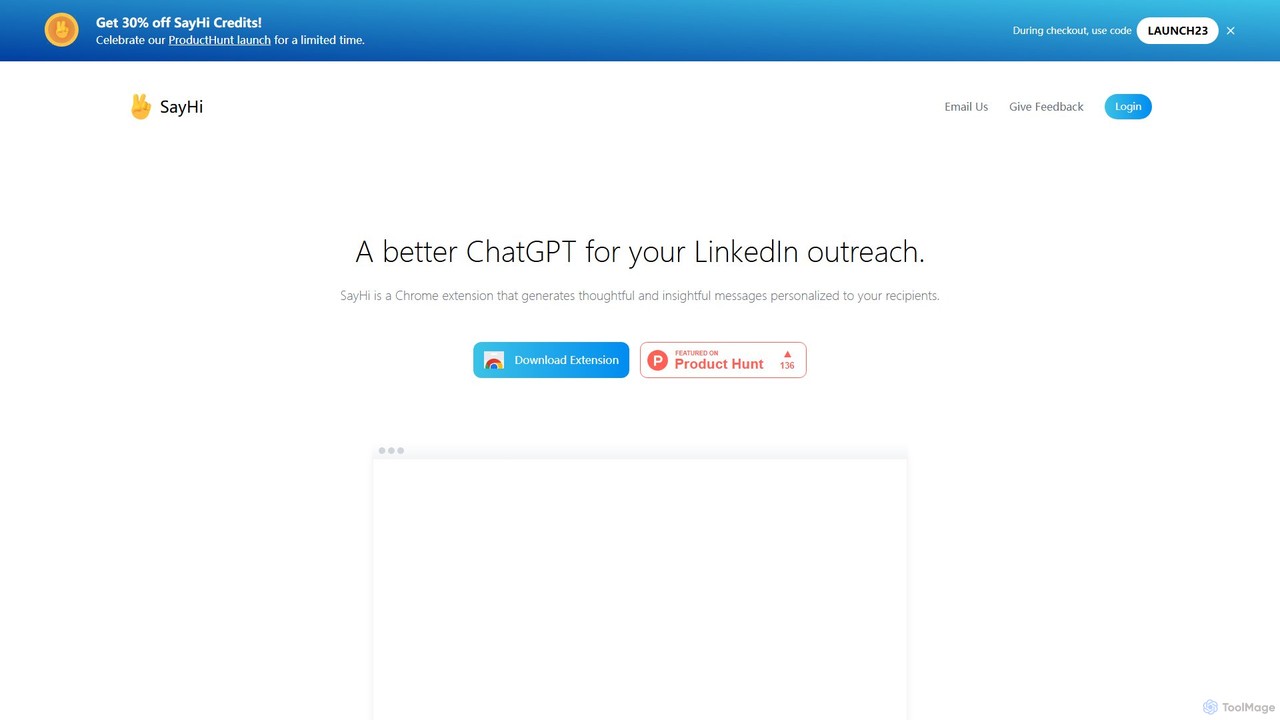
SayHi is an AI-powered Chrome extension designed to generate highly personalized and persuasive messages for LinkedIn outreach. It …
SayHi is an AI-powered Chrome extension designed to generate highly personalized and persuasive messages for LinkedIn outreach. It analyzes recipient profiles to help sales professionals, recruiters, and networkers craft unique messages that boost engagement and response rates.

RecruitingEmails.ai
RecruitingEmails.ai is an AI-powered Chrome extension by Dover that generates highly personalized recruiting emails. It analyzes candidates' LinkedIn …
RecruitingEmails.ai is an AI-powered Chrome extension by Dover that generates highly personalized recruiting emails. It analyzes candidates' LinkedIn profiles to create compelling, warm outreach copy, helping recruiters save time and significantly boost response rates.
CareerComposeAI
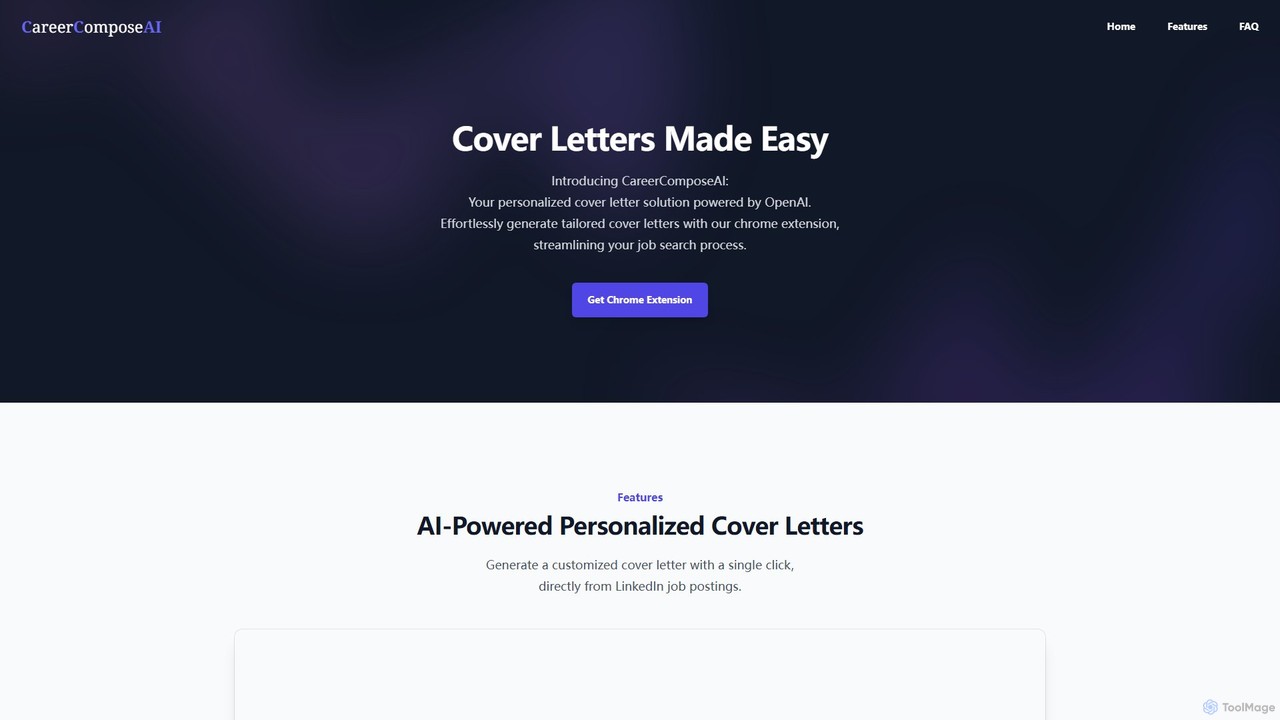
CareerComposeAI is an AI-powered Chrome extension that simplifies your job search. It generates personalized, professional cover letters in …
CareerComposeAI is an AI-powered Chrome extension that simplifies your job search. It generates personalized, professional cover letters in one click by analyzing your LinkedIn profile and the specific job posting. Save time, overcome writer's block, and create tailored applications effortlessly to land your dream job faster.
About Recruiting
AI Recruiting tools are a specialized category of Human Resources software that uses artificial intelligence to automate and optimize the hiring process. These platforms leverage machine learning and natural language processing (NLP) to perform tasks like parsing resumes, screening candidates, and matching them to job descriptions. Their primary value lies in significantly increasing efficiency, reducing unconscious bias, and helping recruiters identify the best-fit talent from vast applicant pools more quickly. This allows HR teams to focus on more strategic tasks, such as candidate engagement and final interviews.
Core Features
- Automated Resume Screening: Automatically parses and analyzes resumes to rank candidates based on skills, experience, and relevance to the job requirements.
- Intelligent Candidate Sourcing: Proactively searches online platforms, social networks, and professional databases to find and engage passive candidates who fit specific criteria.
- AI-Powered Interview Scheduling: Coordinates and automates the scheduling of interviews between candidates and hiring teams, eliminating manual back-and-forth communication.
- Predictive Hiring Analytics: Uses historical data to identify traits of successful employees and predict a candidate's potential for success and retention.
- Candidate Engagement Chatbots: Deploys AI chatbots on career pages to answer applicant questions, conduct initial screenings, and provide status updates 24/7.
Use Cases
These tools are widely used in companies with high-volume hiring needs, such as in retail, hospitality, and customer service sectors. They are also critical for tech companies seeking to find candidates with niche technical skills. Large enterprises utilize AI recruiting platforms to standardize their hiring process across different departments and locations, ensuring consistency and fairness.
How to Choose
When selecting an AI Recruiting tool, first consider its integration capabilities with your existing Applicant Tracking System (ATS). Evaluate the sophistication of its matching algorithms and its features for mitigating bias. Assess the user experience for both recruiters and candidates, as a poor candidate experience can deter top talent. Finally, consider the tool's scalability and pricing model to ensure it aligns with your company's growth and budget.
RecruitingUse Cases
Automate High-Volume Candidate Screening
A national retail chain needs to hire hundreds of seasonal employees for the holiday rush. Manually reviewing thousands of applications is impossible. By using an AI Recruiting tool, the HR team sets up rules based on availability, past experience, and customer service skills. The AI screens all incoming applications in real-time, shortlisting the top 10% of qualified candidates within hours. This reduces the screening time by over 90% and allows recruiters to start interviewing qualified applicants almost immediately.
Proactively Source Niche Tech Talent
A software company is struggling to find senior developers with expertise in a rare programming language. Active job postings yield few qualified applicants. The recruiting team uses an AI sourcing tool to scan platforms like GitHub, Stack Overflow, and technical blogs. The AI identifies developers who contribute to relevant open-source projects or discuss the language online, even if they aren't actively looking for a job. It then helps craft personalized outreach messages, significantly increasing the response rate from these hard-to-find, passive candidates.
Streamline Interview Scheduling Across Time Zones
A global corporation is hiring for a remote role, with interviewers located in Europe, Asia, and North America. Coordinating a panel interview is a logistical nightmare. The hiring manager uses an AI scheduling tool integrated with the company's calendar system. The tool automatically identifies mutually available time slots for all participants, including the candidate, converts time zones, and sends out invitations. If someone declines, it instantly suggests alternative slots, reducing the time spent on scheduling from days to minutes.
Reduce Unconscious Bias in Resume Review
An organization committed to Diversity, Equity, and Inclusion (DEI) wants to ensure its initial screening process is fair. They implement an AI tool that anonymizes resumes by removing identifying information such as names, photos, and university names before they are reviewed by recruiters. The AI focuses solely on skills, qualifications, and experience, providing an objective score for each candidate. This helps ensure that every applicant is judged on their merits, leading to a more diverse candidate pool advancing to the interview stage.
Enhance Candidate Engagement with AI Chatbots
A large tech company receives thousands of inquiries on its careers page daily, overwhelming the HR team. They deploy an AI chatbot to provide 24/7 support. The chatbot answers frequently asked questions about company culture, benefits, and application processes. It can also conduct a simple pre-screening quiz to guide candidates to the most suitable open roles. This provides instant engagement for applicants and frees up recruiters from answering repetitive questions, allowing them to focus on building relationships with top-tier candidates.
Analyze Job Descriptions for Inclusive Language
An HR team wants to attract a more diverse applicant pool. Before publishing new job postings, they use an AI tool to analyze the text. The tool flags gender-coded words (e.g., 'rockstar', 'dominant'), overly complex jargon, and excessive requirements that might discourage qualified candidates from underrepresented groups. It suggests neutral and encouraging alternatives, helping the team craft job descriptions that are more welcoming and effective at attracting a broad range of talent.