GPT for Forms
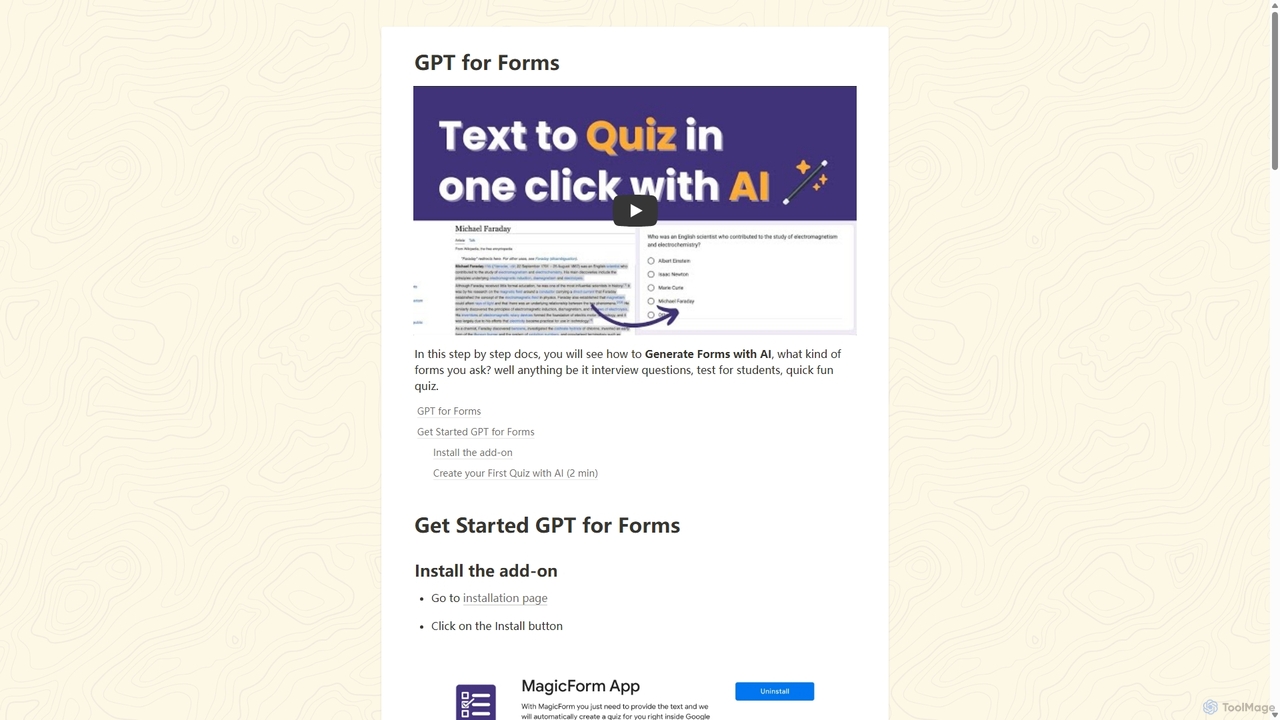
An AI-powered Google Forms add-on that instantly generates quizzes, tests, and surveys from any text. Simply paste your …
An AI-powered Google Forms add-on that instantly generates quizzes, tests, and surveys from any text. Simply paste your content, and GPT for Forms creates relevant questions and answers in seconds, streamlining the assessment creation process for educators, trainers, and HR professionals.
SayHi
SayHi is an AI-powered Chrome extension designed to generate highly personalized and persuasive messages for LinkedIn outreach. It …
SayHi is an AI-powered Chrome extension designed to generate highly personalized and persuasive messages for LinkedIn outreach. It analyzes recipient profiles to help sales professionals, recruiters, and networkers craft unique messages that boost engagement and response rates.
jobformautomator
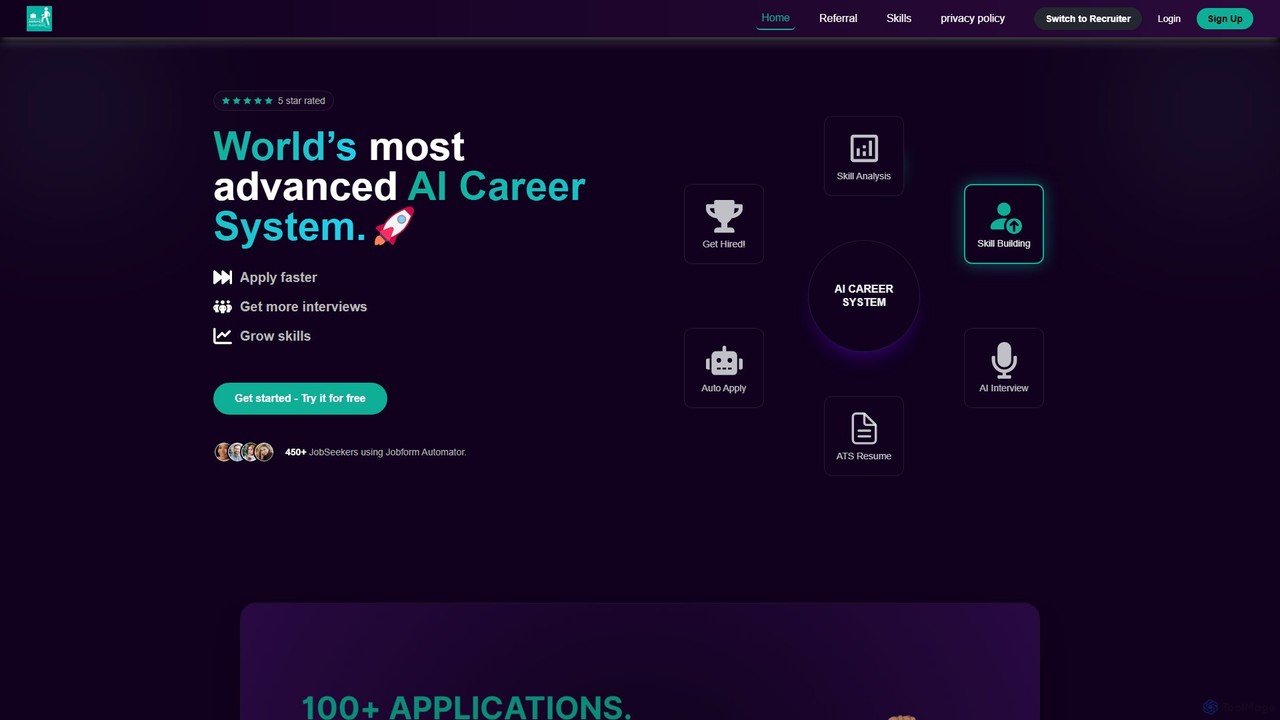
jobformautomator is an advanced AI career system designed to accelerate your job search. It automates job applications on …
jobformautomator is an advanced AI career system designed to accelerate your job search. It automates job applications on platforms like LinkedIn, builds ATS-optimized resumes, analyzes skill gaps with real-time market data, and prepares you for interviews with an AI coach. Save time, get more interviews, and land your dream job faster.

LinkedIn Job Tools
An AI-powered Chrome extension that streamlines your job search on LinkedIn. It offers advanced job filters and automatically …
An AI-powered Chrome extension that streamlines your job search on LinkedIn. It offers advanced job filters and automatically generates tailored cover letters for each application, helping you save time and apply more effectively.

RecruitingEmails.ai
RecruitingEmails.ai is an AI-powered Chrome extension by Dover that generates highly personalized recruiting emails. It analyzes candidates' LinkedIn …
RecruitingEmails.ai is an AI-powered Chrome extension by Dover that generates highly personalized recruiting emails. It analyzes candidates' LinkedIn profiles to create compelling, warm outreach copy, helping recruiters save time and significantly boost response rates.
MagicForm
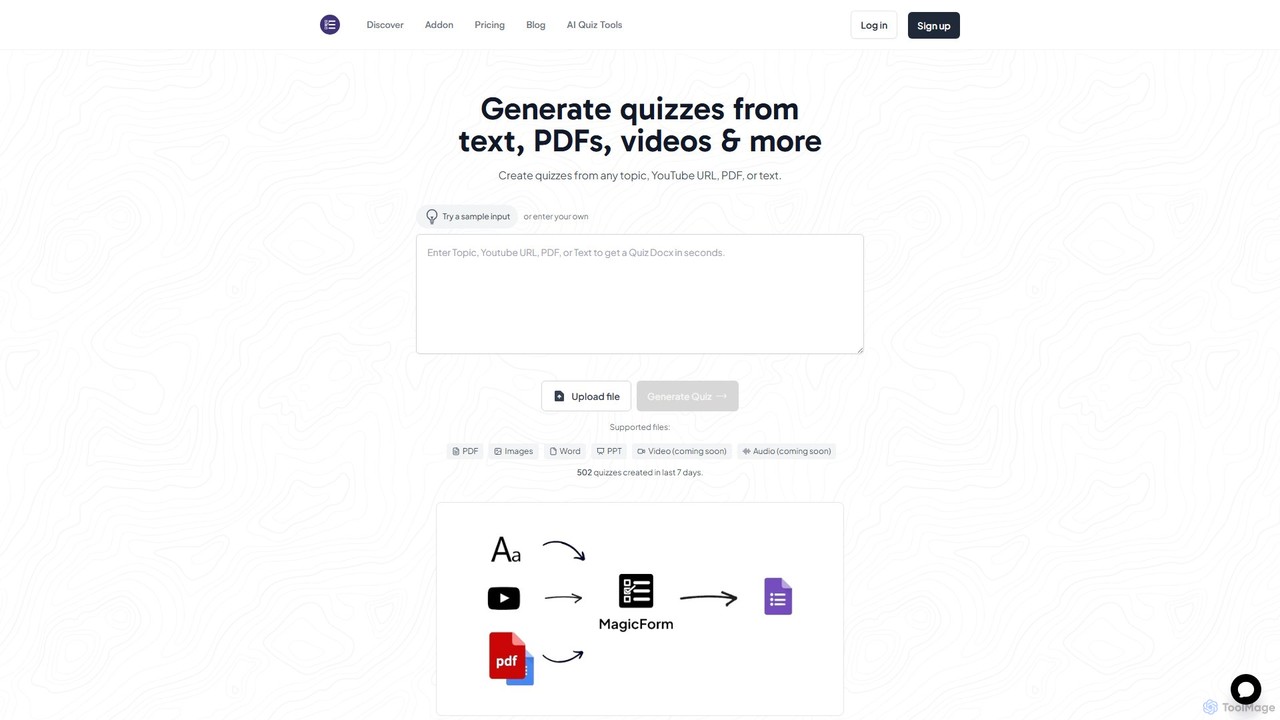
MagicForm is an AI-powered quiz generator that integrates with Google Forms. It allows educators, HR professionals, and content …
MagicForm is an AI-powered quiz generator that integrates with Google Forms. It allows educators, HR professionals, and content creators to instantly create engaging quizzes from various sources like text, PDFs, YouTube videos, web pages, and images, saving hours of manual work.
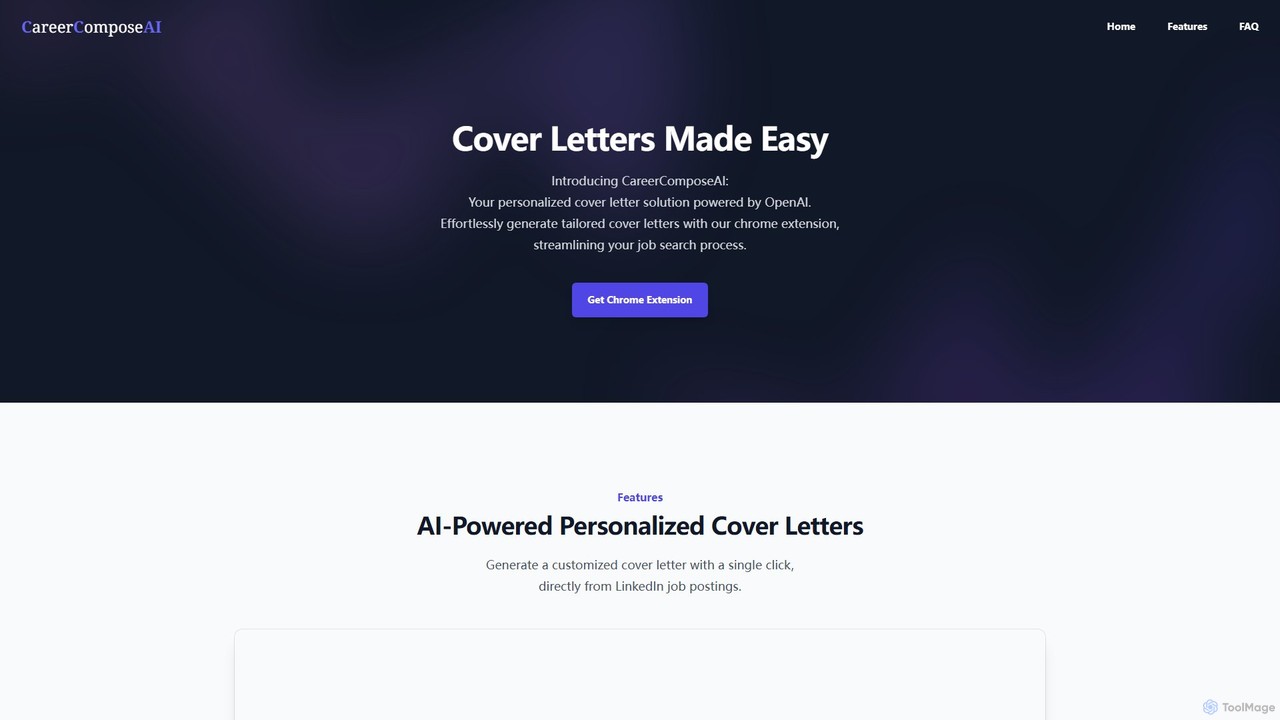
CareerComposeAI
CareerComposeAI is an AI-powered Chrome extension that simplifies your job search. It generates personalized, professional cover letters in …
CareerComposeAI is an AI-powered Chrome extension that simplifies your job search. It generates personalized, professional cover letters in one click by analyzing your LinkedIn profile and the specific job posting. Save time, overcome writer's block, and create tailored applications effortlessly to land your dream job faster.
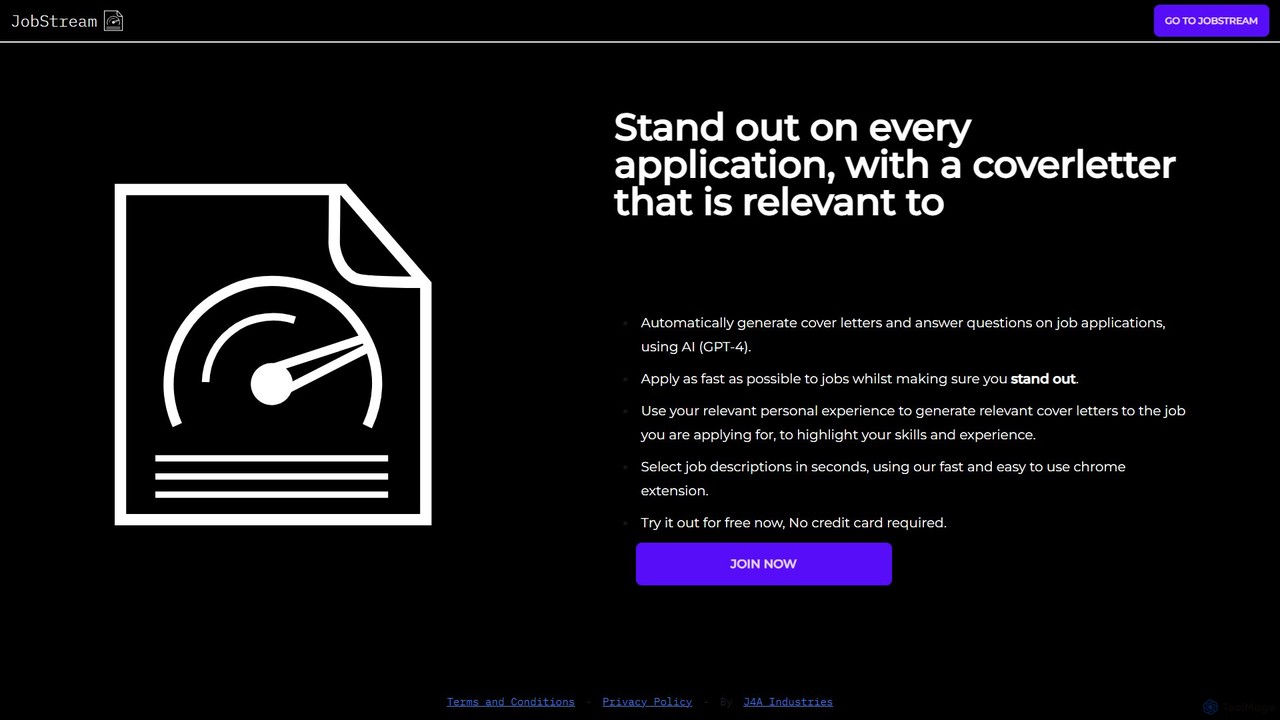
JobStream
JobStream is an AI-powered Chrome extension that automatically generates personalized cover letters and answers to application questions. Using …
JobStream is an AI-powered Chrome extension that automatically generates personalized cover letters and answers to application questions. Using GPT-4, it analyzes job descriptions and leverages your personal experience to create compelling application materials, helping you apply for jobs faster and stand out to recruiters.
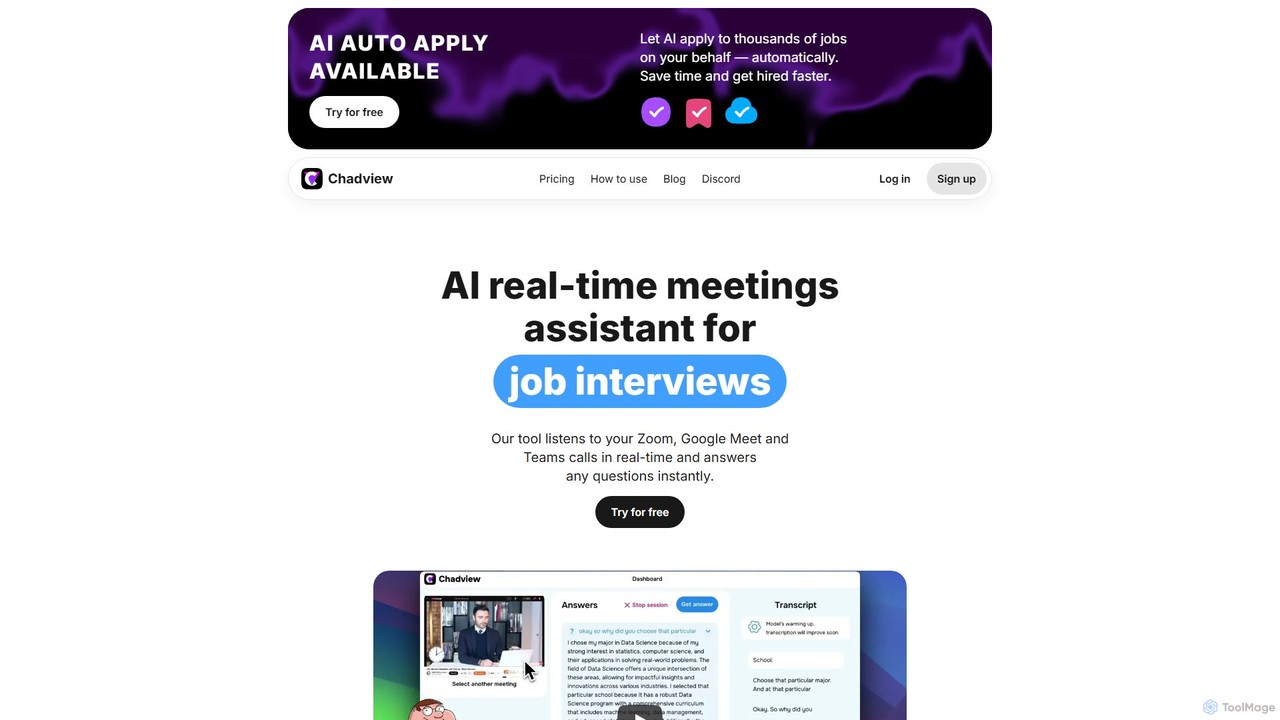
Chadview
Chadview is an AI-powered interview co-pilot that provides real-time answers during video calls on platforms like Zoom, Teams, …
Chadview is an AI-powered interview co-pilot that provides real-time answers during video calls on platforms like Zoom, Teams, and Google Meet. It also features an AI tool to automatically apply for thousands of jobs on your behalf, saving time and accelerating your job search.
About Human Resources
Human Resources AI tools are a class of applications that use artificial intelligence to automate, streamline, and enhance HR functions. These tools leverage machine learning and natural language processing to manage tasks across the entire employee lifecycle, from recruitment to retention. They empower HR professionals to make data-driven decisions, reduce administrative overhead, and improve the overall employee experience. Key applications include intelligent candidate sourcing, automated interview scheduling, and predictive analytics for employee turnover.
Core Features
- Automated Recruiting: Uses AI to source, screen, and rank candidates from various channels based on job requirements.
- Intelligent Onboarding: Creates personalized onboarding paths and provides AI-powered chatbots for new hire questions.
- Performance Management: Analyzes performance data to identify trends, suggest goals, and reduce bias in reviews.
- Employee Engagement Analysis: Processes survey feedback and communication data to measure sentiment and predict attrition risks.
- HR Process Automation: Automates routine tasks like scheduling interviews, answering policy questions, and processing leave requests.
Use Cases
These tools are widely used by HR departments in companies of all sizes. Recruiters use them to accelerate the hiring process and find better-matched candidates. HR managers apply them to monitor employee morale and design effective retention strategies. For large enterprises, these tools are crucial for managing complex HR operations and ensuring compliance across different regions.
How to Choose
When selecting a Human Resources AI tool, consider its integration capabilities with your existing HRIS (Human Resource Information System). Evaluate the specific modules you need, such as recruitment, performance management, or employee engagement. Assess the tool's data security protocols and compliance with regulations like GDPR. Finally, consider the user-friendliness for both HR staff and employees, as well as the scalability of the solution.
Human ResourcesUse Cases
Automate High-Volume Candidate Screening
A corporate recruiter for a large tech company needs to fill 50 software engineer roles. Instead of manually reviewing thousands of resumes, they use an AI HR tool. The tool automatically parses resumes, screens for required skills like 'Python' and 'AWS', and ranks the top 100 candidates based on experience and qualifications. This reduces the initial screening time from weeks to a few hours, allowing the recruiter to focus on interviewing the most promising applicants.
Provide 24/7 HR Support with a Chatbot
An HR department is constantly fielding repetitive questions from employees about leave policies, benefits enrollment, and payroll dates. They implement an AI HR chatbot on the company's intranet. Now, employees can get instant, accurate answers anytime. For example, an employee can ask, 'How many vacation days do I have left?' and the chatbot, integrated with the HRIS, provides a personalized answer immediately. This frees up the HR team to handle more complex, strategic issues.
Analyze Employee Sentiment to Reduce Attrition
An HR manager notices an increase in employee turnover in the engineering department. They use an AI tool to analyze anonymous feedback from engagement surveys and exit interviews. The AI identifies recurring themes, such as concerns about work-life balance and lack of career growth opportunities. Armed with this data, the manager works with department leads to implement flexible work schedules and create clear career progression paths, proactively addressing the root causes of attrition.
Create Personalized Onboarding Journeys
To improve new hire retention, an HR team uses an AI platform to design personalized onboarding plans. For a new sales representative, the AI automatically schedules product training, meetings with key team members, and assigns a mentor. It also delivers bite-sized learning content via email over the first 90 days and uses a chatbot to check in and answer questions. This tailored approach helps new employees feel supported and become productive faster, increasing their likelihood of long-term success.
Reduce Bias in Performance Reviews
A manager preparing for annual reviews uses an AI performance management tool. The tool aggregates objective data, such as project completion rates and sales figures, alongside qualitative feedback from peers. It then generates a summary highlighting key achievements and areas for development, while flagging potentially biased language (e.g., subjective or emotionally charged words) in written feedback. This helps the manager conduct fairer, more data-driven, and constructive performance conversations.
Optimize Interview Scheduling Across Time Zones
An HR coordinator needs to schedule a panel interview involving a candidate in London, a hiring manager in New York, and two interviewers in San Francisco. Instead of a long email chain to find a suitable time, they use an AI scheduling tool. The coordinator inputs the attendees and interview duration. The AI automatically scans everyone's calendars, accounts for the different time zones, and presents several optimal time slots. The candidate selects their preferred time, and the tool sends out calendar invites to everyone, saving significant administrative effort.