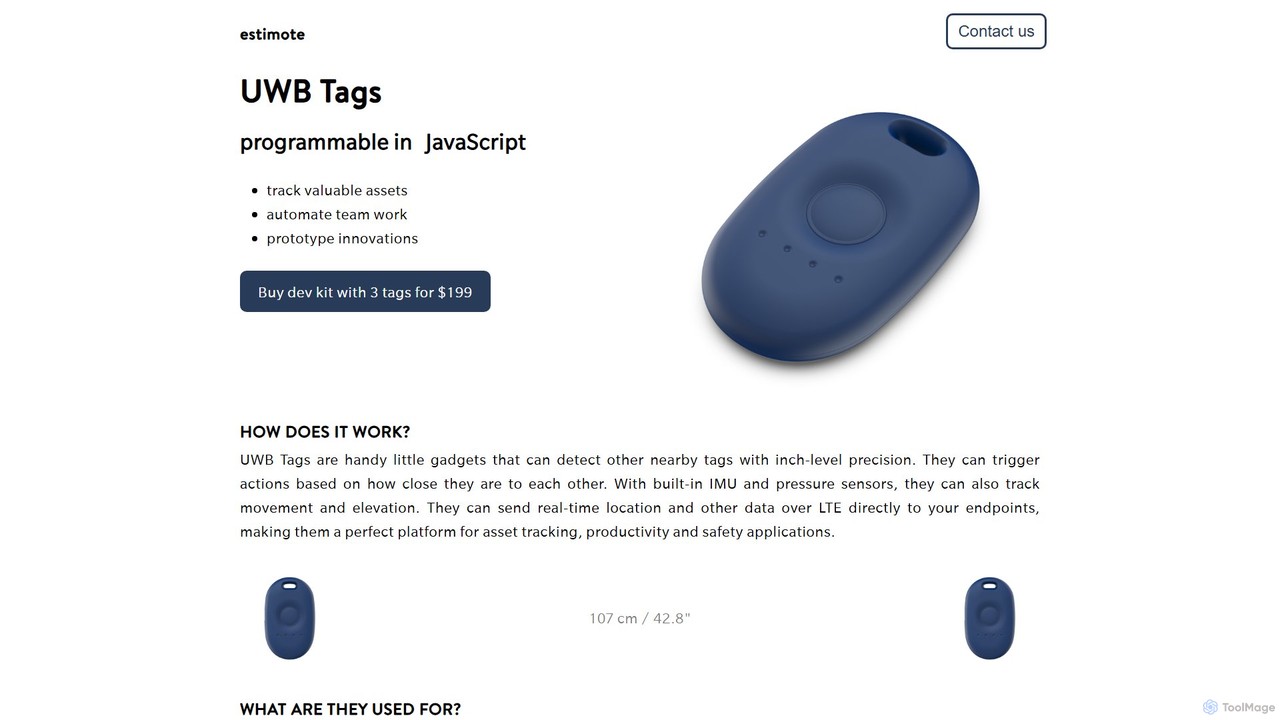
Location Tracking tools are AI-powered solutions within the Internet of Things (IoT) ecosystem that precisely determine and monitor the real-time physical position of assets, vehicles, or individuals. These tools leverage various sensor technologies like GPS, Wi-Fi, Bluetooth, and cellular networks, often integrating AI for advanced data analysis, predictive insights, and automated alerts. They provide critical visibility and control, enabling businesses and individuals to optimize operations, enhance security, and improve safety across diverse environments.
Core Features
- Real-time Positioning: Provides instantaneous and continuous updates on the exact location of tracked entities.
- Geofencing: Allows users to define virtual geographic boundaries and receive automated alerts upon entry or exit.
- Historical Data & Analytics: Records past movement patterns, offering insights into routes, dwell times, and operational efficiency.
- Asset & Fleet Management: Enables comprehensive oversight of vehicles, equipment, and inventory for better utilization and security.
- Environmental Integration: Combines location data with other sensor inputs (e.g., temperature, humidity) for richer contextual monitoring.
Applicable Scenarios
Location Tracking is indispensable in logistics for optimizing delivery routes and managing fleets, in smart cities for monitoring public assets and services, and in healthcare for tracking medical equipment or vulnerable patients. It also plays a vital role in industrial settings for asset security and operational efficiency.
How to Choose
When selecting a Location Tracking solution, consider the required accuracy (e.g., meter vs. centimeter level), coverage area (indoor, outdoor, global), battery life of tracking devices, integration capabilities with existing systems, and the robustness of data security and privacy features. Evaluate the specific environment and the type of assets to be tracked to ensure optimal performance and cost-effectiveness.