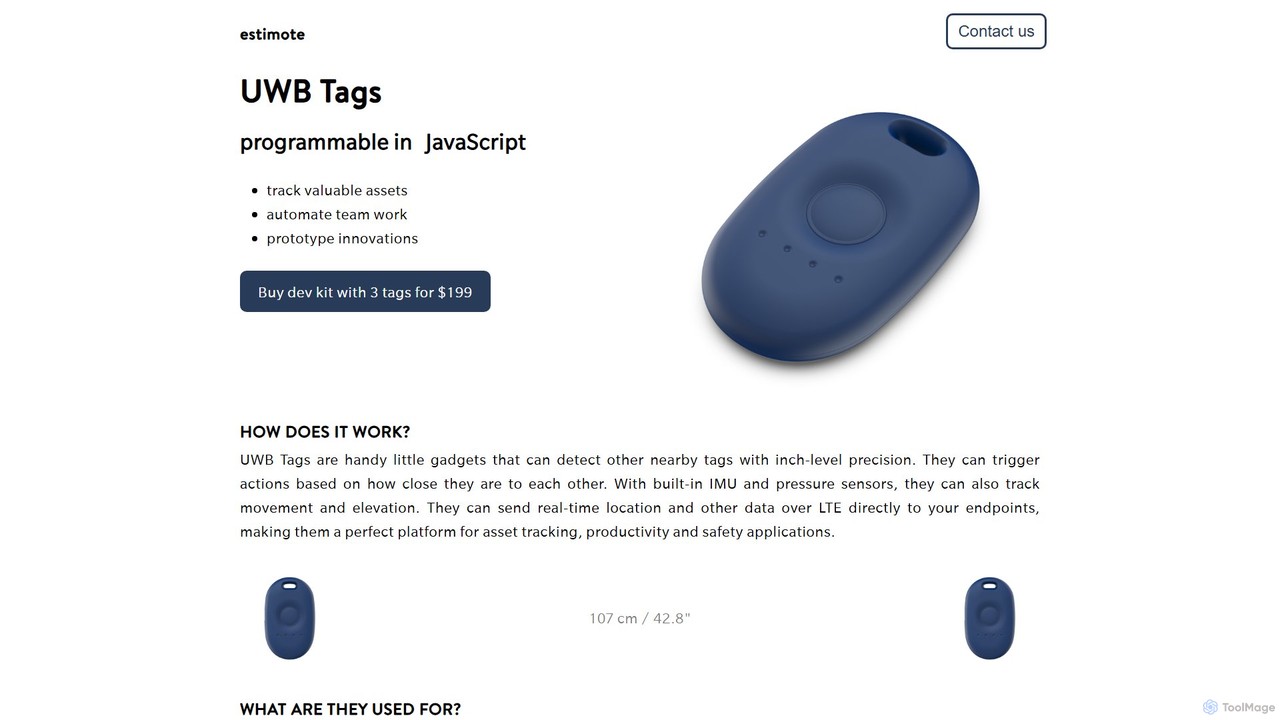
Hardware APIs are specialized interfaces that enable software applications to directly interact with and control physical hardware components. These APIs provide a standardized way for developers to access device functionalities, read sensor data, and manage peripherals without needing to understand the intricate low-level details of the hardware itself. They are crucial for building intelligent systems, IoT devices, and robotics, bridging the gap between digital commands and physical actions.
Core Features
- Device Control: Programmatically send commands to activate, deactivate, or configure hardware components like motors or LEDs.
- Sensor Data Access: Retrieve real-time data from various sensors such as temperature, motion, light, or pressure.
- Peripheral Management: Interface with external devices including cameras, displays, storage, and communication modules.
- Resource Allocation: Manage hardware resources like memory, processing units, and network interfaces for optimal performance.
- Event Handling: Respond to hardware-triggered events, such as button presses, sensor threshold breaches, or connection changes.
Applicable Scenarios
Hardware APIs are essential for developers working on projects that require direct interaction with physical systems. They are widely used in embedded systems development, smart home automation, industrial IoT solutions, and robotics. For instance, a developer might use a Hardware API to control a robotic arm's movements or to read environmental data from a smart sensor network.
How to Choose
When selecting a Hardware API, consider its compatibility with your target hardware and operating system, the breadth and depth of its supported functionalities, and the quality of its documentation and community support. Evaluate its performance characteristics, security features, and ease of integration into your existing development environment. Also, assess the vendor's reliability and long-term support for the API.