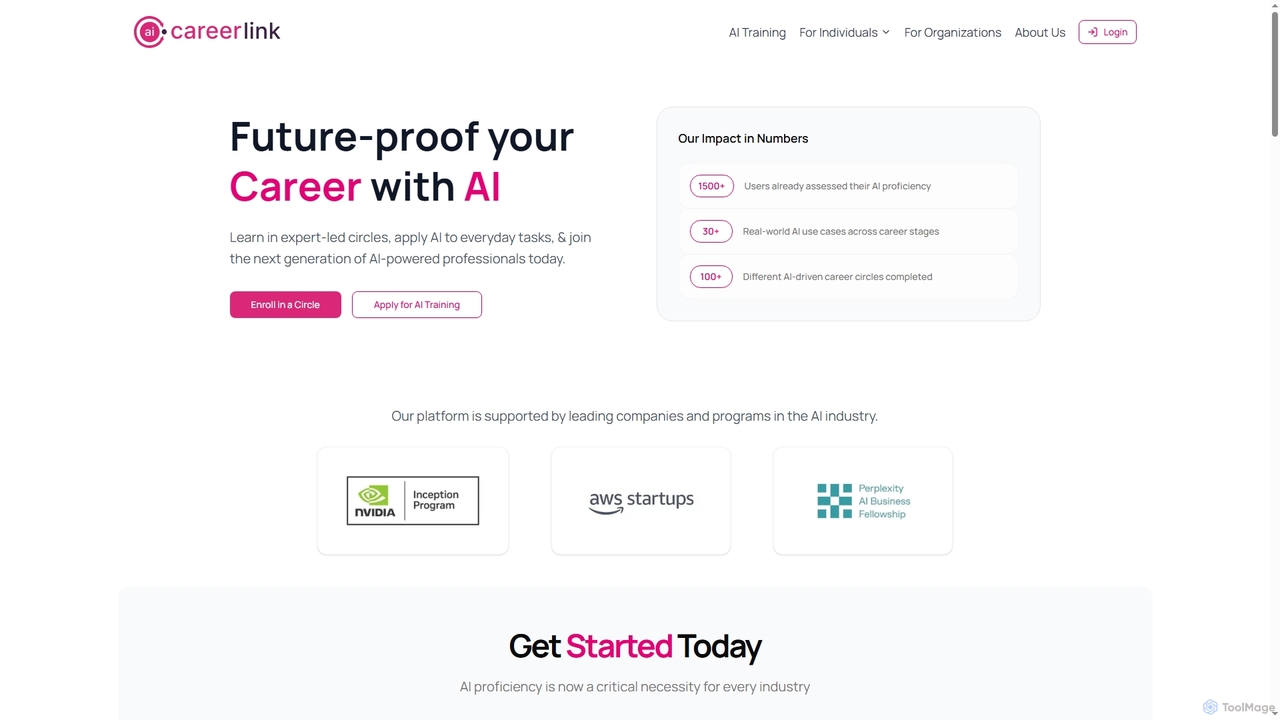
Cohort Based Learning platforms are specialized tools designed to facilitate interactive, community-driven online education. Unlike self-paced courses, these platforms structure learning around a specific group (a cohort) that progresses through the curriculum together over a set period. They often leverage AI to manage group dynamics, personalize feedback, and foster collaboration. This model enhances engagement, accountability, and knowledge retention by creating a shared, high-touch learning experience.
Core Features
- Cohort Management: Systematically organize learners into groups, manage synchronized schedules, and track collective progress.
- Interactive Learning Spaces: Provide virtual classrooms, breakout rooms, collaborative whiteboards, and real-time project areas.
- Community Building: Foster peer-to-peer interaction through dedicated forums, direct messaging, and structured peer review systems.
- Structured Curriculum Delivery: Deliver content, assignments, and projects on a fixed timeline to keep the entire cohort in sync.
- Engagement Analytics: Monitor participation levels, identify disengaged learners, and measure the overall health of the learning community.
Use Cases
These platforms are ideal for organizations that prioritize collaborative learning and community over mass content delivery. They are widely used by online academies, corporate training departments for upskilling programs, universities for executive education, and creators offering premium workshops. The focus is on high-touch, outcome-driven education that builds lasting connections.
How to Choose
When selecting a Cohort Based Learning platform, evaluate its integration capabilities with tools like Zoom, Slack, and your existing LMS. Assess the depth of its community and collaboration features for group work. Consider its scalability to support your expected number of cohorts and learners. Finally, analyze the pricing model—whether it's per-learner, per-cohort, or a flat subscription—to ensure it aligns with your budget and operational model.