ToolMage
Sign in

Best 1 Online Courses AI tools for Learning

Popular Online Courses AI tools in Learning include Uptoskills, helping you work more efficiently.

Uptoskills

Uptoskills

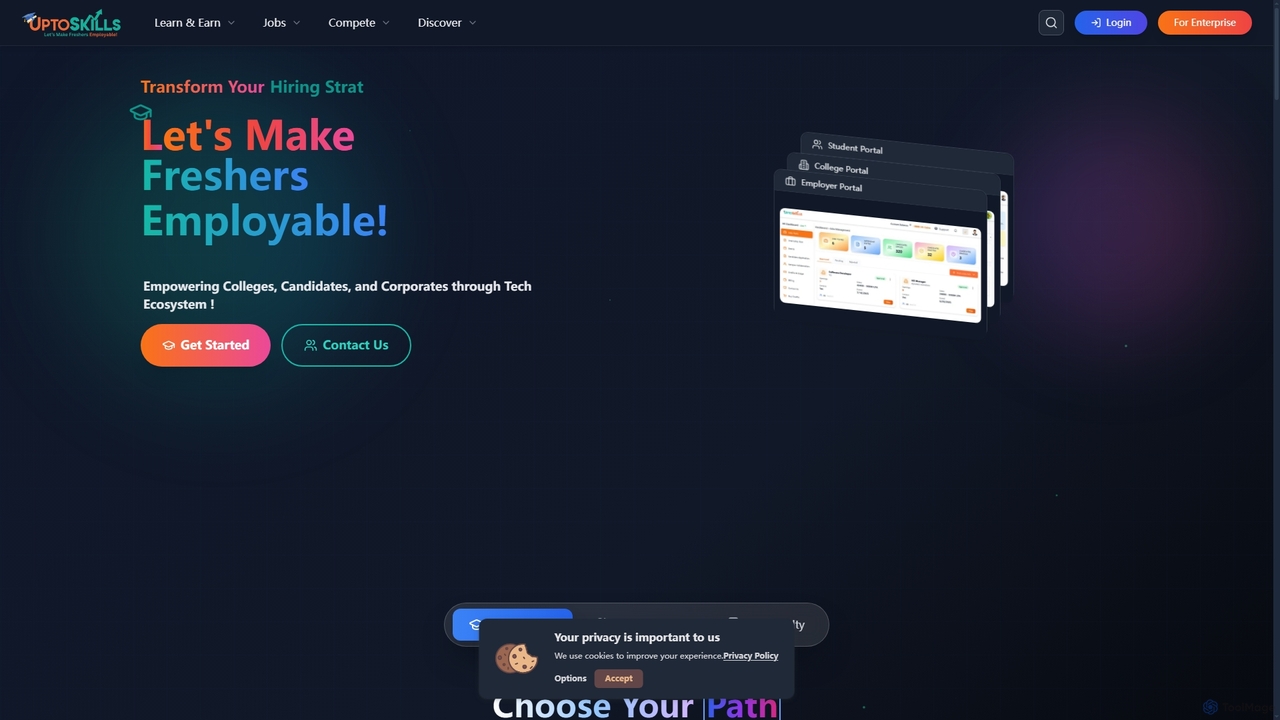
Uptoskills is an AI-powered career ecosystem designed to transform skill sets and enhance employability for students, faculty, and corporates. It offers advanced AI Interview and Assessment platforms, alongside a comprehensive suite of features for job discovery, internships, skill development, and competitive events.

Ai Interviewing
Visits 49.6KFavorites 130Likes 130

About Online Courses

Online Courses are structured educational programs delivered via the internet, often leveraging AI for personalized learning experiences. These platforms utilize adaptive algorithms to tailor content, assessments, and feedback to individual learner needs, providing flexible and accessible pathways for skill development and knowledge acquisition within the broader field of learning. They offer a comprehensive approach to acquiring new competencies or deepening existing ones, making education more adaptable to modern lifestyles.

Core Features

  • Personalized Learning Paths: AI analyzes progress and preferences to suggest customized course modules and resources.
  • Adaptive Assessments: Intelligent quizzes and assignments adjust difficulty based on performance, identifying areas for improvement.
  • Interactive Content Delivery: Engaging multimedia, simulations, and virtual labs enhance understanding and retention.
  • Intelligent Feedback Systems: AI provides instant, constructive feedback on assignments, essays, and coding exercises.
  • Progress Tracking & Analytics: Detailed dashboards monitor learning milestones and identify engagement patterns.

Applicable Scenarios

Online courses are widely adopted by individuals seeking career advancement, professionals requiring continuous upskilling in rapidly evolving fields like AI and data science, and organizations implementing scalable corporate training programs. They are also ideal for lifelong learners exploring new hobbies or academic subjects without the constraints of traditional classroom settings.

How to Choose

When selecting an online course, prioritize platforms offering high-quality, up-to-date content from reputable instructors, especially those with AI-powered personalization features. Evaluate the course structure, interactivity, and the value of any certifications offered. Consider the platform's user experience, community support, and pricing models to ensure it aligns with your learning style and budget.

Featured tool rankings

Online Courses use cases

1

Upskill for Career Advancement with AI-powered Courses

A marketing professional aims to transition into a data science role. They enroll in an AI-powered online course that offers a structured curriculum in Python, machine learning, and data visualization. The platform's adaptive learning paths identify their strengths and weaknesses, recommending supplementary materials and practice problems, enabling them to acquire necessary skills efficiently and prepare for certification exams, ultimately securing a new position.

2

Corporate Training and Employee Development

A large corporation needs to train its entire sales team on new CRM software and advanced negotiation techniques. Instead of costly in-person workshops, they utilize an online course platform. The platform delivers modular training, tracks individual employee progress, and uses AI to provide personalized feedback on role-playing simulations, ensuring consistent skill development across the team and reducing training expenditures.

3

Academic Supplementation and Exam Preparation

A university student struggling with advanced calculus needs additional support outside of regular lectures. They enroll in an online calculus course that offers detailed video explanations, interactive problem sets, and AI-powered tutors available 24/7. This supplementary learning helps them grasp complex concepts, practice extensively, and ultimately improve their grades and confidence for upcoming exams.

4

Hobby Development and Personal Enrichment

An individual interested in learning digital photography but lacking formal training enrolls in an online course. The course provides step-by-step tutorials, practical assignments, and AI-powered image analysis tools that offer instant feedback on composition and lighting. This allows them to develop their creative skills at their own pace, experiment with different techniques, and build a portfolio of high-quality photographs.

5

Language Acquisition with AI Tutors

A traveler planning a trip to Japan wants to learn basic conversational Japanese. They use an online language course that incorporates AI-powered conversational agents and speech recognition. The AI tutor provides real-time pronunciation correction and grammar feedback, simulating natural conversations and accelerating their ability to communicate effectively in everyday situations before their trip.

6

Certification for Compliance and Regulatory Requirements

A healthcare professional needs to complete mandatory annual compliance training to maintain their license. They access an accredited online course specifically designed for healthcare regulations. The platform ensures all modules are completed, conducts AI-proctored assessments to verify identity and understanding, and automatically issues a verifiable certificate upon successful completion, meeting all regulatory requirements efficiently.

Online Courses FAQ

What are Online Courses?

Online Courses are structured educational programs delivered entirely or partially over the internet. They typically feature pre-recorded lectures, readings, assignments, and interactive elements, often enhanced by AI for personalized learning paths and adaptive assessments. These courses provide flexible access to education, allowing learners to acquire new skills or knowledge from anywhere with an internet connection, making them a popular choice for lifelong learning and professional development.

How do AI-powered online courses differ from traditional ones?

AI-powered online courses offer a significant upgrade from traditional online learning by providing personalized and adaptive experiences. Unlike static content, AI courses can dynamically adjust learning paths, recommend resources based on individual progress, and offer intelligent, real-time feedback on assignments. They often include AI tutors for instant support and use data analytics to optimize the learning process, leading to more engaging and effective outcomes compared to conventional, one-size-fits-all approaches.

What features should I look for in an online course platform?

When choosing an online course platform, prioritize features that enhance engagement and learning outcomes. Look for personalized learning paths, adaptive assessments, and intelligent feedback systems, especially if AI-powered. Strong community features, access to instructors, and a user-friendly interface are crucial. Additionally, consider the quality and relevance of the course content, the credentials of the instructors, and the value of any certifications or accreditations offered to ensure a robust learning experience.

Who benefits most from online courses?

Online courses benefit a wide range of learners, particularly working professionals seeking to upskill or reskill without interrupting their careers. Lifelong learners, students needing supplementary academic support, and individuals exploring new hobbies also find them invaluable due to their flexibility and accessibility. Those in remote areas or with limited access to traditional educational institutions also benefit greatly, as online courses democratize access to high-quality instruction and diverse subjects.

Can online courses lead to recognized qualifications or certifications?

Yes, many online courses can lead to recognized qualifications or certifications. Platforms partnered with universities or industry leaders often offer accredited degrees, professional certificates, or verified badges that hold significant value in the job market. These credentials can range from specialized skill certifications to full academic degrees, depending on the course provider and program structure. Always verify the accreditation and recognition of the certification before enrolling to ensure it meets your career or academic goals.