ToolMage
Sign in

Best 3 Skill Development AI tools for Learning

Popular Skill Development AI tools in Learning include DevanceAI, Mysira, and LilyBoard, helping you work more efficiently.

Mysira
Paid

Mysira

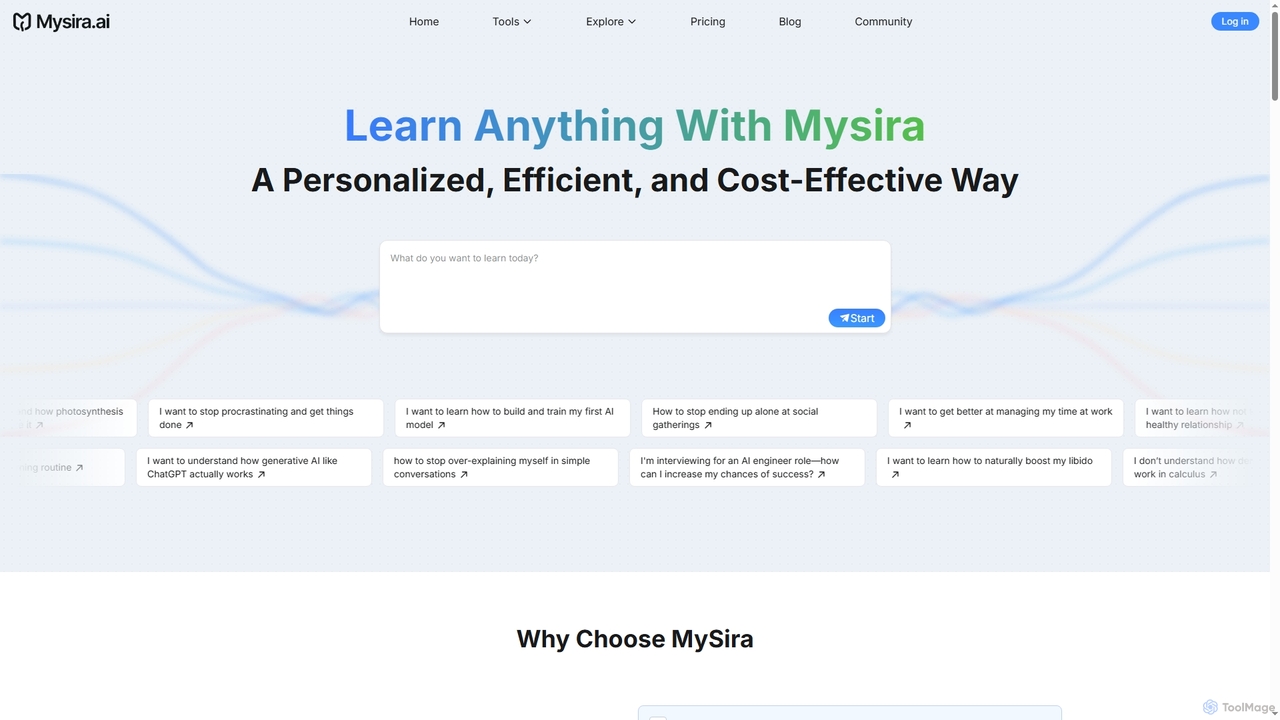
Mysira is an AI-powered personalized learning platform that transforms your learning goals into structured, adaptive paths. It offers a 24/7 AI tutor, deep concept breakdowns, dynamic flashcards, and curated multi-modal resources, making learning efficient, effective, and stress-free for anyone seeking growth or skill development.

Study Guide Generation
Visits 6.2KFavorites 41Likes 40
DevanceAI
Freemium

DevanceAI

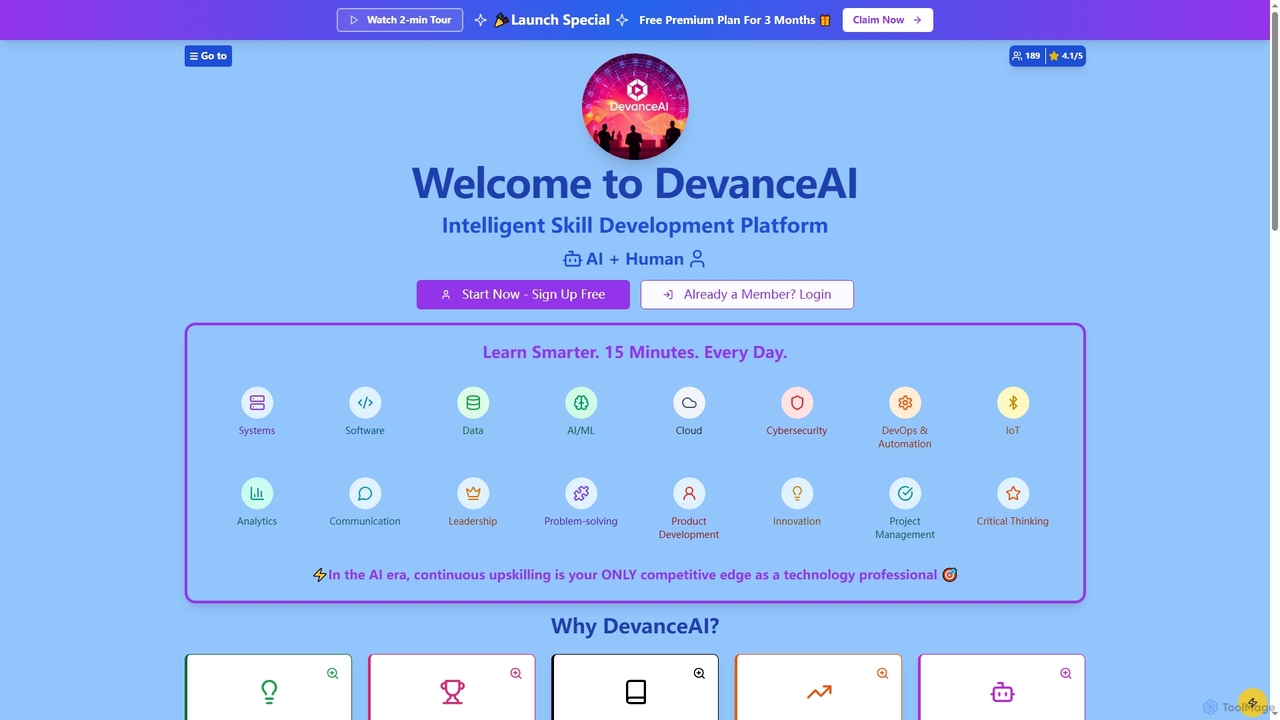
DevanceAI is an intelligent skill development platform designed for technology professionals. It combines AI with human guidance to offer personalized, micro-learning paths, helping users upskill efficiently in areas like AI/ML, Cloud, Cybersecurity, and leadership, all within 15-minute daily sessions.

Upskilling
Visits 8.1KFavorites 98Likes 87
LilyBoard
Freemium

LilyBoard

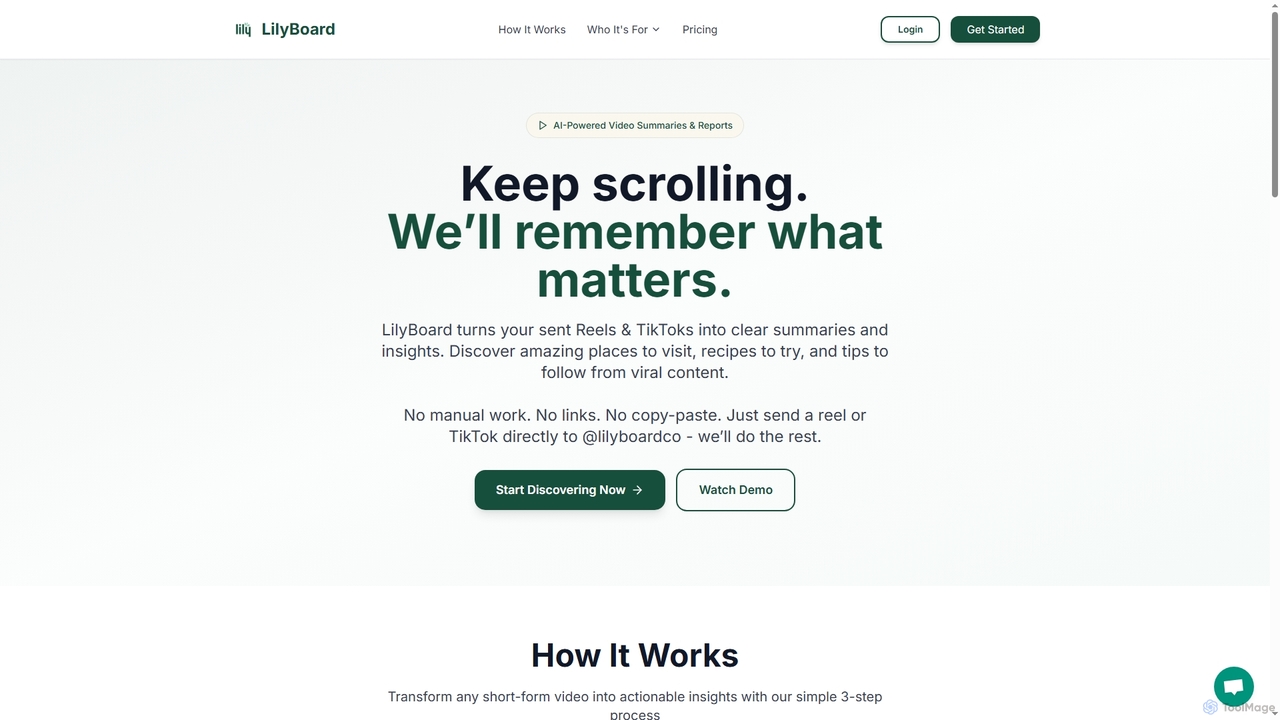
LilyBoard is an AI-powered tool that transforms your TikToks and Instagram Reels into concise summaries and actionable insights. It helps users, from travel enthusiasts to curious learners, quickly extract key information like recipes, travel tips, and how-to guides from viral short-form video content without manual effort.

3D
Visits 4KFavorites 117Likes 108

About Skill Development

Skill Development AI tools are specialized platforms that leverage artificial intelligence to help individuals acquire, practice, and master new competencies or enhance existing ones. These tools utilize adaptive learning algorithms, personalized feedback mechanisms, and intelligent content curation to create highly effective and tailored learning experiences. They empower users to accelerate their growth, overcome learning plateaus, and achieve specific proficiency goals across various domains, from technical skills to soft skills.

Core Features

  • Personalized Learning Paths: AI analyzes user performance and learning styles to create customized curricula and content sequences.
  • Adaptive Feedback Systems: Provides real-time, context-aware feedback on practice exercises, simulations, or project work.
  • Intelligent Content Curation: Recommends relevant learning resources, tutorials, and practice materials based on individual progress and goals.
  • Simulated Practice Environments: Offers virtual sandboxes or role-playing scenarios for safe, hands-on skill application and refinement.
  • Progress Tracking & Analytics: Monitors learning metrics, identifies areas for improvement, and visualizes skill mastery over time.

Use Cases

Professionals seeking career advancement, students aiming for academic excellence, and individuals pursuing personal growth all benefit from Skill Development AI tools. They are used for mastering coding languages, improving public speaking, learning new languages, refining musical instrument techniques, or preparing for certification exams. These tools provide structured, interactive environments for deliberate practice and targeted improvement.

How to Choose

When selecting a Skill Development AI tool, consider the specific skill you wish to develop and the tool's depth in that domain. Evaluate its adaptive learning capabilities, the quality and relevance of its feedback, and the availability of realistic practice environments. Also, assess its integration with other learning platforms, pricing structure, and the clarity of its progress tracking features to ensure it aligns with your learning style and objectives.

Featured tool rankings

Skill Development use cases

1

Mastering a New Programming Language

A junior developer aims to become proficient in Python for data science. They use an AI skill development platform that offers interactive coding challenges, real-time syntax correction, and adaptive project assignments. The AI identifies common errors, suggests optimal solutions, and provides personalized exercises to strengthen weak areas, significantly accelerating their learning curve and practical application skills.

2

Improving Public Speaking Confidence

A marketing professional needs to deliver impactful presentations. They utilize an AI public speaking coach that analyzes their speech patterns, tone, pace, and body language through webcam and microphone input. The AI provides instant feedback on areas like filler words, eye contact, and vocal modulation, offering targeted drills and simulated audience interactions to build confidence and refine delivery.

3

Accelerating Foreign Language Acquisition

An individual wants to achieve fluency in Spanish for travel and business. An AI language tutor provides personalized vocabulary drills, grammar explanations, and conversational practice with an AI chatbot. It adapts difficulty based on performance, corrects pronunciation, and simulates real-life dialogues, allowing for consistent practice and rapid improvement in speaking, listening, reading, and writing.

4

Refining Musical Instrument Technique

A guitarist seeks to improve their finger dexterity and rhythm. They use an AI-powered music learning app that listens to their playing, identifies timing inaccuracies or incorrect notes, and provides visual feedback on a virtual fretboard. The AI suggests targeted exercises, adjusts tempo based on performance, and tracks progress on specific techniques, enabling precise and efficient practice.

5

Preparing for Professional Certifications

A project manager is studying for a PMP certification. An AI exam preparation tool generates adaptive practice questions, simulates exam conditions, and provides detailed explanations for incorrect answers. It identifies knowledge gaps across different domains and recommends specific study materials or modules, ensuring comprehensive coverage and optimal readiness for the high-stakes exam.

6

Developing Advanced Data Analysis Skills

A business analyst needs to master advanced Excel functions and data visualization. An AI skill development platform offers interactive tutorials, guided projects, and scenario-based challenges. The AI provides step-by-step assistance, highlights best practices, and evaluates the efficiency of their solutions, helping them build practical expertise in complex data manipulation and reporting.

Skill Development FAQ

What are Skill Development AI tools?

Skill Development AI tools are applications that use artificial intelligence to personalize and optimize the process of learning and mastering new skills. Unlike traditional learning platforms, they offer adaptive content, real-time feedback, and simulated environments tailored to an individual's progress and learning style. Their core purpose is to accelerate proficiency and ensure effective skill acquisition across various domains, from technical to creative.

How do Skill Development AI tools differ from general learning platforms?

While general learning platforms primarily focus on content delivery and knowledge acquisition, Skill Development AI tools emphasize active practice, personalized feedback, and mastery. They go beyond presenting information by actively guiding users through exercises, simulations, and real-time corrections, adapting to individual performance to build practical competence rather than just theoretical understanding.

What types of skills can be developed using AI tools?

Skill Development AI tools are versatile and can assist in developing a wide range of skills. This includes technical skills like programming, data analysis, and software proficiency; soft skills such as public speaking, negotiation, and leadership; creative skills like writing and music production; and academic subjects like foreign languages or complex scientific concepts. The key is the tool's ability to provide interactive, adaptive practice.

How do AI tools personalize the skill development process?

AI tools personalize skill development by continuously analyzing a user's performance, strengths, weaknesses, and learning pace. They use this data to dynamically adjust the difficulty of exercises, recommend specific learning modules, provide targeted feedback, and create customized learning paths. This adaptive approach ensures that the learning experience is always relevant, challenging, and optimized for individual progress.

What should I consider when choosing a Skill Development AI tool?

When selecting a Skill Development AI tool, prioritize its relevance to the specific skill you want to learn and the depth of its content. Look for features like adaptive learning paths, quality of real-time feedback, availability of realistic practice environments, and robust progress tracking. Also, consider user reviews, pricing models, and the tool's compatibility with your existing learning ecosystem to ensure it meets your needs and preferences.