ToolMage
Sign in

Best 26 Learning AI tools

Popular Learning AI tools include Turbo, TripleTen, Uptoskills, ClipSheet, DevanceAI, Lovable Prompts, Mysira, LearnChinese, Little Answers, and Duration, helping you work more efficiently.

Little Answers

Little Answers

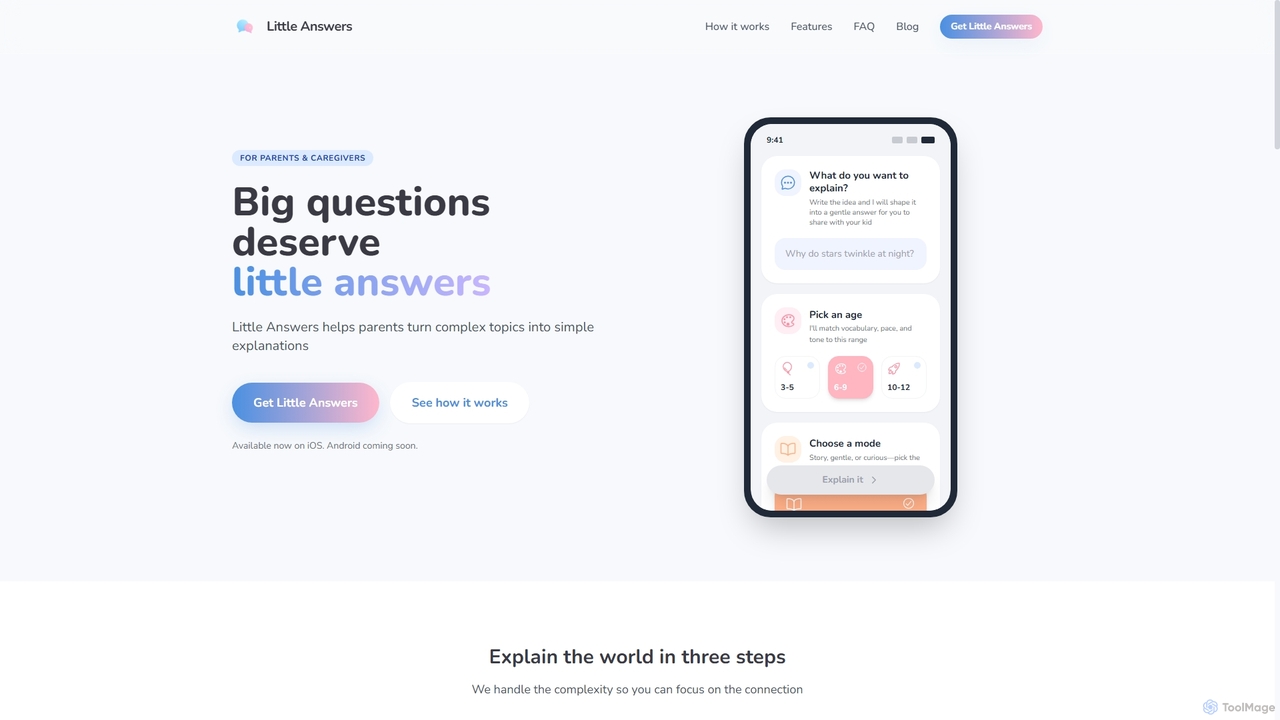
Little Answers is an AI-powered mobile app designed for parents and caregivers to transform complex topics into simple, age-appropriate explanations for children aged 3-12. It offers customizable explanations in Story, Gentle, or Curious modes, ensuring scientific accuracy and a privacy-first approach to foster meaningful connections.

Child Development
Visits 5KFavorites 73Likes 82
AlphaKhoj
Free

AlphaKhoj

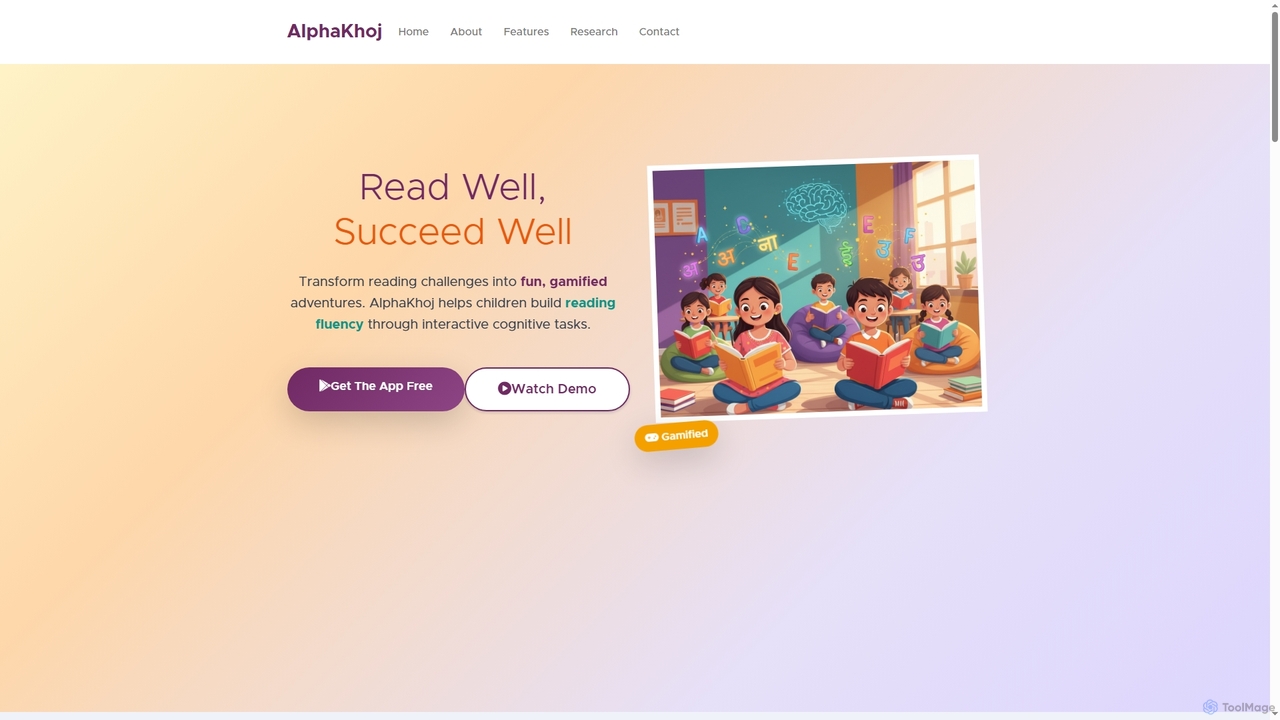
AlphaKhoj is an AI-powered, neuroscientifically designed app that helps children aged 5-15 improve reading fluency, especially for those with dyslexia and learners of Indian languages. It uses gamified, interactive exercises to build automatic word recognition and enhance reading speed through active recall and personalized learning paths.

Language Learning
Visits 3.5KFavorites 100Likes 111

About Learning

Learning AI tools are AI-powered applications designed to enhance, personalize, and streamline the educational process for individuals and organizations. These tools leverage artificial intelligence, machine learning, and natural language processing to adapt to user needs, provide tailored content, and automate administrative tasks. They offer innovative solutions for skill development, knowledge acquisition, and academic support, making learning more efficient and engaging.

Core Features

  • Personalized Learning Paths: Adapts content and pace to individual learner's progress and style.
  • Intelligent Tutoring Systems: Provides real-time feedback, explanations, and practice exercises.
  • Content Summarization & Generation: Condenses complex texts or creates new learning materials.
  • Language Learning & Translation: Offers interactive exercises, pronunciation feedback, and instant translation.
  • Adaptive Assessment: Dynamically adjusts test difficulty based on performance to accurately gauge understanding.

Use Cases

These tools are widely adopted by students for academic support, educators for creating engaging curricula, and professionals for continuous skill development. They are also valuable in corporate training for onboarding and upskilling employees, and for lifelong learners seeking to master new subjects efficiently.

How to Choose

When selecting a learning AI tool, consider its alignment with your specific learning goals, the depth of its personalization features, and the quality of its content. Evaluate its user interface for ease of use, integration capabilities with existing platforms, and the pricing model. Ensure it offers robust support for your target subject matter and learning style.

Featured tool rankings

Learning use cases

1

Personalized Study Plans for Students

University students can utilize AI learning tools to generate personalized study schedules and resource recommendations based on their course syllabus, learning pace, and performance on practice tests. This helps them focus on weaker areas, optimize revision time, and prepare more effectively for exams, potentially improving grades by identifying knowledge gaps early.

2

Creating Adaptive Quizzes for Educators

Teachers can employ AI tools to design adaptive quizzes that automatically adjust question difficulty based on student responses. This allows for a more accurate assessment of individual comprehension, provides immediate feedback to students, and helps educators identify common misconceptions across the class, enabling targeted intervention and differentiated instruction.

3

Accelerated Language Acquisition for Professionals

Business professionals aiming to learn a new language for international assignments can use AI language learning apps. These tools offer interactive conversational practice with AI tutors, provide instant pronunciation correction, and generate context-specific vocabulary exercises, significantly accelerating fluency development compared to traditional methods.

4

Corporate Training & Employee Upskilling

Companies can implement AI-powered learning platforms to deliver customized training modules for new hires or to upskill existing employees in rapidly evolving fields like data science or cybersecurity. The AI tracks individual progress, recommends relevant courses, and provides simulations, ensuring employees gain necessary competencies efficiently and effectively.

5

Summarizing Research Papers for Researchers

Researchers and academics can leverage AI summarization tools to quickly grasp the core arguments and findings of lengthy scientific papers or literature reviews. By inputting complex documents, the AI extracts key information and generates concise summaries, saving significant time in literature review processes and accelerating knowledge synthesis.

6

Skill Development for Lifelong Learners

Individuals pursuing personal growth or career transitions can use AI learning platforms to acquire new skills, such as coding, graphic design, or digital marketing. These platforms offer structured courses, interactive exercises, and AI-driven feedback on projects, allowing learners to progress at their own pace and build practical expertise outside formal education.

Learning FAQ

What are AI learning tools?

AI learning tools are software applications that use artificial intelligence to enhance and personalize the educational experience. They can adapt to individual learning styles, provide intelligent tutoring, automate content creation, and offer advanced analytics to track progress, making learning more efficient and accessible for various subjects and skill levels.

How do AI learning tools personalize education?

AI learning tools personalize education by analyzing a learner's performance, preferences, and progress data. They use this information to dynamically adjust the difficulty of content, recommend specific resources, create tailored study plans, and provide targeted feedback, ensuring each learner receives an optimized and highly relevant educational experience.

Who can benefit most from AI learning tools?

A wide range of users can benefit from AI learning tools, including K-12 students needing extra support, university students seeking efficient study methods, professionals looking to acquire new skills, and educators aiming to create adaptive and engaging curricula. Lifelong learners and corporate trainers also find them invaluable for continuous development and efficient knowledge transfer.

What features should I look for in an AI learning tool?

When choosing an AI learning tool, prioritize features like adaptive learning paths, real-time feedback, comprehensive content libraries, and intuitive user interfaces. Look for tools that offer progress tracking, personalized recommendations, and support for your specific subject area or skill. Integration capabilities and a clear pricing structure are also important considerations.

Can AI learning tools replace human teachers?

No, AI learning tools are designed to augment, not replace, human teachers. While AI can automate repetitive tasks, provide personalized practice, and offer instant feedback, human teachers bring empathy, critical thinking, social interaction, and the ability to address complex emotional and developmental needs that AI cannot replicate. They work best in collaboration.