ToolMage
Sign in

Best 1 Personal Health AI tools for Life Assistant

Popular Personal Health AI tools in Life Assistant include Medlabreport.com, helping you work more efficiently.

Medlabreport.com
Paid

Medlabreport.com

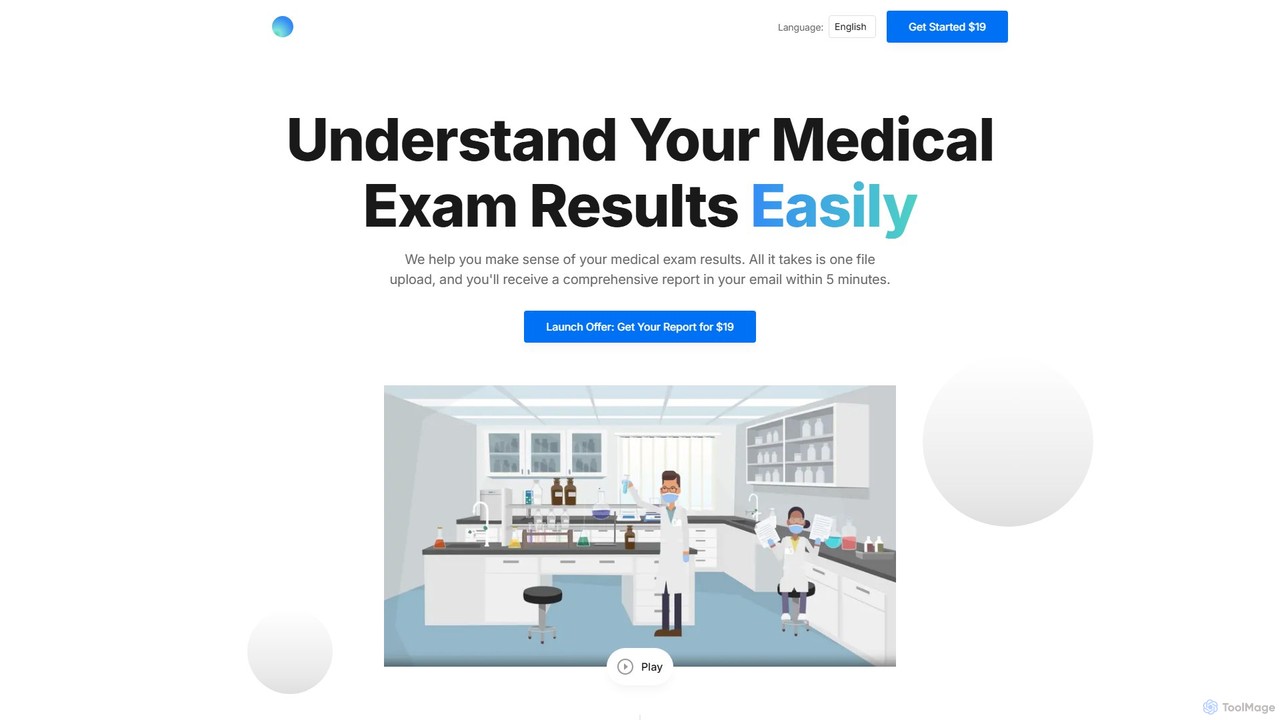
Medlabreport.com is an AI-powered tool that transforms complex medical lab results into easy-to-understand reports. Simply upload your file—such as a blood test, biopsy, or urine test—and receive a personalized, detailed analysis in your email within 5 minutes. It helps you understand your health data, prepare for doctor appointments, and gain a quick second opinion.

Medical
Visits 5.9KFavorites 149Likes 139

About Personal Health

Personal Health AI tools are a specialized category within life assistant technologies, leveraging artificial intelligence to empower individuals in managing and enhancing their well-being. These AI-powered platforms analyze personal data, provide tailored insights, and offer proactive guidance across various health dimensions, from physical fitness and nutrition to mental wellness and sleep optimization. By integrating advanced algorithms with user-specific information, they deliver highly personalized health management solutions, helping users achieve their health goals more effectively and sustainably.

Core Features

  • Personalized Health Tracking: Monitors vital signs, activity levels, sleep patterns, and dietary intake to provide a comprehensive overview of health.
  • AI-Driven Wellness Coaching: Offers customized exercise routines, meal plans, and mindfulness exercises based on individual needs and progress.
  • Predictive Health Insights: Analyzes data to identify potential health risks or trends, offering early warnings and preventive recommendations.
  • Mental Well-being Support: Provides guided meditations, stress reduction techniques, and mood tracking to foster emotional balance.
  • Nutrition and Diet Guidance: Recommends balanced diets, tracks calorie intake, and suggests recipes aligned with health objectives and dietary restrictions.

Applicable Scenarios

Individuals seeking to proactively manage their health, fitness enthusiasts aiming for optimized performance, and those needing support for mental well-being can greatly benefit. Busy professionals can use these tools for stress management, while individuals with specific health goals like weight loss or improved sleep find tailored programs. They are also valuable for people managing chronic conditions, offering tools for medication reminders and symptom tracking.

How to Choose

When selecting a Personal Health AI tool, consider its range of features, ensuring it covers your specific health goals (e.g., fitness, mental health, nutrition). Evaluate the level of personalization and the scientific backing of its recommendations. Data privacy and security are paramount, so check the platform's policies. User interface and ease of integration with other devices (like wearables) also play a crucial role in long-term engagement and effectiveness.

Personal Health use cases

1

Creating a Personalized Fitness and Nutrition Plan

An individual aiming for weight loss or muscle gain can input their current fitness level, dietary preferences, and health goals into an AI personal health tool. The AI then generates a customized workout regimen, complete with exercise demonstrations, and a detailed meal plan, including recipes and shopping lists, adapting dynamically to progress and feedback. This eliminates the need for expensive human coaches and provides consistent, data-driven guidance.

2

Enhancing Mental Well-being and Stress Reduction

A busy professional experiencing high stress levels can utilize an AI mental wellness application. The tool tracks mood patterns, identifies potential triggers, and offers personalized mindfulness exercises, guided meditations, and cognitive behavioral therapy (CBT) techniques. It provides daily check-ins and prompts for journaling, helping users develop coping mechanisms and improve emotional resilience without requiring constant therapist appointments.

3

Optimizing Sleep Quality and Circadian Rhythms

Someone struggling with insomnia or inconsistent sleep can use an AI sleep tracker integrated with their smart devices. The AI analyzes sleep stages, duration, and environmental factors (e.g., room temperature, noise). Based on this data, it provides personalized recommendations for improving sleep hygiene, suggests optimal bedtimes, and offers calming audio or light therapy routines to help regulate their circadian rhythm, leading to more restorative sleep.

4

Proactive Management of Chronic Health Conditions

An individual with a chronic condition like diabetes or hypertension can leverage an AI health management platform. The tool helps track blood glucose levels, blood pressure, medication adherence, and dietary intake. It provides reminders for tests and medication, analyzes trends to alert users and their caregivers to potential issues, and offers educational content to empower better self-management, complementing regular doctor visits.

5

Personalized Nutrition Tracking and Dietary Recommendations

A user with specific dietary needs, such as a vegan athlete or someone managing food allergies, can employ an AI nutrition app. They log their meals, and the AI analyzes nutrient intake, identifies deficiencies, and suggests alternative food sources or supplements. It can also recommend recipes that fit their dietary restrictions and health goals, ensuring balanced nutrition without constant manual calculation or expert consultation.

6

Preventing Burnout and Promoting Work-Life Balance

Remote workers or entrepreneurs often face challenges in maintaining work-life balance. An AI personal health assistant can monitor work patterns, screen time, and stress indicators. It proactively suggests short breaks, prompts for physical activity, and recommends relaxation techniques. By identifying early signs of burnout, the AI helps users establish healthier boundaries and routines, fostering sustainable productivity and overall well-being.

Personal Health FAQ

What are Personal Health AI tools?

Personal Health AI tools are intelligent applications that use artificial intelligence to help individuals manage and improve their physical and mental well-being. They analyze personal data from wearables, user input, and other sources to provide personalized insights, recommendations, and support for various health aspects. These tools aim to make health management more accessible, proactive, and tailored to individual needs, acting as a digital companion for a healthier lifestyle.

How do Personal Health AI tools differ from traditional health apps?

Traditional health apps often rely on manual input and provide generic information or basic tracking. Personal Health AI tools, however, leverage advanced machine learning to offer dynamic, personalized experiences. They can learn from your data, adapt recommendations over time, predict potential issues, and provide proactive coaching. This AI-driven personalization and predictive capability are key differentiators, moving beyond simple data logging to intelligent health guidance.

What specific health aspects can Personal Health AI tools help with?

Personal Health AI tools cover a broad spectrum of well-being. They can assist with physical fitness (workout plans, activity tracking), nutrition (diet analysis, meal planning), mental health (stress reduction, mood tracking, meditation), sleep optimization (sleep cycle analysis, hygiene recommendations), and even chronic disease management (medication reminders, symptom tracking). The scope varies by tool, but many offer holistic support for a balanced lifestyle.

Who can benefit most from Personal Health AI tools?

A wide range of individuals can benefit. This includes fitness enthusiasts seeking optimized training, busy professionals needing stress management, individuals aiming for weight management, and those looking to improve sleep quality. People managing chronic conditions can find support in tracking and adherence. Essentially, anyone interested in a proactive, data-driven approach to personal well-being and a healthier lifestyle can find value in these AI-powered assistants.

How do I choose the right Personal Health AI tool for my needs?

To choose the right tool, first identify your primary health goals, whether it's fitness, mental wellness, nutrition, or a combination. Look for tools that offer comprehensive features aligned with these goals and provide a high degree of personalization. Prioritize tools with strong data privacy policies and a user-friendly interface. Consider compatibility with your existing wearables or smart devices, and check for scientific backing or expert endorsements for their recommendations to ensure credibility.