
Life Assistant Best in category 1 results Personalized Recommendations AI Tool

Popular AI tools in the Personalized Recommendations field of Life Assistant include Trip Planner AI, etc., helping you quickly improve efficiency.

Trip Planner AI

Trip Planner AI

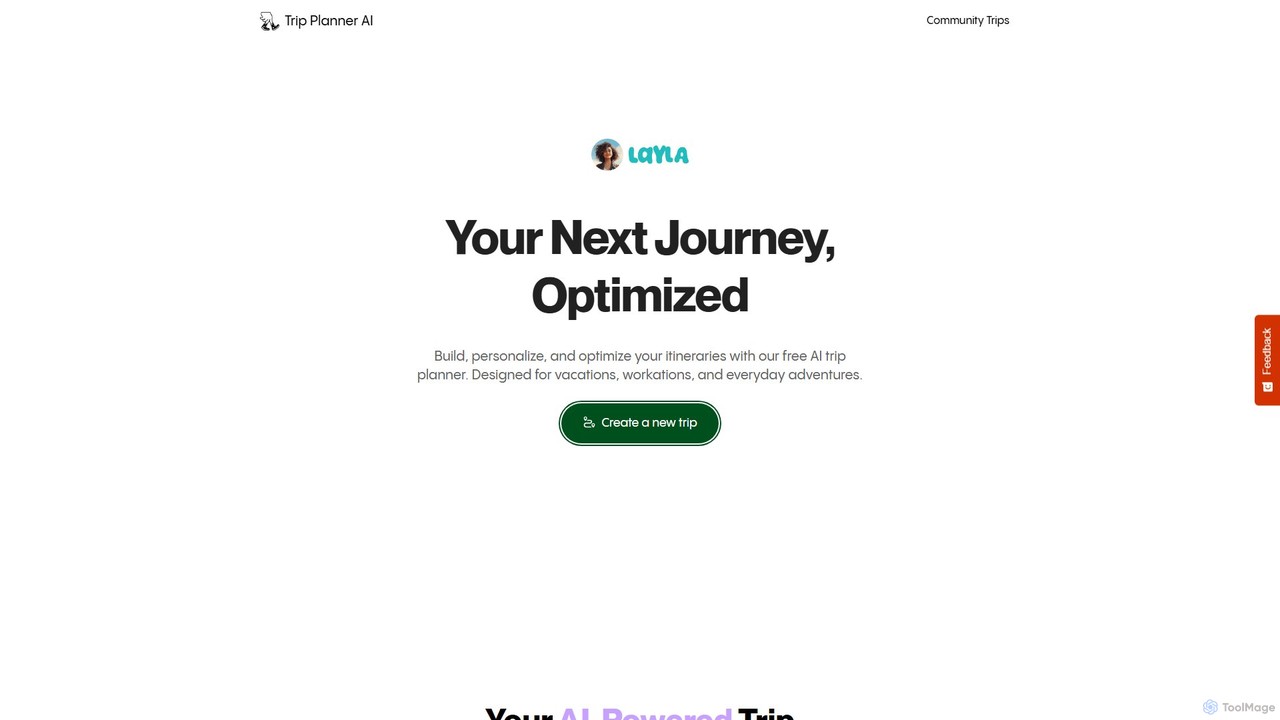
Trip Planner AI is a free, AI-powered travel tool that builds, personalizes, and optimizes your travel itineraries. It's …

82.4K

About Personalized Recommendations

Personalized Recommendations tools are AI systems that analyze user data to predict and suggest relevant items, content, or services. They operate using machine learning algorithms like collaborative filtering and content-based filtering to understand individual preferences and behavior patterns. These tools are crucial for enhancing user engagement on platforms like e-commerce sites and streaming services by delivering tailored experiences. Their primary advantage lies in their ability to increase conversion rates, improve customer retention, and simplify the discovery process for users.

Core Features

  • User Behavior Analysis: Tracks and interprets user actions such as clicks, purchases, viewing history, and ratings to build a preference profile.
  • Collaborative Filtering: Recommends items by identifying patterns among users with similar tastes.
  • Content-Based Filtering: Suggests items based on their attributes and their similarity to items a user has previously liked.
  • Real-Time Adaptation: Dynamically updates recommendations in real-time as user interactions provide new data.
  • Hybrid Models: Combines multiple recommendation strategies (e.g., collaborative and content-based) to improve accuracy and address limitations.

Use Cases

As a key type of Life Assistant, these tools are widely used in e-commerce to suggest products, in media streaming services to recommend movies or music, and in content platforms to surface relevant articles or videos. They also power personalized marketing campaigns and social media feed curation, making digital experiences more relevant for each individual.

How to Choose

When selecting a tool, consider its scalability to handle your user base and data volume. Evaluate the variety of algorithms offered and their suitability for your specific items. Also, check for ease of integration with your existing platforms via APIs or SDKs, and assess the level of customization available for the recommendation logic and user interface.

Personalized RecommendationsUse Cases

1

E-commerce Product Suggestions

An e-commerce manager for an online fashion retailer aims to increase the average order value. By implementing a personalized recommendation engine, they can display sections like 'Customers Also Bought' on product pages and 'You Might Also Like' at checkout. The AI analyzes the current user's cart, browsing history, and the purchasing patterns of similar customers to suggest relevant apparel and accessories. This strategy encourages impulse buys and cross-sells, directly leading to a measurable increase in revenue per transaction.

2

Streaming Service Content Discovery

A product manager at a video streaming service needs to reduce churn and increase viewing hours. They use a recommendation AI to power the platform's homepage, creating personalized rows like 'Top Picks for You' and 'Because You Watched...'. The system analyzes viewing history, ratings, genre preferences, and even the time of day a user watches. This results in a highly relevant and engaging content discovery experience, making users more likely to find new shows they love and continue their subscription.

3

Personalized News Feed Curation

A digital publisher wants to increase reader engagement and time spent on their site. They integrate a recommendation tool to create a dynamic 'For You' section. The AI tracks which articles a user reads, which topics they linger on, and which authors they prefer. It then populates the feed with a mix of similar content, trending stories relevant to their interests, and undiscovered gems from the archives. This transforms a generic news site into a personal information hub, encouraging daily visits and longer reading sessions.

4

AI-Powered Music Playlist Generation

A product manager for a music streaming app wants to enhance the music discovery experience to retain users. They leverage a recommendation AI to create features like 'Discover Weekly' or 'Daily Mix'. The algorithm analyzes a user's listening habits, including skipped songs, liked tracks, and favorite artists/genres. Based on this data, it generates unique, personalized playlists that introduce users to new music they are highly likely to enjoy. This feature becomes a key differentiator, improving user satisfaction and increasing daily active usage of the app.

5

Targeted Email Marketing Campaigns

An email marketing specialist for an online retailer wants to boost campaign click-through rates. Instead of sending generic newsletters, they integrate a recommendation engine with their email platform. The tool dynamically populates email templates with products based on each recipient's past purchases and browsing behavior. For example, a customer who recently bought a camera might receive an email recommending lenses and tripods. This level of personalization makes the emails far more relevant and compelling, resulting in significantly higher engagement and conversion rates.

6

Online Course Recommendations

The platform manager of an e-learning site aims to guide users toward relevant courses and increase enrollment. They deploy a recommendation system that suggests courses based on a user's profile. The AI considers completed courses, skill levels assessed through quizzes, stated career goals, and the learning paths of other users with similar profiles. When a user finishes a 'Python for Beginners' course, the system might recommend 'Intermediate Python' or 'Data Analysis with Pandas', creating a clear and personalized learning journey that boosts course completion and user lifetime value.

Personalized RecommendationsFrequently Asked Questions