ToolMage
Sign in

Best 2 Travel AI tools for Life Assistant

Popular Travel AI tools in Life Assistant include aipassportphotos and snap2pass, helping you work more efficiently.

snap2pass
Paid

snap2pass

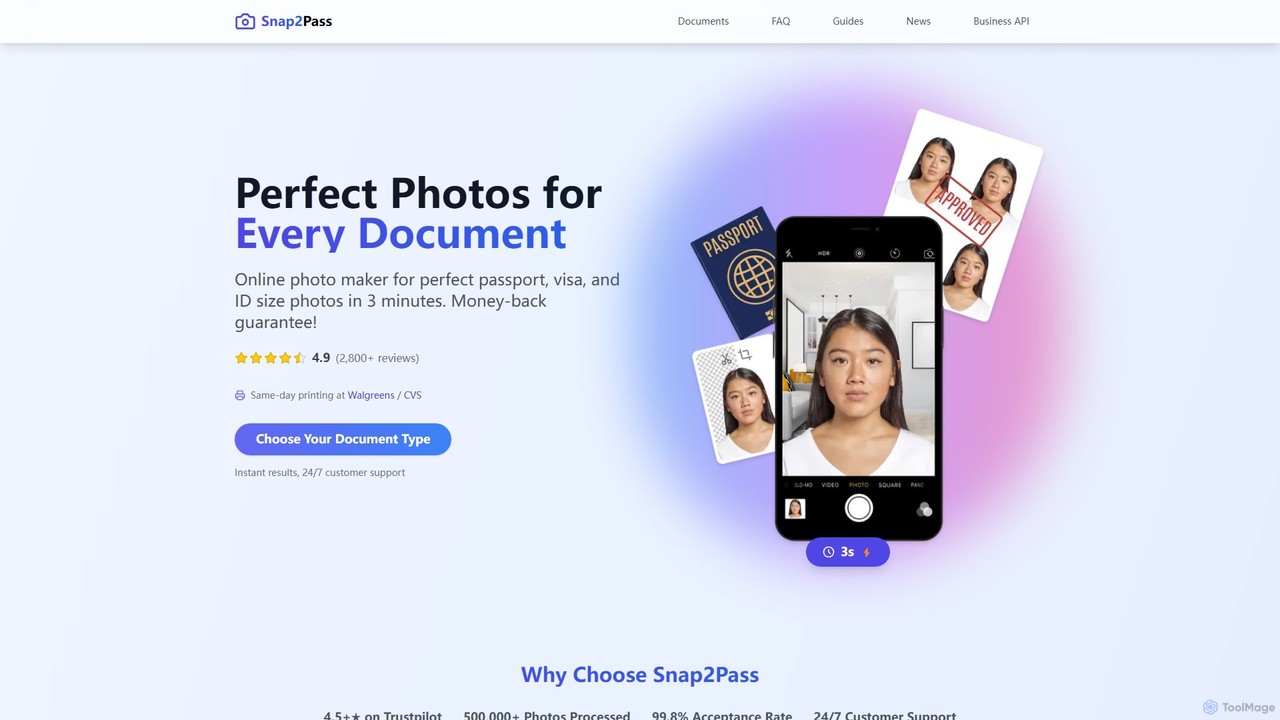
Snap2Pass is an AI-powered online tool that creates perfectly compliant passport, visa, and ID photos in minutes. It uses advanced AI to automatically check, resize, and edit your photo to meet official government requirements, guaranteeing acceptance or your money back.

3D
Visits 14.6KFavorites 109Likes 98
aipassportphotos
Freemium

aipassportphotos

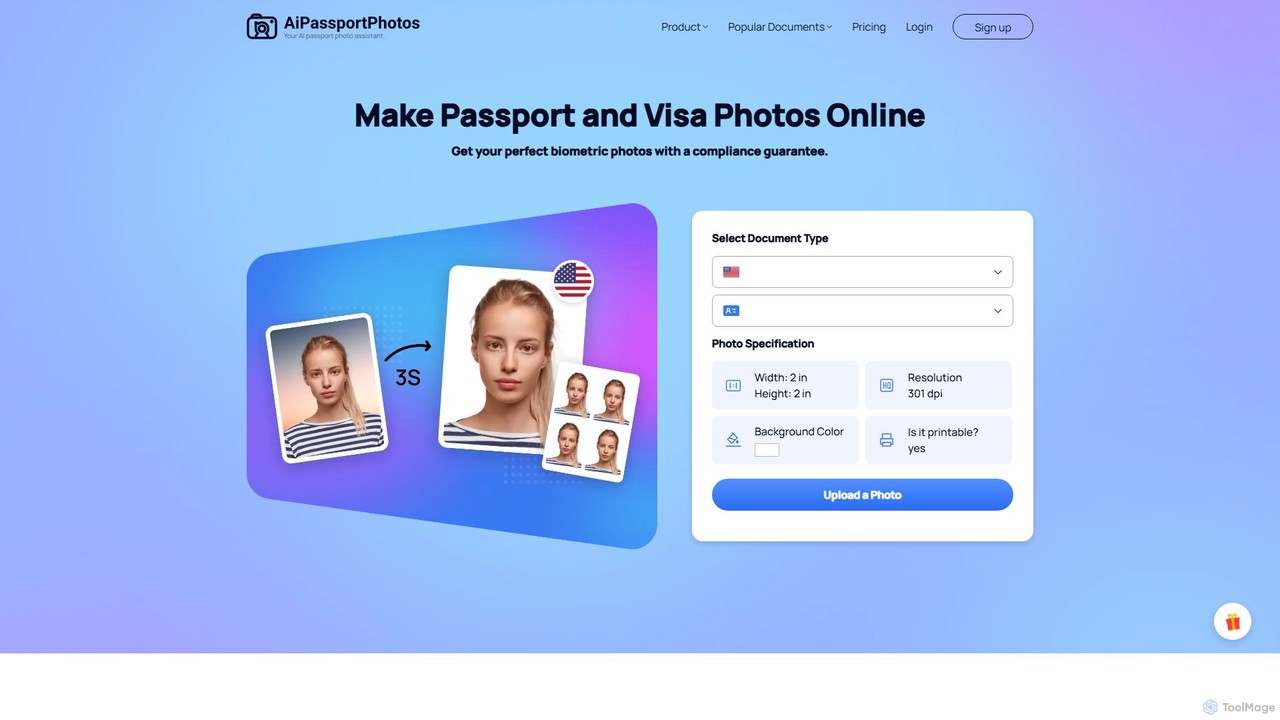
An AI-powered online tool that allows users to create fully compliant biometric photos for passports, visas, and IDs in seconds. It automatically adjusts size, background, and other specifications to guarantee acceptance by official authorities, saving time and money.

3D
Visits 69.2KFavorites 145Likes 123

About Travel

AI Travel tools are a specialized category of life assistants designed to streamline and enhance trip planning and management. These tools leverage machine learning and vast datasets to provide personalized itinerary creation, real-time flight and hotel price tracking, and intelligent recommendations. They help travelers save time and money by automating tedious research, discovering unique local experiences, and dynamically adapting plans. Unlike general assistants, AI Travel tools offer deep domain knowledge, integrating with global travel systems for a seamless experience.

Core Features

  • Intelligent Itinerary Planning: Automatically generates optimized travel schedules based on interests, budget, and time constraints.
  • Real-time Price Tracking & Prediction: Monitors flights and accommodations, predicting price fluctuations to suggest the best booking times.
  • Personalized Recommendations: Suggests restaurants, attractions, and activities based on user preferences and past behavior.
  • In-Trip Assistance: Provides real-time updates on gate changes, delays, and offers on-the-go navigation and support.
  • Automated Booking: Streamlines the booking process for flights, hotels, and car rentals across multiple platforms.

Use Cases

AI Travel tools are ideal for frequent business travelers managing complex multi-city trips, families seeking customized vacation plans, and solo adventurers looking for budget-friendly, unique experiences. They are also valuable for anyone wanting to optimize their travel budget by finding the best deals on flights and lodging without constant manual searching.

How to Choose

When selecting an AI Travel tool, consider the scope of its integrations with airlines and hotels. Evaluate the level of personalization and how well it learns your preferences. Check for robust real-time capabilities for in-trip updates. Finally, assess the user interface and mobile app for ease of use during planning and while on the go.

Travel use cases

1

Automated Business Trip Planning

A management consultant needs to plan a multi-city trip across Europe for client meetings. Instead of spending hours comparing flights and hotels, they input the cities, dates, and meeting times into an AI Travel tool. The tool instantly generates an optimized itinerary, including the most efficient flight routes, hotels located near the meeting venues that comply with the company's travel policy, and pre-booked ground transportation. This process reduces planning time by over 80% and ensures all bookings adhere to corporate budget constraints.

2

Personalized Family Vacation Itinerary

A family of four is planning a 10-day trip to Japan. They input their interests (anime museums, historical temples, kid-friendly parks) and a daily budget into an AI travel planner. The AI generates a day-by-day itinerary that balances activities for both adults and children. It suggests specific train routes, pre-calculates travel times, recommends family-friendly restaurants with high ratings, and even provides links to purchase attraction tickets in advance to avoid queues. This creates a stress-free, personalized vacation plan tailored to the family's unique preferences.

3

Finding Optimal Travel Deals

A budget-conscious traveler wants to fly from New York to Rome but has flexible dates. They use an AI travel tool to monitor flight prices. The tool's predictive algorithm analyzes historical pricing data and demand trends to forecast when prices are likely to be lowest. It sends an alert to the user's phone: 'Prices for NYC-FCO are predicted to drop in the next 7 days. We recommend booking then.' The user waits, books the flight at the recommended time, and saves over 25% compared to the initial search price, all without needing to check prices manually every day.

4

Discovering Local Culinary Experiences

A foodie is traveling to Lisbon and wants to avoid tourist traps. They use an AI travel assistant, specifying their preferences for 'authentic seafood' and 'restaurants popular with locals.' The AI analyzes recent reviews, social media check-ins, and local food blogs. It then recommends three specific restaurants that match the criteria, provides sample menus, and shows real-time table availability. The user can book a table directly through the assistant's interface, ensuring a genuine and highly-rated dining experience that they might not have found through traditional search methods.

5

Real-time In-Trip Support and Adjustments

A traveler lands at an airport only to find their connecting flight has been canceled due to weather. Instead of scrambling to find information, their AI travel app sends an immediate notification. It has already analyzed alternative flights on multiple airlines and presents the top three options based on arrival time and cost. With two taps, the traveler rebooks their flight directly within the app. The AI also automatically updates their hotel reservation and notifies their pre-booked car service of the new arrival time, seamlessly managing the disruption.

6

Planning a Spontaneous Weekend Getaway

On a Friday afternoon, a user decides they want a weekend trip. They open an AI travel app and simply type 'a relaxing beach getaway near me for this weekend under $500.' The AI instantly scans for last-minute hotel deals, affordable flights or driveable destinations, and available activities. Within seconds, it presents a complete package: a 2-night stay at a highly-rated coastal hotel, driving directions, and a list of recommended quiet beaches and seafood restaurants, all within the specified budget. This transforms a complex, last-minute decision into an actionable plan.

Travel FAQ

What are AI Travel tools?

AI Travel tools are specialized software applications that use artificial intelligence to simplify and personalize the entire travel planning process. They go beyond simple search engines by actively learning a user's preferences to create custom itineraries, predict flight price changes, and recommend activities. Key features often include automated itinerary generation, real-time deal tracking, and in-trip assistance, acting as an intelligent, personal travel agent.

How do AI Travel tools differ from booking sites like Expedia or Booking.com?

The key difference is integration and intelligence. Booking sites are transactional platforms for searching and booking individual components (flights, hotels). AI Travel tools are comprehensive planners. They integrate data from multiple sources (booking sites, review platforms, maps) to build a cohesive, optimized itinerary. While a booking site helps you book a hotel, an AI travel tool helps you decide which neighborhood to stay in based on your interests, then finds the best hotel in that area, and plans your daily activities around it.

How to choose the right AI Travel tool?

Choosing the right tool depends on your travel style. Consider these factors:

  • Integration Scope: Does it connect with a wide range of airlines, hotels, and booking platforms to give you the best options?
  • Personalization Quality: How well does the AI learn from your feedback and preferences to offer truly tailored suggestions?
  • Real-time Capabilities: Does it provide live updates for flight delays, gate changes, and traffic conditions during your trip?
  • User Interface: Is the app intuitive and easy to use, both for complex planning at home and for quick checks on the go?
What are the main benefits of using an AI for travel planning?

The primary benefits are significant time savings, cost reduction, and enhanced personalization. AI automates hours of manual research for flights, hotels, and activities. It saves money by predicting price trends and finding hidden deals. Most importantly, it creates a more enjoyable and relevant travel experience by tailoring every aspect of the trip to your specific interests, moving beyond generic, one-size-fits-all recommendations.

Can AI Travel tools handle complex, multi-destination trips?

Yes, this is a core strength of many advanced AI Travel tools. Manually planning a multi-destination trip involves complex logistics, such as optimizing travel routes, coordinating check-in/out times, and fitting activities into a tight schedule. An AI can process all these variables simultaneously to create the most efficient and logical itinerary. It can suggest the best order to visit cities, find transportation that connects them seamlessly, and build a day-by-day plan that minimizes travel time and maximizes enjoyment.