ToolMage
Sign in

Best 1 Biohacking AI tools for Lifestyle

Popular Biohacking AI tools in Lifestyle include StackAdvice, helping you work more efficiently.

StackAdvice
Paid

StackAdvice

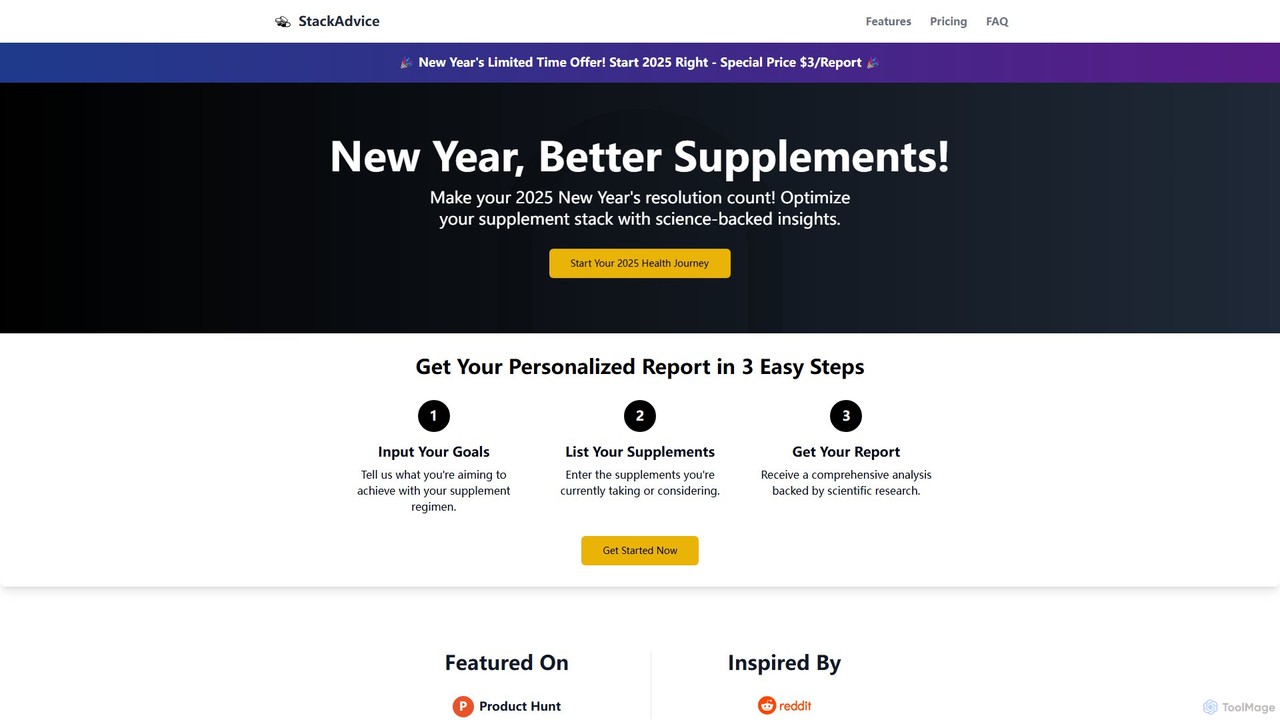
StackAdvice is an AI-powered platform that analyzes your supplement stack based on your personal health goals. It cross-references your supplements with millions of scientific research papers to generate a personalized report, including an effectiveness summary, potential side effects, and evidence-backed recommendations for optimization.

Nutrition
Visits 5.4KFavorites 174Likes 186

About Biohacking

Biohacking tools are AI-powered solutions designed to optimize human performance, health, and well-being through data-driven insights and personalized interventions. These tools leverage artificial intelligence to analyze vast amounts of biological and lifestyle data, offering actionable recommendations for physical and cognitive enhancement. They empower individuals to understand and proactively manage their body's systems, aiming for improved longevity, energy, and mental clarity. By integrating advanced analytics with personal metrics, biohacking tools provide a scientific approach to self-improvement within the broader lifestyle optimization domain.

Core Features

  • Personalized Health Insights: Analyzes biometric data (e.g., sleep, activity, heart rate variability) to provide tailored health reports and risk assessments.
  • Nutrition and Supplement Optimization: Recommends personalized dietary plans and supplement regimens based on genetic data, gut microbiome analysis, and lifestyle.
  • Sleep and Stress Management: Offers AI-driven programs and feedback to improve sleep quality, reduce stress, and enhance recovery.
  • Cognitive Enhancement Protocols: Suggests personalized strategies, including nootropics and brain training exercises, to boost focus, memory, and mental acuity.
  • Genetic and Epigenetic Analysis: Interprets DNA and epigenetic markers to uncover predispositions and guide lifestyle modifications for long-term health.

Use Cases

Individuals seeking to maximize their physical and mental potential, from athletes optimizing performance to professionals enhancing cognitive function, utilize AI biohacking tools. They are also valuable for those managing chronic conditions or pursuing longevity. For example, a busy executive might use these tools to fine-tune their sleep schedule and nutrition for peak daily performance, while a health enthusiast could analyze genetic data to personalize their fitness and diet regimen.

How to Choose

When selecting AI biohacking tools, consider the scientific validity of their methodologies and data sources. Evaluate the breadth of data integration (e.g., wearables, lab tests) and the depth of personalized recommendations. Prioritize tools with strong data privacy policies and a user-friendly interface. Also, assess the level of customization offered and whether it aligns with your specific health goals, such as performance, longevity, or chronic condition management.

Biohacking use cases

1

Optimizing Athletic Performance

Professional athletes and serious fitness enthusiasts use AI biohacking tools to gain a competitive edge. By integrating data from wearables, training logs, and recovery metrics, AI analyzes performance patterns, identifies overtraining risks, and suggests personalized recovery protocols, nutrition adjustments, and sleep schedules. This leads to faster recovery, reduced injury risk, and peak performance during competitions.

2

Personalized Longevity Planning

Individuals focused on extending their healthy lifespan leverage AI biohacking for comprehensive longevity planning. Tools analyze genetic predispositions, blood biomarkers, and lifestyle habits to predict potential health risks and recommend proactive interventions. This includes personalized dietary changes, exercise routines, supplement stacks, and stress reduction techniques aimed at slowing cellular aging and preventing age-related diseases.

3

Enhancing Cognitive Function and Focus

Students, entrepreneurs, and professionals utilize AI biohacking to boost brain power and maintain sustained focus. These tools track cognitive performance through tests and daily activities, correlating it with sleep, nutrition, and stress levels. AI then suggests personalized nootropic stacks, meditation exercises, specific brain-training games, or dietary adjustments to optimize mental clarity, memory, and problem-solving abilities.

4

Tailoring Nutrition and Supplement Regimens

People with specific dietary needs, allergies, or health goals use AI biohacking to create highly personalized nutrition and supplement plans. By analyzing genetic data, gut microbiome tests, and real-time glucose monitoring, AI identifies optimal food choices and nutrient deficiencies. It then recommends precise meal plans, supplement dosages, and timing to support metabolic health, energy levels, and overall well-being.

5

Advanced Sleep Quality Improvement

Individuals struggling with sleep issues or seeking to maximize restorative sleep employ AI biohacking tools. These tools monitor sleep stages, heart rate variability, and environmental factors (temperature, light, sound). AI then provides actionable insights, such as optimal bedtime routines, personalized soundscapes, light exposure recommendations, and even smart home integrations to create the ideal sleep environment, leading to deeper, more efficient rest.

6

Proactive Stress and Mood Management

Anyone looking to better manage stress, anxiety, or mood fluctuations can benefit from AI biohacking. Tools track physiological markers of stress (e.g., HRV, cortisol levels via wearables), correlate them with daily activities and emotional states, and identify triggers. AI then suggests personalized mindfulness exercises, breathing techniques, adaptogenic supplements, or lifestyle adjustments to build resilience and maintain emotional balance.

Biohacking FAQ

What are AI Biohacking tools?

AI Biohacking tools are advanced software and hardware solutions that use artificial intelligence to analyze personal biological and lifestyle data, providing actionable insights to optimize human health and performance. They go beyond general wellness advice by offering highly personalized recommendations based on an individual's unique physiology, genetics, and daily habits, aiming for measurable improvements in areas like energy, sleep, cognition, and longevity.

How do AI Biohacking tools differ from traditional wellness apps?

AI Biohacking tools differ from traditional wellness apps primarily in their depth of personalization and data integration. While wellness apps offer general advice and tracking, biohacking tools leverage AI to analyze complex data sources like genetic tests, advanced biomarkers, and real-time physiological metrics from wearables. This allows for hyper-personalized interventions and predictive analytics, rather than just generic recommendations, focusing on optimizing specific biological pathways.

What kind of data do AI Biohacking tools analyze?

AI Biohacking tools analyze a wide array of data, including biometric data from wearables (heart rate, sleep patterns, activity levels), genetic and epigenetic information, blood test results (hormones, vitamins, inflammatory markers), gut microbiome analysis, and even cognitive performance metrics. AI algorithms process this diverse dataset to identify patterns, correlations, and personalized insights that would be impossible to discern manually.

Who can benefit from using AI Biohacking tools?

A wide range of individuals can benefit from AI Biohacking tools, including athletes seeking performance optimization, professionals aiming for enhanced cognitive function, individuals managing chronic health conditions, and anyone interested in proactive health management and longevity. These tools are particularly useful for those who want to move beyond generic health advice and implement highly personalized, data-driven strategies for self-improvement.

What should I consider regarding data privacy when using Biohacking tools?

Data privacy is a critical consideration for AI Biohacking tools, as they handle sensitive personal health and genetic information. It's essential to choose tools from reputable providers with transparent data policies, strong encryption, and clear consent mechanisms. Look for certifications or adherence to privacy regulations (e.g., GDPR, HIPAA). Understand how your data is stored, processed, and whether it's shared with third parties, ensuring you maintain control over your personal information.