Shapemate
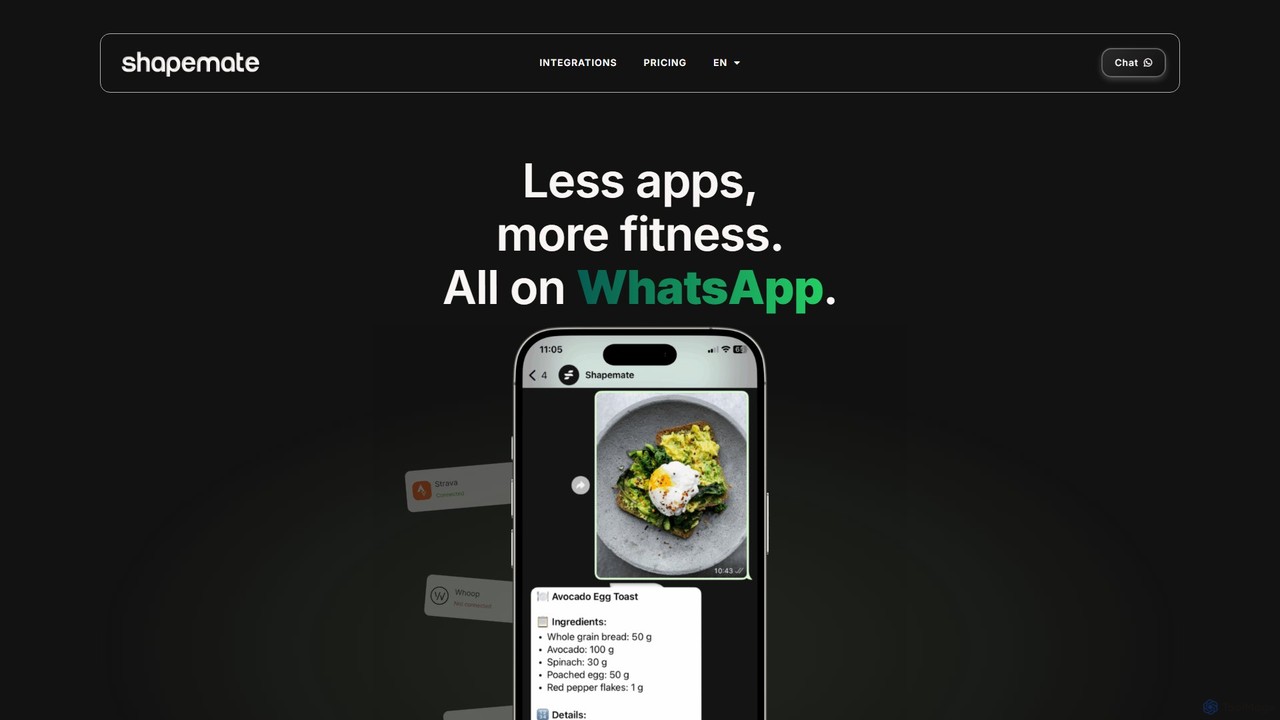
Shapemate is an AI-powered fitness chatbot that operates entirely within WhatsApp. It simplifies your fitness journey by providing …
Shapemate is an AI-powered fitness chatbot that operates entirely within WhatsApp. It simplifies your fitness journey by providing personalized workout plans, nutrition tracking, and progress analysis through a simple chat interface, aiming to make you a 'Hybrid Athlete'.
Claros
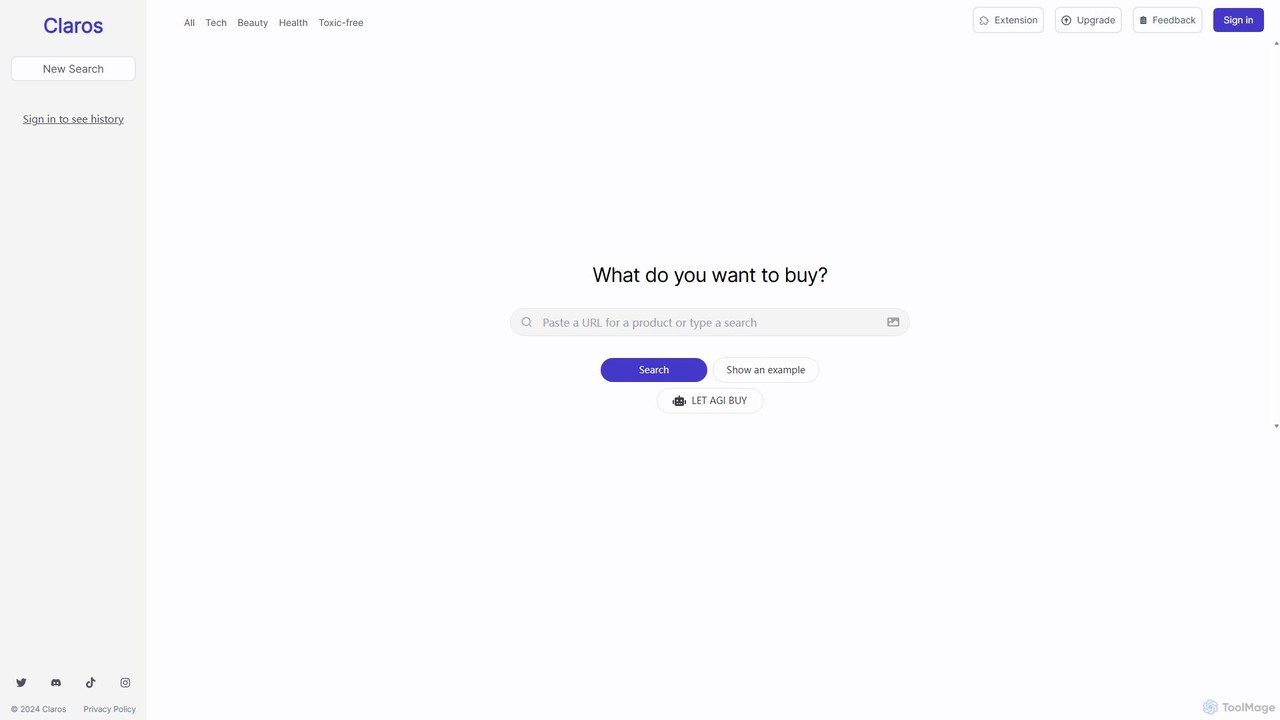
Claros is an advanced AI shopping assistant designed to find and purchase products based on your specific needs. …
Claros is an advanced AI shopping assistant designed to find and purchase products based on your specific needs. Using natural language, you can search for items with precise criteria, such as chemical-free, suitable for sensitive skin, or organic. Claros acts as your personal AGI agent, simplifying the entire shopping process from research to purchase.
Flex Fitness App
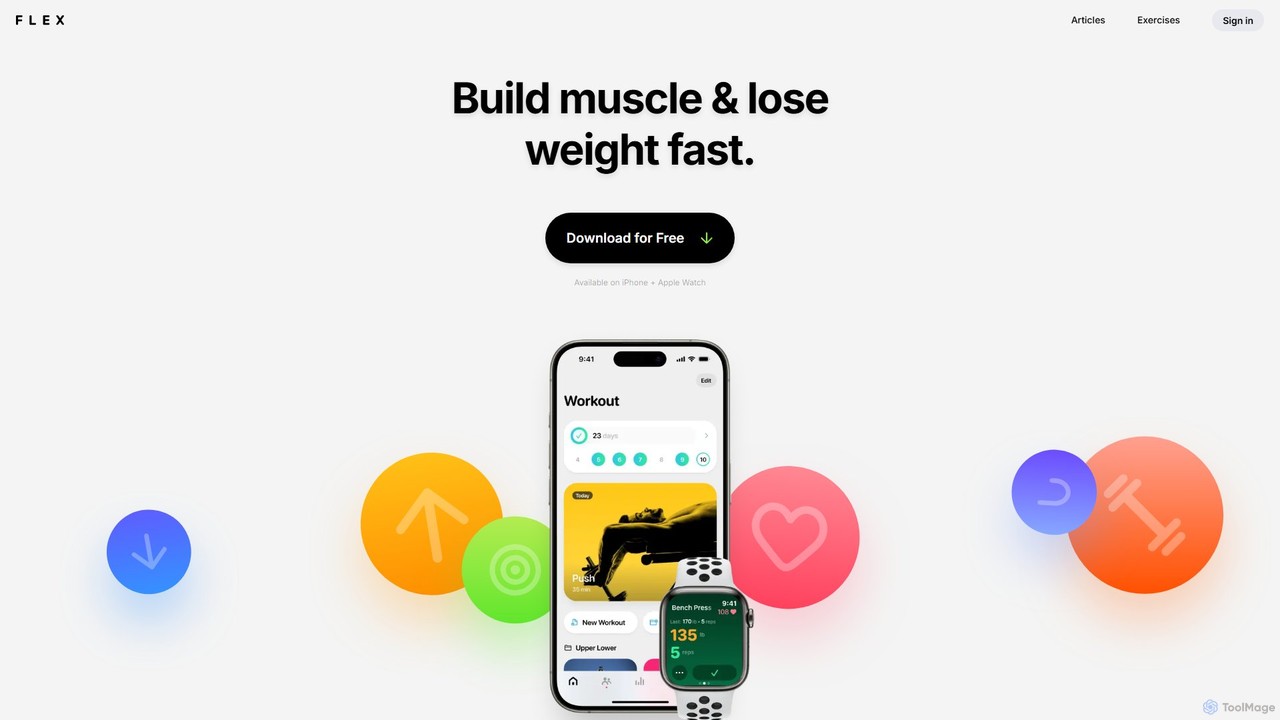
Flex is an AI-powered workout planner and tracker designed to make fitness fun and effective. It offers real-time …
Flex is an AI-powered workout planner and tracker designed to make fitness fun and effective. It offers real-time AI form feedback, gamified features like streaks and leaderboards, and a customizable workout builder. Available for free on iPhone and Apple Watch, it helps you build muscle, lose weight, and form lasting fitness habits with community support.
About Health
AI Health tools are applications that leverage artificial intelligence to provide personalized health insights, fitness guidance, and mental wellness support. They analyze user-provided data, such as symptoms, activity levels, and biometrics, using machine learning algorithms to offer tailored recommendations. These tools empower users to proactively manage their well-being, from creating customized workout plans to tracking chronic conditions and accessing on-demand mental health resources. Their primary value lies in making health monitoring more accessible, data-driven, and personalized.
Core Features
- Personalized Analysis: Interprets health data from wearables and user input to offer customized advice on fitness, nutrition, and sleep.
- Symptom Checker: Utilizes natural language processing to analyze described symptoms and provide information on potential conditions for triage purposes.
- Mental Wellness Support: Offers AI-powered chatbots for cognitive behavioral therapy (CBT) exercises, mood tracking, and mindfulness guidance.
- Automated Planning: Generates dynamic workout routines and meal plans based on individual goals, preferences, and progress.
- Data-driven Monitoring: Tracks and visualizes health metrics over time to help users identify trends and manage chronic conditions.
Use Cases
These tools are widely used by individuals for personal health management, fitness enthusiasts seeking optimized training plans, and people needing accessible mental health support. They are also valuable for users managing chronic conditions like diabetes or hypertension, allowing for better daily tracking and insight generation between doctor visits.
How to Choose
When selecting an AI Health tool, prioritize its scientific backing and the credibility of its medical advisors. Evaluate its data privacy policy to ensure your sensitive information is secure. Consider the level of personalization and its ability to integrate with your existing devices and health apps. Finally, assess the user interface for ease of use, as consistency is key to effective health tracking.
HealthUse Cases
Generate a Personalized Fitness and Nutrition Plan
A fitness beginner aims to lose 10kg and build muscle but lacks knowledge in workout programming. They input their age, weight, height, fitness goals, dietary restrictions, and available gym equipment into an AI health app. The tool's algorithm processes this data to generate a comprehensive 12-week plan, including daily workouts with video demonstrations and a balanced meal plan with recipes and calorie tracking. This saves the user the cost of a personal trainer and provides a structured, data-driven path to achieve their goals.
Access On-Demand Mental Wellness Support
A university student experiencing stress and anxiety during exam season uses an AI mental health chatbot. Instead of waiting for a therapy appointment, they can engage with the chatbot 24/7. Through guided conversations based on Cognitive Behavioral Therapy (CBT) principles, the student learns to identify negative thought patterns, practices mindfulness exercises, and tracks their mood. The AI provides instant, non-judgmental support, making mental wellness resources more accessible and immediate.
Perform an Initial Symptom Assessment
An individual develops a non-emergency symptom like a persistent skin rash. Before scheduling a doctor's appointment, they use an AI symptom checker. They answer a series of dynamic questions about the symptom's appearance, duration, and accompanying feelings. The AI compares this information against a vast medical database to list potential causes, ranked by probability, and advises on the urgency of seeking professional medical care. This helps the user make a more informed decision about their next steps.
Monitor and Manage a Chronic Condition
A person with Type 2 diabetes uses an AI health platform to manage their condition daily. They log blood glucose readings, meals, medication, and physical activity. The AI analyzes these inputs to reveal patterns, such as how specific foods impact their blood sugar levels. It provides predictive insights and sends alerts for potential hyperglycemic events, empowering the user to make proactive lifestyle adjustments and facilitating more productive discussions with their healthcare provider.
Analyze and Improve Sleep Quality
A user struggling with fatigue connects their smartwatch to an AI sleep analysis tool. The app automatically imports sleep data, including duration, stages (deep, light, REM), and interruptions. The AI algorithm analyzes these patterns over weeks, identifying potential issues like inconsistent bedtimes or low deep sleep duration. It then provides personalized, actionable recommendations, such as establishing a wind-down routine or adjusting room temperature, to help the user systematically improve their sleep hygiene and energy levels.
Practice Guided Meditation and Mindfulness
A busy professional wants to incorporate mindfulness into their daily routine to reduce work-related stress. They use an AI-powered meditation app that offers personalized sessions. Based on the user's self-reported stress level or even through voice tone analysis, the AI recommends a specific guided meditation, from a 5-minute breathing exercise to a 20-minute body scan. This tailored approach ensures the practice matches the user's immediate needs, making mindfulness more effective and easier to adopt.