GYMCIRCLE
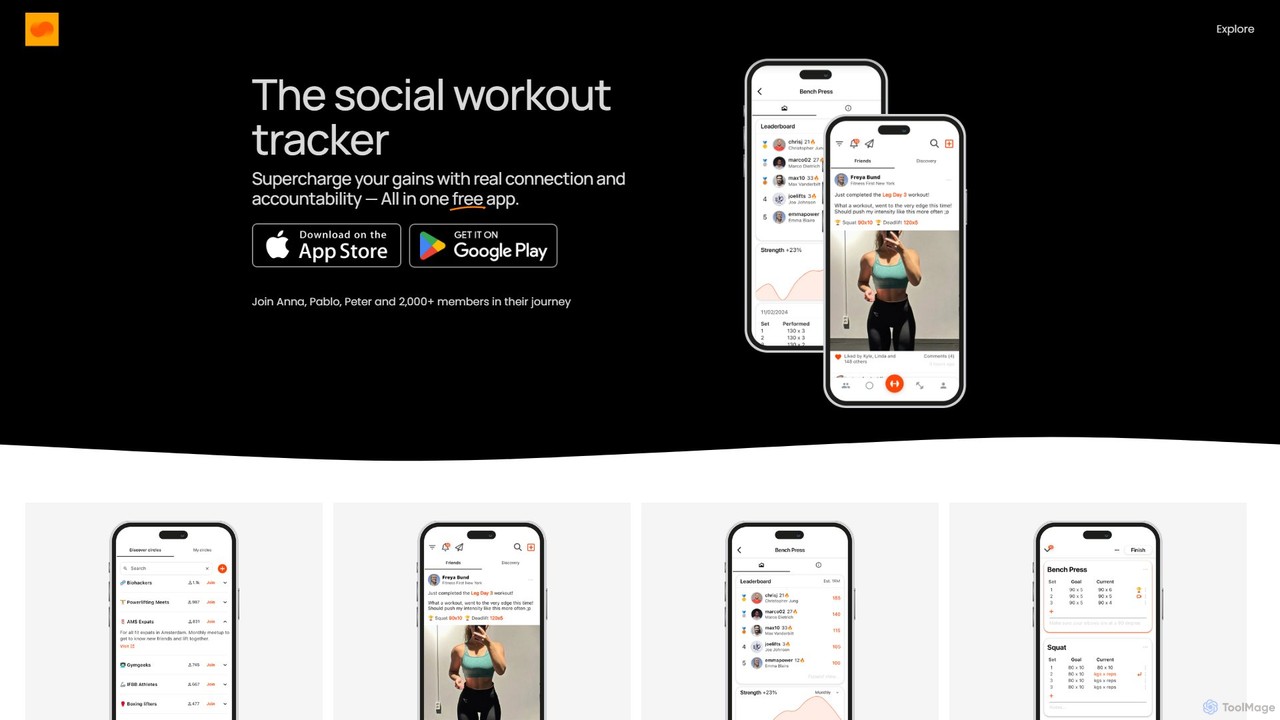
GYMCIRCLE is a free social workout tracker designed to connect you with a supportive fitness community. It combines …
GYMCIRCLE is a free social workout tracker designed to connect you with a supportive fitness community. It combines detailed workout logging with social features like finding gym partners, creating circles, sharing progress, and challenging friends. The app aims to make fitness a shared, motivating experience, helping you stay consistent and achieve your goals together with like-minded individuals.
Flex Fitness App
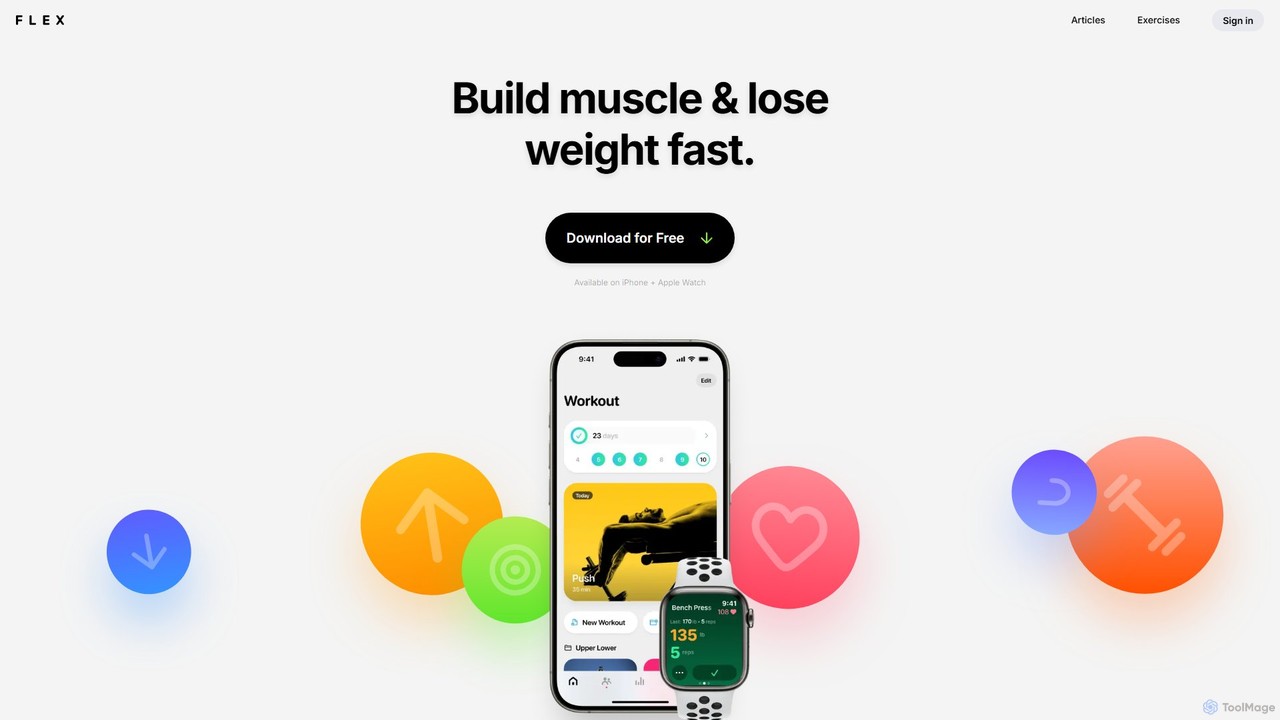
Flex is an AI-powered workout planner and tracker designed to make fitness fun and effective. It offers real-time …
Flex is an AI-powered workout planner and tracker designed to make fitness fun and effective. It offers real-time AI form feedback, gamified features like streaks and leaderboards, and a customizable workout builder. Available for free on iPhone and Apple Watch, it helps you build muscle, lose weight, and form lasting fitness habits with community support.
About Workout Tracking
AI Workout Tracking tools are intelligent applications that use artificial intelligence to monitor, analyze, and guide physical exercises. Leveraging technologies like computer vision and machine learning, these tools analyze movements in real-time to provide feedback on form and performance. They help users optimize training, prevent injuries, and achieve fitness goals more effectively than traditional manual logging. These platforms function as virtual personal trainers, offering personalized insights and adaptive plans.
Core Features
- AI Form Correction: Uses a device's camera to analyze exercise form and provide real-time corrective feedback.
- Personalized Workout Generation: Creates and adjusts training plans based on performance, goals, and feedback.
- Performance Analytics: Tracks metrics like reps, sets, pace, and power, offering detailed progress reports and insights.
- Wearable Device Integration: Syncs with smartwatches and heart rate monitors to incorporate biometric data for a holistic view.
- Predictive Insights: Analyzes data to forecast performance trends, suggest recovery times, and identify potential injury risks.
Use Cases
These tools are ideal for home fitness enthusiasts seeking guidance, athletes aiming to optimize performance, and individuals in physical rehabilitation needing to ensure proper exercise execution. Personal trainers also use them to monitor clients remotely and provide data-driven feedback.
How to Choose
When selecting a tool, consider the types of activities it supports, such as weightlifting, yoga, or running. Evaluate the quality of its form-correction feedback, its integration capabilities with your existing devices, and whether its subscription model aligns with your budget and commitment level.
Workout TrackingUse Cases
Real-Time Form Correction for Home Workouts
A fitness enthusiast working out at home wants to ensure they are performing exercises like squats and deadlifts correctly to avoid injury. They use an AI Workout Tracking app on their smartphone. The app utilizes the phone's camera to analyze their movements in real-time, providing immediate audio and visual cues like 'lower your hips' or 'keep your back straight.' This virtual coaching helps them master proper form without the cost of a personal trainer, leading to safer and more effective workouts.
Optimizing Marathon Training Plans
A long-distance runner is preparing for a marathon and wants a data-driven training schedule. They use an AI workout tracker that syncs with their GPS watch and heart rate monitor. The AI analyzes their pace, heart rate zones, elevation gain, and recovery data after each run. Based on this analysis, it dynamically adjusts the next week's plan, suggesting when to do a long run, a tempo session, or a recovery day to maximize performance gains and minimize the risk of overtraining.
Progressive Overload for Strength Training
A weightlifter aims to consistently increase their strength through progressive overload but struggles with tracking progress manually. They use an AI app that automatically logs sets, reps, and weight, often by detecting movements via a smartwatch. The AI analyzes their lifting volume and one-rep max estimates, then recommends specific weight or rep increases for the next session. This removes guesswork and ensures a structured, data-backed approach to building muscle and strength.
Guided Physical Therapy and Rehabilitation
A patient recovering from a knee injury needs to perform specific rehabilitation exercises at home. Their physical therapist prescribes a routine through an AI workout tracking platform. The tool guides the patient through each exercise, using computer vision to monitor their range of motion and form. It ensures they perform the movements correctly and safely, while providing progress reports that the therapist can review remotely to adjust the recovery plan as needed.
Remote Monitoring for Personal Trainers
A personal trainer manages multiple clients with different fitness goals. They use an AI platform to create and assign custom workout plans. Clients log their workouts through the app, which captures performance data and even video of their form. The AI provides an initial layer of feedback and flags potential issues for the trainer. This allows the trainer to efficiently monitor everyone's progress, provide targeted, data-informed advice, and scale their business effectively.
Enhancing Corporate Wellness Programs
A company wants to boost employee health and engagement through a wellness initiative. They deploy an AI workout tracking app for their staff. The app offers personalized fitness plans for all levels, from beginner to advanced, and hosts team-based challenges and leaderboards. By tracking activity and progress automatically, it gamifies fitness and fosters healthy competition. The anonymized aggregate data can also help the company understand the overall wellness trends of its workforce.