ToolMage
Sign in

Best 2 Personal Trainer AI tools for Health & Fitness

Popular Personal Trainer AI tools in Health & Fitness include FitnessAI and Flex Fitness App, helping you work more efficiently.

FitnessAI
Paid

FitnessAI

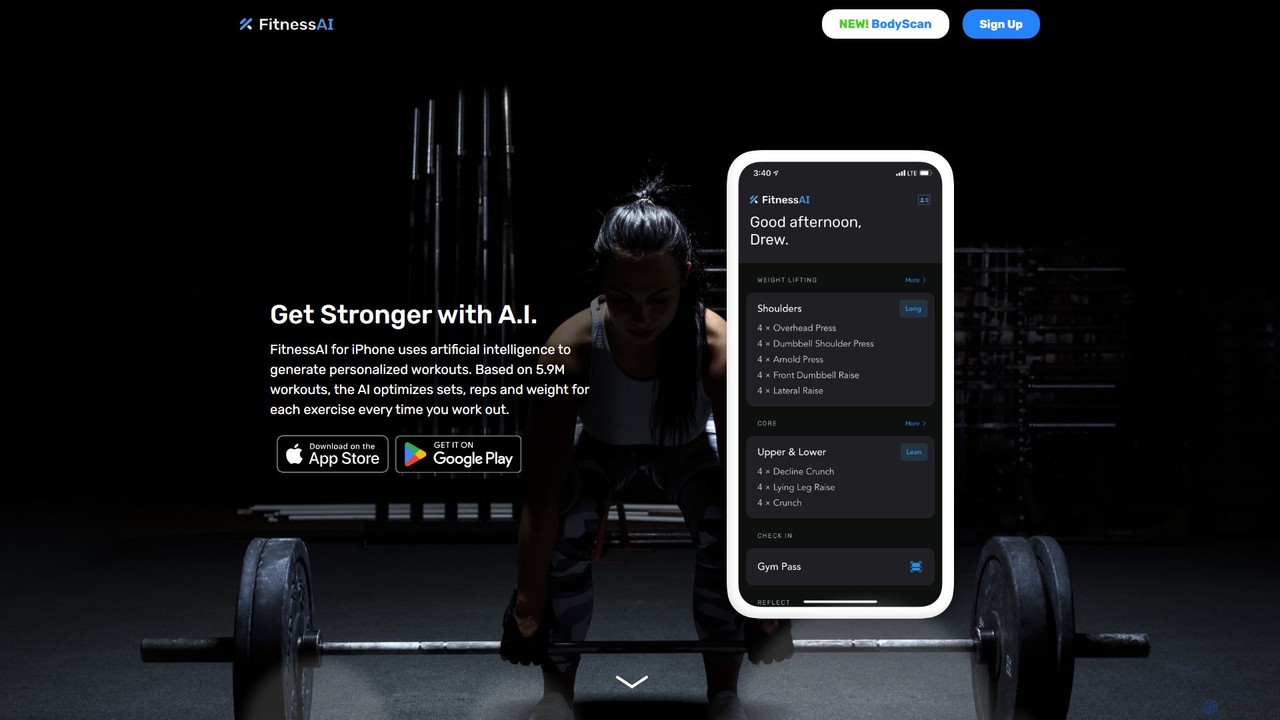
FitnessAI is an AI-powered personal trainer app for iPhone that creates personalized weightlifting workouts. Leveraging a database of over 5.9 million workouts, it optimizes your sets, reps, and weights to ensure effective progressive overload. The app also features BodyScan, a tool that uses your iPhone camera to measure and track body fat and lean muscle mass.

Personal Trainer
Visits 233.3KFavorites 169Likes 153
Flex Fitness App
Freemium

Flex Fitness App

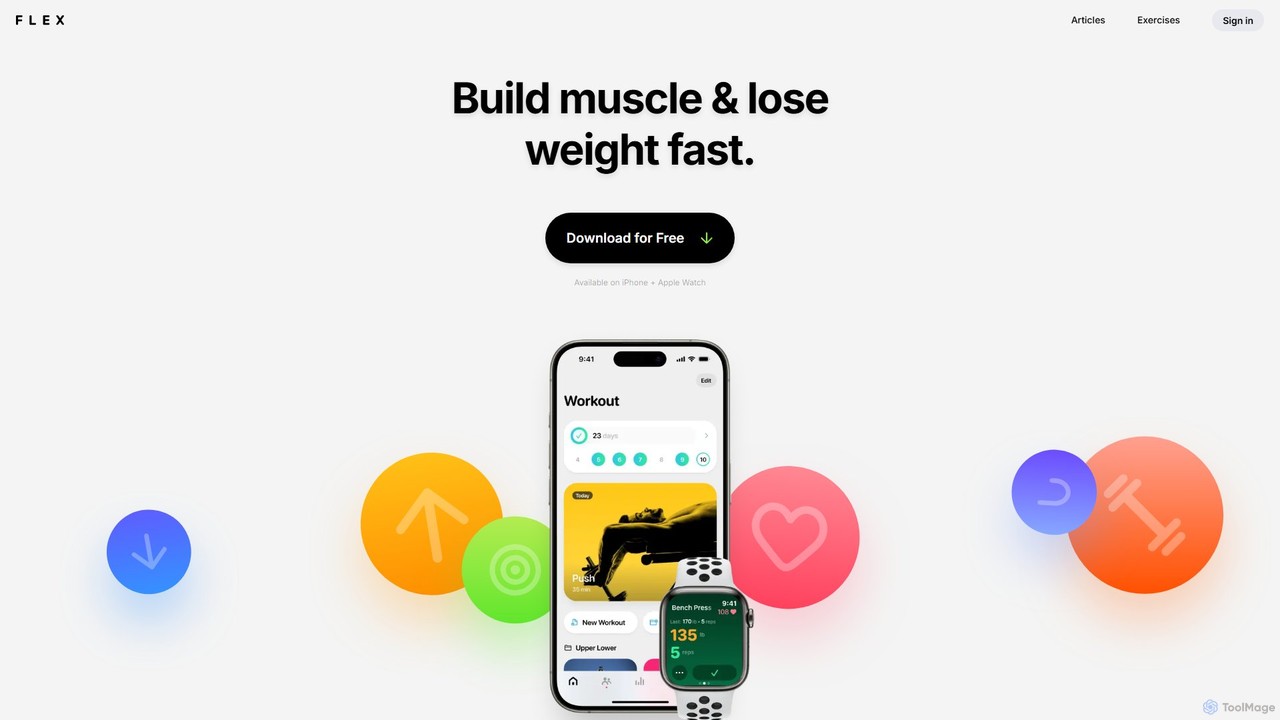
Flex is an AI-powered workout planner and tracker designed to make fitness fun and effective. It offers real-time AI form feedback, gamified features like streaks and leaderboards, and a customizable workout builder. Available for free on iPhone and Apple Watch, it helps you build muscle, lose weight, and form lasting fitness habits with community support.

Personal Trainer
Visits 32KFavorites 151Likes 157

About Personal Trainer

AI Personal Trainer tools are applications that use artificial intelligence to deliver customized fitness coaching and guidance. Leveraging technologies like computer vision for real-time form analysis and machine learning for adaptive workout planning, these tools act as a virtual coach. They provide users with structured exercise routines, immediate feedback on technique, and detailed progress tracking. This makes personalized fitness more accessible, affordable, and flexible compared to traditional human coaching.

Core Features

  • Personalized Workout Generation: Creates dynamic training plans based on individual goals, fitness levels, and available equipment.
  • Real-time Form Correction: Uses a device's camera and computer vision to analyze movements and provide instant feedback to prevent injury and improve effectiveness.
  • Adaptive Progress Tracking: Monitors performance metrics like reps, sets, and weight, automatically adjusting future workouts for continuous improvement.
  • Nutritional Guidance: Offers meal suggestions and calorie tracking that sync with workout intensity to support overall health goals.
  • Motivation & Gamification: Incorporates challenges, badges, and community features to keep users engaged and consistent with their routines.

Use Cases

These tools are ideal for individuals working out at home, frequent travelers needing a consistent routine, and beginners seeking foundational guidance on exercise form. They are also used by gym-goers who want to supplement their training with data-driven insights and objective feedback on their lifting technique without the constant cost of a human trainer.

How to Choose

When selecting an AI Personal Trainer, consider the accuracy of its form-tracking technology, as this is a key differentiator. Evaluate the variety and quality of the exercise library, the level of personalization in workout plans, and its compatibility with your devices (e.g., phone, tablet, smart TV). Also, review the subscription model and whether it aligns with your budget and commitment level.

Personal Trainer use cases

1

Personalized At-Home Workout Plans

A busy professional with limited time and no gym access uses an AI Personal Trainer to create effective at-home workouts. By inputting their goals (e.g., weight loss, muscle tone) and available equipment (e.g., bodyweight only, dumbbells), the AI generates a custom 30-minute high-intensity interval training (HIIT) routine. During the workout, the app uses the phone's camera to provide real-time feedback on their squat and push-up form, ensuring they perform exercises safely and effectively, maximizing results without leaving home.

2

Improving Lifting Form with AI Feedback

A gym enthusiast wants to perfect their deadlift and bench press form to prevent injury and lift heavier weights. They use an AI Personal Trainer app in the gym, positioning their phone to record their lifts. The AI's computer vision analyzes each repetition, providing immediate audio and visual cues like "Lower your hips" or "Keep your back straight." After the session, the app provides a detailed report highlighting form inconsistencies and suggests corrective exercises, acting as an objective, on-demand coach.

3

Automated Progressive Overload Training

An intermediate lifter aims to consistently build strength through progressive overload but struggles with tracking and planning. Their AI Personal Trainer automates this process. The app logs the weights, reps, and sets for each exercise. Based on this performance data, the AI automatically adjusts the plan for the next session—either increasing the weight, adding a rep, or suggesting an extra set. This data-driven approach ensures the user is constantly challenged appropriately, removing the guesswork and optimizing muscle growth over time.

4

AI-Guided Yoga and Flexibility Sessions

A user wants to improve their flexibility and practice yoga at home but is unsure about correct postures. They use an AI Personal Trainer specializing in yoga. The app guides them through a vinyasa flow, using the device's camera to track key body points. It provides gentle, real-time verbal cues like "Engage your core" or "Align your front heel with your back arch" in Warrior II pose. This ensures proper alignment, deepens stretches safely, and helps the user build a confident and effective home yoga practice.

5

Integrated Fitness and Nutrition Planning

Someone aiming for a body recomposition goal (losing fat while building muscle) uses an AI trainer that integrates both fitness and nutrition. The AI creates a strength training plan and, based on the user's BMR and workout intensity, calculates their daily calorie and macronutrient targets. The user can log their meals in the app, and the AI provides feedback on their nutritional choices, suggesting healthier alternatives or adjustments to meet their protein goals. This holistic approach connects the effort in the gym with the fuel required for recovery and growth.

6

Staying Motivated with Gamified Challenges

A user finds it difficult to stay consistent with their fitness routine. They join a gamified AI Personal Trainer app that turns workouts into challenges. The app sets personalized daily goals, like 'Complete 15 minutes of cardio' or 'Hold a plank for 60 seconds.' Upon completion, the user earns points, unlocks badges, and moves up a leaderboard, competing with friends or other users. The AI also sends encouraging notifications and celebrates milestones, using principles of behavioral psychology to foster long-term habit formation and make fitness feel more like a game.

Personal Trainer FAQ

What is an AI Personal Trainer?

An AI Personal Trainer is a digital application that uses artificial intelligence, particularly machine learning and computer vision, to provide personalized fitness guidance. Unlike static fitness apps, it dynamically creates and adjusts workout plans based on your goals and performance. Its key feature is often the ability to use your device's camera to analyze your exercise form in real-time, offering corrective feedback to improve technique and prevent injuries, much like a human coach would.

How do AI Personal Trainers differ from regular fitness apps?

The main difference lies in personalization and real-time feedback. Regular fitness apps typically offer a static library of pre-recorded workouts. AI Personal Trainers, however, provide a dynamic experience:

  • Adaptive Planning: They adjust future workouts based on your past performance, ensuring continuous progress (progressive overload).
  • Real-time Form Correction: Using computer vision, they actively coach your technique during exercises, a feature most standard apps lack.
  • Deeper Personalization: They create routines based on a wider range of inputs, including goals, available equipment, and fitness level assessments.

In essence, a standard app is a digital workout library, while an AI trainer aims to be a digital coach.

Are AI Personal Trainers effective for building muscle or losing weight?

Yes, they can be highly effective. For muscle building, their ability to automate progressive overload—systematically increasing the demands on your muscles—is crucial for growth. For weight loss, they provide structured cardio and strength routines to maximize calorie burn and boost metabolism. Many also integrate nutritional guidance. However, their effectiveness ultimately depends on user consistency. The AI provides the plan and the guidance, but the user must follow through with the workouts and maintain a suitable diet.

How do I choose the right AI Personal Trainer?

To choose the right tool, consider these factors:

  • Primary Goal: Are you focused on strength training, yoga, cardio, or general fitness? Some apps specialize.
  • Form-Tracking Quality: This is a core feature. Look for reviews or trials that test the accuracy of the computer vision technology.
  • Exercise Variety: Ensure the app has a large and diverse library of exercises to keep your routine engaging and comprehensive.
  • User Interface: The app should be intuitive and easy to use during a workout. A complicated interface can be distracting.
  • Pricing Model: Compare subscription costs, free trial periods, and what features are included at different price points.
Who should use an AI Personal Trainer?

AI Personal Trainers are suitable for a wide range of people, including:

  • Beginners: Who need guidance on proper exercise form and a structured plan to start their fitness journey.
  • Home Exercisers: Individuals who prefer working out at home and want access to coached, personalized routines without equipment.
  • Budget-Conscious Individuals: Those who want the benefits of a personal trainer without the high cost of one-on-one sessions.
  • Data-Driven Athletes: People who want to track their performance meticulously and use data to optimize their training for continuous improvement.
  • Frequent Travelers: Who need a flexible, portable training solution to maintain consistency on the road.